
Embarking on a solo travel journey opens doors to incredible experiences, but understanding cultural etiquette is key to truly immersing yourself in new environments. Let’s explore how embracing these customs can lead to a more enriching adventure. Read Interesting article: Navigating Cultural Etiquette Solo: A Traveler’s Guide
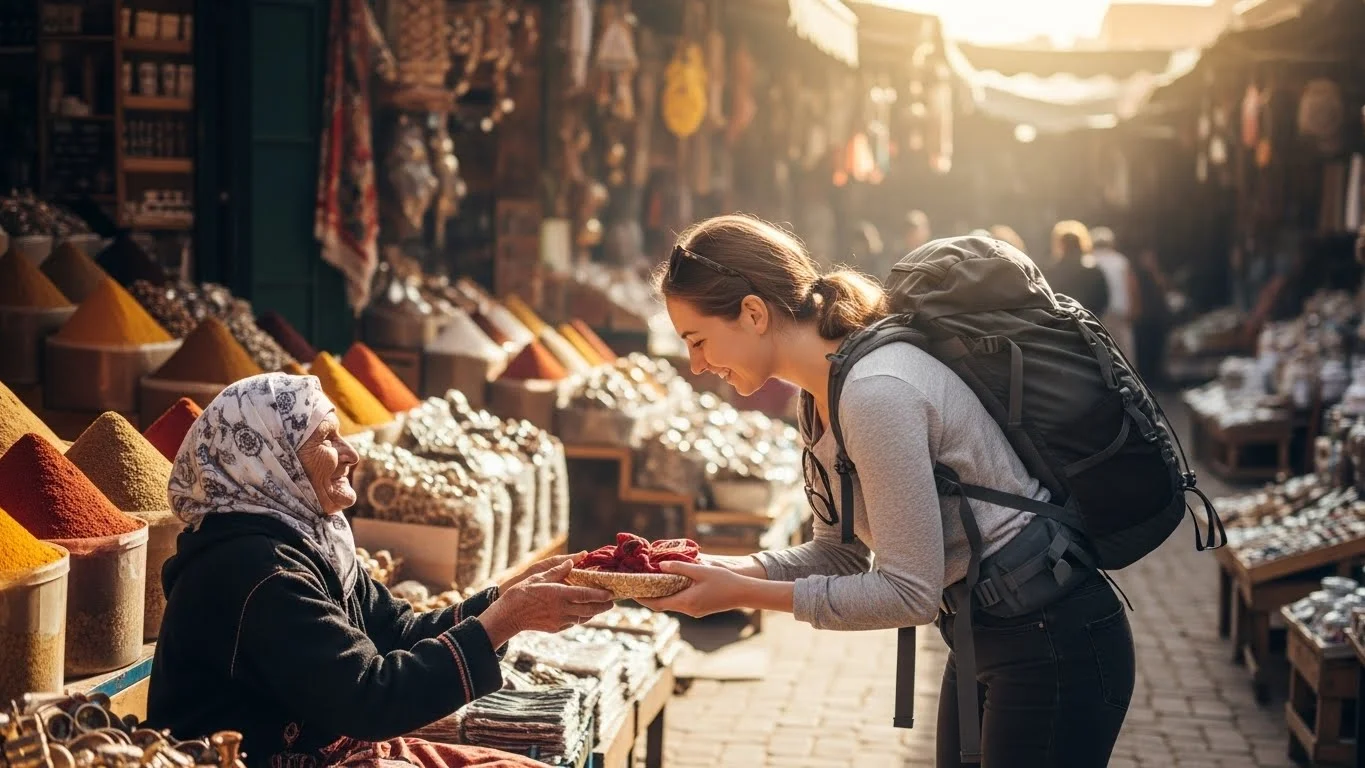
Understanding Cultural Etiquette in Solo Travel
What is Cultural Etiquette?
Cultural etiquette encompasses the rules, manners, and social norms that guide behavior within a specific culture. I’ve always found that these unwritten rules can vary dramatically from one place to another. It’s not just about what to do or not do; it’s about understanding the underlying values and beliefs that shape a culture. For instance, in some countries, maintaining eye contact is a sign of confidence, while in others, it may be considered disrespectful. I learned this the hard way during my first solo trip to Japan, where bowing was far more appropriate than a firm handshake.
Why Cultural Etiquette Matters for Solo Travelers
For solo travelers, mastering cultural etiquette is particularly crucial. When you’re exploring alone, you may find yourself in situations where being mindful of local customs can make all the difference. Not only does it help you avoid embarrassing faux pas, but it also allows you to connect with locals on a deeper level. I remember walking into a small café in Italy, and because I took the time to greet the owner in Italian, I was treated to a complimentary dessert! The smile on his face said it all—my respect for his culture opened up a warm interaction. Read Interesting article: Essential Cultural Etiquette Tips for Solo Travelers
Researching Cultural Norms Before You Travel
Understanding the Destination’s History and Traditions
Before I travel, I dive deep into understanding the history and traditions of my destination. This research not only enriches my experience but also helps me approach situations with sensitivity and awareness. Each culture has its unique story, and being aware of historical contexts can help me navigate conversations with locals. For example, when I visited South Africa, knowing about its past and the significance of the apartheid era allowed me to engage more meaningfully with locals and understand their perspectives better.
Language Basics: Key Phrases to Learn
Learning a few key phrases in the local language can be a game changer. I’ve found that even if my pronunciation isn’t perfect, the effort is appreciated. Simple phrases like “thank you,” “please,” and “hello” can break down barriers and show respect for the culture. During my travels in Thailand, I learned “sawasdee” (hello) and “khob khun” (thank you), which helped me connect with the locals. They always responded with a warm smile, and it felt great to be part of their world, even for just a moment.
Online Resources for Cultural Research
There are countless online resources to help you research cultural norms. Websites like Culture Trip, Lonely Planet, and even YouTube can provide valuable insights. I often browse travel blogs and watch videos from fellow travelers who share their experiences. They offer practical tips and share stories that highlight cultural nuances. I remember watching a video about gesturing in different cultures before my trip to Greece, which helped me understand what gestures were appropriate—and which ones to avoid. This kind of preparation makes me feel more confident navigating unfamiliar territories. Read Interesting article: Master Cultural Etiquette as a Solo Traveler
Common Cultural Etiquette Practices Around the World
Greeting Customs: Handshakes, Kisses, and Bowing
Greeting customs can vary widely, and I’ve learned this lesson firsthand. In some countries, a firm handshake is the norm, while in others, a gentle bow is more appropriate. For example, in the Middle East, it’s common to greet with a kiss on both cheeks, while in many Asian cultures, a slight bow is the preferred gesture. I remember feeling a bit awkward when I first encountered the bowing custom in Japan, but once I embraced it, it felt natural and respectful. Understanding these greeting rituals is essential for making a good first impression.
Dining Etiquette: Table Manners and Tipping Practices
Dining etiquette can be another area where cultural differences become apparent. I’ve experienced everything from formal multi-course meals in France to casual street food in Thailand. Each culture has its unique dining customs, and being aware of these can enhance the experience. For instance, in Italy, it’s customary to order a cappuccino only in the morning, while in Japan, slurping your noodles is a sign of enjoyment. I once made the mistake of tipping a waiter in Japan, which was met with surprise; it’s not a common practice there. Understanding these nuances will not only impress your hosts but also enrich your culinary adventures.
Dress Codes and Attire Expectations
Every culture has its own set of expectations when it comes to attire. I’ve discovered that dressing appropriately can show respect and help me fit in. In some conservative cultures, modest clothing is essential, while in others, casual or beachwear may be completely acceptable. During my travels in Morocco, I learned the importance of wearing loose-fitting clothing to respect local customs. I initially packed shorts, but I quickly adjusted my wardrobe to blend in and feel comfortable in my surroundings.
Public Behavior: Dos and Don’ts in Different Cultures
Public behavior can also vary significantly, and I’ve found it’s essential to be observant. For instance, in some cultures, it’s inappropriate to show affection in public, while in others, it’s perfectly normal. I remember walking in a park in Paris and witnessing couples openly expressing their love, which is quite different from my experience in more conservative societies. By paying attention to how locals behave, I’ve learned to adapt my actions to align with cultural expectations, ensuring a more harmonious experience.
Country-Specific Cultural Etiquette Guides
Europe
France
France has a unique cultural atmosphere that I found both charming and complex. When I visited Paris, I quickly learned that politeness is crucial. Simple phrases like “bonjour” (hello) and “merci” (thank you) can go a long way in establishing rapport with locals. I remember stepping into a bakery and greeting the baker in French; it completely transformed the interaction. He smiled wider and even recommended his favorite pastry. Also, dining etiquette is essential in France. I discovered that it’s polite to keep both hands on the table during meals, but elbows should stay off. Understanding these nuances made my dining experiences much more enjoyable.
Italy
Italy is another fascinating country with rich traditions. I’ve always admired how Italians value family and community, and this is reflected in their social customs. When I explored local markets, I noticed that greetings are warm and inviting, often accompanied by a kiss on both cheeks among friends. Even as a solo traveler, I felt welcomed. I found that meals are more than just food; they are social events. Italians take their time to enjoy food and conversation, so I learned to embrace the slower pace during meals. I remember savoring a long dinner in Florence, surrounded by laughter and passionate discussions, and it was one of the highlights of my trip.
Asia
Japan
Japan stands out for its deep-rooted customs and traditions. I was captivated by the importance of respect in daily interactions. One of the first things I learned was to always bow when greeting someone. I also discovered that gift-giving is a significant part of the culture. When I visited someone’s home, bringing a small gift, like sweets or souvenirs, was customary and appreciated. During my time there, I not only enjoyed the beauty of temples and gardens but also learned to appreciate the subtleties of Japanese etiquette, such as how to properly use chopsticks and the significance of saying “itadakimasu” before meals, which expresses gratitude for the food.
Thailand
In Thailand, I found a vibrant culture full of warmth and friendliness. The traditional greeting, known as the “wai,” involves pressing your palms together and bowing slightly. I remember attempting this when I met locals, and their smiles showed appreciation for my effort. Respect for the monarchy is significant in Thailand, and I learned that speaking negatively about the royal family can be very offensive. Additionally, when visiting temples, I was reminded of the importance of dressing modestly, covering shoulders and knees. I found this respect for sacred spaces to be a beautiful aspect of Thai culture.
Africa
Morocco
Morocco’s rich culture is a blend of Berber, Arab, and French influences. I was struck by the importance of hospitality. When invited to someone’s home, arriving with a small gift, such as pastries or fruit, is considered polite. I remember my first experience with Moroccan tea; being offered tea is a sign of hospitality, and I learned to accept it with both hands as a sign of respect. Additionally, I found that bargaining is common in markets, and it’s all part of the experience. Participating in this practice made me feel more connected to the culture, even as a solo traveler.
South Africa
South Africa’s diverse cultures and languages create a vibrant tapestry of traditions. I learned that greeting people properly is essential, often starting with a friendly “howzit” (how are you?). While there, I enjoyed the tradition of sharing meals, especially during braais (barbecues). I was invited to a local gathering, and participating in this communal dining experience helped me form connections with the locals. It’s also important to be mindful of the country’s history, particularly regarding apartheid, as discussing it respectfully can lead to meaningful conversations. Understanding these dynamics enriched my experience immensely.
Americas
Brazil
In Brazil, I was captivated by the lively and vibrant culture. The warmth of the people made me feel instantly at home. I learned that physical touch is common, with hugs and kisses being a standard part of greetings among friends. At first, this was a bit surprising to me, but I quickly embraced it. I also discovered that being late is more of a flexible concept in Brazilian culture; it’s not uncommon for social gatherings to start later than planned. This relaxed approach to time added to the joyful atmosphere I experienced while traveling. Participating in local festivals was a highlight, as it truly showcased the Brazilian spirit.
Mexico
Mexico is a country rich in traditions and family values. I noticed that greetings are warm and often include a handshake or hug, depending on the relationship. When I visited local markets, the vibrant atmosphere was contagious, and I learned that it’s essential to engage with vendors and try to speak Spanish, even if it’s just a few words. I remember being invited to a family gathering, where the emphasis on sharing food and laughter made me feel like part of the family. The respect for traditions, especially during celebrations like Día de los Muertos, was a beautiful way to connect with the local culture.
Tips for Navigating Cultural Differences as a Solo Traveler
Observing Local Customs
One of the best ways I’ve found to navigate cultural differences is by simply observing what the locals do. During my travels, I’ve learned that people often express their culture through everyday actions. For example, when I was in Spain, I noticed that people would take their time with meals, often lingering at the table for hours. This was a stark contrast to my usual dining habits back home, where the focus is often on efficiency. By embracing this slower pace, I not only enjoyed my meals more but also felt more connected to the experience. I recommend sitting quietly in a café or public space for a while, watching how people interact. It’s a great way to absorb the culture and understand what might be considered polite or rude in that environment.
Asking for Help and Guidance
It can feel a bit intimidating to ask for help in a foreign country, but I’ve found that most people are more than willing to assist. When I got lost in the winding streets of Istanbul, I decided to approach a local shop owner for directions. To my surprise, he not only helped me find my way but also invited me in for a cup of tea. This experience taught me that asking for guidance can lead to unexpected friendships and deeper insights into the culture. I believe that showing vulnerability can break down barriers and create meaningful connections. Don’t hesitate to ask questions; it shows your interest in their world, and people often appreciate it.
Building Cultural Sensitivity
Being culturally sensitive is something I strive for on my travels. It’s not just about knowing the etiquette; it’s about understanding the values behind those customs. I remember visiting a sacred site in Bali, where I was reminded to wear a sarong as a sign of respect. This small act made me feel more integrated into the local culture, and I realized that respecting their traditions was a way to honor their heritage. I’ve also learned that cultural sensitivity goes beyond just following rules; it involves listening actively and appreciating different perspectives. It’s essential to approach each experience with an open mind and heart, as this can lead to deeper connections and a more fulfilling journey.
Handling Cultural Misunderstandings
Common Missteps to Avoid
Even with the best intentions, it’s easy to slip up and inadvertently offend someone. I’ve experienced my fair share of cultural faux pas, and one that stands out happened in Brazil. I was excited to join a local gathering where I accidentally pointed my feet—a huge no-no in their culture. The moment I realized my mistake, I felt embarrassed and quickly corrected my posture. It’s moments like these that remind me to be more aware of my surroundings. It’s helpful to research potential cultural missteps before traveling. I’ve found that understanding common pitfalls in advance helps me avoid awkward situations and allows me to enjoy my experience more fully.
How to Apologize and Make Amends
If you do find yourself in a situation where you’ve offended someone, don’t panic. I once accidentally mispronounced a local’s name in Thailand, which led to an awkward pause. I quickly apologized, explaining that I didn’t mean to disrespect them. They smiled and waved it off, but I felt it was important to acknowledge my mistake. A sincere apology can go a long way. I’ve learned that expressing regret and demonstrating a willingness to learn can often mend misunderstandings. It’s all part of the travel experience, and people usually appreciate when you take the time to correct your mistakes.
Learning from Mistakes: Personal Growth Through Experience
Every travel experience, whether good or bad, contributes to personal growth. I’ve had my share of blunders, but I try to view each one as a learning opportunity. For instance, after that experience in Brazil, I made it a point to learn more about local customs regarding body language and gestures. These lessons have enriched my travels and helped me become more adaptable. I’ve learned that embracing my mistakes leads to growth and deeper cultural understanding. I encourage fellow travelers to reflect on their experiences and recognize how these moments shape us. It’s all part of the journey, and I believe that the more we learn, the more enriching our travels become.
Frequently Asked Questions
What is cultural etiquette in solo travel?
Cultural etiquette encompasses the rules, manners, and social norms that guide behavior within a specific culture. It involves understanding the underlying values and beliefs that shape a culture, which can vary dramatically from one place to another.
Why is cultural etiquette important for solo travelers?
For solo travelers, mastering cultural etiquette is crucial as it helps avoid embarrassing faux pas and allows for deeper connections with locals. Being mindful of local customs can enhance the travel experience significantly.
How can I research cultural norms before traveling?
Researching cultural norms can be accomplished by understanding the destination’s history and traditions, learning key phrases in the local language, and utilizing online resources such as travel blogs, videos, and websites like Culture Trip and Lonely Planet.
What are some common greeting customs around the world?
Greeting customs vary widely; for example, a firm handshake is common in some countries, while in others, a gentle bow or a kiss on both cheeks is more appropriate. Understanding these rituals is essential for making a good first impression.
What dining etiquette should I be aware of?
Dining etiquette varies by culture; for instance, in Italy, it is customary to order cappuccino only in the morning, and in Japan, slurping noodles is a sign of enjoyment. Being aware of these customs can enrich your culinary experiences.
How important is dressing appropriately in different cultures?
Dressing appropriately is essential as it shows respect for local customs. Some cultures expect modest clothing, while others may have more casual attire norms. Adjusting your wardrobe to fit in can enhance your comfort and experience.
What should I observe about public behavior in different cultures?
Public behavior can significantly differ across cultures. It’s important to be observant; for instance, showing affection in public may be acceptable in some cultures but frowned upon in others. Adapting to local norms ensures a harmonious experience.
How can I navigate cultural differences as a solo traveler?
To navigate cultural differences effectively, observe local customs, ask for help when needed, and build cultural sensitivity by understanding the values behind customs. This approach can lead to deeper connections and a more fulfilling travel experience.
What should I do if I accidentally offend someone culturally?
If you find yourself in a situation where you’ve offended someone, a sincere apology can go a long way. Acknowledging your mistake and expressing regret demonstrates a willingness to learn and can help mend misunderstandings.
How can travel experiences contribute to personal growth?
Travel experiences, whether positive or negative, contribute to personal growth. Each mistake can serve as a learning opportunity, enriching your travels and fostering adaptability. Reflecting on these experiences helps shape a more insightful traveler.