
Traveling solo can be an exhilarating adventure, but the challenge of communicating in a foreign language can sometimes feel daunting. With a few language hacks, you can speak like a local and make your journey even richer. Read Interesting article: 10 Essential Travel Hacks for Budget Backpacking Adventures
Understanding Local Dialects and Accents
One of the first things I learned on my travels is that language is not just about words; it’s also about how those words are spoken. Understanding local dialects and accents can completely change your travel experience. I remember arriving in a small town in Italy and feeling a bit lost, not just with the language but with the local way of speaking. It was like I had stepped into a different world!
The Importance of Dialects in Different Regions
Dialects can vary significantly even within the same country. For example, the way people speak in New York can sound entirely different from someone speaking in Texas. Each region has its own expressions, vocabulary, and even grammar rules. I found that when I made an effort to understand the local dialect, I could connect better with the people. It’s like unlocking a secret that opens doors to deeper conversations and friendships.
When I traveled to Scotland, I was fascinated by the wide variety of dialects. In Edinburgh, I could decipher most conversations, but once I ventured into the Highlands, I was completely lost! The locals had a way of speaking that was rich and beautiful, yet so different from what I was used to. I realized that taking the time to pick up on these nuances could help me not only communicate but also show respect for their culture.
How Accents Affect Communication
Accents can also play a significant role in communication. I’ve noticed that even if I pronounced a word correctly, it might not be understood if my accent was different from the local one. In England, for example, saying “water” in my American accent led to puzzled looks. I learned to listen closely and mimic the local accent to improve my understanding and be better understood.
When I traveled to Australia, I quickly discovered that “how are you?” sounded like “how ya goin’?” to the locals. It was amusing, but it also made me realize how important it is to adapt and be open to different ways of speaking. I found that when I made an effort to speak like the locals, even if it was just a slight tweak in pronunciation, it made a world of difference in how approachable I felt and how warmly I was received.
Essential Phrases for Every Traveler
Now that I’ve shared my thoughts on dialects and accents, let’s dive into some essential phrases that every traveler should know. I’ve compiled a list of phrases that I found useful on my journeys, and I believe they can make your travels smoother and more enjoyable.
Greetings and Polite Expressions
One of the first things I always do when arriving in a new place is to learn basic greetings. A simple “hello” or “thank you” in the local language can go a long way. I remember walking into a café in France and greeting the barista with a cheerful “Bonjour!” Their face lit up, and it instantly made me feel more welcome.
- “Hello” – Common greetings like “Hola” in Spanish or “Ciao” in Italian.
- “Please” and “Thank you” – “Por favor” and “Gracias” in Spanish; “Per favore” and “Grazie” in Italian.
Common Questions to Ask Locals
Asking questions can be a great way to engage with locals. I found that knowing how to ask for recommendations or directions made a significant difference. Simple phrases like “Where is…?” or “What do you recommend?” can open up conversations and lead to amazing experiences.
- “Where is the nearest bus station?”
- “Can you recommend a good restaurant?”
Ordering Food and Drinks
Food is a huge part of any culture, and knowing how to order can enhance your dining experience. I remember feeling so proud when I ordered my meal in Thai during my visit to Bangkok. The waiter smiled, and I could tell that my effort was appreciated. Plus, it felt great to immerse myself in the culture through its cuisine!
- “I would like to order…”
- “Can I have the bill, please?”
Asking for Directions
Getting lost is part of traveling, but knowing how to ask for directions can ease the stress. I learned phrases like “How do I get to…?” and “Is it far?” which helped me navigate through busy cities. I recall one time I got lost in Lisbon, and a friendly local pointed me in the right direction, all because I asked politely!
- “How do I get to the train station?”
- “Is it far from here?”
These phrases not only help you communicate but also make you feel more connected to the place you’re visiting. I encourage you to practice these before your next trip; they might just become your favorite travel hacks!
Language Apps and Tools to Enhance Communication
In today’s digital age, technology has made it easier than ever to communicate while traveling. I’ve discovered a variety of language apps and tools that can significantly enhance my experience abroad. These resources have not only helped me learn new phrases but also navigate through conversations with locals more smoothly.
Best Language Learning Apps for Travelers
There are countless language learning apps available, but a few stand out for travelers. I’ve personally found myself relying on a couple of them quite heavily. For instance, Duolingo is a fun and engaging way to learn the basics of a new language. It’s structured in short lessons, making it easy to fit into my busy travel schedule. I remember sitting in a park in Barcelona, practicing my Spanish on Duolingo while soaking up the sun. It felt productive and enjoyable at the same time!
Another app I swear by is Babbel. What I love about Babbel is that it focuses on conversation skills, which is perfect for travelers like us. The lessons are designed around real-life situations, so I can learn how to ask for directions or order food effectively. I felt much more confident speaking to locals after practicing with Babbel. Read Interesting article: Navigating Solo Travel: Essential Safety Tips for Backpackers
Offline Translation Tools and Phrasebooks
When I travel to remote areas or places with limited internet access, offline translation tools come in handy. Google Translate has a great feature that allows you to download language packs for offline use. I remember being in a small village in Thailand where the internet was spotty at best. With Google Translate downloaded, I could still communicate without hassle. It was a relief to have that tool at my fingertips!
Phrasebooks are another reliable option, especially for those who prefer a good old-fashioned book. I love flipping through a phrasebook when I’m relaxing at a café or during downtime at my accommodation. It’s a tangible way to familiarize myself with the language. Plus, there’s something special about jotting down phrases in a notebook and practicing them aloud. It makes the learning process feel personal and intentional.
Language Exchange Platforms for Practice
Connecting with locals through language exchange platforms has been one of the most rewarding experiences of my travels. Websites like Tandem and HelloTalk enable you to find language partners who can help you practice your speaking skills. I remember matching with a local in Italy who wanted to learn English while helping me with Italian. We scheduled a video call, and it was fantastic to chat about our cultures and share our language skills. It felt like a genuine exchange, and I ended up making a friend in the process.
These platforms often have built-in text, voice, and video options, making it super easy to practice. Plus, you can chat with people from all over the world, which opens up a whole new level of cultural exchange. I’ve found that the more I engage with locals, the more confident I become in using the language. It’s a win-win!
Cultural Context: Understanding Local Etiquette
While learning language skills is essential, understanding local etiquette can make a significant difference in how we communicate. I’ve learned that how we say things is just as important as what we say. Being mindful of cultural norms helps avoid misunderstandings and shows respect for the local customs.
Body Language and Gestures
Non-verbal communication is a huge part of how we interact with others. I’ve noticed that gestures can vary significantly from one culture to another. For instance, while a thumbs-up is a sign of approval in many parts of the world, it can be offensive in places like the Middle East. I made it a point to research common gestures before visiting a new country, which saved me from some awkward situations! By understanding these nuances, I could communicate more effectively and create a positive experience.
Dining Etiquette in Different Cultures
Dining is often a central activity when traveling, and knowing the dining etiquette can help us make a good impression. For example, in Japan, it’s customary to say “Itadakimasu” before starting a meal as a sign of gratitude. The first time I visited a Japanese restaurant and said this, I felt a wave of warmth from the staff. It showed that I respected their culture, and they appreciated my effort.
Similarly, I learned that in many Middle Eastern countries, it’s polite to eat with your right hand, as the left hand is considered unclean. I made sure to keep this in mind during my travels, which helped me connect with locals over meals and share conversations about food traditions.
Common Taboos to Avoid
Every culture has its own set of taboos, and being aware of them can prevent uncomfortable situations. I remember learning about the importance of avoiding direct eye contact in some Asian cultures as it can be seen as disrespectful. I made a conscious effort to approach conversations with sensitivity and respect for their customs. This awareness not only enhanced my interactions but also helped me build deeper connections with the people I met.
Researching cultural norms before traveling has become a habit for me. It allows me to navigate social situations with confidence and fosters a more enriching travel experience.
Tips for Overcoming Language Barriers
Even with the best preparation, language barriers can still pop up unexpectedly. I’ve faced my share of challenges while traveling, but I’ve also learned some effective strategies to overcome them. Here are a few tips that have helped me communicate better and feel more comfortable in different environments.
Using Non-Verbal Communication
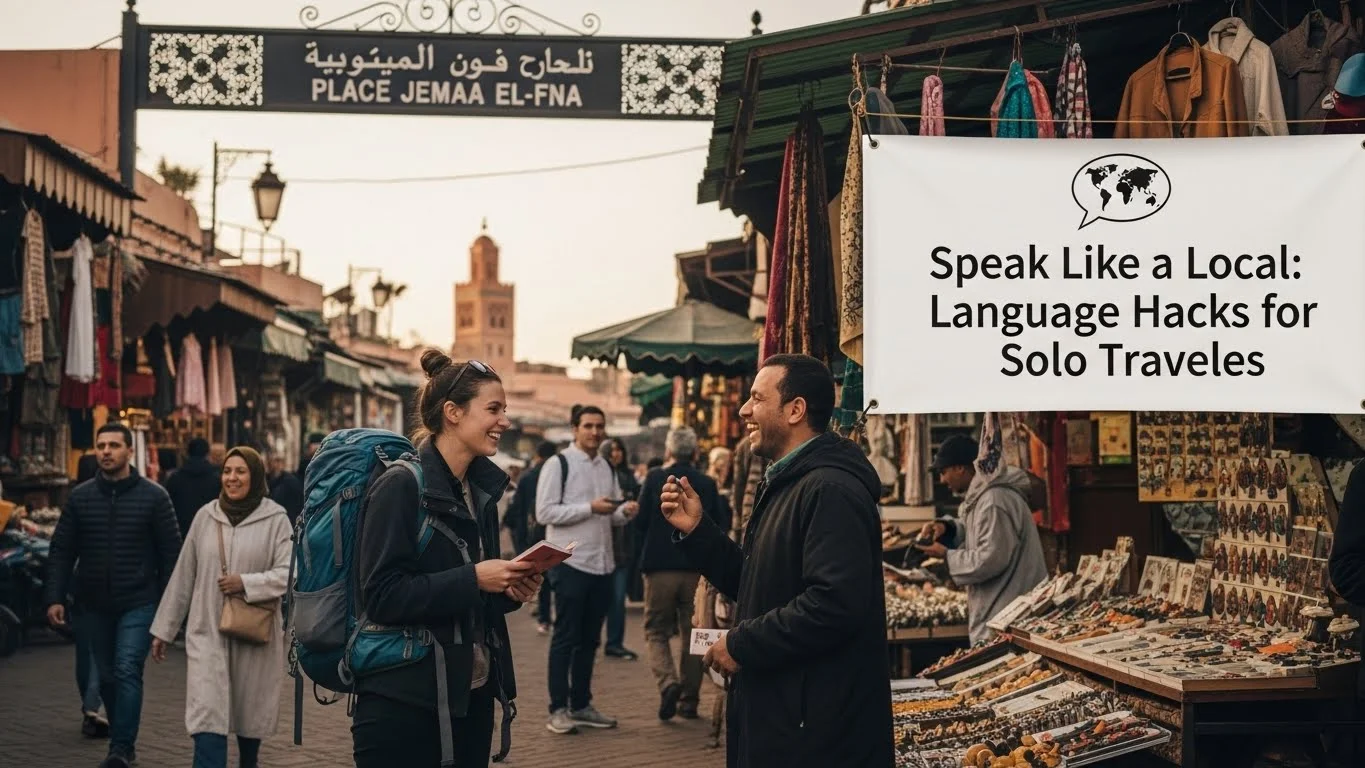
One of the best ways to bridge the gap when language fails us is to rely on non-verbal communication. I remember a time in a bustling market in Marrakech, where my attempts to negotiate prices in Arabic fell flat. So, I resorted to gestures, pointing at items and using facial expressions to convey excitement or confusion. It was surprising how much could be communicated with a smile or a thumbs-up! Non-verbal cues can express gratitude, urgency, or even playfulness, making interactions more dynamic and engaging.
Body language also plays a critical role. I found that leaning slightly forward while speaking can show interest, while maintaining an open posture invites a positive response. Mimicking a local’s gestures, when appropriate, can also create a sense of camaraderie. Remember, a lot can be said without words!
How to Use Simple Words and Phrases
When faced with a language barrier, I’ve learned that keeping it simple is often the best approach. Using basic vocabulary and short phrases can significantly improve communication. For instance, instead of trying to formulate complex sentences, I focus on key words. For example, when asking for directions, I might only say “taxi” or “bus” followed by my destination. This approach not only simplifies the conversation but also makes it easier for the other person to understand.
During my travels in Eastern Europe, I discovered that locals appreciated my efforts to speak their language, even when I stumbled over the words. I often started with a simple greeting and then followed up with the essentials. This strategy helped me get the information I needed without overwhelming myself or the person I was speaking to.
Building Confidence When Speaking
Confidence can be a game-changer when it comes to speaking a foreign language. I know firsthand how nervous I can get when trying to converse in a new language. One of the most effective ways I’ve found to build that confidence is through practice. I started by speaking with myself—repeating phrases I learned, practicing pronunciation, and even role-playing conversations. This may sound odd, but it helped me feel more comfortable when it came time to speak to a real person.
Another helpful tip is to remind myself that it’s okay to make mistakes. I’ve often found that locals appreciate my attempts, even when they come with a heavy accent or incorrect grammar. The willingness to try often leads to laughter and friendly exchanges, which makes for a more enjoyable experience overall. Embracing my imperfections has been liberating and has encouraged me to engage more with those around me.
Engaging with Locals: Building Connections
One of the most rewarding parts of traveling is connecting with locals. I’ve found that these interactions can enrich my travel experience in ways I could never have imagined. Here are some tips I’ve discovered for engaging with the people of the places I visit.
Participating in Local Events and Gatherings
Getting involved in local events is a fantastic way to meet people and practice the language. I remember attending a cultural festival in Peru where I was able to participate in traditional dances and cooking demonstrations. Not only did I learn new vocabulary, but I also made friends who were eager to share their stories and culture with me. These gatherings often have a friendly atmosphere that encourages interaction, which is a perfect setting for practicing language skills.
Additionally, many cities have community events, art shows, or workshops that welcome visitors. I believe that immersing myself in these experiences helps break down barriers and fosters genuine connections.
Using Social Media to Connect with Locals
In today’s digital age, social media can be a powerful tool for connecting with locals before you even arrive at your destination. I’ve used platforms like Facebook and Instagram to join local groups or follow community pages related to my travel interests. This not only helps me stay informed about local happenings but also allows me to connect with residents who share similar interests.
For instance, I once reached out to a local artist in Barcelona via Instagram, expressing my admiration for their work. To my surprise, they invited me to their studio for a chat! It was a wonderful opportunity to practice my Spanish while learning about their craft. Using social media to build relationships can lead to unique experiences that go beyond the typical tourist path.
Finding Language Partners in Hostels or Cafés
Hostels and cafés can be great places to find language partners. I’ve met fellow travelers and locals alike in these casual settings, often striking up conversations that turned into language exchanges. I remember sitting in a café in Lisbon, where I met a student eager to practice English. We ended up spending hours chatting, helping each other with our respective languages. It was not only a fun experience but also a great way to learn colloquial terms and phrases that books or apps might not teach.
In my experience, being open to conversations and actively seeking out opportunities to engage with others has led to some of the most memorable moments of my travels. It’s amazing how language can serve as a bridge to new friendships and cultural exchanges.
Frequently Asked Questions
What are some tips for understanding local dialects during travel?
Understanding local dialects involves listening closely to the way words are spoken and making an effort to decipher regional expressions and vocabulary. Engaging with locals and practicing can help you connect better and enhance your travel experience.
How can accents affect communication while traveling?
Accents can significantly impact how well you are understood. Mimicking the local accent can improve communication, as others may find it easier to understand you, and it shows respect for their way of speaking.
What are essential phrases every traveler should know?
Essential phrases include basic greetings, polite expressions like “please” and “thank you,” questions for directions, and ordering food. These phrases help facilitate communication and create a more enjoyable travel experience.
What language learning apps are recommended for travelers?
Duolingo and Babbel are highly recommended language learning apps for travelers. Duolingo offers engaging short lessons, while Babbel focuses on conversation skills relevant to real-life situations.
How can offline translation tools help while traveling?
Offline translation tools like Google Translate allow you to download language packs for use in areas with limited internet access. This can be incredibly helpful for communicating without the need for a constant internet connection.
What is the significance of cultural context and etiquette in communication?
Understanding local etiquette and customs is crucial for effective communication. It helps avoid misunderstandings and shows respect for the culture, enhancing interactions with locals.
What role does non-verbal communication play in overcoming language barriers?
Non-verbal communication, such as gestures and facial expressions, can bridge gaps when language fails. It allows for expressing emotions and intentions without words, making interactions more dynamic.
How can participating in local events improve language skills?
Participating in local events provides opportunities to meet people and practice the language in a friendly atmosphere. Engaging in cultural activities can lead to friendships and enhance your language learning experience.
How can social media be used to connect with locals before traveling?
Social media platforms can help you join local groups or follow community pages, allowing you to connect with residents and stay informed about local happenings. This can lead to unique experiences and cultural exchanges.
What are some effective strategies for building confidence when speaking a foreign language?
Practice speaking with yourself, keep vocabulary simple, and embrace mistakes. Building confidence comes from repeated use and the willingness to engage with locals, which fosters a supportive environment for learning.
These experiences are all part of the journey, and they can lead to unforgettable memories. If you’re keen to learn more about how to eat well while traveling on a budget, Read Interesting article: Delicious and Cheap: Eating Well on a Backpacker’s Budget.