
Backpacking can be one of the most thrilling adventures, but it also comes with its share of risks. To ensure your journey is both fun and safe, I’ve gathered some essential health tips to keep in mind as you prepare for your next expedition. Read Interesting article: Essential Health Precautions for Budget Backpackers Abroad
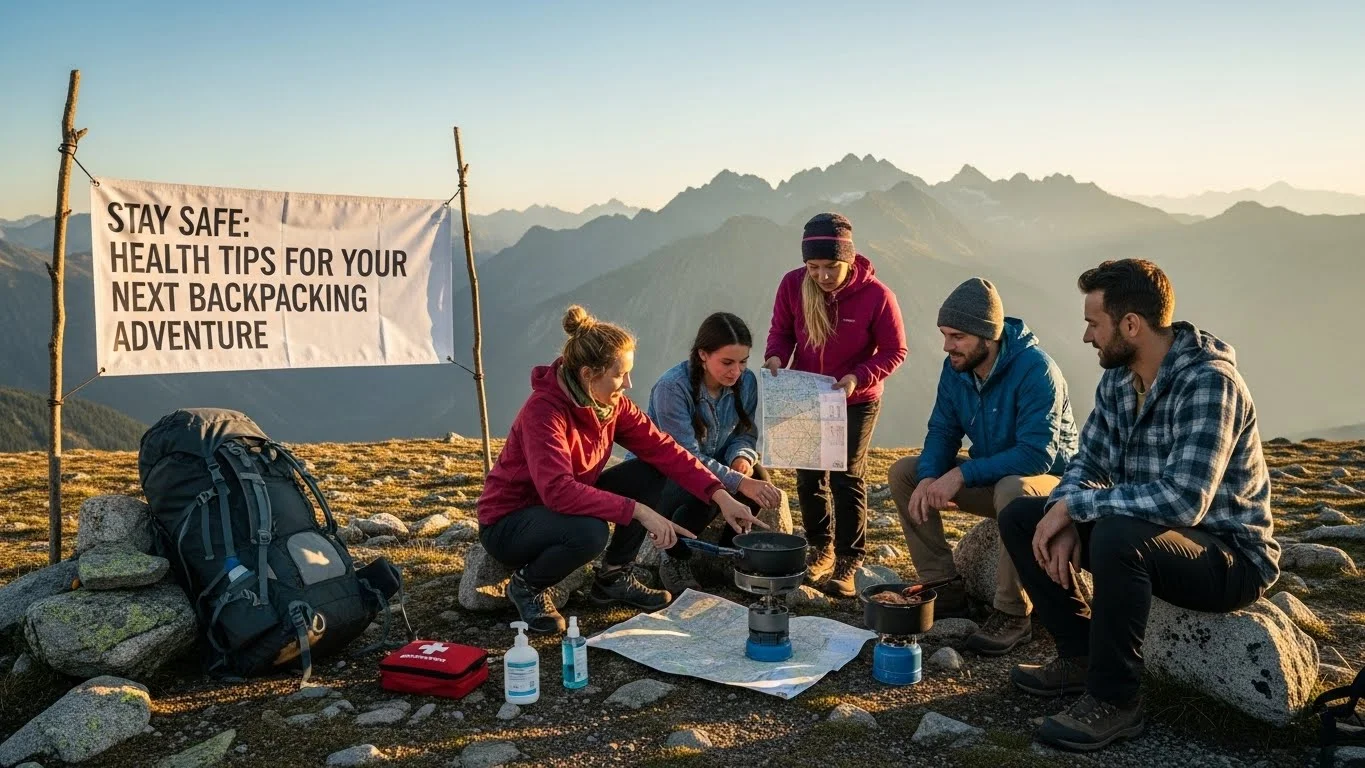
Preparing for Your Backpacking Adventure
As I prepare for a backpacking trip, I often find that the excitement of exploring new territories can overshadow the need for proper preparation. This is where I learned the importance of gathering the right gear and understanding what I need for a safe adventure. I believe that preparation is the foundation of a successful trip, and it all starts with the right equipment.
Essential Gear for Safety
When it comes to backpacking, safety gear is non-negotiable. I remember my first trip, where I underestimated the importance of gear. After that experience, I made it a point to prioritize the essentials.
- First Aid Kit: A well-stocked first aid kit should be at the top of your list. Include band-aids, antiseptic wipes, gauze, adhesive tape, pain relievers, and any personal medications. I once had a friend trip and fall while hiking, and having a first aid kit on hand was a lifesaver.
- Fire Starter: Whether it’s matches, a lighter, or a fire starter kit, being able to make a fire is crucial for warmth and cooking. I often carry a flint striker as it’s reliable even in wet conditions.
- Multi-Tool: A good multi-tool can serve various purposes, from preparing food to making repairs. I use mine more than I expected!
- Headlamp or Flashlight: Good visibility at night can prevent accidents. I always carry extra batteries because you never know when you’ll need them.
- Emergency Blanket: These lightweight blankets can retain body heat in case of unexpected weather changes or emergencies. I’ve never had to use mine, but it gives me peace of mind.
Choosing the Right Backpack
The backpack is your home away from home on the trail. Picking the right one can make or break your experience. I remember when I chose my first backpack based solely on its looks, only to find it uncomfortable during long hikes. I learned to prioritize comfort and functionality over style.
- Size and Capacity: Consider how long your trip will be. A day hike requires a smaller pack, while multi-day trips need larger capacities. I usually opt for a 60-70 liter backpack for extended trips.
- Fit: Make sure the backpack fits well on your torso. A bad fit can lead to discomfort and pain. I recommend trying it on and adjusting the straps before hitting the trail.
- Accessibility: Look for pockets and compartments that allow you to easily access water, snacks, and gear. I love having side pockets for my water bottles; it keeps me hydrated without digging through my bag.
First Aid Kit Essentials
Building a first aid kit is one of those things I wish I had taken more seriously earlier on. Having the right supplies can make a world of difference in an emergency. Here’s what I include in my kit:
- Antiseptic wipes and spray
- Elastic bandages and splints
- A variety of adhesive bandages in different sizes
- Burn cream and insect bite relief
- Personal medications and a copy of prescriptions
Over the years, I’ve learned that it’s not just about having the kit, but knowing how to use the items inside. I recommend taking a basic first aid course or watching tutorials. It’s empowering to know I can help myself or others in a tight spot.
Health Tips Before You Go
Preparing for a backpacking trip isn’t just about gear; it’s also about ensuring our health is in check before we hit the trails. I’ve been guilty of rushing this part in the past, but I found that taking the time to get my health in order makes a significant difference.
Vaccinations and Medications
Before heading out, I always check if any vaccinations are recommended for my destination. Some areas might require specific shots, like tetanus or even more specialized ones depending on the region. I remember a trip where I didn’t check, and I ended up feeling anxious the whole time. It’s better to be safe than sorry!
Physical Fitness and Training
Physical fitness can greatly affect my backpacking experience. I tend to start training at least a month before my trip, focusing on building strength and endurance. I try to incorporate hiking, running, and even some strength training into my routine. It’s important to listen to my body and gradually increase the intensity. After all, no one wants to feel exhausted on the first day of a long hike.
Nutrition and Hydration Preparation
Keeping my body fueled is crucial. I pay attention to my nutrition in the weeks leading up to my trip, focusing on balanced meals. I also make sure to hydrate well beforehand. It’s surprising how often I forget to drink enough water! I’ve learned that being well-hydrated can significantly boost my energy levels on the trail. Read Interesting article: Essential Safety Tips for Family Backpacking Adventures
As I embark on each adventure, I find that these preparations not only keep me safe but also enhance my overall experience. I hope you find these tips helpful as you plan your next backpacking journey!
Staying Safe While Backpacking
When I hit the trails, one of my top priorities is staying safe. Backpacking is an incredible way to connect with nature, but it also requires awareness and caution. Over the years, I’ve experienced firsthand the importance of being prepared for whatever might come my way. Here are some strategies I’ve found helpful in ensuring my safety while backpacking.
Understanding Your Destination
Before embarking on any trip, I always research my destination. Each location has its own unique challenges and features. I remember a time when I hiked in a national park without checking the terrain beforehand. I was unprepared for the steep inclines and rocky paths. Now, I make it a point to familiarize myself with the area’s geography, climate, and wildlife. This knowledge helps me pack appropriately and set realistic expectations for my adventure. I also check for any local guidelines or regulations that might affect my trip.
Choosing Safe Trails and Campsites
Picking safe trails and campsites is crucial for a worry-free backpacking experience. I always opt for well-marked trails and established campsites. There’s comfort in knowing that I’m not wandering into uncharted territory. I also consult local maps and apps that provide information on trail conditions. On one occasion, I ended up on a less-traveled path that led to a dead end. It was an eye-opener for me. Nowadays, I pay attention to trail ratings and read reviews from fellow hikers. This practice helps me gauge the difficulty level and ensure I choose paths suited to my experience and fitness level.
When selecting a campsite, I look for flat ground away from water sources, as this can help prevent flooding and keep me safe from wildlife. I also pay attention to the wind direction and try to set up my tent in a sheltered spot to avoid strong gusts. I’ve learned that a little extra care in choosing my site can make a significant difference in my comfort and safety.
Traveling in Groups vs. Solo
I’ve dabbled in both solo and group backpacking trips, and each has its own advantages and challenges. Traveling with a group can enhance safety, as there’s strength in numbers. It’s comforting to have fellow adventurers around to share the experience with and to help in emergencies. I recall a trip where one of my friends sprained her ankle. Having a group meant we could support her and make the necessary adjustments to our plans. Together, we helped her back to the trailhead safely.
On the other hand, solo hiking can be incredibly rewarding and freeing. I appreciate the solitude and the opportunity to connect deeply with nature. However, it requires heightened awareness and preparation. When I hike alone, I make sure to share my itinerary with someone who isn’t going with me. It’s essential to keep someone informed of my plans and expected return time. I also carry a reliable map and compass instead of relying solely on my phone, as reception can be spotty in remote areas. Taking these precautions gives me peace of mind while I enjoy my solo adventures.
Personal Safety Measures
Wildlife Awareness and Interactions
Encountering wildlife is one of the thrilling aspects of backpacking, but it can also be dangerous if not handled properly. I’ve learned to respect wildlife and keep a safe distance. Before each trip, I research the animals I might encounter in the area, such as bears, snakes, or moose. Knowing their behaviors and how to react can be life-saving. For instance, I always carry bear spray in bear country, and I’ve practiced how to use it effectively. I once witnessed a bear rummaging through a campsite while I was hiking, and I was grateful to feel prepared and knowledgeable about what to do in that situation.
Emergency Communication Tools
In the wilderness, staying connected can be challenging, but I never underestimate the importance of communication tools. I always carry a whistle, which can be vital in signaling for help if I get lost or injured. Additionally, I’ve invested in a satellite communicator, which allows me to send messages or alerts even when there’s no cell service. It’s a comforting thought knowing I can reach out for help if needed. I always keep these tools within reach, ensuring I can access them quickly in case of an emergency.
Navigation Skills and Tools
Having solid navigation skills is a game-changer for my backpacking adventures. I’ve encountered plenty of trails that can be confusing, especially when the paths aren’t well-marked. I make it a habit to carry a physical map and a compass, as technology can sometimes fail. I remember getting turned around in dense woods once, and it was a learning moment for me. I took the time to learn basic navigation skills, including how to read a topographic map and use a compass effectively. This knowledge gives me confidence on the trail, and I highly recommend practicing these skills before heading out.
Managing Health on the Trail
Once I’m on the trail, staying healthy is just as important as the preparations I made beforehand. I’ve learned that managing my health during the hike can make all the difference in enjoying my adventure. Here’s what I do to stay in top shape while backpacking.
Dealing with Altitude Sickness
As I’ve ascended to higher elevations, I’ve encountered altitude sickness firsthand. It’s no joke! I remember feeling dizzy and nauseous on my first high-altitude hike, and it put a damper on what should have been a breathtaking experience. To mitigate the risk, I’ve learned to ascend gradually. Whenever I can, I try to spend a day acclimatizing at a higher elevation before pushing further up. Staying hydrated is also vital, as dehydration can worsen symptoms. I always carry electrolyte tablets to add to my water, giving me that extra boost. If I feel symptoms creeping in, I make sure to descend to a lower altitude immediately. Listening to my body has become an essential part of my hiking routine.
Preventing and Treating Injuries
Injuries can happen to anyone, even the most prepared adventurers. I’ve had my share of scrapes and bruises over the years, and it taught me the importance of being proactive. To prevent injuries, I pay close attention to my footing and always warm up before embarking on a hike. Stretching has become a part of my pre-hike ritual, especially for my legs and back. I also invest in quality footwear, as proper hiking boots or shoes can make a significant difference. They provide the support I need on uneven terrain.
In case injuries occur, I always carry a few items in my first aid kit specifically for treatment: elastic bandages for sprains, blister pads, and pain relief options. If I twist my ankle or develop a blister, I know I can manage it quickly. I find that taking a moment to rest and apply treatment helps me bounce back faster, keeping my spirits high on the trail.
Staying Hydrated in Various Conditions
Hydration is crucial during any hike, but I’ve learned that it’s not just about drinking water. The weather and my activity level can greatly affect how much I need. In hotter conditions, I find myself sweating more, so I increase my water intake. I also keep an eye on the color of my urine; it’s a simple way to gauge my hydration levels. If I notice it getting dark, it’s a clear sign I need to drink more.
In colder weather, I might not feel as thirsty, but I still need to stay hydrated. I often use insulated water bottles to keep my water from freezing, and I make sure to sip regularly. I also enjoy herbal teas or warm soups during breaks; they not only hydrate but also provide comfort and warmth. I’ve realized that staying aware of my hydration needs in various conditions makes my hikes much more enjoyable.
Food Safety While Backpacking
Food safety is another aspect I take seriously while backpacking. I love the challenge of cooking meals outdoors, but I’ve learned the hard way that improper food handling can lead to discomfort. Here are some strategies I follow to ensure I enjoy safe and delicious meals.
Choosing Safe Foods to Pack
While planning my meals, I prioritize non-perishable items and those that are easy to prepare. I often lean towards freeze-dried meals and packaged snacks because they have a long shelf life and require minimal preparation. I also make sure to pack foods that provide a good balance of carbohydrates, proteins, and fats—like nuts, dried fruits, and energy bars. I remember one trip when I packed fresh fruits, thinking they would be refreshing, but they ended up bruised and mushy by day two. Now, I stick to sturdier options that can withstand the rigors of my pack.
Cooking and Food Storage Tips
When it comes to cooking, I’ve discovered that cleanliness is key. I always rinse my hands and utensils before preparing food, even if it’s just with a bit of water. I usually pack a small sponge and biodegradable soap to wash my stove and pots after each meal. Keeping my cooking area clean helps minimize the risk of attracting unwanted wildlife, which I’ve learned can be a real concern. I also store my food in sealed, odor-proof containers to keep it fresh and secure.
For storage, I hang my food in a bear bag or use a bear-proof canister if I’m in bear country. This step is crucial, as I’ve heard stories of campers losing all their food to curious animals. Knowing my food is secured not only protects my meals but also gives me peace of mind while I sleep at night.
Frequently Asked Questions
What is the most important item to include in a first aid kit for backpacking?
A well-stocked first aid kit should include band-aids, antiseptic wipes, gauze, adhesive tape, pain relievers, and any personal medications.
How can I ensure my backpack fits properly?
Make sure the backpack fits well on your torso and adjust the straps before hitting the trail to avoid discomfort and pain.
What should I do to prepare my health before a backpacking trip?
Check if any vaccinations are recommended for your destination, focus on building physical fitness, and ensure proper nutrition and hydration in the weeks leading up to your trip.
What safety measures should I take regarding wildlife while backpacking?
Research the animals you might encounter, keep a safe distance, and carry bear spray if in bear country. Knowing how to react to wildlife can be life-saving.
What navigation tools should I carry while backpacking?
Always carry a physical map and a compass, as technology can fail. Learning basic navigation skills is essential for safe hiking.
How can I prevent altitude sickness while hiking?
Ascend gradually, spend a day acclimatizing at a higher elevation, stay hydrated, and carry electrolyte tablets to mitigate symptoms.
What types of foods should I pack for a backpacking trip?
Prioritize non-perishable items, freeze-dried meals, and packaged snacks that are easy to prepare and have a long shelf life.
What should I do to ensure food safety while cooking outdoors?
Rinse your hands and utensils before preparing food, keep your cooking area clean, and store food in sealed, odor-proof containers to minimize wildlife attraction.
Is it better to travel in a group or solo while backpacking?
Traveling in a group can enhance safety, while solo hiking offers freedom. Each has its advantages and requires different levels of preparation and awareness.
How can I manage hydration on the trail?
Increase water intake in hot conditions, monitor the color of your urine to gauge hydration levels, and use insulated water bottles in cold weather to keep water from freezing.
In addition, I recommend checking out Read Interesting article: Top Family Travel Safety Tips for Budget Backpackers for more insights on keeping your family safe while enjoying the great outdoors.