
Solo backpacking can be an exhilarating adventure, but safety is key to enjoying the experience. Here’s how to ensure your journey is both thrilling and secure. Read Interesting article: Top Safety Tips for Solo Backpacking Adventures on a Budget
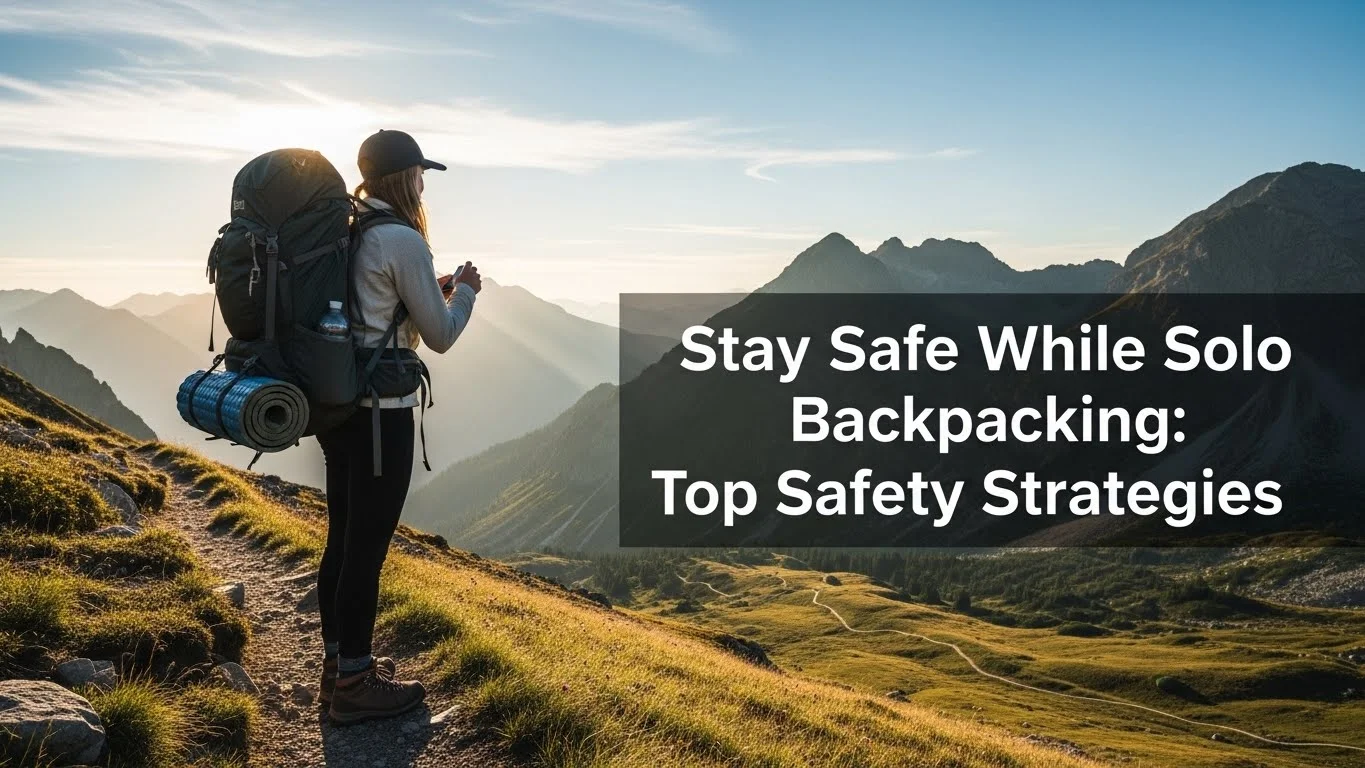
Understanding Solo Backpacking
Definition of Solo Backpacking
When I think of solo backpacking, I picture freedom. It’s the opportunity to travel alone, exploring new places at my own pace. Solo backpacking means carrying everything I need on my back and venturing into the wild, away from the cozy comforts of home. It’s about immersing myself in nature and culture, meeting new people, and pushing my limits. But it also comes with its unique set of challenges and safety considerations.
Benefits of Solo Backpacking
There’s nothing quite like the feeling of being on my own journey. Solo backpacking allows me to truly experience a destination without the influence of others. I can change my plans on a whim, explore hidden gems that aren’t in the guidebooks, and engage with locals in a way that feels more intimate. Some of the benefits I’ve found include:
- Self-Discovery: Traveling alone offers a chance to learn more about myself, my preferences, and my limits.
- Flexibility: I can decide my itinerary. If I want to linger at a stunning vista, I can.
- Building Confidence: Navigating new situations alone can boost my self-esteem and problem-solving skills.
- Meeting New People: When I’m on my own, I tend to be more open to connecting with fellow travelers and locals.
Common Concerns About Safety
While the benefits are abundant, I’ve also faced many concerns regarding safety when solo backpacking. I’ve worried about theft, getting lost, and even encountering dangerous wildlife. The key is to prepare and arm myself with knowledge. Here are some common concerns and how I address them:
- Personal Safety: I often think about how to keep myself safe in unfamiliar environments. This means being aware of my surroundings and trusting my instincts.
- Health Risks: Traveling alone can sometimes mean dealing with illnesses or injuries without immediate help. I learned it’s crucial to have proper health precautions in place.
- Navigation Challenges: Getting lost can be frightening. I’ve found the importance of having a reliable map and knowing how to read it before I set out.
Essential Safety Strategies for Solo Backpackers
Research and Plan Your Route
Before I embark on any solo backpacking trip, I make it a point to thoroughly research my route. This includes reading about the trails, checking weather conditions, and understanding the terrain. I remember my first big solo trip; I spent hours pouring over maps and travel blogs. This not only gave me insight into the best paths to take but also helped me identify potential hazards. I recommend using resources like local hiking forums and travel guides to gather tips from those who have been there before. Additionally, Backpacking Solo? Here’s How to Ensure Your Safety can provide more insights into preparation.
Choosing Safe Destinations
Choosing where to go is just as crucial as planning the route. I consider areas known for tourism and safety. Some destinations are more welcoming and have established infrastructures for solo travelers, which I personally find comforting. I always read up on travel advisories and reviews from other solo backpackers. For me, places with a good reputation for safety often lead to a better experience overall.
Understanding Local Cultures and Customs
Every culture has its norms and customs, and understanding these can greatly enhance my safety. I’ve found that showing respect for local traditions can create a sense of goodwill. Before my trips, I spend time learning about the customs of the places I plan to visit. This includes basic language phrases, social etiquette, and any local laws I should be aware of. It’s amazing how much this preparation can help me blend in and avoid unwanted attention.
From my experience, engaging with locals can also provide valuable insights on safety. They often have the best advice on areas to avoid or tips on navigating specific regions. I love making connections with people from different backgrounds, and understanding their culture has helped me feel more secure during my travels.
Preparation Before You Go
Travel Insurance: Why It Matters
One of the most important steps I take before any solo backpacking adventure is to get travel insurance. It might seem like an unnecessary expense, but in my experience, it’s worth every penny. I remember a trip where I twisted my ankle on a hiking trail. Having insurance meant I could get the medical help I needed without worrying about the costs piling up. Travel insurance can cover everything from medical emergencies to trip cancellations and lost luggage. I always recommend reading the fine print to ensure it fits my needs, especially regarding activities I plan to do during the trip.
Emergency Contacts and Local Resources
Before I head out, I make a list of emergency contacts, including local emergency numbers, the nearest hospital, and even the local embassy or consulate. I usually save this information on my phone and write it down on a piece of paper as a backup. I’ve learned that having these contacts readily available gives me peace of mind. In one situation, I had to reach out to a local resource for help with a lost passport, and knowing who to contact made all the difference. I also find it helpful to familiarize myself with local emergency services before I arrive. It’s nice to know what to expect if something goes wrong.
Health Precautions and Vaccinations
Health precautions can be a game changer when it comes to solo backpacking. Before I travel, I research any recommended vaccinations and health advisories for my destination. For example, I remember getting vaccinated for hepatitis A and typhoid before a trip to Southeast Asia. It’s a small step that made me feel safer while exploring. I also pack a small first-aid kit with essentials like pain relievers, antiseptic wipes, and any personal medications. Knowing I’m prepared always eases my mind, especially when I’m venturing into more remote areas where medical facilities might be limited. Essential Solo Travel Safety Tips for Budget Backpackers can also be a helpful guide in this regard.
Packing Smart for Safety
Choosing the Right Backpack and Gear
When it comes to packing, I firmly believe that choosing the right backpack can make or break my trip. I’ve gone through a few different backpacks, but I’ve found that a comfortable, durable pack with good support is essential. I typically opt for a backpack with multiple compartments, which helps me stay organized and access my gear easily. Additionally, I’ve learned to pack light and only bring what I truly need. This not only makes hiking easier but also reduces the risk of losing items. I usually lay everything out before I pack to ensure I don’t forget anything important.
Emergency Supplies to Include
Beyond my first-aid kit, I always pack a few emergency supplies that have proven invaluable on my journeys. A multi-tool or Swiss Army knife has come in handy more times than I can count. I also keep a whistle, a flashlight, and a portable charger in my pack. I remember a time when my phone died, and having a portable charger saved me from being completely cut off. It’s these little preparations that can make a big difference when you’re on your own in the wilderness.
Securing Your Valuables
Securing my valuables is another priority when I’m backpacking solo. I’ve learned the hard way to keep my important items—such as my passport, cash, and credit cards—close to me at all times. I usually use a money belt or a neck pouch that I can hide under my clothing. This way, I can enjoy my adventures without constantly worrying about pickpockets or losing my things. I also try to keep a small stash of cash in a separate spot, just in case something happens. Having a backup always gives me a sense of security.
Staying Safe While Traveling
Using Technology for Safety
I can’t stress enough how useful technology can be for safety during solo travels. I always download offline maps before heading into remote areas, so I’m never completely lost. Apps that share my location with friends or family give me extra peace of mind. I even have a personal safety app that can alert my emergency contacts if I’m in trouble. These tools have made me feel more secure on numerous occasions, especially when I’m hiking alone or navigating unfamiliar cities.
Staying Aware of Your Surroundings
Being aware of my surroundings is crucial for my safety when I’m out exploring. I’ve developed a habit of taking a moment to scan my environment, especially when I’m in crowded places or unfamiliar neighborhoods. Trusting my instincts has saved me from potentially unsafe situations. For example, I once felt uneasy in a bustling market and decided to leave. It turned out to be the right choice, as I later learned about a recent increase in petty theft in that area. I always advise fellow travelers to stay alert and listen to that little voice in their heads.
Managing Money and Payments Safely
I try to keep my spending organized while also being cautious with my money. Using a combination of cash and a credit card works best for me. I usually only carry a small amount of cash for daily expenses and keep the rest secured in my backpack. Additionally, I’ve found that notifying my bank of my travel plans helps avoid any issues with my cards while I’m abroad. I also avoid using public Wi-Fi for online banking, opting for secure networks instead. These simple practices keep my finances in check and reduce the risk of fraud.
Navigating Accommodations
Choosing Safe Places to Stay
Finding the right place to stay can greatly impact my overall experience while solo backpacking. I prioritize safety by researching accommodations before booking. I prefer hostels or guesthouses with good reviews specifically mentioning safety and security. It’s amazing how much the feedback from fellow travelers can help. I remember when I was looking for a place in a bustling city; I found a cozy hostel that not only had a great location but was also praised for its staff and security measures. I always check for features like 24-hour reception, secure lockers, and good lighting in common areas, as these little details can make all the difference.
Understanding Hostel Etiquette
Staying in hostels can be a fantastic way to meet people, but it also comes with its own set of unwritten rules. I’ve learned that being respectful of shared spaces is crucial. For instance, I make sure to keep my noise level down, especially in dorm rooms where others might be sleeping. I also try to be mindful of my belongings; it’s easy to forget that not everyone has the same intentions as I do. Lockers are my best friend when it comes to safeguarding my valuables, and I’ve found that keeping my area tidy shows respect to my fellow travelers.
Connecting with Other Travelers
One of the biggest perks of solo backpacking is the chance to connect with other travelers. I’ve often struck up conversations in shared kitchens or lounges, which have led to some unforgettable adventures. I find that being open and approachable helps me meet new people. Sometimes, just a smile or a simple “Where are you headed next?” can spark a great friendship. I also enjoy attending organized activities offered by hostels, like group hikes or city tours. These not only enhance my safety but also foster a sense of community among travelers.
Transportation Safety Tips
Choosing Safe Transportation Options
Transportation is a vital part of any solo backpacking journey, and I’ve learned the importance of choosing safe options. Whenever possible, I prefer reputable taxi services or rideshare apps over hailing random cabs on the street. I remember arriving in a new city late one night and opting for a rideshare instead of public transport. It felt safer, especially in an unfamiliar environment. I always do a little research on local transportation options ahead of time to understand which ones are considered the safest.
Ridesharing and Public Transport Safety
Using public transport is often an adventure in itself, but I’ve picked up a few tips to keep myself safe. I try to travel during daylight hours whenever possible and stay aware of my surroundings. I often keep my belongings close and avoid displaying valuable items like expensive cameras or jewelry. On one trip, I rode a crowded bus and made sure to hold my backpack tightly while standing. It’s these little precautions that help me feel more secure during my travels.
Walking and Biking Safety
Exploring on foot or by bike can be one of the most rewarding aspects of solo travel. I enjoy discovering hidden corners of a city that I might miss when using public transport. However, staying safe while walking or biking is crucial. I always plan my routes ahead of time and try to stick to well-lit, populated areas. If I’m biking, wearing a helmet is non-negotiable; I’ve seen too many accidents while out exploring. I also try to blend in with the locals by not overly attracting attention to myself, which includes dressing appropriately for the area I’m in.
Dealing with Emergencies
What to Do in Case of Theft
Theft is a concern I’ve had while traveling solo, and it’s something I take seriously. I’ve learned to act quickly if I ever find myself in that situation. If my belongings are stolen, I first assess the situation—ensuring my personal safety is always the priority. I try to remain calm and gather any necessary information for a police report. I also reach out to my travel insurance provider as soon as possible to understand the next steps. One time, I had my wallet stolen while in a crowded market, and I was grateful I had secured a backup stash of cash and cards in a different location.
Handling Medical Emergencies
Medical emergencies can be daunting, especially when I’m far from home. I always carry a basic first-aid kit and know the location of nearby hospitals or clinics. I remember feeling a bit under the weather during a trip; knowing where to go for help eased my worries. It’s also essential for me to have a local SIM card or access to Wi-Fi so that I can call for help if necessary. I’ve found that being prepared and knowing how to communicate my needs in the local language can significantly reduce panic during medical emergencies.
Getting Help from Locals and Authorities
When I encounter difficulties, I’ve learned that locals and authorities can be invaluable resources. Most people are willing to help if I ask politely. I’ve had instances where a local guided me to the nearest hospital when I was confused. I always keep a few basic phrases in the local language handy to facilitate communication. Building rapport with locals not only makes it easier to get help, but it can also lead to unexpected friendships and enriching experiences during my travels.
Frequently Asked Questions
What is solo backpacking?
Solo backpacking is the opportunity to travel alone, carrying everything needed on your back and exploring new places at your own pace. It involves immersing oneself in nature and culture while facing unique challenges and safety considerations.
What are some benefits of solo backpacking?
Benefits of solo backpacking include self-discovery, flexibility in travel plans, building confidence, and the opportunity to meet new people by being more open to connections.
What are common safety concerns for solo backpackers?
Common safety concerns include personal safety, health risks, and navigation challenges, such as getting lost. It is important to prepare and be aware of these issues before embarking on a trip.
How can I prepare my route for solo backpacking?
Thoroughly research your route by reading about trails, checking weather conditions, and understanding the terrain. Utilize resources like local hiking forums and travel guides to gather insights and tips from experienced travelers.
Why is travel insurance important for solo backpackers?
Travel insurance is crucial as it can cover medical emergencies, trip cancellations, and lost luggage. Having insurance provides peace of mind, especially when faced with unexpected situations.
What should I do before heading out on a solo backpacking trip?
Before heading out, create a list of emergency contacts, familiarize yourself with local resources, and research any necessary health precautions and vaccinations for your destination.
What safety gear should a solo backpacker consider packing?
A solo backpacker should pack a comfortable backpack, a first-aid kit, emergency supplies like a multi-tool, flashlight, portable charger, and secure their valuables using money belts or neck pouches.
How can technology enhance safety during solo travels?
Technology can enhance safety by providing offline maps, location-sharing apps, and personal safety applications that alert emergency contacts if needed. These tools help ensure a safer experience while navigating unfamiliar areas.
What should I consider when choosing accommodations for solo backpacking?
When choosing accommodations, prioritize safety by researching places with good reviews regarding security. Look for features like 24-hour reception, secure lockers, and adequate lighting in common areas.
What should I do in case of theft while traveling solo?
If theft occurs, prioritize personal safety, remain calm, and gather information for a police report. Reach out to your travel insurance provider as soon as possible to understand the next steps and utilize backup cash or cards if needed.