
Solo traveling can be a thrilling adventure, but it also comes with its own set of challenges. Staying safe while embarking on your backpacking journey is essential to ensure a memorable experience. For more insights on how to stay secure during your travels, check out Essential Solo Travel Safety Tips for Adventurous Backpackers.
Understanding the Risks of Solo Travel
Common Safety Concerns for Backpackers
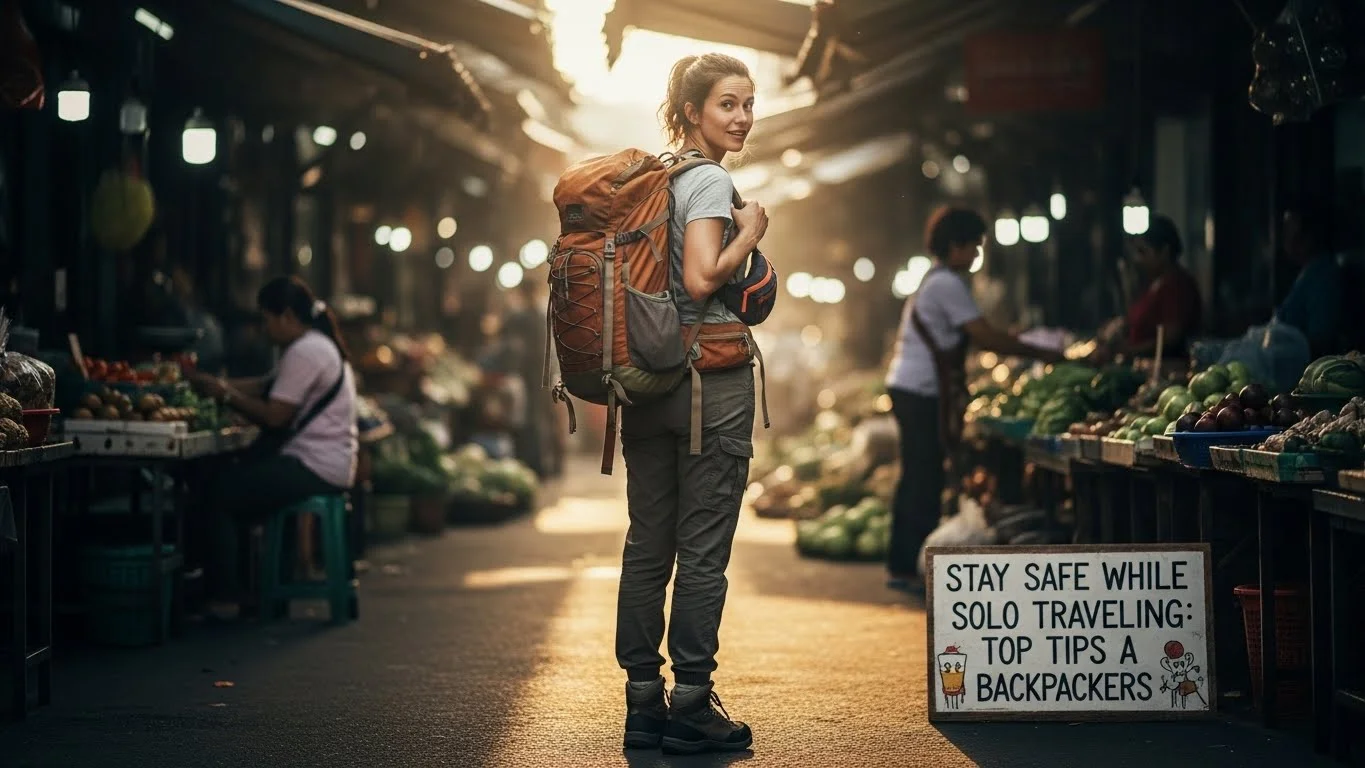
When I first set out on my solo backpacking adventure, I was filled with excitement but also a fair amount of anxiety. I quickly learned that solo travel can come with unique safety concerns. For instance, theft is a common issue, especially in crowded places or tourist hotspots. I remember walking through a bustling market, feeling my bag tugged at. Thankfully, I noticed quickly, but it made me acutely aware of my surroundings. Issues like scams and language barriers are other concerns that often catch solo travelers off guard. I found that being aware of my surroundings and keeping my belongings close made a huge difference in my comfort level.
Psychological Aspects of Traveling Alone
Traveling alone can stir various emotions. At times, I felt empowered and independent, reveling in the freedom to explore at my own pace. On other occasions, loneliness crept in, especially during quieter moments. I realized that many backpackers experience this rollercoaster of emotions. It’s crucial to prepare yourself mentally for these ups and downs. I found journaling my experiences helped me process my feelings and stay motivated. Connecting with other travelers, even for a brief chat, made my journey feel less isolating. Remember, it’s perfectly normal to experience a range of emotions when traveling solo; it’s part of the adventure!
Preparation Before You Go
Researching Your Destination
Before I embarked on my travels, I spent hours researching my destination. I learned about the local customs, culture, and, most importantly, safety tips. Understanding the local laws and norms was essential; it helped me avoid unintentional faux pas. I remember reading about a country’s dress code and realized I needed to pack differently to respect the local culture. Checking travel blogs and forums gave me real insights from fellow travelers. I often found that talking to people who had traveled there recently provided me with the best advice. This preparation made me feel more confident about my journey.
Health and Safety Precautions
Health is another critical aspect of preparation. I made sure to visit my doctor before my trip to get any necessary vaccinations and medications. I also packed a basic first-aid kit, which included essentials like band-aids, pain relievers, and any prescription medications I needed. It was comforting to know I was prepared for minor health issues. Additionally, I made copies of my important documents—passport, insurance, and emergency contacts. I kept one set with me and left another with someone I trusted back home. This small step provided peace of mind; if anything went wrong, I knew I had access to vital information.
Packing Smart: Essential Gear and Documents
Packing smart can make or break your experience. I learned to limit what I brought, focusing on essentials. A lightweight backpack was my best friend; it made navigating transport and crowded areas much easier. I packed versatile clothing that could be mixed and matched. Also, I invested in a good travel wallet to keep my money and documents organized and secure. I found that packing a portable charger and a power bank was a game-changer, especially during long travel days. I always kept my phone fully charged, allowing me to stay connected and use navigation apps without worry. For more tips on staying connected, check out Top Tips for Staying Connected While Traveling Solo.
Travel Insurance: Why You Need It
Travel insurance is something I can’t recommend enough. On my first solo trip, I was hesitant to spend the extra money on insurance, but I quickly realized its importance. It’s not just for medical emergencies; it also covers trip cancellations, lost belongings, and more. When my flight was canceled and I faced unexpected expenses, my insurance saved me a significant amount of money. I learned that it’s always better to be safe than sorry. Before you leave, take the time to find a policy that suits your needs; you’ll thank yourself later for the peace of mind it brings.
Choosing Safe Destinations
Top Safe Countries for Solo Backpackers
When I was planning my solo backpacking trip, choosing the right destination was at the top of my list. I wanted to explore places that were not only beautiful but also known for being safe for solo travelers. I found that countries such as Japan, New Zealand, and Portugal stood out as great options. Japan offers a unique blend of ancient traditions and modern comforts, and I felt completely at ease wandering through its cities. New Zealand’s stunning landscapes and friendly locals made it a favorite of mine as well. I remember hiking in the breathtaking national parks and feeling a sense of peace that’s hard to describe. Portugal, with its rich history and vibrant culture, made me feel welcome at every turn. I think it’s important to do research and seek out destinations with low crime rates and a reputation for being friendly toward tourists. If you’re looking for budget-friendly options, Discover Budget-Friendly Solo Travel Itineraries Today.
Understanding Local Cultures and Customs
Before visiting a new country, I realized the importance of understanding its culture and customs. Each place has its own unique set of social norms, and being aware of them can help avoid misunderstandings. For instance, when I traveled to Thailand, I learned about the significance of the wai — a traditional greeting done by pressing palms together and bowing slightly. I found that when I participated in local customs, it not only enriched my experience but also helped me connect with the locals. I recommend taking some time to learn a few key phrases in the local language, as it shows respect and often leads to friendlier interactions. Understanding these cultural nuances helped me navigate my travels more smoothly and made my encounters memorable.
Checking Travel Advisories and Alerts
Staying informed about the safety of my chosen destination is essential. I always check travel advisories from my government or reliable travel resources. I remember when I was considering a trip to a country that had some political unrest. Reading the advisory made me reconsider my plans and choose a different route. While I didn’t want to let fear dictate my travels, I also didn’t want to put myself in unnecessary danger. Travel advisories can provide insights not only on safety but also on health concerns or natural disasters. Staying informed ensures I can make educated decisions about where to go and what to do.
Staying Safe While Traveling
Accommodation Safety Tips
Finding safe accommodation is crucial to having a worry-free trip. I’ve stayed in various places, from hostels to hotels, and I always prioritize safety. When booking, I look for places with good reviews, especially those that mention safety features like secure locks or 24-hour reception. I remember one hostel I stayed at had lockers for each guest, allowing me to store my valuables safely. Upon arrival, I always familiarize myself with the area and make note of emergency exits. I also try to avoid sharing too much personal information with strangers at the accommodation, keeping my plans private unless necessary. Establishing a routine and knowing my surroundings helps me feel more secure during my travels.
Using Transportation Wisely
Transportation can be a significant part of our journeys, and I’ve learned to be cautious while navigating new places. I prefer to use reputable transportation services, such as licensed taxis or ride-sharing apps, especially at night. I remember my first time using public transportation in a foreign city; I felt nervous but excited. I made sure to plan my route in advance and keep an eye on my belongings. Additionally, I found that traveling during daylight hours is generally safer. If I have to travel alone at night, I opt for well-lit, populated areas and avoid empty streets. Being mindful of my surroundings helps me stay alert and reduces the risk of encountering any issues.
Keeping Your Belongings Secure
I quickly learned that keeping my belongings secure is essential while traveling solo. I developed a habit of using a money belt or a hidden pouch to store my important items like my passport, cash, and credit cards. I always kept my bag close, especially in crowded places. I remember being in a busy train station and noticing how easy it could be for someone to slip in and out without being detected. I also recommend using a lock for your backpack, especially when leaving it in shared accommodations. Taking these small precautions helped me feel more at ease knowing my belongings were secure.
Staying Connected: Communication Tools
In this digital age, staying connected while traveling solo is easier than ever. I always ensure my phone is equipped with a local SIM card or an international plan. Having access to the internet allowed me to navigate, research, and keep in touch with friends and family. I also downloaded useful travel apps for translation, maps, and even emergency contacts. I remember being in a foreign city and getting lost. Thankfully, I could quickly access GPS on my phone, which guided me back to my accommodation. Staying connected not only helps with navigation but also provides a sense of security, knowing I can reach out for help if needed.
Social Interactions and Safety
Meeting People: Where to Connect
One of the best parts of solo travel is the opportunity to meet new people. During my journeys, I found that connecting with others can enhance the experience in a way I never expected. I often stayed in hostels, where I discovered a vibrant community of fellow travelers. Common areas were perfect for striking up conversations, sharing stories, and even planning group outings. I remember bonding with a few backpackers over breakfast, and we ended up exploring a local market together, which made the experience feel more enriching.
In addition to hostels, I also sought out local events, like food festivals and cultural performances. I learned that joining group tours can be an excellent way to meet others while exploring a destination safely. I found platforms like Meetup.com and Couchsurfing to be invaluable for finding local gatherings or events. These social opportunities allowed me to connect with both locals and fellow travelers, which made my adventure feel less lonely and more vibrant.
Recognizing Red Flags in New Friendships
While meeting new people can be exciting, it’s essential to be cautious about whom I trust. I remember a situation where I met someone who seemed friendly but quickly became overly familiar. They wanted to know too much about my travel plans and seemed insistent on spending all their time with me. That’s when I realized the importance of being aware of red flags in new friendships.
Some signs to watch for include anyone who pressures you to change your plans or go somewhere you’re uncomfortable with, or individuals who ask for personal information too soon. I learned to trust my instincts—if something feels off, it probably is. Setting boundaries early on can help maintain a healthy distance and ensure my safety. I often opted for group settings when meeting new people, which offered an extra layer of comfort and security.
Handling Unwanted Attention or Advances
Unfortunately, unwanted attention can be part of solo travel, and I faced this on a few occasions. I remember being at a popular tourist spot when someone approached me in a way that felt invasive. Initially, I was unsure how to respond, but I learned that it’s okay to be direct and assertive. I simply said, “I’m not interested,” and walked away. It was empowering to stand my ground.
I found that having a plan for such situations helped me feel more comfortable. This could be anything from having a friend on speed dial to simply practicing a few phrases I could use to deflect unwanted advances. Additionally, blending into the local culture and dressing modestly in certain countries can sometimes deter unwanted attention. I also made a habit of staying near other groups of travelers, which made me feel safer and less isolated.
Emergency Preparedness
What to Do in Case of Theft
The thought of theft can be alarming, but preparing for it can help ease some of the anxiety. On one trip, I had my wallet stolen while visiting a crowded market. At first, I felt panic rise, but I remembered my preparation. I had made copies of my important documents and had a backup plan in place. I quickly reported the theft to local authorities, which turned out to be a helpful step.
In my experience, keeping a list of important contacts, including my bank and insurance company, made the process smoother. I learned that many banks have procedures in place to assist travelers in emergencies. Being aware of the local consulate or embassy also proved beneficial, as they can assist in replacing stolen passports. Overall, staying calm and knowing the steps to take can make a stressful situation more manageable.
Getting Help: Local Emergency Numbers
Knowing how to get help in a foreign country can be crucial. Before my travels, I took the time to research local emergency numbers—like police, fire, and medical services—for each destination. I wrote them down and kept them handy in my travel wallet and on my phone. I remember when I needed assistance for a minor medical issue, and thankfully, I could quickly access the information I had prepared.
It’s also wise to learn a few key phrases in the local language related to emergencies. I found that even knowing how to say “help” or “I need a doctor” can make a significant difference. Connecting with locals and asking for assistance can be a relief, and I’ve learned that most people are happy to help if I approach them respectfully.
Accessing Medical Care Abroad
While I hoped to avoid needing medical care while traveling, I knew it was a possibility. On one trip, I developed a mild illness and had to find a doctor. I was initially anxious, but my research beforehand paid off. I had located a few clinics near my accommodation and even checked reviews online. Upon visiting, I was surprised by the quality of care I received, and it gave me peace of mind knowing I had prepared.
I recommend keeping a list of potential healthcare facilities handy, along with any necessary medical information, like allergies or medications, in case of an emergency. Additionally, I made sure to have travel insurance that covered medical expenses. Knowing that I had this safety net made me feel more secure while exploring new places, allowing me to focus on enjoying my travels rather than worrying about the “what-ifs.”
Staying Aware and Alert
Trusting Your Instincts
One of the most valuable lessons I learned during my solo travels was the importance of trusting my instincts. There were moments when I felt uneasy about a situation or a person, and I quickly realized that those feelings were my brain’s way of protecting me. I remember one instance when I was approached by someone who seemed overly friendly in a less populated area. Something just didn’t feel right, so I politely excused myself and left the situation. Looking back, I felt proud that I listened to my gut. Many travelers report similar experiences; it’s essential to pay attention to that inner voice. If something feels off, it’s okay to walk away and prioritize your safety.
Being Mindful of Your Surroundings
Staying aware of my surroundings has been a game changer during my travels. I made a habit of observing the environment—people around me, street signs, and exits—especially in busy areas or unfamiliar settings. This vigilance helped me feel more grounded and prepared for anything. I remember walking through a crowded city square, and instead of being lost in my phone, I took a moment to soak in the scene. I noticed the different shops, the layout of the street, and even made a mental note of where I could grab a quick meal later. This practice not only kept me safe but also allowed me to appreciate the beauty around me.
Maintaining a Low Profile
While I wanted to embrace the adventure of solo travel, I also learned to maintain a low profile. I found that blending in with the crowd often helped me avoid unwanted attention. I avoided flashy clothing or accessories that screamed “tourist” and opted for comfortable, simple outfits that matched the local style. Additionally, I kept my camera tucked away when not in use and limited the amount of cash and valuables I carried. This approach made me feel less like a target and allowed me to enjoy my surroundings without constantly worrying about my belongings. It’s a small change, but it made a big difference in my overall experience.
Post-Trip Safety Reflections
Analyzing Your Solo Travel Experience
After each trip, I made it a point to reflect on my experiences. I would sit down with my journal and note what went well and what I could improve for next time. I found this practice incredibly enlightening. For example, on one trip, I realized I had been overly cautious in certain situations, which caused me to miss out on spontaneous adventures. On another occasion, I learned that I hadn’t asked for help when I needed it, which could have made my experience smoother. By assessing my journey, I could find a balance between safety and adventure, allowing me to grow as a traveler.
Sharing Your Story: Benefits and Precautions
One of the most enriching aspects of solo travel is sharing stories with others. I found that recounting my experiences not only helped me process them but also connected me with like-minded individuals. I loved sharing my travel tales with friends and family, and I even joined online forums to connect with other solo travelers. However, I also learned to be cautious about the details I shared online. While it’s fun to share highlights, I’ve realized that privacy is essential. Avoiding specifics about where I stayed or my exact travel plans kept me safer and allowed me to maintain a level of discretion. It’s all about finding that balance between connection and caution.
Final Thoughts
Solo traveling can be one of the most rewarding experiences of your life, filled with personal growth and adventure. However, it’s also vital to prioritize your safety and well-being. By preparing adequately, trusting your instincts, and staying aware of your surroundings, you can navigate the challenges of solo travel while enjoying every moment. Remember that each trip is a learning experience, and with every journey, you’ll become a more confident and savvy traveler. Embrace the adventure, keep your safety in mind, and let your travels shape you in ways you never expected!
Frequently Asked Questions
What are common safety concerns for solo backpackers?
Common safety concerns for solo backpackers include theft, scams, and language barriers. It’s important to be aware of your surroundings and keep your belongings close to mitigate these risks.
How can I prepare mentally for solo travel?
Preparing mentally for solo travel involves acknowledging the range of emotions you may experience, such as empowerment and loneliness. Journaling your experiences and connecting with other travelers can help process these feelings and enhance your journey.
What should I research before traveling to a new destination?
Before traveling, you should research the local customs, culture, and safety tips. Understanding local laws and norms can help avoid unintentional faux pas and enhance your travel experience.
Why is travel insurance important for solo travelers?
Travel insurance is crucial because it covers not only medical emergencies but also trip cancellations, lost belongings, and unexpected expenses. Having insurance can provide peace of mind during your travels.
What are some safe countries for solo backpackers?
Safe countries for solo backpackers include Japan, New Zealand, and Portugal. These locations are known for their low crime rates and welcoming atmospheres for tourists.
How can I ensure my accommodation is safe?
To ensure your accommodation is safe, look for places with good reviews that mention safety features like secure locks and 24-hour reception. Familiarize yourself with the area and note emergency exits upon arrival.
What should I do if I encounter unwanted attention while traveling?
If you encounter unwanted attention, it’s important to be direct and assertive in your response. Trust your instincts and have a plan for handling such situations, such as having a friend on speed dial.
What steps should I take if I experience theft while traveling?
If you experience theft, stay calm and report it to local authorities. Having copies of important documents and contact information for your bank can help you manage the situation more effectively.
How can I stay connected while traveling solo?
Staying connected while traveling solo can be achieved by using a local SIM card or an international phone plan. Access to the internet allows for navigation, communication, and research during your travels.
What is the importance of trusting your instincts while traveling alone?
Trusting your instincts is vital for maintaining safety while traveling alone. If something feels off about a situation or person, it’s important to listen to those feelings and prioritize your safety by removing yourself from the situation.