
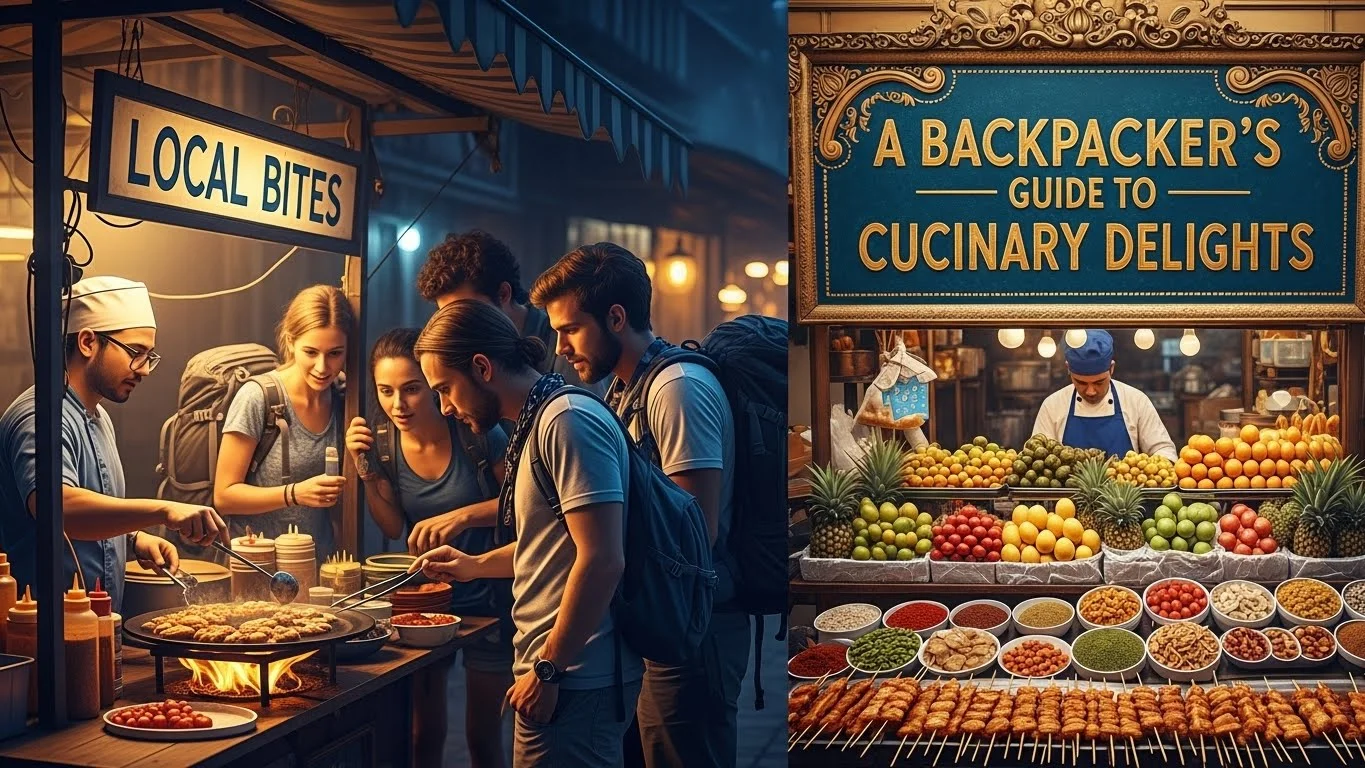
Street food markets are a backpacker’s paradise, brimming with unique flavors and vibrant cultures. From sizzling street grills to colorful stalls, every visit is a culinary adventure waiting to unfold. For those looking for budget-friendly options, Budget-Friendly Street Food Markets You Can’t Miss is a great resource.
Understanding Street Food Markets
Definition and Significance
Street food markets are a delightful mix of culinary art and culture, often located in bustling city centers or near popular tourist spots. These markets are not just places to grab a quick bite; they are a window into the local way of life. For me, exploring street food markets means diving into the essence of a city, tasting its flavors, and meeting the people behind the dishes. Each vendor tells a story through their food, offering recipes passed down through generations or innovative twists on traditional favorites. That’s where the magic lies—these markets are a feast for the senses.
Global Popularity of Street Food
Street food has transcended borders, becoming a global phenomenon. I remember my first trip to Bangkok, where the aroma of grilled meats and fresh herbs wafted through the air. It made me realize that street food isn’t just a meal; it’s an experience that connects people. Whether it’s savoring tacos in Mexico City or enjoying crepes in Paris, street food markets offer something for every palate. The popularity stems from their accessibility, affordability, and the sheer variety of options available. I’ve seen locals and travelers alike gather around these stalls, sharing laughter and stories over delicious bites. If you’re looking for a comprehensive guide, check out Top 10 Must-Visit Street Food Markets for Backpackers.
Top Street Food Markets Around the World
Bangkok’s Chatuchak Weekend Market
One of my all-time favorite street food experiences was at Bangkok’s Chatuchak Weekend Market. This sprawling market has thousands of stalls, and the food section alone is a paradise for any foodie. I spent hours wandering through the maze, tasting everything from spicy papaya salad to crispy fried insects. The vibrant energy here is contagious, with vendors calling out and the sounds of sizzling woks filling the air. I remember trying mango sticky rice for the first time—it was a heavenly combination of sweet and savory that I still crave.
Mexico City’s Mercado de San Juan
In my travels, I found myself wandering through Mercado de San Juan, a hidden gem in Mexico City. This market is known for its exotic ingredients and fresh produce. I was particularly fascinated by the vendors selling everything from fresh seafood to unusual meats. The atmosphere is lively, filled with the sounds of chatter and laughter. I decided to try a taco al pastor, and it was truly a revelation. The flavors were bold and vibrant, making me appreciate the artistry behind Mexican street food.
Lisbon’s Time Out Market
When I visited Lisbon, I couldn’t miss the Time Out Market. This market combines traditional Portuguese flavors with modern culinary techniques. As I strolled through the stalls, I was drawn to a stand selling bacalhau, or cod, prepared in various ways. I sampled a few dishes and was blown away by the freshness and creativity. The communal seating area fosters a sense of togetherness, where locals and tourists alike share tables and experiences, making it a perfect place to meet new friends over delicious food.
Taipei’s Shilin Night Market
Taipei’s Shilin Night Market was another highlight of my travels. Famous for its night-time buzz, this market transforms as the sun sets, lighting up with colorful lanterns. I dived into an array of snacks, from crispy fried chicken to sweet potato balls. The night market scene is vibrant and dynamic, with the sizzle of food being cooked right in front of you. I loved how every stall offered something different, and I tried my best to sample a little bit of everything. It felt like a celebration of flavors, and I left with a happy belly and a heart full of memories.
Bangladesh’s Dhaka Street Food Scene
Bangladesh may not be the first place that comes to mind when thinking of street food, but I discovered its Dhaka street food scene is something special. The lively streets are filled with vendors selling everything from puchka (a type of street snack) to kebabs. I was mesmerized by the chaos around me—the bustling crowds, the sizzling pans, and the aromatic spices wafting through the air. Trying a plate of biryani from a street vendor was a standout moment. It was flavorful and rich, and I realized how food can truly bring people together, even in the busiest of places.
What to Expect at Street Food Markets
Variety of Cuisines
One of the things that excites me most about street food markets is the incredible variety of cuisines. You can take a culinary trip around the world without ever leaving a single market. I’ve walked through stalls offering everything from spicy Indian curries to savory Vietnamese pho. Each vendor usually specializes in a particular dish or technique, and it’s fascinating to see the passion they pour into their food. I remember standing in a market in Kuala Lumpur, mesmerized by the steaming pots of laksa bubbling away. The smell was intoxicating, and I knew I had to try it. The variety isn’t just about the dishes; it’s also about the ingredients. Fresh herbs, vibrant spices, and local produce make each meal unique to its location. For me, this diversity reflects the culture and history of the place, making every bite a little piece of its story. To discover more about budget-friendly options, don’t miss Discover the World’s Best Street Food Markets on a Budget.
Typical Vendors and Their Offerings
Every street food market has its share of typical vendors, each with their own signature offerings. I’ve seen everything from family-run stalls where recipes have been passed down through generations to innovative young chefs putting a modern twist on traditional dishes. I remember a vendor in Istanbul who was famous for his gözleme—thin flatbreads filled with cheese and spinach, cooked on a griddle. The way he expertly flipped the dough was a performance in itself! This personal touch is often what makes street food so special. I love chatting with the vendors, learning about their ingredients, and hearing their stories. It creates a connection that you just don’t get at a fancy restaurant. Plus, it’s always fun to ask for recommendations; I’ve discovered some hidden gems this way!
Atmosphere and Environment
The atmosphere of street food markets is electric, filled with the sounds and smells of cooking, laughter, and the hustle and bustle of people. I remember visiting a night market in Taiwan, where the energy was palpable. Brightly lit stalls lined the bustling pathways, and the air was filled with a medley of sizzling sounds. The environment can vary dramatically from one market to another—some are organized and structured, while others are chaotic and spontaneous. Regardless, I always find that there’s a sense of community among the patrons. People gather around shared tables or stand shoulder to shoulder, enjoying their meals and striking up conversations. It’s a place where barriers break down, and strangers become friends over a shared love of food.
Popular Street Food Dishes to Try
Asian Delicacies: Dim Sum and Satay
When it comes to Asian street food, dim sum and satay are two dishes that I can never resist. I had my first dim sum experience in Hong Kong, where I was overwhelmed by the variety. From steamed buns to dumplings, each morsel was a delight. I loved the communal dining style—sharing plates with friends and trying a little bit of everything. Then there’s satay, which I first tasted in Indonesia. Grilled skewers of marinated meat served with a rich peanut sauce are simply irresistible. I remember sitting on a small plastic stool at a roadside stall, savoring every bite under the warm evening sky. It’s the kind of food that makes you feel warm and happy.
Latin American Favorites: Tacos and Arepas
Tacos and arepas are staples that I think everyone should try at least once. In Mexico, I found myself in a bustling market where the aroma of fresh tortillas filled the air. The process of watching the vendor prepare my taco was mesmerizing. She expertly layered grilled meat, fresh cilantro, and spicy salsa, all wrapped in a warm tortilla. Every bite was an explosion of flavor! Arepas, on the other hand, stole my heart during my travels in Colombia. These cornmeal patties can be filled with an array of ingredients, and I was lucky enough to try one stuffed with cheese and avocado. They are comforting and satisfying—perfect for a quick meal on the go.
Middle Eastern Treats: Shawarma and Falafel
Middle Eastern street food has a special place in my heart, especially shawarma and falafel. When I first tried shawarma in Beirut, I was captivated by the way the vendor sliced the tender meat right off the rotating spit. Wrapped in warm pita with fresh veggies and tangy tahini sauce, it was a flavor explosion. I also fell in love with falafel—a fried chickpea ball that’s crispy on the outside and soft on the inside. I remember enjoying falafel wraps in a small café in Cairo, topped with fresh salad and a generous drizzle of tahini. It’s such a satisfying and wholesome dish!
European Street Eats: Crepes and Sausages
In Europe, street food takes on a delightful charm with crepes and sausages. I remember strolling through the streets of Paris, where the smell of freshly made crepes drew me in. Whether filled with Nutella and bananas or savory cheese and ham, each crepe felt like a little piece of heaven. I also discovered the joy of German sausages at a market in Berlin. The vendors grilled the sausages right in front of you, serving them with a dollop of mustard and fresh bread. The combination of flavors and the casual way of enjoying food makes these experiences truly memorable.
When to Visit Street Food Markets
Seasonal Considerations
Timing can make a huge difference in your street food experience, and seasonal considerations are worth keeping in mind. I’ve learned that certain markets shine brighter during specific times of the year. For example, visiting a market during a local festival can be a real treat, showcasing unique dishes that aren’t available year-round. I once visited a market in Thailand during the Songkran festival, where special food stalls popped up, and the atmosphere was filled with joy and celebration. Each season brings different ingredients and flavors, so being mindful of when you visit can enhance your culinary adventure.
Best Times of Day for Fresh Food
When planning my visits to street food markets, I’ve found that the best times to go are often in the late afternoon or early evening. Vendors are usually busy preparing for the dinner rush, so the food is freshest and most vibrant. I remember arriving at a market in Ho Chi Minh City just as dinner was kicking off. The energy was high, and every stall was bustling with activity. Plus, the evening atmosphere adds a wonderful ambiance, with lights twinkling and the hustle of the crowd adding to the excitement.
Special Events and Festivals
Street food markets often host special events and festivals that can elevate your experience. I’ve been fortunate enough to attend a few food festivals that showcased local cuisines and even featured cooking competitions. At one event in Madrid, I watched chefs battle it out while tasting their incredible creations. It’s not just about food; these festivals celebrate culture, music, and community. If you can plan your visit around one of these events, you’ll likely leave with so many delicious memories and maybe even some new friends.
Tips for Backpackers at Street Food Markets
Budgeting for Street Food
As a backpacker, budgeting is key, and street food markets offer some of the best value for money. I’ve found that you can indulge in a variety of dishes without breaking the bank. My approach usually starts with setting a daily food budget. For example, I try to allocate a specific amount for street food each day, allowing myself to sample a bit of everything. I’ve noticed that many vendors have their prices clearly displayed, which makes it easier to stick to my budget. Plus, sharing dishes with friends can also stretch your dollars further while enhancing the experience. I remember one night in Mexico City when my friends and I pooled our resources, ordered a smorgasbord of tacos, and had a feast that left us all satisfied and smiling!
Hygiene and Safety Tips
While the excitement of street food is undeniable, I’ve learned that being mindful of hygiene is crucial. I always look for busy stalls, as a long line often indicates the food is popular and fresh. I pay attention to how the vendor handles food—seeing them wear gloves or use clean utensils gives me peace of mind. I remember a time in Thailand when I hesitated at a stall that didn’t seem busy. I chose a place where I could see the vendor preparing food right in front of me, and I felt much more comfortable diving in. Also, having hand sanitizer on hand is a must—sometimes, you can’t avoid getting a bit messy while enjoying your food!
How to Choose the Best Stalls
Navigating through a bustling street food market can be overwhelming, but I’ve picked up some tips on how to choose the best stalls. First, I like to follow the locals; if a particular stall has a crowd of local patrons, I take that as a good sign. I also enjoy chatting with fellow travelers or locals for their recommendations. One time in Hanoi, I struck up a conversation with a group of backpackers who pointed me to a hidden gem serving the best pho I’ve ever tasted. I always trust my instincts too—if something catches my eye, whether it’s the presentation of the food or the enthusiasm of the vendor, I’m likely to give it a try!
Language Tips for Ordering
Ordering food in a different language can be daunting, but it’s part of the adventure! I always try to learn a few basic phrases before I go, like “hello,” “thank you,” and “how much?” These small efforts go a long way in connecting with the vendors. I remember struggling to order a plate of dumplings in Beijing, but with a smile and a little hand gesturing, I was able to get my point across. Many vendors are more than willing to help, and I’ve found that using the language—even just a few words—can create a friendly atmosphere. When all else fails, I’ve resorted to pointing at what I want on the menu or using translation apps. It’s all part of the fun of exploring new cultures!
Where to Stay Near Popular Street Food Markets
Accommodations for Budget Travelers
Finding the right place to stay can make a world of difference when it comes to accessing street food markets. I’ve had great experiences staying in hostels or budget hotels that are within walking distance of popular food spots. Not only do these accommodations save money, but they also offer a chance to meet other travelers who share my passion for food. I recall staying in a lively hostel in Bangkok that organized food tours, which allowed me to explore different street food markets with fellow adventurers. It was a great way to bond over shared tastes and experiences!
Hostels vs. Hotels: Pros and Cons
In my travels, I’ve tried both hostels and hotels, and each has its pros and cons. Hostels are usually more affordable and have a communal vibe that I enjoy, especially for solo travelers. I’ve made some wonderful friendships in shared dorms, often planning food outings together. Hotels, on the other hand, can offer more comfort and privacy, but they usually come with a higher price tag. I remember treating myself to a hotel stay once in Lisbon, which was nice for a change, but I missed the organic interactions of a hostel. In my opinion, the choice depends on what kind of experience you’re looking for!
Neighborhood Safety Considerations
Safety is always a priority when I’m traveling, especially in bustling markets. Before choosing where to stay, I do a bit of research on the neighborhood. I’ve found that some areas have a reputation for being safer and more welcoming, while others might be a little sketchy at night. I remember in Mexico City, I chose a hostel in a lively area close to street food markets, which felt safe and vibrant. Walking around during the evening was a delightful experience, with street vendors setting up and the atmosphere buzzing with life. Always trust your instincts—if a place feels off, it’s okay to keep looking!
Local Etiquette and Customs
Dining Etiquette in Different Cultures
Understanding local dining etiquette can enhance your street food experience significantly. I’ve learned that customs can vary widely from one culture to another. For example, in some Asian countries, it’s common to eat with chopsticks, while in others, using your hands is perfectly acceptable. I remember being in India and discovering that eating with my hands was not only allowed but encouraged! It was a liberating experience. I always try to observe how locals eat and follow suit, as it shows respect for their traditions.
Respecting Local Customs
Respecting local customs goes beyond just dining etiquette. It’s essential to be mindful of cultural norms, especially regarding food. In many places, sharing food is a sign of friendship and community. I’ve participated in communal meals where everyone shares dishes, creating a sense of togetherness. However, I’ve also encountered situations where it’s considered impolite to waste food or leave leftovers. I find that asking questions and showing genuine interest in local customs can lead to deeper connections and a more enriching travel experience.
Frequently Asked Questions
What are street food markets?
Street food markets are vibrant places where culinary art and culture come together, often located in busy city centers or popular tourist spots. They provide a unique window into local lifestyles and offer a variety of flavors and dishes.
Why are street food markets popular globally?
Street food markets have become a global phenomenon due to their accessibility, affordability, and the vast array of food options available. They connect people through shared experiences and flavors from different cultures.
What can visitors expect in terms of cuisine at street food markets?
Visitors can expect an incredible variety of cuisines at street food markets, ranging from spicy Indian curries to savory Vietnamese pho. Each vendor typically specializes in a specific dish, showcasing local ingredients and flavors.
What are some popular street food dishes to try?
Some popular street food dishes include dim sum and satay from Asia, tacos and arepas from Latin America, shawarma and falafel from the Middle East, and crepes and sausages from Europe.
When is the best time to visit street food markets?
The best time to visit street food markets is often in the late afternoon or early evening when vendors are preparing for dinner, ensuring the food is fresh. Visiting during local festivals can also enhance the experience with unique dishes.
What are some tips for budgeting while enjoying street food?
Backpackers can budget effectively by allocating a specific daily amount for street food and sharing dishes with friends to try a variety of foods without overspending. Many stalls also clearly display prices, making it easier to stick to a budget.
What hygiene and safety tips should travelers keep in mind at street food markets?
Travelers should look for busy stalls, as a long line often indicates fresh food, and pay attention to how vendors handle food. Carrying hand sanitizer is also advisable for cleanliness while enjoying the food.
How can travelers choose the best stalls in a street food market?
Travelers can choose the best stalls by following locals, chatting with fellow travelers for recommendations, and trusting their instincts about what looks appealing or interesting.
What should travelers know about local customs and dining etiquette in street food markets?
Understanding local dining etiquette can enhance the experience, as customs vary by culture. Observing how locals eat and being mindful of food sharing practices shows respect for local traditions.
What accommodations are recommended for budget travelers near street food markets?
Budget travelers are recommended to stay in hostels or budget hotels that are within walking distance of popular food markets, as they provide both affordability and opportunities to meet fellow travelers.