
Street food offers a delicious glimpse into local culture, but it also comes with risks. Let’s explore how to enjoy these culinary delights while staying safe on our travels. Read Interesting article: A Backpacker’s Guide to Unique Street Foods Worldwide
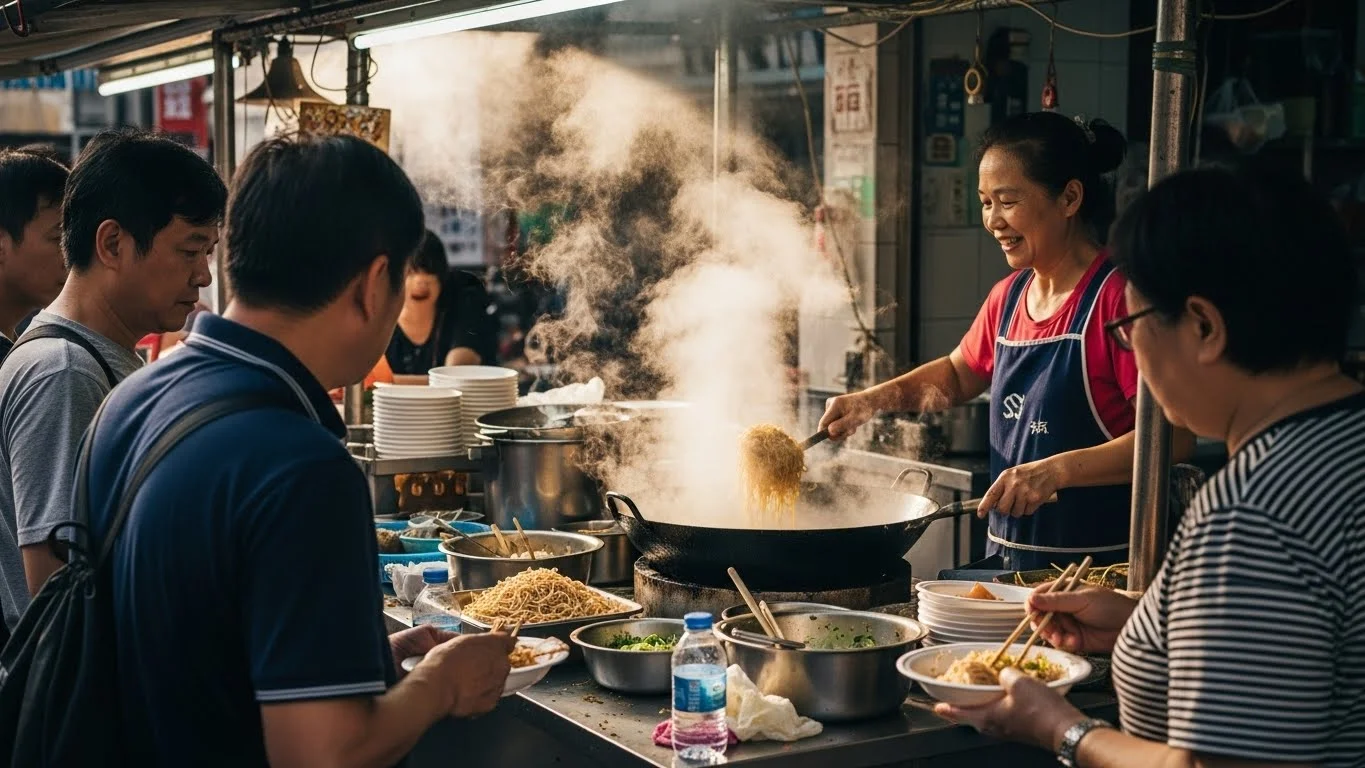
Understanding Street Food: A Global Perspective
What is Street Food?
Street food is not just a meal; it’s an experience. When I think of street food, I envision vibrant markets filled with the aroma of spices, sizzling meats, and sweet treats. It’s food sold by vendors on the streets, often prepared right in front of you. From tacos in Mexico to satay in Indonesia, street food allows us to taste the heart of local cuisine in a way that restaurants often can’t replicate. The charm lies in its accessibility, affordability, and the unique flavors that reflect the culture of the region. Exploring Unique Street Foods: A Global Taste Adventure can provide more insights into this culinary journey.
Popular Street Food Destinations
Throughout my travels, I’ve discovered some amazing street food hotspots. Cities like Bangkok, with its bustling night markets, and Istanbul, where kebab vendors line the streets, are pilgrimage sites for food lovers. I remember wandering through the streets of Hanoi, captivated by the sight of pho being expertly crafted. Each destination offers its own specialties and cooking styles. In Mexico City, I indulged in elotes, grilled corn slathered in creamy toppings, while in Mumbai, I couldn’t resist the spicy pav bhaji. Traveling to these places has enriched my understanding of global cuisine and the street food culture that thrives there.
Street Food vs. Restaurant Dining
When deciding between street food and dining at a restaurant, I often weigh my options. Restaurants can offer a more controlled environment, but street food has a certain magic that can’t be duplicated. Eating from a vendor can be a more authentic experience, allowing us to connect with locals and taste something truly unique. I’ve found that street food often represents the soul of a city, where flavors are bold and creativity shines. However, understanding the differences in preparation and serving is essential. Street food may be fresher because it’s made in smaller batches, but we must also be mindful of hygiene practices. Making informed choices can lead to memorable meals without compromising safety.
Health Risks Associated with Street Food
Common Foodborne Illnesses
As much as I love street food, I’ve learned to be cautious of potential health risks. Foodborne illnesses can happen anywhere, but they’re more common with street food due to various factors. Common illnesses include salmonella, E. coli, and norovirus. I remember hearing a story about a traveler who tried an exotic dish only to be sidelined by a severe stomach bug. This experience served as a wake-up call for me. It became clear that while the thrill of trying new foods is captivating, understanding these risks is crucial.
How Contamination Happens
Contamination can occur at multiple points in the food preparation process. I’ve seen vendors handling food without gloves or using the same utensils for raw and cooked ingredients. Bacteria can thrive in warm temperatures, especially in environments where food is left out for too long. I once witnessed a vendor in a humid market using the same cutting board for meats and vegetables, which made me realize that cross-contamination is a real concern. Being aware of how food can become contaminated is key to making safer choices.
At-Risk Populations
Some people are more susceptible to foodborne illnesses than others. In my travels, I’ve seen that children, the elderly, and those with compromised immune systems should take extra precautions. I remember a friend who, while traveling in Southeast Asia, chose to indulge in street food without hesitation. Unfortunately, his stomach didn’t handle it well, leading to a challenging few days. If you’re traveling with someone who falls into these categories, it’s best to opt for cooked foods from reputable vendors and prioritize safety over adventurous eating.
Essential Street Food Safety Tips
Choose Busy Vendors: A Sign of Freshness
One of the first things I look for when choosing a street food vendor is the crowd. A busy stall usually indicates that the food is fresh and popular among locals. I remember standing in line at a taco stand in Mexico City. The line was long, but I didn’t mind because I could see the vendor quickly preparing each order, ensuring the ingredients were hot and ready. A bustling vendor often means the food is being made in high turnover, which minimizes the risk of food sitting out too long. I’ve learned that if the locals are eating there, that’s a great sign that it’s safe and delicious!
Observe Food Preparation Practices
Watching how food is prepared can tell you a lot about safety. I’ve stood by street vendors, eyes peeled, as they slice, cook, and serve their dishes. It’s essential to see that they’re using different utensils for raw and cooked foods. I once watched as a vendor grilled skewers of meat and then immediately placed them on fresh tortillas. The care they took made me feel confident about my choice. If you notice a vendor who seems rushed or cuts corners in their prep work, it might be a good idea to keep walking.
Check for Cleanliness and Hygiene
Cleanliness is key when it comes to food safety. I make it a point to observe the stall itself. Is the area tidy? Are the utensils clean? I recall visiting a street food market in Thailand where the vendors had clean tables and fresh ingredients displayed neatly. It gave me peace of mind. Vendors who take pride in their space are more likely to care about the food they serve. If a vendor looks disorganized or if there’s a lack of basic hygiene practices, I tend to steer clear. My motto is, if it looks questionable, it’s probably best to avoid it.
Know Your Local Cuisine: Ingredients and Allergens
Understanding what goes into the dishes is crucial, especially if you have dietary restrictions or allergies. Before traveling, I like to read up on local cuisines and ingredients. For instance, while exploring the street food of India, I learned that many dishes contain various spices that may not sit well with everyone. I once had a friend who reacted badly to a dish heavily spiced with chili. Knowing what’s in the food not only helps in avoiding allergens but also enhances the experience. When I’m not sure about an ingredient, I ask the vendor for more information; most are happy to share and explain their dishes.
Opt for Cooked Foods Over Raw
Whenever I can, I choose cooked foods over raw ones. While raw dishes like salads or sushi can be tempting, I prefer the safety net that comes with food that has been prepared at high temperatures. During a trip to Vietnam, I was excited to try fresh spring rolls, but I opted for the grilled versions instead. The taste was incredible, and I felt more secure knowing the ingredients had been cooked. Cooking kills off many harmful bacteria, making it a safer choice when indulging in street food.
Stay Hydrated, But Choose Drinks Wisely
Staying hydrated is crucial, especially in warm climates where street food is often found. However, I’ve learned to be careful about what I drink. Bottled water is my go-to, as I’ve heard horror stories of contaminated tap water. I remember being in a bustling market in Morocco, where fresh juices were everywhere. While they looked delicious, I opted for bottled drinks instead. Always check the seal on the bottle to ensure it hasn’t been tampered with. I’ve found that being cautious with beverages can prevent a lot of troubles during my travels.
When and Where to Enjoy Street Food Safely
Best Times to Visit Street Food Markets
Timing can make a world of difference when it comes to enjoying street food. I’ve discovered that visiting markets during peak meal times often means fresher food. Vendors are busy serving customers, which means they’re constantly preparing new batches. I’ve had some of my best experiences in evening markets where the atmosphere is lively, and you can smell the aromas from every stall. Early evenings are typically when the food is freshest, and you can enjoy the vibrant energy of the crowd.
Recommended Street Food Markets Around the World
Some cities are renowned for their street food, and I’ve compiled a list of my favorites. In Bangkok, the Chatuchak Weekend Market is a must-visit, with endless stalls offering everything from Thai desserts to savory dishes. I remember being overwhelmed by the choices but loved every minute of it. In Mexico City, the Mercado de San Juan is a hidden gem, famous for its variety of local ingredients and street food. And let’s not forget the night markets in Taiwan, where I was introduced to the famous stinky tofu—definitely an experience! Each of these markets offers a unique taste of local culture and cuisine. You can also check out 10 Unique Street Foods You Must Try Around the World for more ideas.
Local Customs and Etiquette
Understanding local customs can enhance your street food experience. In many cultures, it’s common to eat with your hands, while in others, utensils are preferred. I’ve learned to adapt my eating habits based on the region. For example, when I was in India, I loved digging into my meals with my hands, savoring the flavors while respecting the tradition. Being mindful of local etiquette not only shows respect but also enriches the overall experience. I feel that embracing these customs helps me connect more deeply with the culture and the people I meet.
Travel Smart: Preparing for Street Food Experiences
Vaccinations and Health Precautions
Before I embark on a street food adventure, I make it a point to check if any vaccinations are recommended for my destination. It’s something I learned after a friend traveled to Southeast Asia and ended up needing a vaccine for typhoid. I remember him saying it was a small price to pay for peace of mind. Certain areas may have health risks that are easily preventable with the right immunizations. I usually consult with my healthcare provider a few months before I travel to ensure I get everything I need. It’s a step I highly recommend to anyone looking to enjoy street food safely, as it helps me focus on the delicious food rather than worrying about potential health risks.
Packing a Travel Health Kit
As someone who loves to travel and explore street food, I’ve learned that packing a travel health kit can make all the difference. I always include essentials like hand sanitizer, anti-nausea medication, and rehydration salts. Once, while traveling in South America, I had a minor upset stomach after trying some street tacos. Thankfully, I had some ginger chews and peppermint tea in my kit, which helped soothe my stomach. I also carry a basic first-aid kit, with band-aids and antiseptic wipes. Being prepared allows me to fully enjoy my culinary adventures without the worry of minor mishaps ruining my experience.
Using Apps and Resources for Safe Eating
In this digital age, I’ve discovered that there are numerous apps and websites dedicated to helping travelers find safe street food options. I often use local food apps that feature user reviews and ratings, which have guided me to some fantastic vendors. One time, in Mexico City, I stumbled upon an app that highlighted the best taco stands based on user experiences. The tacos I tried were out of this world and, best of all, the vendor had excellent hygiene practices, as noted in the reviews. I encourage everyone to take advantage of technology when planning their food adventures; it can make the experience smoother and more enjoyable.
Dealing with Foodborne Illness: What to Do
Recognizing Symptoms of Food Poisoning
Despite all the precautions I take, I know that foodborne illness can still happen. I’ve had a couple of close calls, and recognizing the symptoms early is crucial. Common signs include nausea, vomiting, diarrhea, and stomach cramps. The first time I experienced these symptoms, I immediately suspected the street food I had enjoyed the day before. I remember feeling so frustrated because I had been so careful! Understanding these symptoms helps in identifying the issue quickly, allowing me to take the necessary steps to recover.
When to Seek Medical Attention
During my travels, I’ve learned that knowing when to seek medical help is essential. If symptoms persist for more than 24 hours or if they’re accompanied by a high fever or severe dehydration, it’s time to find a doctor. I recall a friend who ignored her symptoms for too long while traveling in India, thinking they would pass. Unfortunately, she ended up needing medical attention, which could have been avoided with a quicker response. If you’re ever in doubt, don’t hesitate to reach out for help; it’s better to be safe than sorry.
Home Remedies and Treatments
While I always recommend seeking medical help when needed, I’ve also found that certain home remedies can help alleviate mild symptoms. Ginger tea has been a lifesaver for me during those tough stomach moments. I remember being in a bustling market in Thailand, feeling a bit off after trying too many spicy dishes. I found a vendor selling ginger tea and took a moment to sip it slowly. It worked wonders! I also keep electrolytes on hand to help recover from any dehydration. Knowing these simple remedies can really help make travel a lot more enjoyable, especially after indulging in street food.
Personal Stories: Travelers’ Experiences with Street Food
Positive Experiences: Delicious and Safe Meals
Some of my fondest travel memories revolve around street food. I remember a magical evening in Bangkok when I tried mango sticky rice from a vendor who had been in the same spot for years. As I savored each bite, I felt a sense of connection to the local culture that I hadn’t experienced before. The vibrant atmosphere, the chatter of locals, and the delicious flavors combined to create a moment I’ll never forget. Sharing meals with locals, laughing, and enjoying the food brought a sense of community that I cherish. Those positive experiences remind me why I love street food so much.
Negative Experiences: Lessons Learned
Of course, not every street food experience is perfect. I have my share of stories where things didn’t go as planned. One time, while in a small village in Vietnam, I decided to try a dish that looked appealing but I didn’t investigate enough. Within a few hours, I was regretting my decision. I learned the hard way to always prioritize safety and hygiene, no matter how tempting the food looks. This experience taught me to be more discerning and to ask questions before diving in. Each lesson learned has made me a more cautious and informed street food enthusiast.
Final Thoughts
Street food is more than just a quick meal; it’s a celebration of culture, history, and community. Each bite tells a story, and I believe that the experiences we gain while exploring street food can be some of the most enriching aspects of our travels. There’s something magical about the connection formed over a shared plate of food, whether it’s bonding with locals or fellow travelers at a bustling market. I remember a night in a street food market in Taiwan, where I struck up a conversation with a friendly vendor while trying some delicious dumplings. We laughed, shared stories, and I left with a full stomach and a new friend.
However, it’s essential to approach street food with a balance of excitement and caution. I’ve learned the importance of being aware of the risks involved, which has helped me enjoy the adventures without compromising my health. By choosing busy vendors, observing preparation practices, and staying informed about local customs, we can mitigate risks and embrace the flavorful side of travel. It’s all about preparation and being mindful of our choices.
If I can share one last piece of advice, it’s to remain open-minded and adventurous, while also staying smart about what we eat. Street food may come with its challenges, but the rewards—delicious food, vibrant experiences, and cultural connections—are worth it. So, the next time you find yourself wandering through a street market, take a deep breath, trust your instincts, and dive into the culinary delights that await. Happy eating, and may your travels be filled with amazing food experiences!
Frequently Asked Questions
What is street food?
Street food is food sold by vendors on the streets, often prepared right in front of you. It reflects the local culture and cuisine, offering unique flavors that restaurants may not replicate.
What are some popular street food destinations?
Some popular street food destinations include Bangkok, known for its bustling night markets, Istanbul with its kebab vendors, and cities like Hanoi, Mexico City, and Mumbai, each offering their own specialties.
What are the health risks associated with street food?
Common health risks include foodborne illnesses such as salmonella, E. coli, and norovirus. These can occur due to factors like cross-contamination and improper food handling.
How can I choose a safe street food vendor?
Look for busy vendors, as a crowd usually indicates fresh food. Observe food preparation practices, check for cleanliness and hygiene, and prioritize vendors who take care in their food handling.
What precautions should at-risk populations take when eating street food?
At-risk populations, such as children, the elderly, and those with compromised immune systems, should opt for cooked foods from reputable vendors and take extra precautions to ensure safety.
What are some essential street food safety tips?
Essential street food safety tips include choosing busy vendors, observing food preparation, checking for cleanliness, knowing local cuisine ingredients, opting for cooked foods, and staying hydrated with safe drinks.
What should I do if I experience symptoms of food poisoning?
Recognize symptoms like nausea, vomiting, diarrhea, and stomach cramps. If symptoms persist for more than 24 hours or are accompanied by a high fever or severe dehydration, seek medical attention.
What home remedies can help alleviate mild foodborne illness symptoms?
Home remedies for mild symptoms include ginger tea and rehydration solutions. These can help soothe an upset stomach and combat dehydration.
How can I prepare for street food experiences before traveling?
Ensure you have any recommended vaccinations, pack a travel health kit with essentials like hand sanitizer and anti-nausea medication, and use apps or resources to find safe street food options.
What is the significance of understanding local customs when enjoying street food?
Understanding local customs enhances the street food experience by showing respect for local traditions and allowing you to connect more deeply with the culture and people you meet.