
If you’re like me, combining travel with a love for food and wine is an unforgettable experience. Discovering affordable wine and cooking classes around the world opens up an incredible way to indulge in local cultures while sharpening culinary skills. You can explore options like Savor Local Flavors: Farm-to-Table Classes Abroad to enhance your culinary journey.
Understanding the Global Wine and Cooking Class Landscape
As I embarked on my journey through the world of culinary tourism, I quickly learned that it’s more than just cooking; it’s about immersing myself in different cultures and tasting the richness of various regions. Culinary tourism has exploded in popularity, and it’s easy to see why. More travelers are looking to connect with local traditions, especially through food and drink. This rise isn’t just a trend; it reflects the deep human desire to share experiences, flavors, and stories over meals.
The Rise of Culinary Tourism
When I first started exploring culinary tourism, I noticed how it allows us to dive deeper than the typical tourist attractions. I mean, who doesn’t want to sip wine straight from a vineyard or learn to make pasta from an Italian nonna? Culinary tourism is about authentic experiences that resonate with our senses. This surge in interest has led to a variety of affordable wine and cooking classes that cater to all budgets. Whether you’re a novice or a seasoned chef, there’s something out there for everyone.
As I traveled to different regions, I discovered that these classes often incorporate local ingredients and traditional techniques, creating a rich tapestry of flavors and stories. For instance, I once took a cooking class in a small village in Spain, where the chef shared not only recipes but also family secrets passed down through generations. That experience was priceless!
Wine Regions Around the World
Wine is such an integral part of culinary experiences, and learning about it can be just as exciting as cooking. During my travels, I made it a point to visit various renowned wine regions. Each region has its own characteristics and specialties, making the learning experience diverse and rich. From the rolling hills of Tuscany to the sun-soaked vineyards of California, I’ve found that each glass of wine tells a story.
For example, while exploring the vineyards of Bordeaux, I learned about the meticulous process of wine production, from grape to glass. Participating in tastings not only honed my palate but also deepened my appreciation for the craft. I realized how much there is to learn about the terroir and how it impacts the flavors of wine. If you’re interested in further developing your wine knowledge, consider checking out Savor Global Flavors: Best Wine Pairing Classes to Explore.
Types of Cooking Classes Available
When it comes to cooking classes, I was surprised to find the variety available. Some classes focus on specific cuisines, while others offer a blend of techniques from various regions. I’ve participated in hands-on sessions, where I got to chop, sauté, and taste as I went along, as well as demonstration classes, where I could sit back and take notes while the chef worked their magic.
One of my favorite experiences was an interactive class in Thailand, where we not only cooked but also visited a local market to select fresh ingredients. That connection between sourcing and cooking made the final dish even more rewarding. Whether it’s a casual family-style class or a more formal culinary school setting, each format has its own charm and benefits.
Moreover, I found that some classes even offer a combination of cooking and wine pairing, which is a fantastic way to enhance your culinary skills while learning how to complement dishes with the perfect wine. This was particularly enjoyable during a class I attended in Italy, where we made homemade ravioli and paired it with exquisite local wines. The satisfied smiles around the table were evidence of a beautiful culinary experience.
As I reflect on my culinary adventures, it’s clear that understanding the global landscape of wine and cooking classes has enriched my travel experiences. Every class I attended not only taught me new skills but also connected me with local cultures and traditions, making my travels more meaningful.
Top Affordable Wine and Cooking Classes by Region
Europe
Europe is a treasure trove of culinary experiences, and I’ve found the wine and cooking classes here to be exemplary. Each country boasts its own unique flavor profiles and cooking techniques, making it a fantastic destination for food lovers like us.
Italy
Tuscany: Wine Tours and Cooking Classes
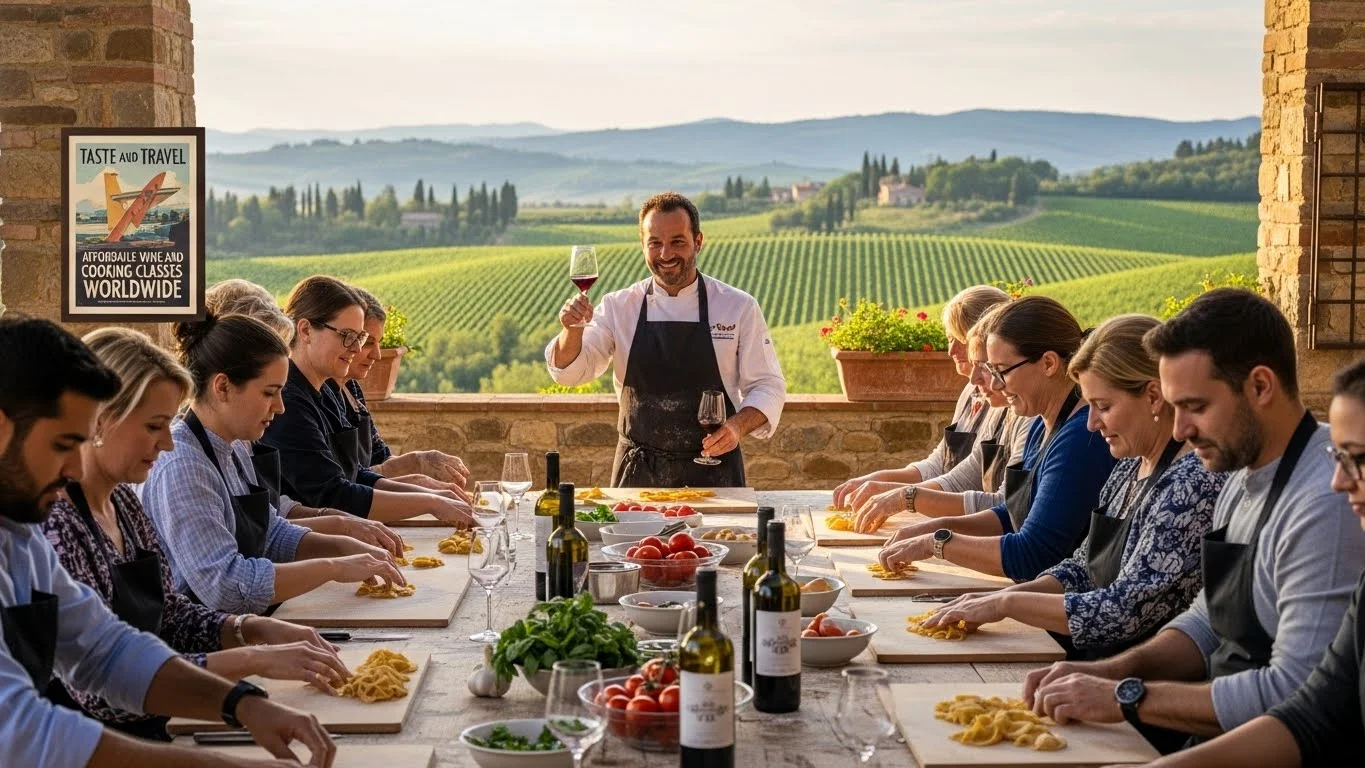
My journey in Tuscany was nothing short of magical. The rolling hills dotted with vineyards and olive groves created the perfect backdrop for a weekend of wine tours and cooking classes. I signed up for a local class that began with a vineyard tour, where I learned about the Sangiovese grapes and the art of winemaking. The winemaker was passionate, sharing stories about the land and how the soil influences the wine. Afterward, we headed to a rustic kitchen where we prepared traditional Tuscan dishes, such as ribollita and pici. Cooking with fresh ingredients sourced right from the land made the experience even more special.
Rome: Traditional Italian Cuisine Workshops
In Rome, I found a cooking workshop that focused on traditional Italian cuisine. The class was held in a charming apartment overlooking the city. I remember feeling so inspired as we made classic dishes like carbonara and tiramisu. The instructor, a local chef, not only taught us the recipes but also shared insights into the cultural significance of each dish. I left with a full stomach and a newfound love for Roman cooking. For anyone visiting Rome, I highly recommend taking a class to explore the city through its rich culinary history.
France
Bordeaux: Wine Tasting and Culinary Experiences
In Bordeaux, I dove headfirst into the world of French wine and cuisine. The classes I attended were a dream come true for a wine enthusiast. One memorable experience was a wine tasting paired with traditional French dishes. The sommelier guided us through the subtleties of each wine, explaining how they complemented the food. I was fascinated by how the aroma and taste of the wine changed depending on the dish. The entire experience felt like a celebration of the senses, and I walked away with a greater appreciation for French wine culture.
Provence: Olive Oil and Cooking Classes
Provence was another highlight. I joined a cooking class that focused on using local ingredients, particularly olive oil. We visited an olive oil mill, where I learned about the pressing process and the different types of olive oils. Back in the kitchen, we crafted dishes that showcased the oil’s flavors, such as ratatouille and tapenade. The vibrant colors and aromas filled the room, and we ended the day with a shared meal that felt like a picnic under the sun. The experience was not only delicious but also deeply educational.
North America
United States
Napa Valley: Wine and Culinary Retreats
The United States may not have the centuries of tradition that Europe does, but Napa Valley holds its own with stunning vineyards and fantastic culinary retreats. I remember attending a weekend class that combined wine tasting with cooking demonstrations. We visited vineyards to sample wines right from the source, then returned to our kitchen to whip up dishes that paired perfectly. The sense of community among the participants made it even more enjoyable. It was an excellent way to bond over our shared love for food and wine.
New Orleans: Cooking Classes Focused on Cajun and Creole Cuisine
New Orleans has a unique flair, and I was eager to explore its culinary offerings. I enrolled in a cooking class that celebrated the rich traditions of Cajun and Creole cuisines. The chef was a local who infused his teaching with personal stories, making the class feel more like a gathering of friends than a formal workshop. We learned to make gumbo, jambalaya, and beignets, all while soaking in the vibrant culture of the city. I felt a connection not just to the food but also to the history and passion that define New Orleans cuisine.
Canada
Okanagan Valley: Wine Tours and Cooking Classes
In Canada, Okanagan Valley is often celebrated for its beautiful landscapes and exceptional wines. I was fortunate enough to participate in a cooking class that also featured wine pairing. We toured the vineyards, picking up tips about the local grape varieties, before heading back to prepare dishes that highlighted the region’s fresh produce. The emphasis on locally sourced ingredients made everything taste incredible. The experience was both educational and delightful, and I left with a handful of recipes and a bottle of wine to savor back home.
Key Features of Affordable Classes
Instructors: Local Chefs and Sommeliers
One of the most enriching aspects of taking wine and cooking classes is the opportunity to learn from local chefs and sommeliers. In my experience, these instructors bring a wealth of knowledge and a personal touch that can make all the difference. I remember a class in Tuscany where the chef shared not just techniques but stories from her childhood in the kitchen with her grandmother. That connection made the cooking process feel more intimate and meaningful.
Local sommeliers, too, add a unique layer to the wine education experience. They often have a deep understanding of the region’s wines and can guide you through the intricacies of tasting. I vividly recall participating in a wine tasting led by a sommelier who was passionate about the art of wine pairing. He explained how the balance of flavors in food can be enhanced by the right wine, turning what could have been a simple meal into a celebration of tastes.
Hands-On Experience vs. Demonstration Classes
When I started exploring cooking classes, I realized there are generally two types: hands-on and demonstration classes. Hands-on classes are incredibly interactive, allowing participants to dive right in, chopping, stirring, and tasting alongside the chef. I prefer these because they create a sense of accomplishment as you prepare your own dishes. For example, in a class I took in Thailand, I was able to create my own pad Thai from scratch, which I later enjoyed with newfound pride.
On the other hand, demonstration classes, where the chef does the cooking while we watch and take notes, can be equally rewarding. I attended a demonstration class in Provence where we learned about rustic dishes while sipping local wines. Watching the chef expertly handle ingredients and techniques was both educational and inspiring. It allowed me to absorb the nuances of cooking without the pressure of participation, making it a great option for those who might feel intimidated in the kitchen.
Class Duration and Structure
The duration and structure of cooking classes can vary widely. Some classes last only a few hours, while others span an entire weekend. I’ve found that longer classes often provide a more in-depth experience, allowing for a deeper exploration of ingredients and techniques. For instance, during a weekend retreat in Napa Valley, we not only cooked meals but also spent time discussing the history of each recipe and the wines that paired with them. It was a comprehensive adventure that left me feeling well-versed in both cooking and wine appreciation.
Shorter classes can be perfect for those with tight schedules or for travelers like me who want to sample multiple experiences in one trip. I once took a two-hour pasta-making class in Rome that taught me how to make fresh fettuccine. It was quick, fun, and absolutely delicious! I walked away with a recipe and a new skill that I could easily replicate at home.
How to Choose the Right Class for You
Skill Level: Beginner to Advanced
Another important factor when selecting a class is your skill level. Whether you’re a complete novice or a culinary whiz, it’s vital to choose a class that matches your abilities. I remember feeling a bit overwhelmed when I first signed up for a French pastry class. The instructor was fantastic, but the techniques were advanced, and I struggled to keep up. Since then, I’ve learned to read reviews and descriptions carefully to find classes that cater specifically to my level.
Many classes also welcome all skill levels, which can be a great opportunity to learn alongside others. For instance, during a group cooking class in Mexico, I found that the blend of novice and experienced cooks created a supportive atmosphere. We all helped each other out, and the shared laughter over our culinary mishaps made for a memorable experience.
Class Size and Group Dynamics
The size of the class can significantly impact your experience. Smaller classes often allow for more personalized attention, which I’ve found invaluable. During a recent cooking workshop in Italy, our group of just six meant the chef could give us individual guidance, turning what could have been a standard lesson into a tailored experience. I felt comfortable asking questions and trying out new techniques without the fear of being lost in the crowd.
Larger classes can be fun, too, as they create a vibrant atmosphere filled with energy and excitement. However, I always recommend checking if the class maintains a good instructor-to-student ratio to ensure you still get that hands-on experience. If you’re someone who thrives in social settings, a larger group might be right for you!
Location and Accessibility
The location of your class can also influence your experience. I’ve found that classes held in picturesque settings, like vineyards or historic homes, elevate the entire experience. For example, taking a cooking class in a vineyard in Bordeaux not only allowed me to learn about the local cuisine but also gave me stunning views of the surrounding landscape, enhancing my appreciation for the ingredients we were using.
Accessibility is another consideration. Some cooking classes are located in remote areas, which can be challenging if you don’t have a car. I’ve learned to prioritize classes that offer convenient transportation options or are located close to public transport. This makes it easier to focus on the culinary adventure without the stress of logistics.
Additional Activities to Enhance Your Experience
Local Markets and Ingredient Sourcing
One of the highlights of my culinary travels has been visiting local markets. I’ve discovered that many cooking classes incorporate a market tour, which I find incredibly valuable. It’s not just about buying ingredients; it’s about understanding the local food culture. In a class I took in Bangkok, we spent the morning wandering through a vibrant market, selecting fresh produce, herbs, and spices. The instructor shared insights into seasonal ingredients and local specialties, which made the cooking experience even richer.
Food and Wine Pairing Workshops
Food and wine pairing workshops are another fantastic way to deepen your culinary skills. I attended a class in Spain that focused solely on pairing tapas with regional wines. The sommelier guided us through the fundamentals of pairing flavors and textures, which transformed the way I think about meal planning. I never realized how much of a difference the right wine could make until that day!
Dining Experiences with Local Families
Dining with local families is perhaps the most authentic way to experience a culture. I remember being invited to a family dinner during a cooking class in Sicily. Sharing a meal with locals, hearing their stories, and tasting home-cooked dishes made me feel like part of the family. These experiences are often more memorable than any restaurant meal and are a beautiful way to connect with the essence of a place.
Frequently Asked Questions
What is culinary tourism?
Culinary tourism is about immersing oneself in different cultures through food and drink, allowing travelers to connect with local traditions and experiences, especially through cooking and wine tasting.
What types of cooking classes are available?
There are various types of cooking classes, including hands-on sessions where participants actively cook and demonstration classes where chefs showcase techniques while participants observe. Some classes also focus on specific cuisines or combine cooking with wine pairing.
What can I expect from wine tasting experiences?
Wine tasting experiences often involve learning about the wine production process, exploring different wine regions, and participating in tastings that enhance your appreciation for the craft and the nuances of wine flavors.
How do I choose the right cooking class for my skill level?
It’s important to select a class that matches your abilities, whether you are a beginner or more advanced. Reading reviews and descriptions can help you find classes that cater to your specific skill level.
What are some recommended locations for wine and cooking classes?
Recommended locations include Tuscany and Rome in Italy, Bordeaux and Provence in France, Napa Valley and New Orleans in the United States, and Okanagan Valley in Canada, each offering unique culinary experiences.
What are the benefits of taking hands-on cooking classes?
Hands-on cooking classes allow participants to actively engage in the cooking process, leading to a greater sense of accomplishment and the opportunity to practice techniques in real-time, making the experience more interactive and personal.
How do class size and group dynamics affect the learning experience?
Smaller classes often provide more personalized attention, while larger classes can create a vibrant and energetic atmosphere. It’s important to consider the instructor-to-student ratio to ensure effective learning.
What additional activities can enhance the culinary experience?
Activities such as visiting local markets, participating in food and wine pairing workshops, and dining with local families can enrich the culinary experience by providing deeper insights into local food culture and traditions.
What should I look for in the instructors of cooking and wine classes?
Look for local chefs and sommeliers who bring a wealth of knowledge and personal stories to the classes, enhancing the learning experience through their expertise and cultural insights.
What types of dishes might I learn to make in these classes?
Classes can teach a wide variety of dishes, such as traditional Italian pasta, French cuisine like ratatouille, Cajun and Creole dishes in New Orleans, and regional specialties that highlight local ingredients and cooking techniques.