
There’s something magical about capturing the essence of a place through the people who call it home. Travel portraits with locals can transform a simple photo into a story that resonates deeply. To enhance these stories, you might consider enhancing your travel portraits with simple editing tricks.
Understanding Travel Portraits
Definition of Travel Portraits
Travel portraits are more than just images; they are a window into the lives of the people we meet along our journeys. When I think about travel portraits, I envision a moment frozen in time, a glimpse of a person’s personality, culture, and story. To me, these portraits serve as a bridge between travelers and locals, revealing the authentic spirit of a destination. Whether it’s a street vendor in a bustling market or an artist in a quaint village, each portrait tells a unique story that goes beyond the surface. It captures emotions, traditions, and the everyday life of a place, often evoking a sense of connection that is hard to put into words.
The Importance of Capturing Local Connections
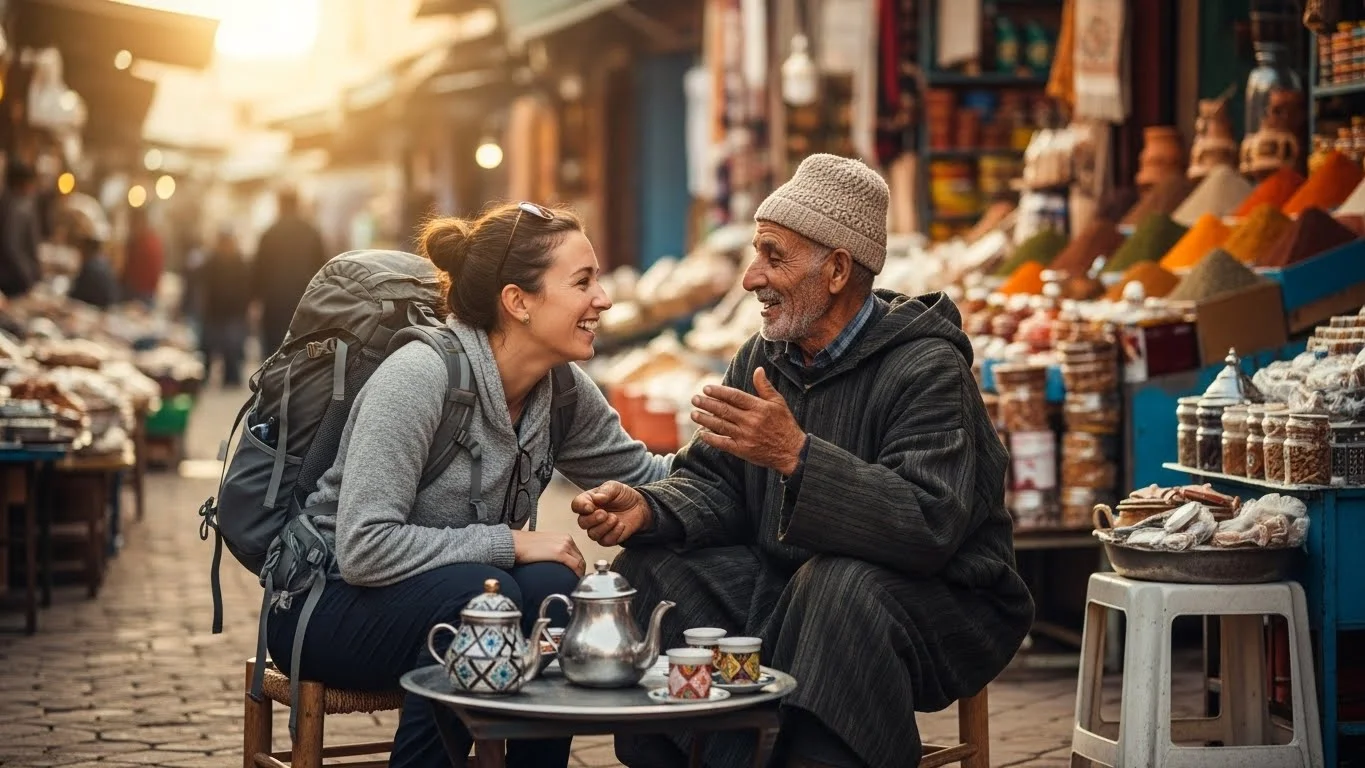
Connecting with locals is one of the most rewarding aspects of travel, and capturing these connections through portraiture elevates the experience even further. I remember a time in Morocco when I met a charming elderly man in a vibrant souk. His weathered face told tales of his years, the twinkle in his eye reflected his love for life, and through a simple photograph, I was able to share that joy with others. This is the essence of travel portraits: they help us break down barriers and foster a sense of understanding between different cultures.
By photographing locals, we not only preserve their stories but also honor their existence. Each portrait can spark conversations and inspire others to explore beyond the typical tourist experience. I believe that when we take the time to understand the lives of those we meet, our travel experiences become richer and more meaningful.
The Benefits of Connecting with Locals
Authenticity in Travel Experiences
One of the greatest benefits of connecting with locals is the authenticity it brings to our travels. I’ve often found that the most memorable experiences come from stepping off the beaten path and engaging with the people who truly know a place. For example, during a trip to Vietnam, I decided to join a cooking class led by a local family. Not only did I learn how to cook traditional dishes, but I also got to know the family’s history and their daily lives. It was in these moments that I felt like I was part of something real, something that most travelers miss. Authentic experiences like this often lead to the best stories and the most cherished memories.
Cultural Exchange and Learning
Engaging with locals opens the door to cultural exchange that enriches our understanding of the world. I remember sitting down with a group of artisans in India who shared their craft of pottery with me. Through our conversations, I learned about their traditions, the significance of their work, and even some local dialects. It was a beautiful exchange—my curiosity met their generosity. This kind of interaction not only enhances my travel experience but also encourages mutual respect and appreciation between cultures.
Building Lasting Friendships
Some of my fondest memories from traveling have come from unexpected friendships formed with locals. On a trip to Peru, I met a wonderful woman named Elena who ran a small guesthouse. We quickly bonded over our shared love for storytelling. What began as a casual encounter evolved into a deep friendship. We exchanged emails, stayed in touch, and I even had the pleasure of hosting her when she visited my home country. These connections remind me that travel is not just about exploring new places; it’s also about the relationships we forge along the way. Through travel portraits, we can capture the spirit of these friendships, preserving the joy and camaraderie that comes from meeting new people.
How to Approach Locals for Portraits
Finding the Right Opportunities
When it comes to capturing travel portraits, finding the right opportunities is key. I’ve learned that the best moments often happen when I least expect them. Whether it’s wandering through a local market or participating in a community event, keeping an open mind and being present can lead to meaningful encounters. I often start by engaging in casual conversations with locals, asking questions about their lives or their craft. This approach not only opens the door to potential portraits but also helps establish trust. Whenever possible, I recommend spending time in less touristy areas where you can immerse yourself in the local culture, which usually leads to organic interactions.
Respecting Cultural Norms
Respecting cultural norms is crucial when approaching locals for portraits. Before I take a photo, I always try to understand the local customs and traditions concerning photography. In some cultures, asking permission before taking a portrait is essential, while in others, it may not be as crucial. I always strive to be polite and considerate, making sure to ask for permission, especially if the person is engaged in their work or if there are children involved. Expressing genuine interest in their story often makes them more receptive to my request, and I find that most people are happy to share a moment with a traveler who respects their culture.
Effective Communication Techniques
Effective communication can make all the difference when connecting with locals. I’ve often found that a simple smile and a friendly greeting can break the ice. If there’s a language barrier, I use gestures or even translation apps to bridge the gap. Showing enthusiasm and respect for their language can also go a long way. I often try to learn a few basic phrases in the local dialect, and the effort is usually appreciated. It’s amazing how a few words can turn a stranger into a friend. I believe that being open, approachable, and genuinely interested in their story fosters a positive experience for both of us.
Equipment and Techniques for Capturing Portraits
Essential Photography Gear for Travel
When it comes to capturing those stunning travel portraits, the right gear can make all the difference. I’ve learned that you don’t need the most expensive equipment to take beautiful photos. My go-to setup usually includes a DSLR or mirrorless camera, a versatile zoom lens, and a sturdy but lightweight tripod. The zoom lens allows me to capture portraits from various distances without invading the subject’s personal space. But I also carry a prime lens for those moments when I want to create a soft background blur, which really helps the subject stand out.
In addition to the camera and lenses, I always pack extra batteries and memory cards. There’s nothing worse than missing a perfect shot because I ran out of storage or power! For me, a good camera bag is essential as well, something that can handle rough travel conditions while keeping my gear safe. Lastly, I find that having a portable reflector can help in those tricky lighting situations, bouncing light back onto my subject’s face and making them glow.
Understanding Lighting and Composition
Lighting can be a game-changer in photography, especially for portraits. I remember during a sunrise shoot in Bali, the golden hour created a magical glow that made my subjects look ethereal. Learning to recognize the best times of day for natural light has been a huge part of my journey in photography. I often aim to shoot early in the morning or late in the afternoon when the light is soft and flattering.
Composition plays a crucial role too. I like to think about the rule of thirds, which helps me create balanced and visually appealing images. Sometimes, I experiment with different angles—shooting from above, below, or even at eye level—to see how it impacts the mood of the portrait. I’ve found that framing my subjects within their environment adds context to the photo, telling more of their story. It’s all about finding that sweet spot where the subject and the surrounding elements work together harmoniously.
Tips for Natural Posing and Interaction
Getting a great portrait goes beyond just the technical aspects; it’s also about how comfortable your subject feels in front of the camera. I’ve discovered that the best portraits often come from candid moments rather than forced poses. To achieve this, I start by engaging in light conversation, making jokes, or asking open-ended questions. This not only helps me learn more about them but also eases any tension they might feel about being photographed.
Encouraging natural interaction can result in genuine expressions. I love to capture laughter, smiles, or even contemplative looks that reflect the person’s personality. I often ask my subjects to interact with their environment, like picking up a tool they use or doing something they enjoy. This creates a more dynamic portrait that feels alive. I’ve noticed that the more relaxed the atmosphere, the more authentic the portrait becomes.
Showcasing Your Travel Portraits
Creating a Travel Photography Portfolio
Once I’ve captured those beautiful travel portraits, the next step is showcasing them. I believe that having a well-curated photography portfolio is essential for any aspiring travel photographer. I started by selecting my favorite images, focusing on those that tell a story or evoke emotion. It’s important to present a cohesive collection that reflects my style and the essence of the places I’ve visited.
I often organize my portfolio by themes or locations, allowing viewers to experience the journey as I did. I’ve found that a simple, clean layout works best, letting the images speak for themselves. Online platforms like Adobe Portfolio or even personal websites created through WordPress or Squarespace can be great options to display my work professionally.
Sharing on Social Media Platforms
Social media has become an incredible tool for sharing my travel portraits with a wider audience. Platforms like Instagram and Pinterest allow me to connect with fellow travelers and photographers around the world. I make it a point to use relevant hashtags to reach people who might be interested in my work. Additionally, I enjoy telling the stories behind each portrait in the captions, which helps viewers connect on a deeper level.
I’ve also found that engaging with my audience is crucial. I respond to comments and messages, and I often ask questions to encourage conversations. This not only builds a community but also helps others find inspiration in my travels. It’s amazing to see how a single portrait can spark interest, encourage travel, or even inspire someone to learn more about another culture.
Blogging about Your Experiences
For me, blogging has been a wonderful way to share not just my travel portraits, but the stories and experiences behind them. I love writing about the people I’ve met, the cultures I’ve experienced, and what I’ve learned along the way. Each post is an opportunity to reflect on my journey and to inspire others to embark on their own adventures.
In my blog, I include not only photographs but also tips on how to approach locals, respect cultural norms, and engage meaningfully. I’ve found that this combination of visuals and storytelling makes for a compelling narrative that resonates with readers. Plus, it allows me to connect with other like-minded individuals who share the same passion for travel and photography. If you’re looking for more insights, check out Editing Travel Portraits: A Beginner’s Guide to Greatness.
Ethics of Photographing Locals
Consent and Privacy Considerations
When it comes to photographing locals, understanding the ethics surrounding consent and privacy is paramount. I’ve always believed that asking for permission is not just a courtesy; it shows respect for the person’s dignity. I remember being in a small village in Guatemala, where I spotted a woman weaving traditional textiles. Her work was mesmerizing, and I wanted to capture that moment. Before taking out my camera, I approached her with a smile and asked if I could take her portrait. To my joy, she agreed, and we exchanged a few words that made the photo all the more meaningful.
Consent varies from culture to culture, and I’ve learned to be aware of the different norms surrounding photography. In some places, people might be more open to having their photo taken, while in others, they might prefer to maintain their privacy. I always try to gauge the situation and respect the wishes of my subjects. If someone seems hesitant or declines, I completely understand and move on. This approach not only feels right to me but ultimately leads to more genuine interactions.
Reciprocity in Cultural Exchanges
Reciprocity is an essential concept when engaging with locals and capturing their portraits. I believe that if I’m taking the time to document someone’s life, I should also be willing to share a piece of mine. For instance, on my trip to Japan, I met a young artist who was excited to show me his work. In return for his openness, I invited him to look at my travel photos on my camera. He was thrilled to see how I had captured the vibrancy of his city, and this exchange created a bond between us. It felt like a fair trade—his trust for my storytelling.
Reciprocity can take many forms, whether it’s sharing your contact information, sending them a copy of the portrait, or even offering to take them out for a meal. I’ve found that these gestures cultivate relationships built on mutual respect and understanding. It’s a small way to show appreciation for their time and willingness to share a part of their world with you.
Understanding the Impact of Your Work
As photographers, we have a responsibility to consider the impact our work has on the communities we depict. I’ve thought about this a lot, especially when sharing my portraits online. It’s important to reflect on what a photograph might convey about a person or their culture. I often remind myself that every image I post has the potential to tell a story that can influence how others view that community.
For instance, while traveling in Africa, I took a portrait of a young boy selling handmade crafts. I realized that if I shared this photo, it could either highlight the beauty of his culture or reduce him to merely a subject for a travel story. I try to focus on the positive aspects of the culture and the resilience of the people, ensuring that my captions reflect their strength and individuality. This shift in perspective is vital; it reminds us that we are not just observers but storytellers who can help shape perceptions.
Additionally, I’ve come to understand that we should be mindful of how we represent people in vulnerable situations. There’s a fine line between capturing reality and exploiting it. I take great care to ensure that my portraits portray the subjects with dignity and respect, allowing their stories to shine through rather than focusing solely on their hardships. This approach has helped me build deeper connections with my subjects and has led to more authentic portrayals, which I think resonates more with viewers.
Inspiring Examples of Travel Portraits with Locals
Notable Travel Photographers and Their Work
Throughout my photography journey, I’ve drawn inspiration from many talented travel photographers who excel at capturing the essence of local cultures. One of my favorites is Steve McCurry, known for his iconic portrait of the Afghan Girl. His ability to convey emotion through the lens has always amazed me. He spends time with his subjects, allowing them to reveal their stories, which creates powerful images that resonate across cultures. I admire how he emphasizes the humanity behind each photograph, reminding us of the common threads that unite us all.
Another photographer who has deeply influenced my work is National Geographic’s Ami Vitale. Her portraits often reflect the beauty of diverse cultures while addressing important social issues. I remember watching her talk about her experiences with local communities and how she approaches each shoot with sensitivity and respect. It’s a true testament to how photography can be a tool for positive change, and that inspires me to strive for similar authenticity in my portraits.
Case Studies of Successful Local Portrait Projects
Many projects have showcased travel portraits that have made a lasting impact. One such project is Humans of New York, which started as a simple photo series and has grown into a global phenomenon. This initiative highlights the stories of individuals from various walks of life, emphasizing the importance of connection and empathy. I often find myself lost in the tales shared on that platform, and it reminds me of the power of storytelling in photography.
Another inspiring example is the work of the nonprofit organization, PhotoVoice, which empowers local communities by allowing them to share their stories through photography. Participants are trained in photography, and their work often leads to greater awareness of social issues. I’ve read about how this project transforms not just the lives of the photographers but also how it changes perceptions within their communities. It underscores the idea that travel portraits can serve a greater purpose, going beyond mere aesthetics to spark conversations and inspire change. If you’re interested in perfecting your skills, check out Top Tips for Perfectly Editing Your Travel Portraits.
Frequently Asked Questions
What are travel portraits?
Travel portraits are more than just images; they provide a glimpse into the lives of the people we meet during our journeys, capturing their personality, culture, and story.
Why is capturing local connections important in travel photography?
Capturing local connections through portraiture enhances the travel experience by helping break down barriers and fostering understanding between different cultures.
How can connecting with locals enhance the authenticity of travel experiences?
Connecting with locals often leads to memorable experiences that go beyond typical tourist activities, allowing travelers to engage with the true essence of a place.
What should a traveler consider when approaching locals for portraits?
Travelers should be mindful of cultural norms, seek permission before taking portraits, and engage in casual conversations to build trust and rapport with their subjects.
What equipment is recommended for capturing travel portraits?
A good setup typically includes a DSLR or mirrorless camera, a versatile zoom lens, extra batteries, and memory cards. A portable reflector can also be helpful for lighting.
How can lighting affect travel portraits?
Proper lighting can enhance the mood of a portrait, with natural light during the golden hour often creating a flattering and ethereal effect.
What techniques can help create natural poses in travel portraits?
Engaging in light conversation, making jokes, and encouraging subjects to interact with their environment can help create a relaxed atmosphere, resulting in candid and authentic portraits.
How can photographers ethically approach the subject of consent in travel portraits?
Photographers should always ask for permission before taking portraits, respecting the subject’s privacy and cultural norms regarding photography.
What is the significance of reciprocity in cultural exchanges during travel photography?
Reciprocity involves sharing a piece of oneself with the subject, which can help cultivate relationships built on mutual respect and understanding between the photographer and the local.
Can travel portraits serve a greater purpose beyond aesthetics?
Yes, travel portraits can inspire conversations and raise awareness about social issues, showcasing the humanity of individuals and fostering empathy among viewers.