
Underwater photography is a captivating way to explore the beauty beneath the waves. If you’re eager to dive into this stunning world without breaking the bank, you’re in the right place! To get started, you might want to check out some affordable underwater photography gear for backpackers.
Understanding Underwater Photography
What is Underwater Photography?
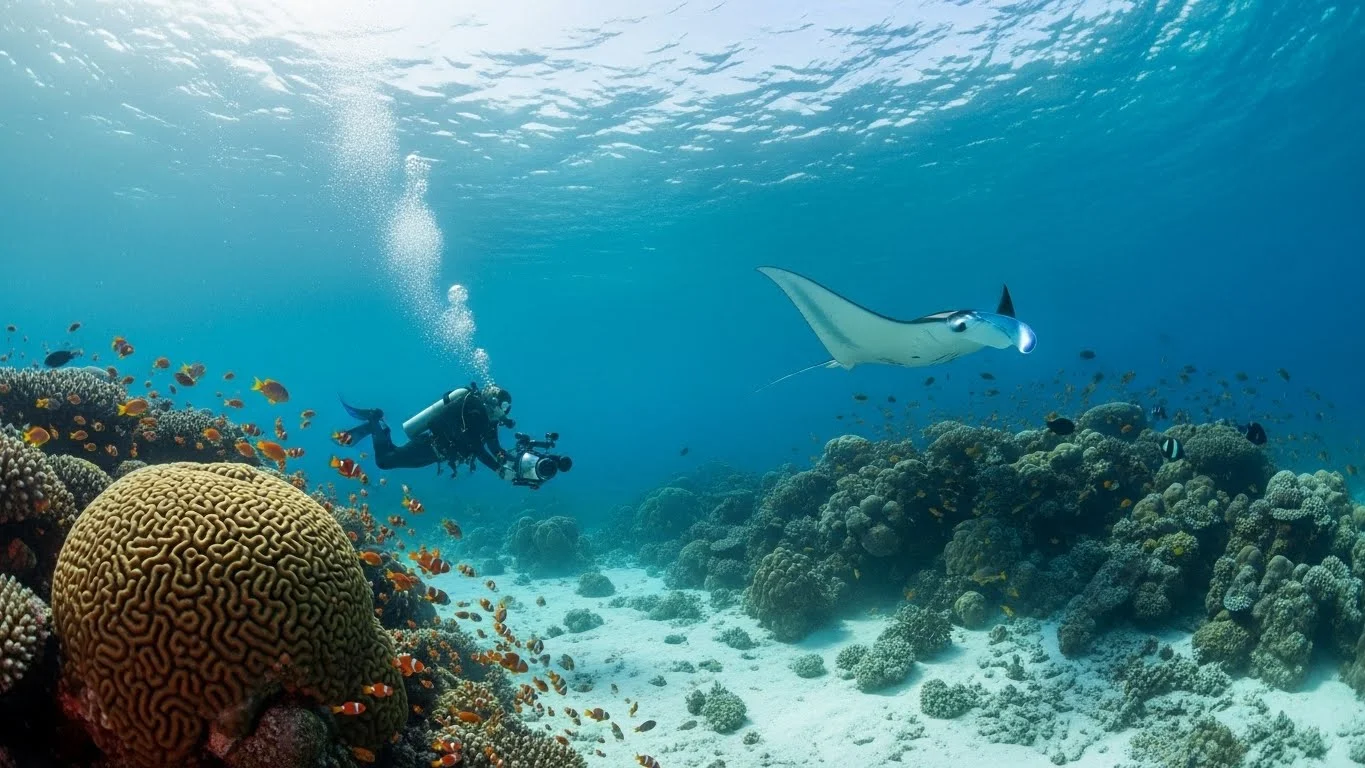
Underwater photography is an art form that captures the mesmerizing beauty of the underwater world. I remember the first time I saw an underwater photo; it felt like peering into a different universe, filled with vibrant colors, graceful fish, and mysterious landscapes. This genre of photography can range from capturing close-ups of coral reefs to wide-angle shots of marine life in their habitats. Whether you’re an experienced photographer or just starting out, the thrill of documenting life beneath the surface is something I believe everyone should experience.
Essential Gear for Underwater Photography
When diving into underwater photography, having the right gear is essential. Over the years, I’ve learned that investing in quality equipment can make a significant difference in the final outcome of your images. Here are some gear essentials I’ve found helpful:
- Waterproof Camera: A good waterproof camera is your best friend. There are many options available, from compact cameras to DSLRs with underwater housings. I started with a GoPro, which is user-friendly and affordable.
- Underwater Housing: If you prefer using a DSLR or mirrorless camera, be sure to get a housing that fits your camera model. This keeps your valuable equipment safe from water damage.
- Strobe or Flash: Underwater, light diminishes quickly, especially beyond 10 feet. A strobe or flash can help illuminate your subjects, making colors pop in your photos.
- Wide-Angle and Macro Lenses: Wide-angle lenses are great for capturing expansive underwater scenes, while macro lenses allow for close-up shots of small marine life.
- Buoyancy Control Device (BCD): A well-fitted BCD helps you control your position in the water, allowing you to compose your shots more effectively.
As I started my underwater photography journey, I quickly realized that while gear is important, understanding how to use it is even more crucial. For beginners, I recommend looking into affordable gear for underwater adventure photography beginners.
Basic Techniques for Beginners
Before you dive in, let’s talk about some fundamental techniques that helped me improve my underwater photography skills:
- Practice Good Buoyancy: Maintaining neutral buoyancy is key for underwater photography. This allows you to hover in the right position without disturbing the marine life or stirring up sediment, which can ruin your shots.
- Use Natural Light: Whenever possible, try to use natural light for your photos. The golden hour, either early in the morning or late in the afternoon, is magical. I’ve always found the colors to be richer and more vibrant during these times.
- Get Close to Your Subject: Water absorbs color and reduces contrast, so getting close to your subject will help capture more detailed images. I learned this the hard way after taking numerous shots from too far away, only to be disappointed with the results.
- Understand Marine Life: Spend some time observing marine life behavior before you start shooting. I noticed that some fish are more curious and will approach you, while others might be skittish. Knowing this can help you plan your shots better.
- Experiment with Angles: Try different angles and perspectives to make your photos stand out. I often find that shooting from below the subject can create dramatic images that highlight the beauty of the water’s surface.
As I’ve continued to practice these techniques, I’ve found my confidence in underwater photography has grown immensely. It’s all about getting comfortable in the water and experimenting with various settings.
In my experience, the key to success in underwater photography lies in a combination of the right gear, essential techniques, and a willingness to learn from each dive. With this knowledge, we can start exploring the world’s best affordable locations for underwater photography adventures, enhancing our skills while capturing breathtaking images along the way.
Top Affordable Locations for Underwater Photography
The Caribbean
The Caribbean is often at the top of many underwater photographers’ lists, and for good reason. The crystal-clear waters, vibrant reefs, and diverse marine life make it a fantastic playground for capturing stunning images. I’ve spent hours wandering through the reefs, mesmerized by the sheer beauty. Here are a couple of standout spots that won’t break the bank:
Belize Barrier Reef
Belize Barrier Reef is the largest barrier reef in the Western Hemisphere and a UNESCO World Heritage site. I remember snorkeling along the reef and being surrounded by schools of colorful fish, playful nurse sharks, and even a few turtles. The visibility can be incredible, often exceeding 100 feet. Plus, there are plenty of affordable dive shops that offer guided tours, which can help you find the best photogenic spots without the stress of navigating on your own.
Cozumel, Mexico
Cozumel is another gem within the Caribbean. The island offers stunning coral reefs teeming with marine life, and it’s an easy trip from the mainland. I found that the dive sites here are well-maintained, with many options for all skill levels. The famous Palancar Reef was one of my favorite spots, full of vibrant coral formations and diverse fish. Plus, the local eateries provide delicious food at reasonable prices, making it an all-around great destination for underwater photography enthusiasts.
South East Asia
If you’re looking for some of the most beautiful underwater landscapes, South East Asia should definitely be on your radar. The region boasts incredible biodiversity and some of the most affordable diving experiences I’ve ever enjoyed. Here are two locations that really stood out during my travels:
Thailand (Koh Tao)
Koh Tao is a small island known for its dive sites and laid-back vibe. It’s a popular spot for beginners, and I was amazed at how many affordable dive schools were available. The waters around Koh Tao are rich in marine life, and I found plenty of opportunities for capturing vibrant shots of clownfish and stunning corals. The relaxed atmosphere of the island also allows for plenty of time to explore and practice your photography skills.
Indonesia (Bali)
Bali is not just famous for its culture and landscapes; the underwater world is equally breathtaking. I’ll never forget diving at Tulamben, where the USAT Liberty wreck lies. The wreck is home to a variety of marine species, making it a perfect spot for underwater photography. The visibility is usually great, and the vibrant coral gardens were simply stunning. What’s even better is that Bali has a range of affordable accommodations and eateries, making it easy to enjoy an extended stay without draining your wallet.
Australia
Australia offers some of the most iconic underwater photography spots in the world, particularly along its extensive coastlines. I was fortunate enough to explore a couple of these locations, and they left a lasting impression on me:
Great Barrier Reef
The Great Barrier Reef is a bucket-list destination for many underwater photographers, and I can understand why. While parts of it can be pricey, I found several budget-friendly day trips that provided amazing experiences. Swimming through the reef, I was in awe of the vibrant colors and the diversity of life. It’s a photographer’s dream, and I recommend timing your visit to coincide with the warmer months for the best conditions.
Whitsunday Islands
The Whitsunday Islands offer an incredible mix of beautiful beaches and exceptional dive sites. I enjoyed a day trip that allowed me to explore several dive spots, each with unique marine life. The underwater views were stunning, and the soft corals were unlike anything I had ever seen before. With options for both diving and snorkeling, this area is perfect for photographers of all skill sets, and there are budget options available for accommodations and meals.
Central America
Lastly, Central America offers some hidden treasures for underwater photography, often overlooked by many travelers. I was genuinely surprised by the beauty I discovered in these locations:
Roatan, Honduras
Roatan is known for its beautiful coral reefs and rich marine life. I was pleasantly surprised by the affordability of diving here. The island offers a range of diving experiences, from wall dives to shallow coral gardens. I remember spending an entire day diving around the West End and capturing the vibrant underwater scenes, all while enjoying the friendly local atmosphere. It’s a great place for both experienced and novice photographers to hone their skills.
Costa Rica (Coco Island)
Coco Island is a bit of a trek, but it’s a hidden paradise for adventurous photographers. The island is a national park, and the marine life here is spectacular, featuring everything from hammerhead sharks to manta rays. I found that there are liveaboard options that can be surprisingly affordable. The remoteness of Coco Island means pristine underwater environments, making every dive worth the journey.
Exploring these locations has been a fantastic way to capture the beauty of the underwater world while sticking to a budget. Each destination has its unique charm and marine life, providing endless opportunities for stunning photography. I can’t wait to hear about your underwater adventures!
Planning Your Underwater Photography Adventure
When to Visit Each Location
Planning the timing of your underwater photography trip can make a world of difference. I’ve learned that each destination has its own peak seasons and unique weather patterns that can affect visibility and marine life activity. For instance, when I visited Belize, I found that the best time to dive is between April and June. During these months, the water is typically calm, and visibility is at its finest. In contrast, the Caribbean can be prone to hurricanes from late summer into fall, so I always recommend checking the local weather patterns before booking a trip.
In Southeast Asia, particularly in Koh Tao, the dry season from December to April offers the best diving conditions. I remember experiencing the vibrant colors of coral and fish during this period. Bali, on the other hand, is great year-round, but I found the months of June to September to be particularly pleasant for diving, with clearer waters and less rain. It’s essential to do your research and pick the right time that aligns with your travel plans.
What to Pack for Underwater Photography Trips
Packing for an underwater photography adventure requires careful consideration. Over the years, I’ve developed a checklist that helps me remember the essentials without overloading my gear bag. Here’s what I typically take:
- Camera and Housing: Obviously, your camera setup is a priority. I make sure my underwater housing is in good condition and has no leaks before each trip.
- Extra Batteries and Memory Cards: I can’t emphasize this enough! Bring plenty of extras, as shooting underwater can drain batteries quickly, and you don’t want to miss capturing that perfect moment because of a full memory card.
- Underwater Dive Computer: Keeping track of your dive time and depth is crucial. It’s easy to lose track of time when you’re having fun underwater!
- Snorkeling Gear: If you plan to do some surface shooting or snorkeling between dives, having your own gear can be convenient.
- Sun Protection: Don’t forget reef-safe sunscreen and a hat for when you’re out of the water—it’s easy to get sunburned while diving, and I’ve definitely learned this lesson the hard way!
- Lightweight Dry Bag: This is perfect for keeping your gear safe from splashes or sudden downpours.
By packing smart, I ensure that I’m prepared for anything the underwater world throws at me.
Budgeting for Your Adventure
Budgeting is a key part of planning any trip, and underwater photography adventures are no different. My approach is to break it down into several categories to keep things organized.
Travel Costs
First, consider your travel costs. This includes flights, transfers, and any rental cars. I usually like to browse several travel websites to find the best deals. During my trip to Indonesia, I found that booking my flights several months in advance saved me a significant amount of money. Don’t forget to compare prices for different days of the week, as they can vary quite a bit!
Accommodation Options
Next up is accommodation. Depending on your destination, prices can range from budget hostels to luxurious resorts. I’ve had great experiences at mid-range hotels that offered excellent amenities without breaking the bank. For example, in Cozumel, I stumbled upon a cozy guesthouse that provided easy access to dive shops and local eateries, making my stay enjoyable and economical.
Equipment Rental vs. Purchase
Finally, consider whether you’ll rent or purchase your underwater photography equipment. If you’re just starting out or don’t dive frequently, renting might be the best option. I rented gear during my early trips, which helped me determine what I truly needed before investing in my own setup. However, if you’re planning regular dives, investing in quality gear can save money in the long run. Just remember to factor in maintenance and servicing costs for your equipment!
By carefully planning each aspect of your underwater photography adventure, you can maximize your experience while staying within your budget. I can’t wait to hear about your own adventures and the stunning images you’ll capture along the way!
Tips for Successful Underwater Photography
Choosing the Right Time of Day
Timing plays a significant role in capturing stunning underwater images. I’ve learned that the best times to shoot are typically during the early morning or late afternoon. During these hours, the sunlight penetrates the water at a more favorable angle, creating softer shadows and enhancing the colors of your subjects. I remember diving at sunrise and being amazed by how the light danced through the water, illuminating schools of fish and coral with a warm glow. If you can, try to plan your dives around these golden hours for better photographic opportunities.
Understanding Marine Life Behavior
Having a good grasp of marine life behavior can elevate your underwater photography. Every dive, I try to spend a few moments just observing my surroundings. I noticed that some species, like clownfish, are quite curious and will approach you if you remain calm and still. Others, like most larger fish, tend to be more skittish. This knowledge can help you position yourself for the best shots. For instance, I found that waiting patiently near a coral structure often rewards me with the chance to capture fish as they come in and out, creating dynamic images. Understanding their routines can also help you anticipate the right moments to click the shutter.
Lighting Techniques for Underwater Shots
Underwater lighting can be tricky due to the way water absorbs light. As I continued my photography journey, I realized that using natural light is often key, but having additional lighting options, like strobes, can dramatically enhance your images. One technique I love to use is to angle my strobe slightly away from my subject to avoid overexposing the colors. It’s all about balance; I often experiment with different positions and power settings until I find the right mix. I also recommend practicing with your light settings on land before you dive, so you’re familiar with how they work when you’re underwater.
Post-Photography Considerations
Editing Underwater Photos
After a great dive, the fun isn’t over yet! I’ve found that editing my underwater photos is a crucial part of the process. While I strive to capture the best images possible in-camera, I always take some time to enhance them afterward. I typically use software like Adobe Lightroom or Photoshop to adjust colors, contrast, and sharpness. Underwater images often benefit from a bit of color correction since the water can wash out some hues. I remember the first time I edited a photo of a vibrant reef; it was like bringing the image back to life! Don’t be afraid to experiment with different edits to find your style.
Sharing Your Underwater Photography
Once you’ve edited your photos, sharing them is a great way to celebrate your achievements and inspire others. I love posting my favorite shots on social media, especially in dedicated photography groups or forums where fellow underwater enthusiasts gather. It’s a wonderful feeling to connect with others who share the same passion and to see their beautiful work as well. Plus, receiving feedback can help us grow as photographers, and I’ve learned so much from constructive critiques over the years. Additionally, consider checking out affordable underwater wildlife photography tips for backpackers for more insights.
Getting Feedback and Joining Communities
Joining photography communities is another way I’ve expanded my skills. There are numerous online platforms where underwater photographers gather to share tips, ask questions, and showcase their work. Being part of these communities not only provides valuable insights but also a sense of belonging. I’ve made friends from all over the world, and it’s amazing how we inspire each other. Whether through local meet-ups or online discussions, connecting with others who share your interests can offer motivation and fresh perspectives.
Final Thoughts
Underwater photography has been an incredible journey for me, filled with challenges and rewards. Each dive offers a unique opportunity to capture the beauty of marine life, and I’ve learned that persistence, patience, and a willingness to learn are key. I encourage anyone interested in this captivating art form to take the plunge. Whether you’re exploring local waters or traveling to exotic locations, the underwater world is waiting for you. Remember, every shot is a chance to tell a story, and I can’t wait to see the adventures you capture beneath the waves!
Frequently Asked Questions
What is underwater photography?
Underwater photography is an art form that captures the beauty of the underwater world, including vibrant colors, marine life, and landscapes. It can involve close-ups of coral reefs or wide-angle shots of marine habitats.
What essential gear do I need for underwater photography?
Essential gear includes a waterproof camera, underwater housing for DSLRs or mirrorless cameras, a strobe or flash for lighting, wide-angle and macro lenses, and a buoyancy control device (BCD) for better positioning in the water.
What basic techniques should beginners learn for underwater photography?
Beginners should practice good buoyancy, use natural light, get close to subjects, understand marine life behavior, and experiment with different angles to improve their underwater photography skills.
What are some affordable locations for underwater photography?
Affordable locations for underwater photography include the Belize Barrier Reef, Cozumel in Mexico, Koh Tao in Thailand, Bali in Indonesia, the Great Barrier Reef in Australia, and Roatan in Honduras.
When is the best time to visit underwater photography locations?
The best time varies by location; for example, Belize is ideal from April to June, Koh Tao from December to April, and Bali is great year-round but particularly pleasant from June to September.
What should I pack for an underwater photography trip?
Pack your camera and housing, extra batteries and memory cards, an underwater dive computer, snorkeling gear, sun protection, and a lightweight dry bag to keep your gear safe.
How can I budget for my underwater photography adventure?
Budgeting involves considering travel costs, accommodation options, and whether to rent or purchase equipment. Planning in advance can help save money on flights and lodging.
What lighting techniques can enhance underwater photos?
Using natural light is key, but additional lighting like strobes can enhance images. Angling the strobe away from subjects can prevent overexposure, and experimenting with light settings is recommended.
How can I edit my underwater photos effectively?
Editing underwater photos typically involves using software like Adobe Lightroom or Photoshop to adjust colors, contrast, and sharpness, as water can wash out some hues.
How can I share and get feedback on my underwater photography?
Sharing photos on social media and joining photography communities can provide inspiration and feedback. Engaging with others in online forums or local meet-ups is a great way to connect and learn.