
Have you ever dreamed of hitting the trails with your furry companion? Solo backpacking with your dog can be one of the most rewarding adventures, blending the joy of nature with the bond you share with your pet.
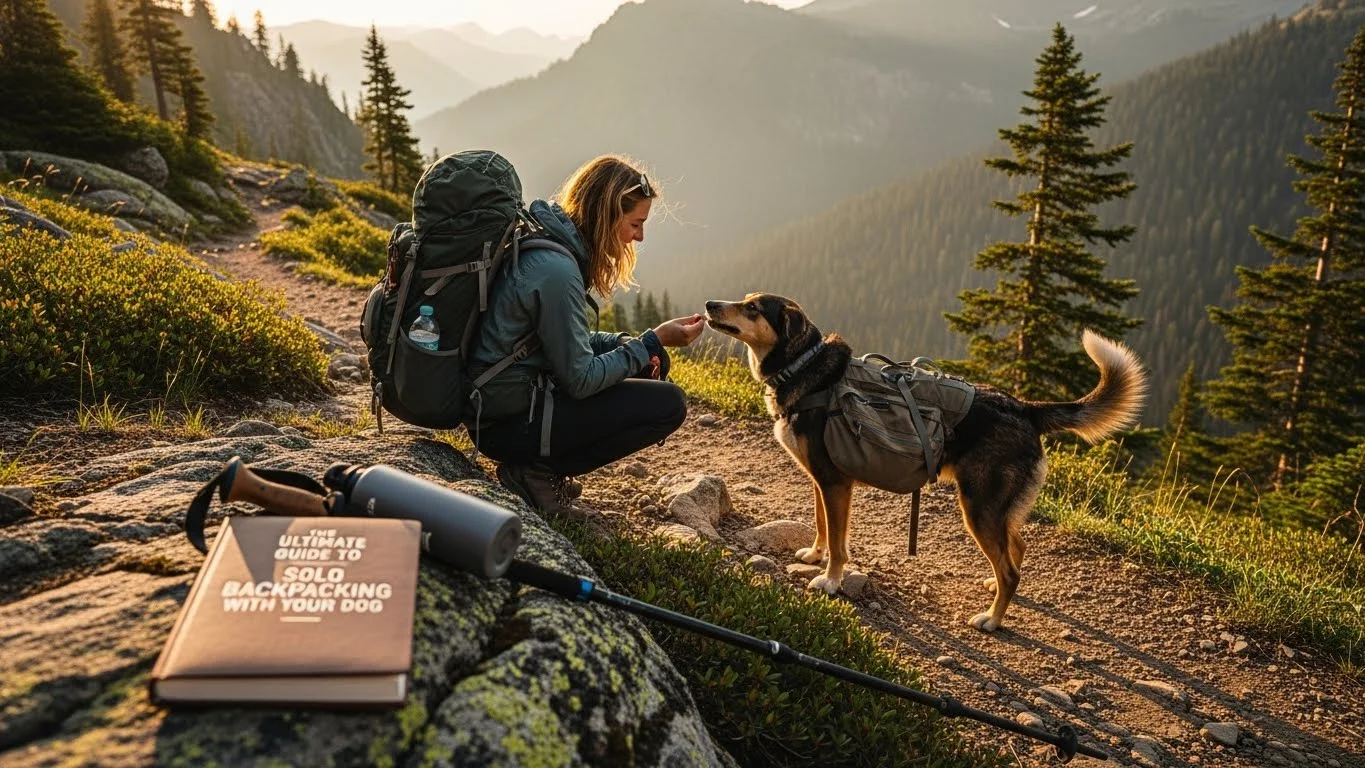
Getting Started with Solo Backpacking and Your Dog
Understanding the Basics of Solo Backpacking
When I first ventured into solo backpacking, I was filled with excitement and a bit of nervousness. The idea of relying on myself and immersing in the great outdoors was thrilling. Backpacking, at its core, is about traveling light and embracing the journey. I packed only the essentials, learning over time what I really needed and what I could leave behind. For anyone new to this, start small. Maybe choose a local trail that loops back to your car. This way, you can build confidence without straying too far from familiar territory.
As I set out on my first solo trip, the solitude was both liberating and daunting. I learned to trust my instincts and navigate using maps and natural landmarks. The first few nights were filled with the sounds of rustling leaves and distant animal calls, which kept me on my toes. But as the days went by, I began to appreciate the peace that came with silence and solitude. It became a space for reflection, creativity, and connection with nature.
Benefits of Backpacking with Your Dog
Bringing my dog along changed the experience entirely. The joy of watching him frolic through the trees and splash in streams was infectious. I felt less alone and more connected to nature. Dogs, in many ways, embody the spirit of adventure. They thrive in the great outdoors, and their enthusiasm can be contagious, reminding us to live in the moment. Besides the companionship, there are numerous benefits of backpacking with your dog:
- Improved Mental Health: Spending time in nature has been shown to reduce stress and anxiety, and having my dog by my side only amplified those feelings of well-being.
- Increased Physical Activity: Hiking with my dog kept me moving and motivated. Their energy inspired me to push my limits and explore new trails.
- Bonding Opportunities: I noticed that our relationship deepened with every adventure. Shared experiences created a stronger bond, filled with trust and fun.
- Enhanced Awareness: Dogs have a way of noticing things we might overlook. Their keen senses led us to discover hidden paths and beautiful spots I might have missed on my own.
However, I also learned that backpacking with a dog requires careful planning and awareness. It’s essential to consider your dog’s health and ability to keep up, especially on longer hikes. I found it helpful to gauge my dog’s fitness level by starting with shorter trips and gradually increasing the distance. This way, I ensured he was comfortable and enjoyed the journey as much as I did.
Before heading out, it’s crucial to assess the trail conditions and ensure they are dog-friendly. Some trails have restrictions or are not suitable for dogs due to wildlife or safety concerns. I always check local guidelines and look for reviews from other dog owners. This preparation not only keeps your dog safe but also enhances the overall experience for both of you.
As I continued my adventures, I discovered that solo backpacking with my dog was more than just a recreational activity; it became a lifestyle. The memories we created together are irreplaceable, ranging from breathtaking views to moments of joy when we encountered fellow hikers. I’ve even met other dog owners along the way, forming friendships and sharing tips that enriched our journeys.
In my experience, the key to successful backpacking with your dog is being prepared, flexible, and attentive. Taking the time to train your dog in basic commands can make a significant difference during your hikes. I’ve seen firsthand how a well-trained dog can enhance the experience, making it more enjoyable for both of us.
The thrill of exploring the outdoors with my dog continues to draw me back to the trails time and time again. Each adventure is unique, filled with new challenges and delightful surprises. We’ve shared sunsets on mountaintops, quiet moments by serene lakes, and laughter during playful encounters with wildlife. If you’re considering taking the plunge into solo backpacking with your dog, I wholeheartedly encourage you to do so. It’s an adventure that will change both of your lives!
Choosing the Right Gear for You and Your Dog
Essential Backpacking Gear for Solo Travelers
Choosing the right gear for solo backpacking is crucial, especially when I’m out on the trails with my dog. I’ve learned that every piece of equipment matters, from my backpack to my sleeping bag. I recommend starting with a comfortable, lightweight backpack that can hold all your essentials without being cumbersome. I remember my first backpack was too heavy, and it made hiking a chore instead of a joy.
For me, a good-quality tent is non-negotiable. I prefer a lightweight, easy-to-set-up model that provides enough space for both of us. I’ve spent many nights under the stars, and it’s essential to have a shelter that feels safe and secure. Don’t forget about a sleeping pad; it adds comfort and insulation from the ground. I always pack a sleeping bag rated for the temperatures I expect to encounter, ensuring both my dog and I stay cozy at night.
Hydration is also critical. I’ve tried several water bottles and hydration systems, but I’ve found that a hydration bladder works best for me. It’s convenient to sip water while hiking, and I can easily refill it at streams or lakes. I make sure to bring a portable dog bowl, so my furry friend can stay hydrated too. Food is another important aspect; I usually pack lightweight, high-energy snacks for myself and some nutritious dog food for him.
Dog-Specific Gear: Harnesses, Leashes, and Packs
When it comes to my dog’s gear, I don’t skimp on quality. A sturdy harness is essential for control and comfort on the trails. I’ve found that a well-fitted harness gives me peace of mind, especially during steep climbs or tricky terrain. A good leash is also important; I prefer a hands-free leash that allows me to hike comfortably while keeping my dog close by.
What I love most is getting my dog a pack of his own. It’s a great way for him to carry some of his essentials, like food and water. I’ve seen how much it boosts his confidence and sense of purpose. When choosing a pack, I make sure it fits properly and doesn’t weigh him down. It should have compartments for food, water, and any other supplies he might need on the trail.
First Aid Kits for You and Your Dog
Safety is paramount, especially when we’re out in the wilderness. I never hit the trails without a first aid kit tailored for both me and my dog. For myself, I pack basics like band-aids, antiseptic wipes, pain relievers, and blister treatment. I learned the hard way that it’s better to be prepared.
For my dog, I include items like adhesive bandages, gauze, and a tick removal tool, which I consider essential after a few close calls with ticks on our adventures. I also carry my dog’s medical records and any necessary medications. It’s amazing how a small kit can provide such peace of mind.
I make it a point to familiarize myself with the contents of both kits so that in case of an emergency, I can act quickly. I’ve practiced basic first aid for dogs, and I feel more empowered knowing I can handle injuries if they arise. This preparation not only keeps us safe but also allows us to enjoy our adventures without worry.
Planning Your Solo Backpacking Adventure
Choosing Dog-Friendly Trails and Campsites
Planning where to go is just as important as the gear I carry. I thoroughly research dog-friendly trails and campsites before heading out. I always look for places that allow dogs and have amenities like water sources or dog-friendly beaches. Some trails are perfect for dogs, while others have restrictions, so I take the time to read reviews and check maps.
If I’m heading somewhere new, I often ask fellow dog owners for recommendations. I’ve discovered some hidden gems through these conversations. I also pay attention to the difficulty level of the trails, making sure they match my dog’s fitness level. I want to choose paths where we can both enjoy the scenery without overexerting ourselves.
Researching Local Regulations and Restrictions
Understanding the local regulations is vital. I remember a time when I unknowingly ventured onto a trail with strict leash laws, and it was a learning moment for me. I always check the local park’s website for rules regarding dogs, including leash requirements and any specific areas where dogs might not be allowed. Being informed helps avoid any surprises and ensures a smooth experience.
Creating a Flexible Itinerary
I’ve learned that flexibility is key when planning a backpacking trip with my dog. I create an itinerary that allows for unexpected stops. Sometimes, we find a beautiful spot that begs for a longer break, or my dog may need a little extra time to rest. I try to keep our daily hiking distance reasonable and allow for downtime to relax and enjoy our surroundings.
Weather Considerations for Backpacking with a Dog
Weather can greatly impact our adventures, so I always check the forecast before we go. I remember one trip where I underestimated the weather, and we were caught in a surprise storm. Since then, I’ve learned to pack accordingly—bringing extra layers for both of us, rain gear, and even cooling vests for hot weather. Understanding how different temperatures and conditions affect my dog helps me keep him comfortable and safe.
Safety Tips for Backpacking with Your Dog
Health Precautions for Your Dog
When it comes to backpacking, ensuring the health and safety of my dog is always my top priority. Before embarking on any adventure, I make a point to schedule a vet visit. It’s essential to confirm that my dog is fit for hiking and up-to-date on vaccinations, especially since we often encounter ticks and other pests in the wild. I learned this the hard way after a trip where my dog came back with a tick that caused a minor health scare.
Another precaution I take is to ensure my dog is on preventative medications for fleas, ticks, and heartworms. Depending on the length of our trip, I also bring along some basic health supplies—like dog-safe first aid ointments and any medications he may need. I remember the peace of mind I felt when I packed an extra supply of his regular medication on one of our longer hikes.
Hydration is just as critical for dogs as it is for us. I always make sure my dog has access to fresh water, especially in warmer weather. I’ve found that carrying a collapsible bowl is super convenient and easy to pack. On particularly hot days, we take frequent breaks, ensuring he doesn’t overheat. Observing his behavior closely helps; heavy panting or lethargy can be signs that he needs a break or more water.
Identifying and Avoiding Common Hazards
During our adventures, I’ve encountered various hazards that could pose risks to my dog. One of the most significant threats is wildlife. I’ve learned to keep my dog on a leash or a long line in areas known for wild animals. Encountering a bear or deer can be unnerving, and it’s crucial to maintain control. It’s all about being proactive, and I’ve found that keeping my dog close helps avoid any potentially dangerous situations.
Another common hazard is rough terrain. I’ve come across rocky paths, steep inclines, and slippery spots that could be challenging for my dog. These trails can pose risks of injury, so I always assess the path ahead. If it looks too treacherous for him, I’ll choose another route or carry him if it’s feasible. I remember a hike where the trail was unexpectedly steep, and I had to take extra care to ensure he navigated safely.
Also, I always keep an eye out for plants that could be toxic to dogs. I made it a habit to familiarize myself with common poisonous plants in the areas we hike. It’s one of those things that can easily be overlooked, but knowing what to avoid can save a lot of trouble down the line.
What to Do in Case of an Emergency
In the wilderness, being prepared for emergencies is vital. I carry a small emergency kit that includes essentials for both of us. If my dog gets injured, I remain calm and assess the situation. I’ve practiced basic first aid techniques, which makes me feel more equipped to handle issues like cuts or bites. For instance, I once had to clean a small cut on his paw after a minor slip. I was grateful for having the right supplies on hand.
It’s also essential to know the location of the nearest vet clinics before hitting the trails. I make it a point to research this in advance, especially if I’m heading to remote areas. Having that information can be crucial if a situation arises that requires professional help. I’ve saved the contact details of veterinary services on my phone, just in case.
In a worst-case scenario, if my dog becomes seriously injured or ill, I prioritize getting him to safety. I’ve learned how to stabilize him and transport him if needed. Carrying a blanket or makeshift stretcher can be a lifesaver if a quick exit becomes necessary.
Ultimately, staying vigilant and prepared makes all the difference in ensuring both my dog and I enjoy our backpacking adventures safely. The bond we share grows stronger with each trip, and I cherish knowing that I’m doing everything I can to protect my furry best friend.
Navigating Transportation Options
Driving to Your Backpacking Destination
When it comes to getting to the trailhead, I often find that driving is the most convenient option. Loading my car with all our gear feels like preparation for an epic adventure. I remember my first trip where I overpacked, but over time, I’ve learned to streamline what I bring. I make sure my dog has a comfortable space in the car, complete with water and a favorite blanket. Keeping him secure in the backseat with a pet seatbelt or crate has given me peace of mind during the drive.
One of my favorite aspects of driving is the freedom it gives us to explore. I can take scenic routes, stop at quirky roadside attractions, or find hidden gems along the way. It’s all part of the adventure, and I love sharing those moments with my dog. I always make sure to take breaks during long drives for bathroom and stretching breaks, allowing my pup to unwind and recharge before hitting the trails.
Public Transport Considerations for You and Your Dog
Public transportation can be a bit tricky for backpacking, but I’ve had some success with it. I remember taking a bus to a trailhead once, and it was an eye-opening experience. Many public transport systems have their own rules regarding pets, so I always check ahead. In my case, I found that small dogs often travel for free, while larger breeds may require a muzzle or a leash. Planning these details in advance makes the journey smoother.
If using public transport, I always try to travel during off-peak hours to avoid crowds, which can be stressful for both of us. I’ve learned that bringing a crate or carrier can make my dog feel more secure and comfortable. Having some treats on hand helps keep him calm during the ride, and I make sure to choose dog-friendly routes whenever possible. I’ve met some wonderful people on these journeys who also share their love for dogs, making the trip even more enjoyable.
Accommodations for Backpackers with Dogs
Finding Dog-Friendly Campsites
Once we reach our destination, finding dog-friendly campsites is my next priority. I love the thrill of discovering new places to camp, especially those that welcome dogs. I often use apps and websites dedicated to finding pet-friendly campsites. During one of our trips, I stumbled upon a stunning campsite by a lake that allowed dogs. Watching my dog joyfully splash in the water was a memory I’ll never forget.
Before settling in, I check the rules about dogs at the campsite. Some places have leash restrictions or designated dog areas. I find that being informed helps me respect the space and ensures a pleasant experience for everyone. I also make sure to practice good doggy etiquette by cleaning up after him and keeping him calm during the night, which helps everyone around us enjoy the serenity of nature.
Alternatives: Cabins, Hostels, and Hotels
Sometimes, I opt for a cabin or a dog-friendly hostel when I want a break from tent camping. I’ve found that cabins can provide added comfort, especially during colder months. They often come equipped with amenities that make cooking and relaxing easier, giving me and my dog a cozy space to recharge. I remember booking a cabin once that had direct access to hiking trails, which made our adventures even more convenient.
Hotels can also be a great option, especially if they have pet policies. I’ve had positive experiences finding hotels that welcome dogs with open arms, sometimes even providing treats and dog beds. After a long day on the trail, it’s nice to settle into a comfy room together, knowing we both have a warm place to rest. I always call ahead to confirm their pet policy and any fees involved, ensuring there are no surprises upon arrival. Read Interesting article: Maximize Your Travel: Best Cheap Accommodation Picks for Trips
Essential Skills for Solo Backpacking
Navigation Skills: Maps vs. GPS
Having solid navigation skills is crucial for a successful solo backpacking trip. I’ve learned to rely on both traditional maps and modern GPS devices. In my early days, I often got lost because I relied too heavily on my phone. Now, I always carry a physical map as a backup. There’s something about unfolding a map and figuring out our route that feels more rewarding, and it keeps me engaged with the environment around me.
Setting Up Camp Alone
Setting up camp alone can be a bit of a juggling act, especially with my dog around. I’ve developed a routine that makes the process smoother. First, I scout the area to find the best spot, ideally away from water sources but close enough for convenience. I’ve learned to set up my tent quickly while keeping my dog entertained with a chew toy or some treats. It’s all about creating a comfortable space for both of us after a long day of hiking.
Cooking and Meal Prep on the Trail
Cooking on the trail has become one of my favorite parts of backpacking. I’ve experimented with various lightweight cooking gear and meal options over time. I typically plan my meals in advance, choosing easy-to-cook items that don’t require much preparation. Making sure my dog has his meals prepped ahead of time is just as important. I often bring along some dehydrated dog food and mix it with water at camp for a hearty meal that keeps him energized.
Engaging Your Dog During the Trip
Training Tips for Trail Etiquette
Training my dog for good trail etiquette has made our adventures much more enjoyable. I work on basic commands like “heel,” “sit,” and “stay” to ensure he’s well-behaved around other hikers and wildlife. I often use treats during our hikes to reinforce positive behavior. I’ve found that a tired dog is a happy dog, so incorporating short training sessions on the trail helps keep him engaged and focused.
Games and Activities to Keep Your Dog Active
To keep my dog mentally and physically stimulated, I’ve come up with fun games we can play on the trail. Simple fetch or hide-and-seek with a favorite toy can break up the hiking and make for joyful moments. I’ve noticed that mixing in playtime helps strengthen our bond and makes the trip even more enjoyable. It’s amazing how a little fun can lift our spirits and create lasting memories.
Post-Trip Considerations
How to Care for Your Dog After Backpacking
After each trip, I make it a point to check my dog for any scratches, ticks, or signs of fatigue. A good bath helps remove dirt and debris, and I always reward him for being such a great hiking buddy. I’ve learned to monitor his behavior closely in the days following our adventures, ensuring he’s back to his playful self. Rest and hydration are key, just like they are for us!
Documenting Your Adventure: Tips for Sharing
Documenting our journeys is a special way to cherish the memories we create. I love taking photos of our adventures, capturing the stunning landscapes and candid moments. I often share these on social media or in a scrapbook. It’s rewarding to look back on our trips and see how much we’ve explored together. Plus, sharing my experiences has inspired friends and fellow dog owners to embark on their own adventures!
Resources for Solo Backpacking with Your Dog
Books and Guides on Backpacking with Dogs
There are some fantastic resources out there for anyone looking to backpack with their dog. I’ve read several great books that provide tips on training, gear selection, and trail recommendations. One of my favorites includes stories from fellow adventurers that inspire me to explore new places. Read Interesting article: Ethical Safari Tips: How to Enjoy Wildlife Sustainably
Online Communities and Forums
Joining online communities has been incredibly helpful. I’ve connected with other dog owners who share their experiences and advice, creating a wealth of knowledge. These forums are a great place to ask questions and get recommendations for dog-friendly trails and gear. Hearing from others who have been in similar situations can provide reassurance and support.
Apps for Planning and Tracking Your Journey
In today’s digital age, there are numerous apps that can make planning and tracking our adventures easier. I rely on hiking apps to find trails, map our routes, and even log our hikes. Some apps even allow me to track my dog’s activity, which is a fun way to see how much we’ve accomplished together. Technology has made it simpler to connect with fellow adventurers and discover new places to explore.
Final Thoughts
Backpacking solo with my dog has transformed my life in ways I never imagined. The bond we share has deepened, and each trip is an opportunity to explore, learn, and grow together. From choosing the right gear to navigating trails and overcoming challenges, I’ve found that preparation and mindfulness are key. I hope my experiences inspire you to embark on your own adventures with your furry friend. There’s a whole world out there waiting for you both, filled with beautiful landscapes and unforgettable moments. So grab that leash, pack your gear, and hit the trails—amazing adventures await!
Frequently Asked Questions
What are the benefits of backpacking with my dog?
Backpacking with your dog offers numerous benefits including improved mental health, increased physical activity, bonding opportunities, and enhanced awareness of your surroundings. Dogs thrive in nature and their enthusiasm can motivate you to explore new trails.
How do I choose the right gear for solo backpacking with my dog?
When choosing gear, start with a comfortable, lightweight backpack, a good-quality tent, and a sleeping bag suitable for the expected temperatures. Don’t forget hydration equipment for both you and your dog, as well as nutritious food for your dog.
What should I consider when selecting trails for backpacking with my dog?
It’s essential to research dog-friendly trails and campsites, ensuring they allow dogs and checking for amenities like water sources. Pay attention to the difficulty level of the trails to match your dog’s fitness level and review local regulations regarding dogs on trails.
How can I ensure my dog’s health and safety while backpacking?
Ensure your dog is fit for hiking by scheduling a vet visit before your trip, keeping them up-to-date on vaccinations, and using preventive medications for fleas, ticks, and heartworms. Always carry fresh water and observe your dog for signs of overheating or fatigue.
What items should I include in a first aid kit for my dog while backpacking?
A first aid kit for your dog should include adhesive bandages, gauze, a tick removal tool, and any necessary medications. Familiarize yourself with the kit’s contents to act quickly in case of an emergency.
What navigation skills are important for solo backpacking?
It’s crucial to develop solid navigation skills using both traditional maps and GPS devices. Always carry a physical map as a backup and practice reading it to stay engaged with your surroundings and ensure you don’t get lost.
How can I keep my dog engaged during the hiking trip?
Training your dog in basic commands and incorporating short training sessions can help with trail etiquette. Additionally, playing games like fetch or hide-and-seek can keep your dog mentally and physically stimulated throughout the hike.
What should I do after a backpacking trip to care for my dog?
After each trip, check your dog for scratches, ticks, or signs of fatigue. A bath can help remove dirt and debris, and it’s important to monitor their behavior in the following days to ensure they are healthy and recovering well.
How can I document my backpacking adventures with my dog?
Documenting your journeys through photos and sharing them on social media or in a scrapbook is a wonderful way to cherish memories. This can also inspire others to embark on their own adventures with their dogs.
What resources are available for backpacking with dogs?
There are many resources available including books and guides on backpacking with dogs, online communities and forums for sharing experiences and advice, and apps that help in planning and tracking your adventures. Read Interesting article: Affordable Indigenous Pilgrimages: A Traveler’s Guide