
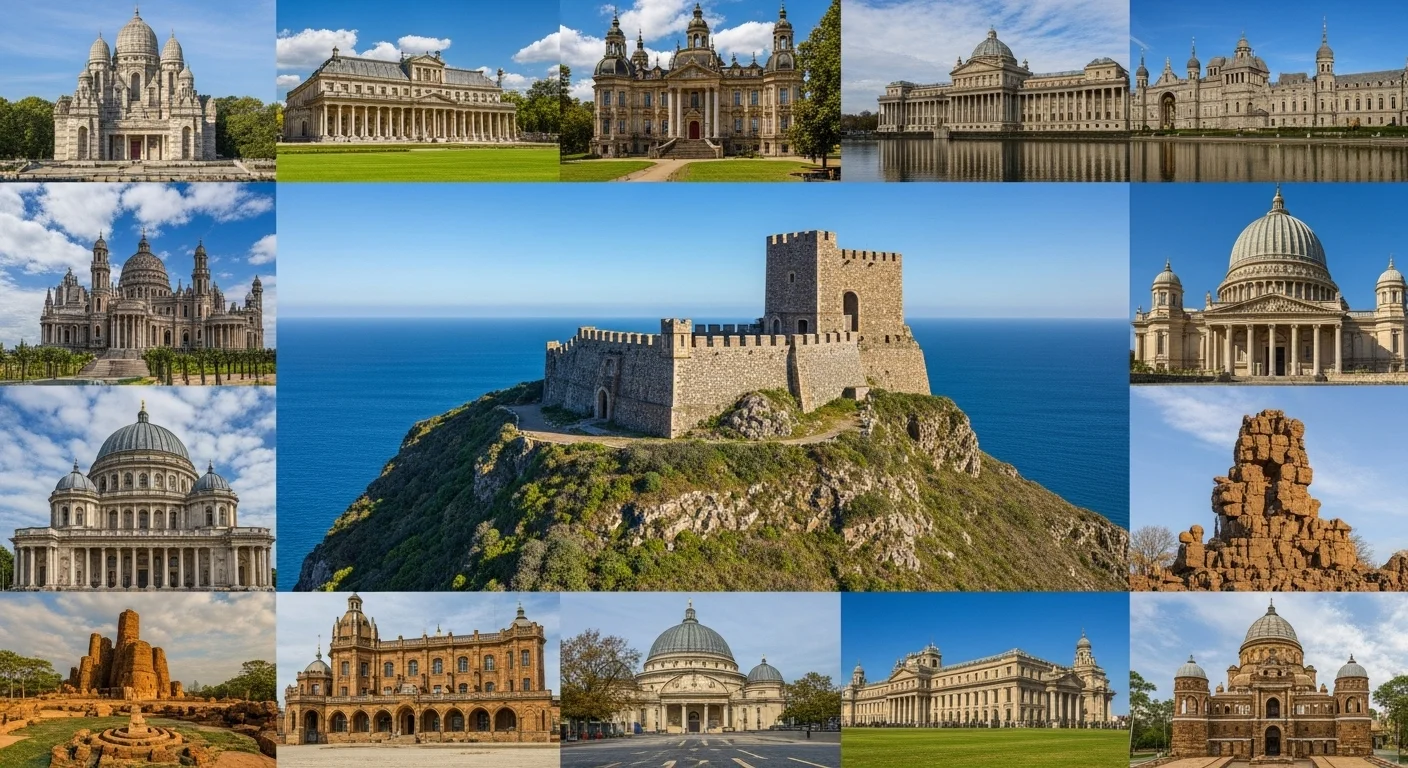
Are you dreaming of exploring the world without breaking the bank? Visiting UNESCO World Heritage Sites can be an incredible way to experience culture, history, and breathtaking scenery—all while keeping your budget in check. Let’s dive into some amazing options!
Understanding UNESCO World Heritage Sites
What is a UNESCO World Heritage Site?
I’ve always been fascinated by the concept of UNESCO World Heritage Sites. These are places recognized by the United Nations Educational, Scientific and Cultural Organization for their cultural, historical, scientific, or other forms of significance. There’s something special about visiting a site that’s acknowledged globally for its importance. When I first learned about them, I couldn’t believe how many incredible places existed around the world that are not just beautiful but also tell the story of our shared humanity.
Criteria for Selection
To be designated as a UNESCO World Heritage Site, a location must meet at least one out of ten criteria established by the organization. Some of these criteria include representing a masterpiece of human creative genius or exhibiting an important interchange of human values, over a span of time or within a cultural area of the world. I remember discussing this with friends while planning a trip, and we were amazed at how many sites have rich histories that reflect the artistry and struggles of past civilizations.
Importance of Preservation
Preserving these sites is crucial because they serve as a window into our past. Without proper care, they could be lost to time or damaged by climate change, tourism, or neglect. I feel a strong sense of responsibility when visiting these places; my experience becomes part of their ongoing story. Knowing that I’m contributing to their preservation by visiting helps me appreciate them even more.
Top 10 Affordable UNESCO World Heritage Sites to Visit
1. Great Wall of China, China
Overview and History
The Great Wall of China is one of the most iconic structures in the world. Stretching over 13,000 miles, it was built over several centuries to protect Chinese states from invasions. I remember standing on a section of the wall, feeling the weight of history around me. It’s not just a wall; it’s a testament to human ingenuity and determination.
Best Times to Visit
The best times to visit are during spring (April to June) and fall (September to November) when the weather is mild and the crowds are smaller. I visited in October, and the fall foliage made the experience even more magical.
Budget-Friendly Tips
To keep costs down, consider taking public transportation to the wall instead of joining a tour. I found that taking a local bus was not only cheaper but also gave me a glimpse into daily life in China. Pack your own snacks to enjoy while exploring, as food prices near tourist sites can be high.
2. Acropolis of Athens, Greece
Overview and History
The Acropolis is a symbol of ancient Greece, featuring remarkable structures like the Parthenon. When I stood atop the Acropolis, I couldn’t help but think about the philosophers and artists who walked the same paths centuries ago. It felt like stepping back in time.
Best Times to Visit
Spring and fall are ideal, with fewer tourists and comfortable weather. I visited in late September, when the sun was warm but not scorching, making it perfect for exploring.
Budget-Friendly Tips
Entry fees can add up, but I recommend visiting on the first Sunday of the month from November to March when entry is free. Also, consider getting a combined ticket for multiple sites to save money. I found exploring nearby neighborhoods for affordable dining options to be enjoyable and a great way to experience local culture.
3. Historic Centre of Florence, Italy
Overview and History
Florence is known as the birthplace of the Renaissance. The Historic Centre is home to stunning art and architecture. Walking through the cobblestone streets, I felt surrounded by the ghosts of artists like Michelangelo and Da Vinci. Each corner held a piece of history waiting to be discovered.
Best Times to Visit
The best time to visit Florence is during the shoulder seasons—spring and fall. I went in early May, and the weather was perfect for exploring without overwhelming crowds.
Budget-Friendly Tips
Getting around Florence is easy and affordable by walking. I also loved visiting smaller museums, which often have lower entrance fees. Don’t forget to enjoy the local street food; it’s delicious and budget-friendly!
4. Ancient City of Petra, Jordan
Overview and History
Petra, often referred to as the “Rose City,” is famous for its rock-cut architecture and water conduit system. When I first laid eyes on the Treasury, I was completely awestruck. It felt like being in a real-life treasure hunt!
Best Times to Visit
The ideal time to visit Petra is during spring (March to May) and fall (September to November) when temperatures are milder. I visited in late April, and the blooming flowers added to the stunning landscape.
Budget-Friendly Tips
Consider staying in nearby Wadi Musa, where accommodations are often cheaper. I found joining a local guide for a small fee was a great investment, as they shared fascinating stories about the city’s history. Bring your own water and snacks to save on costs while exploring.
5. Stonehenge, England
Overview and History
Stonehenge is one of the world’s most famous prehistoric monuments, shrouded in mystery. When I visited, I felt a deep sense of wonder about the people who built this remarkable site. Standing there, I couldn’t help but think about the countless generations who have pondered its purpose.
Best Times to Visit
Late spring and early fall are great times to visit. I went in June, and the long daylight hours allowed me to explore without feeling rushed.
Budget-Friendly Tips
To save on entry fees, consider visiting during off-peak hours. I also recommend taking a bus or train from London, as this can be more economical than driving. Pack a picnic to enjoy in the surrounding fields—it’s a lovely way to soak in the atmosphere!
6. Chichen Itza, Mexico
Overview and History
Chichen Itza is one of the most famous archaeological sites in Mexico and a significant remnant of the Mayan civilization. When I visited, I was in awe of the El Castillo pyramid, which stands majestically against the backdrop of the Yucatan forest. The site is a blend of history, culture, and astronomical significance. I learned that during the equinox, the shadows cast by the pyramid create a serpent effect, symbolizing the descent of the feathered serpent god. It felt like stepping into a living history book, where every stone has a story to tell.
Best Times to Visit
The best time to visit Chichen Itza is during the dry season, from November to April. I went in early March, and the weather was absolutely perfect for exploration—not too hot, and the crowds were manageable. I recommend arriving early to beat the heat and enjoy the site before the larger tour groups arrive.
Budget-Friendly Tips
To save money, consider taking a bus from Cancun or Playa del Carmen instead of a tour. The bus is affordable and gives you the flexibility to explore at your own pace. I also packed my own lunch, which was a great way to enjoy a picnic while soaking in the stunning views. Don’t forget to bring plenty of water, as it can get very hot!
7. Iguazu National Park, Argentina/Brazil
Overview and History
Iguazu Falls is one of the most breathtaking natural wonders I’ve ever encountered. The massive waterfalls stretch across the border of Argentina and Brazil, creating a stunning panorama. Standing at the edge of the falls, I felt the mist on my face and heard the thunderous roar of water plunging into the river below. It’s an experience that connects you to nature in a profound way, reminding us of the planet’s incredible power and beauty.
Best Times to Visit
The best time to visit is during the shoulder seasons, from March to May and September to November, when the weather is mild and the crowds are thinner. I visited in late April, and the experience was magical with fewer tourists and vibrant greenery all around.
Budget-Friendly Tips
To keep costs down, I recommend staying in Puerto Iguazu, where accommodations are more affordable. You can easily walk to the park entrance, or take a local bus to save money on transport. Inside the park, I found that bringing my own snacks and drinks helped reduce expenses while enjoying the trails and viewpoints.
8. Historic Town of Dubrovnik, Croatia
Overview and History
Dubrovnik, famously known as the “Pearl of the Adriatic,” is a beautifully preserved medieval town. Walking along the city walls, I felt like I had stepped into a fairy tale, with its terracotta roofs and stunning sea views. The history here is rich, with influences from various cultures. I remember visiting the Rector’s Palace and marveling at its blend of Gothic and Renaissance architecture—it’s a true testament to the city’s storied past.
Best Times to Visit
Visiting in the late spring or early fall is ideal. I went in early October, and the weather was still warm, but the tourist crowds had thinned out. This made wandering through the narrow alleyways and enjoying local cuisine much more pleasant.
Budget-Friendly Tips
To save money, explore Dubrovnik on foot. While the city walls have an entrance fee, the views from outside are still spectacular. I also found that dining in the less touristy areas offered delicious meals at lower prices. Trying local street food, like burek, was a highlight of my trip!
9. Old City of Jerusalem and Its Walls, Israel
Overview and History
The Old City of Jerusalem is a unique blend of history, culture, and spirituality. Walking through the narrow streets, I felt the weight of thousands of years of history. Key sites like the Western Wall, the Church of the Holy Sepulchre, and the Dome of the Rock are all located here. I was struck by the diversity of people and cultures, all coexisting in this sacred space.
Best Times to Visit
The best times to visit Jerusalem are during spring (March to May) and fall (September to November). I visited in early April, and the pleasant weather made it easy to explore without feeling rushed.
Budget-Friendly Tips
To keep costs down, I recommend staying in hostels or guesthouses outside the Old City and using public transportation to get around. Many of the major sites are free to enter or have minimal fees. I also enjoyed visiting some of the local markets, where I could find affordable meals and unique souvenirs.
10. Rani-ki-Vav (Queen’s Stepwell), India
Overview and History
Rani-ki-Vav is a stunning stepwell located in Gujarat, India. It was built in the 11th century and is known for its intricate carvings and design. When I visited, I was amazed by the architectural beauty and the artistry displayed in every corner. It’s fascinating to think about how this structure was not just a water reservoir but also a social and cultural hub for the community.
Best Times to Visit
The best time to visit Rani-ki-Vav is from October to March, when the weather is cooler and more comfortable for exploring. I went in December, and the mild temperatures made my experience enjoyable.
Budget-Friendly Tips
Entry fees to Rani-ki-Vav are very affordable, and I recommend spending a leisurely afternoon here. To save on food costs, consider eating at local eateries rather than tourist spots. I found the local cuisine to be delicious and much cheaper, plus it offered an authentic taste of the region.
Planning Your Visit
How to Get There
When I plan a trip to a UNESCO World Heritage Site, the journey often becomes part of the adventure. For some destinations, I’ve found that flying is the quickest option, but there are also many places accessible by train or bus, which can be a fun way to see the countryside. For instance, when I went to Florence, I took a train from Rome, which was not only economical but also gave me a chance to enjoy the beautiful Italian landscapes along the way. Each site has its own unique transportation options, so I recommend checking local travel guides or websites for the best routes.
Accommodations Near Each Site
Finding a place to stay can be a delightful part of the planning process. I love staying in local guesthouses or small hotels that offer a more personal experience than large chains. For example, when I visited Petra, I opted for a charming inn in Wadi Musa, which was just a short walk from the entrance to the site. This made it super convenient for early morning visits. Remember to book in advance, especially in popular tourist seasons, to ensure you get the best deals and locations.
Local Transportation Options
Once I arrive at my destination, I always look for local transportation options to explore the area. Public transport, like buses and trams, is often affordable and gives you a chance to mingle with locals. In Dubrovnik, I used the local bus system to navigate around the city, which was efficient and saved me on taxi fares. For many UNESCO sites, walking is also a wonderful option, as it allows you to soak in the surroundings and discover hidden gems you might miss while zooming by in a car. Just be sure to wear comfortable shoes!
Dining and Local Cuisine
For me, food is an essential part of travel. Exploring local cuisine can be both a cultural experience and a way to save money. In Jerusalem, I stumbled upon a small market where I tasted delicious falafel and fresh pita bread—much cheaper than dining in touristy restaurants. I’ve found that eating at local eateries not only helps my budget but also provides a more authentic taste of the culture. I remember enjoying a delightful meal of fresh seafood in Dubrovnik by a local vendor, which was both satisfying and easy on the wallet. Always keep an eye out for street food; some of my best meals have come from small carts!
Tips for Budget Travelers
Finding Affordable Flights
One of the biggest expenses when traveling is often flights, but I’ve learned a few tricks to find affordable options. I typically start my search on flight comparison websites to compare prices across multiple airlines. Setting up fare alerts has worked wonders for me too; I get notified when prices drop for my desired routes. Additionally, being flexible with travel dates can lead to significant savings. I often aim to fly mid-week when ticket prices tend to be lower. In my experience, booking in advance usually helps, but sometimes last-minute deals pop up, especially during off-peak seasons.
Budget Accommodation Options
When it comes to accommodations, I often rely on platforms like Airbnb or hostels. They can provide unique experiences at a fraction of the cost of hotels. I remember staying in a cozy shared room in a hostel in Athens, where I met fellow travelers and exchanged stories over breakfast. Plus, many hostels offer kitchen facilities, which allows you to prepare some of your own meals and save even more money. If you prefer more privacy, look for guesthouses or boutique hotels that are affordable yet charming.
Cost-Saving Travel Apps
In today’s tech-savvy world, I’ve discovered some amazing travel apps that help me save money and stay organized. Apps like Skyscanner and Hopper help me track flight prices, while Google Maps is my go-to for navigating new cities. I also love using apps like Citymapper for public transport directions. For accommodations, I often check out Hostelworld or Booking.com for the best deals and user reviews. Utilizing these resources can make a significant difference in my travel experience and budget!
Free and Low-Cost Activities Near Heritage Sites
Exploring UNESCO sites can be an affordable adventure if you know where to look for free or low-cost activities. Many cities offer free walking tours, which provide insightful commentary while allowing you to see the main highlights. For instance, during my trip to Florence, I joined a free walking tour that introduced me to the history of the city without costing a dime. Additionally, local parks and public spaces often have free events or festivals, providing a taste of the local culture. I always recommend checking the local tourism office for a calendar of events; you might find hidden treasures waiting to be discovered!
Frequently Asked Questions
What is a UNESCO World Heritage Site?
A UNESCO World Heritage Site is a location recognized by the United Nations Educational, Scientific and Cultural Organization for its cultural, historical, scientific, or other forms of significance. These sites are acknowledged globally for their importance and offer a glimpse into our shared humanity.
What criteria must a location meet to be designated as a UNESCO World Heritage Site?
To be designated as a UNESCO World Heritage Site, a location must meet at least one out of ten established criteria, such as representing a masterpiece of human creative genius or exhibiting an important interchange of human values over time or within a cultural area.
Why is it important to preserve UNESCO World Heritage Sites?
Preserving these sites is crucial as they serve as a window into our past. Without proper care, they could be lost to time or damaged by climate change, tourism, or neglect. Visiting these places contributes to their ongoing story and appreciation.
When is the best time to visit the Great Wall of China?
The best times to visit the Great Wall of China are during spring (April to June) and fall (September to November) when the weather is mild and the crowds are smaller.
What are some budget-friendly tips for visiting the Acropolis of Athens?
To save money when visiting the Acropolis, consider going on the first Sunday of the month from November to March when entry is free, and look for combined tickets for multiple sites. Exploring nearby neighborhoods for affordable dining options can also be enjoyable.
What is the ideal time to explore the Ancient City of Petra?
The ideal time to visit Petra is during spring (March to May) and fall (September to November) when temperatures are milder, making for a more pleasant experience.
How can travelers save money when visiting Stonehenge?
Travelers can save on entry fees by visiting during off-peak hours and consider taking a bus or train from London, which can be more economical than driving. Packing a picnic to enjoy in the surrounding fields is also a great idea.
What is the best way to explore Chichen Itza affordably?
To save money at Chichen Itza, consider taking a bus from Cancun or Playa del Carmen instead of a tour, which allows for flexibility and is more affordable. Packing a lunch can also enhance the experience while saving on food costs.
What are some tips for finding affordable flights for travel?
To find affordable flights, travelers can start by using flight comparison websites, setting up fare alerts for price drops, and being flexible with travel dates to take advantage of lower mid-week fares. Booking in advance is generally helpful but last-minute deals can also be found.
What are some budget accommodation options for travelers?
Travelers can find budget accommodations through platforms like Airbnb or hostels, which can provide unique experiences at lower costs. Many hostels offer kitchen facilities to prepare meals, further saving money.
Read Interesting article: Discover Indigenous Heritage Sites: A Backpacker’s Guide
Read Interesting article: Essential Guide to Affordable Buddhist Pilgrimages Worldwide