
Traveling is an adventure, and what better way to soak in the local culture than through cooking? Budget cooking classes can elevate your travel experience, allowing you to learn, taste, and enjoy the culinary delights of different regions. Taste the World: Best Cooking Classes for Budget Travelers is a great resource for discovering more about this.
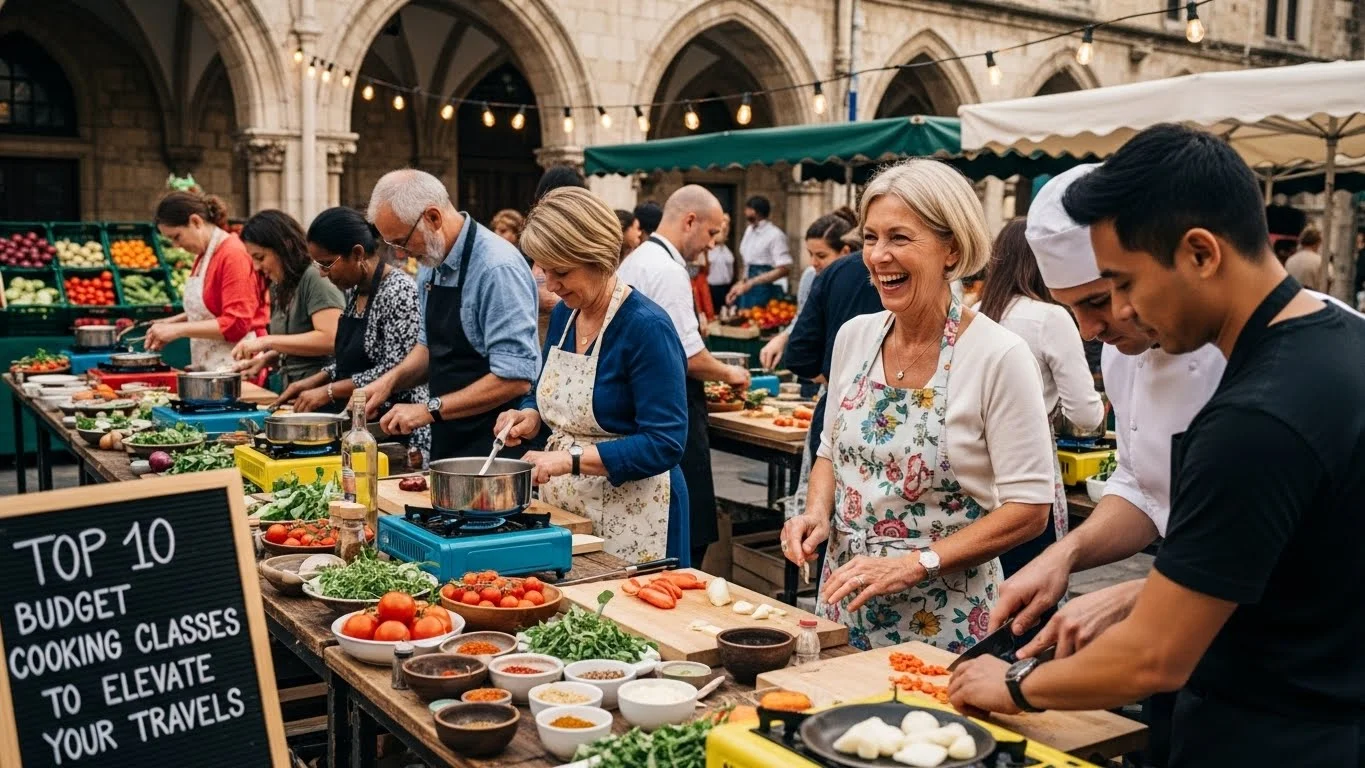
Understanding the Importance of Cooking Classes While Traveling
When I first started traveling, I never considered taking cooking classes. I thought they might be too expensive or just not worth the time. But after my first cooking class in Thailand, I realized how much these experiences could enhance my travels. Cooking classes offer a unique lens through which to explore a culture, and here’s why I believe they are essential.
Enhancing Cultural Experience
Cooking is an integral part of any culture, and by participating in a cooking class, you’re not just learning how to prepare a dish; you’re also getting a taste of the local traditions and customs. I remember standing in a rustic kitchen in Florence, surrounded by vibrant ingredients and the sound of laughter as locals shared their family recipes. It felt like I was part of something bigger, a shared love for food that transcended language barriers. Each dish I learned to make was a story waiting to be told, from the spices of India to the fresh herbs of Italy. These classes have this magical ability to deepen my understanding of a destination.
Budget-Friendly Learning Opportunities
Traveling can be costly, and sometimes, we overlook experiences that might seem expensive upfront. But I’ve discovered that budget cooking classes don’t just fit my wallet—they often offer the best value for money. Many local chefs and culinary schools provide affordable classes that include hands-on experience, recipes, and even meals. For instance, I found a cooking class in Mexico that cost less than a nice dinner but provided a full day of learning, cooking, and eating. Plus, I walked away with new skills that I could use back home. It’s like taking a piece of my travels with me! If you’re interested in more budget options, check out Discover Budget Gastronomic Tours in Iconic Cities.
Criteria for Selecting Budget Cooking Classes
Now that I’ve shared why I think cooking classes are important, let’s dive into what to look for when selecting the right one for you. Whether you’re in an exotic location or a quaint town, these criteria can help you find a class that fits your needs and budget.
Location and Accessibility
When I plan my travels, I always consider how accessible the cooking class is. I’ve found that classes in bustling markets or scenic spots provide a richer experience. For example, a cooking class in a local home outside the city can offer a unique perspective on the regional lifestyle. Make sure the location is easily reachable from where you’re staying, and consider any transport costs involved. It can really affect your overall budget!
Class Size and Instructor Qualifications
I’ve attended both small, intimate classes and larger group sessions, and I must say, the smaller classes were far more rewarding. With fewer participants, I felt more connected with the instructor and received personalized attention. I recommend looking for classes with around 8-12 students. Additionally, check the instructor’s background. A passionate local chef with years of experience can provide insights that a casual cook might not. Their stories and techniques can transform a simple class into an unforgettable experience.
Type of Cuisine Offered
Think about what type of cuisine excites you the most. I once took a class focused on street food in Vietnam, and it was a game-changer. Each country has unique flavors and cooking methods, and exploring these through a class can be enlightening. I suggest choosing classes that offer hands-on experience with dishes you genuinely want to learn. It keeps the experience enjoyable and makes the learning process feel more relevant. For more culinary exploration, Explore Culinary Delights: Budget City Tours Await You.
Cost and Inclusions
While it’s great to find budget-friendly classes, it’s also important to understand what’s included in the price. I’ve signed up for classes that listed a low fee but didn’t include ingredients or materials. Always check if the class includes a meal, recipes, or any additional items like cooking utensils. You want to ensure you’re getting the best bang for your buck. I’ve learned that sometimes spending a little more can lead to a much richer experience.
Top 10 Budget Cooking Classes Around the World
After diving into the criteria for selecting the right cooking class, I want to share some experiences that have truly stood out to me. Here are my top ten budget cooking classes from around the globe that not only fit the wallet but also enrich the travel experience.
1. Cooking Class in Florence, Italy
When I found a cooking class in Florence, I was thrilled. This class took place in a cozy kitchen nestled in a charming villa just outside the city. The chef, a local with a passion for Tuscan cuisine, guided us through making fresh pasta from scratch. I remember kneading the dough and rolling it out until it was paper-thin. The best part? We enjoyed our labor of love with a glass of Chianti while overlooking the stunning Tuscan hills. The cost was surprisingly reasonable, especially for the incredible food and the memories I created.
2. Street Food Cooking Class in Bangkok, Thailand
In Bangkok, I stumbled upon a street food cooking class that promised an authentic experience. We started our day at a local market, where our instructor taught us about ingredients like lemongrass and galangal. I loved learning how to make pad thai and mango sticky rice under the shade of a bustling food stall. The class was interactive and affordable, and I left with a deeper appreciation for Thailand’s vibrant street food scene.
3. Mexican Cooking Class in Oaxaca, Mexico
Oaxaca is known for its rich culinary traditions, and the cooking class I joined was a true gem. It was held in a local home, where we learned to make mole from scratch. I remember the aroma of toasting chilies wafting through the air as we mixed various ingredients. This class was not only budget-friendly but also gave me insight into the cultural significance of mole in Mexican cuisine. Plus, I left with a recipe that I still use today!
4. Indian Cooking Class in Jaipur, India
During my travels in India, I enrolled in a cooking class that focused on Rajasthani cuisine. I was nervous but excited to try my hand at making dishes like dal baati churma. The instructor was incredibly patient, guiding us through the process of balancing spices and cooking techniques. The class was surprisingly affordable, and the warmth of hospitality I experienced made it even more special. Sharing the meal we cooked with fellow participants turned out to be one of my favorite travel memories.
5. French Cooking Class in Paris, France
My French cooking class in Paris was like a dream come true. I booked it at a small culinary school in a historic building. We learned to make classic dishes like coq au vin and crème brûlée. The atmosphere was vibrant, and I enjoyed every moment of wielding a chef’s knife under the guidance of a professional chef. Though it was a bit pricier than some other classes, the quality of instruction and the ambiance made it worth every penny.
6. Sushi Making Class in Tokyo, Japan
In Tokyo, I was eager to dive into sushi-making. I found a budget-friendly class in a traditional setting where we learned the art of making nigiri and maki rolls. The instructor was engaging, sharing stories about the history of sushi while we crafted our rolls. This class was hands-on, and learning about the specific types of rice and fish used in sushi was fascinating. The experience was authentic and delightful, making it a highlight of my visit.
7. Mediterranean Cooking Class in Barcelona, Spain
I took a Mediterranean cooking class in Barcelona that focused on traditional Spanish dishes. We made paella and tapas, which was a fantastic way to dive into the local culture. The instructor was a local chef who shared insights about the flavors and techniques unique to Catalonia. The class was affordable and included a lovely meal at the end, where we all sat together, sharing stories and laughter over the dishes we prepared.
8. Traditional Cooking Class in Marrakech, Morocco
In Marrakech, I enrolled in a traditional cooking class held in a riad with stunning views of the city. We learned to make tagine and Moroccan salads, and I was amazed by how much flavor could come from simple ingredients. The instructor was not only knowledgeable but also passionate about her heritage. This experience was budget-friendly and felt like stepping into another world, complete with spices and aromas that lingered in my memory long after.
9. Southern Cooking Class in New Orleans, USA
New Orleans’ culinary scene is vibrant, and I was eager to learn more about Southern cooking. I found a budget-friendly class where we made gumbo and beignets. The instructor infused the session with stories of New Orleans’ history, giving context to the dishes we prepared. This class was a delightful mix of cooking and culture, and it was one of those experiences that felt like a warm hug from the city.
10. Vegan Cooking Class in Sydney, Australia
As a vegan, I was thrilled to discover a vegan cooking class in Sydney. The class showcased local produce and innovative recipes. We made dishes like quinoa salad and raw desserts, which opened my eyes to new flavors and cooking techniques. The instructor was enthusiastic and shared tips on sourcing local ingredients. It was a budget-friendly option that left me inspired to try new meals at home.
What to Expect from a Budget Cooking Class
Now that we’ve explored a few fantastic cooking classes, let’s talk about what you can expect when you sign up for one. I’ve had my fair share of experiences, and I believe knowing what to anticipate can enhance your enjoyment.
Hands-On Experience
One of the best things about cooking classes is the hands-on experience. I’ve always appreciated getting my hands dirty in the kitchen, whether it’s chopping vegetables or stirring a pot. Many classes emphasize participation, which allows you to practice techniques directly under the guidance of a skilled chef. It’s a fantastic way to learn and feel more connected to the food you’re preparing.
Ingredients and Equipment Provided
Before attending a class, I often check to see what ingredients and equipment are provided. In most budget classes, everything is typically included, from fresh produce to cooking utensils. I find it comforting to know I won’t have to worry about bringing anything extra. This ensures I can focus on the cooking and learning aspect without added stress.
Duration and Class Structure
The duration and structure of cooking classes can vary. I’ve experienced everything from short two-hour sessions to full-day immersions. Understanding how the class is structured can help set your expectations. For instance, longer classes often include more recipes and deeper insights into techniques, which can be a great investment for those wanting to delve deeper into the culinary arts.
Tips for Making the Most of Your Cooking Class Experience
Having attended several cooking classes around the world, I’ve learned that there are ways to enhance the experience even further. From maximizing your engagement to soaking in every detail, here are some tips that I find incredibly helpful when participating in cooking classes.
Researching Local Ingredients
Before I head to a cooking class, I love to do a bit of research on the local ingredients I might encounter. This helps me appreciate the dishes more deeply. For instance, when I took a cooking class in Thailand, I read up on the significance of ingredients like fish sauce and kaffir lime leaves. Knowing their role in the cuisine made me more excited to use them. I recommend checking local food blogs or even asking locals about the specialty ingredients in the region. This not only enriches your learning experience but also connects you to the local culinary culture.
Engaging with Instructors and Fellow Participants
One of my favorite parts of cooking classes is the chance to connect with others who share a passion for food. I find that engaging with the instructor can lead to insightful conversations. I once asked a chef about their favorite dish to make at home, and their story was both inspiring and eye-opening. Similarly, chatting with fellow participants can turn a cooking class into a shared adventure. I remember bonding with a couple from Australia while making pasta in Florence, and we still keep in touch! Don’t hesitate to ask questions or share your own cooking experiences; it can make the class a lot more enjoyable.
Keeping a Cooking Journal
After attending a few classes, I realized that my memory isn’t as reliable as I’d like it to be. So, I started keeping a cooking journal. I jot down recipes, tips, and even anecdotes from the class. This has been particularly useful for revisiting specific techniques or ingredients later on. I also like to note any adjustments I made according to my taste preferences. For instance, during a class on making Indian curries, I learned how to balance spices, and I made a note of the adjustments I liked best. This journal has become a cherished keepsake, and it continues to inspire my home cooking long after my travels.
Frequently Asked Questions (FAQs)
Are budget cooking classes worth it?
Absolutely! From my experience, budget cooking classes often provide fantastic value. You gain hands-on cooking experience, learn about local cuisine, and often enjoy a meal at the end. While they may be less expensive, they can offer just as much insight and enjoyment as pricier options. I’ve found that the best memories often come from these budget-friendly adventures.
How do I find cooking classes in my travel destination?
Finding cooking classes is easier than you might think! I usually start with a quick online search, checking platforms like Airbnb Experiences, Viator, or local tourism websites. Social media can also be a great resource; searching through hashtags related to the city can lead to hidden gems. Additionally, I often ask locals for recommendations once I arrive. They can point you to authentic experiences that aren’t widely advertised.
What should I bring to a cooking class?
Most classes provide the necessary ingredients and equipment, but there are a few things I recommend bringing along. A notebook for jotting down recipes and tips, a camera if you want to capture the moments, and perhaps an apron if you prefer to wear your own. Also, wearing comfortable shoes is important, especially if you’ll be standing for a while. Some classes may have specific requirements, so it’s always good to check in advance.
Can I accommodate dietary restrictions in these classes?
Many cooking classes are quite flexible when it comes to dietary restrictions. I’ve participated in classes where the instructor was happy to modify recipes for different dietary needs, such as vegetarian or gluten-free options. It’s best to communicate your restrictions when booking the class, so the instructor can prepare accordingly. I once took a class in a vegan-friendly kitchen, and the instructor made sure all dishes were tailored to fit within that guideline. It’s wonderful to see how inclusive the culinary world can be!
Frequently Asked Questions
“`htmlAre budget cooking classes worth it?
Absolutely! From my experience, budget cooking classes often provide fantastic value. You gain hands-on cooking experience, learn about local cuisine, and often enjoy a meal at the end. While they may be less expensive, they can offer just as much insight and enjoyment as pricier options. I’ve found that the best memories often come from these budget-friendly adventures.
How do I find cooking classes in my travel destination?
Finding cooking classes is easier than you might think! I usually start with a quick online search, checking platforms like Airbnb Experiences, Viator, or local tourism websites. Social media can also be a great resource; searching through hashtags related to the city can lead to hidden gems. Additionally, I often ask locals for recommendations once I arrive. They can point you to authentic experiences that aren’t widely advertised.
What should I bring to a cooking class?
Most classes provide the necessary ingredients and equipment, but there are a few things I recommend bringing along. A notebook for jotting down recipes and tips, a camera if you want to capture the moments, and perhaps an apron if you prefer to wear your own. Also, wearing comfortable shoes is important, especially if you’ll be standing for a while. Some classes may have specific requirements, so it’s always good to check in advance.
Can I accommodate dietary restrictions in these classes?
Many cooking classes are quite flexible when it comes to dietary restrictions. I’ve participated in classes where the instructor was happy to modify recipes for different dietary needs, such as vegetarian or gluten-free options. It’s best to communicate your restrictions when booking the class, so the instructor can prepare accordingly. I once took a class in a vegan-friendly kitchen, and the instructor made sure all dishes were tailored to fit within that guideline. It’s wonderful to see how inclusive the culinary world can be!
What can I expect from a budget cooking class?
You can expect a hands-on experience where you’ll be involved in cooking under the guidance of a skilled chef. Most budget classes provide all necessary ingredients and equipment, allowing you to focus on learning. The duration and structure can vary, so understanding this beforehand can help set your expectations.
What types of cuisines can I learn in cooking classes?
Cooking classes often focus on local cuisines, allowing you to explore a variety of flavors and cooking methods. From street food in Thailand to traditional dishes in Italy or Morocco, you can choose classes that excite your culinary interests and offer hands-on experience with dishes you genuinely want to learn.
How important is the class size in cooking classes?
The class size can significantly affect your experience. Smaller classes tend to provide more personalized attention from the instructor, allowing for a more rewarding experience. Classes with around 8-12 students often facilitate better interaction and engagement compared to larger group sessions.
What should I look for when selecting a cooking class?
When selecting a cooking class, consider factors like location and accessibility, class size, instructor qualifications, type of cuisine offered, and cost inclusions. These criteria can help you find a class that best fits your needs and budget, ensuring a fulfilling cooking experience.
Are there any memorable cooking classes recommended in the article?
Yes, several memorable cooking classes are highlighted in the article, including classes in Florence, Bangkok, Oaxaca, Jaipur, Paris, Tokyo, Barcelona, Marrakech, New Orleans, and Sydney, each offering unique culinary experiences that enrich your travel.
How do cooking classes enhance cultural experiences while traveling?
Cooking classes enhance cultural experiences by allowing travelers to engage with local traditions and customs through food. They offer insights into regional cooking methods and ingredients, creating a deeper connection to the culture and providing a shared love for food that transcends language barriers.
“`