
For those of us who love climbing, finding budget-friendly gear can make all the difference. It’s possible to gear up without breaking the bank while still enjoying the thrill of the climb. To enhance your skills, consider exploring Climbing Techniques to Elevate Your Mountain Adventure Trips.
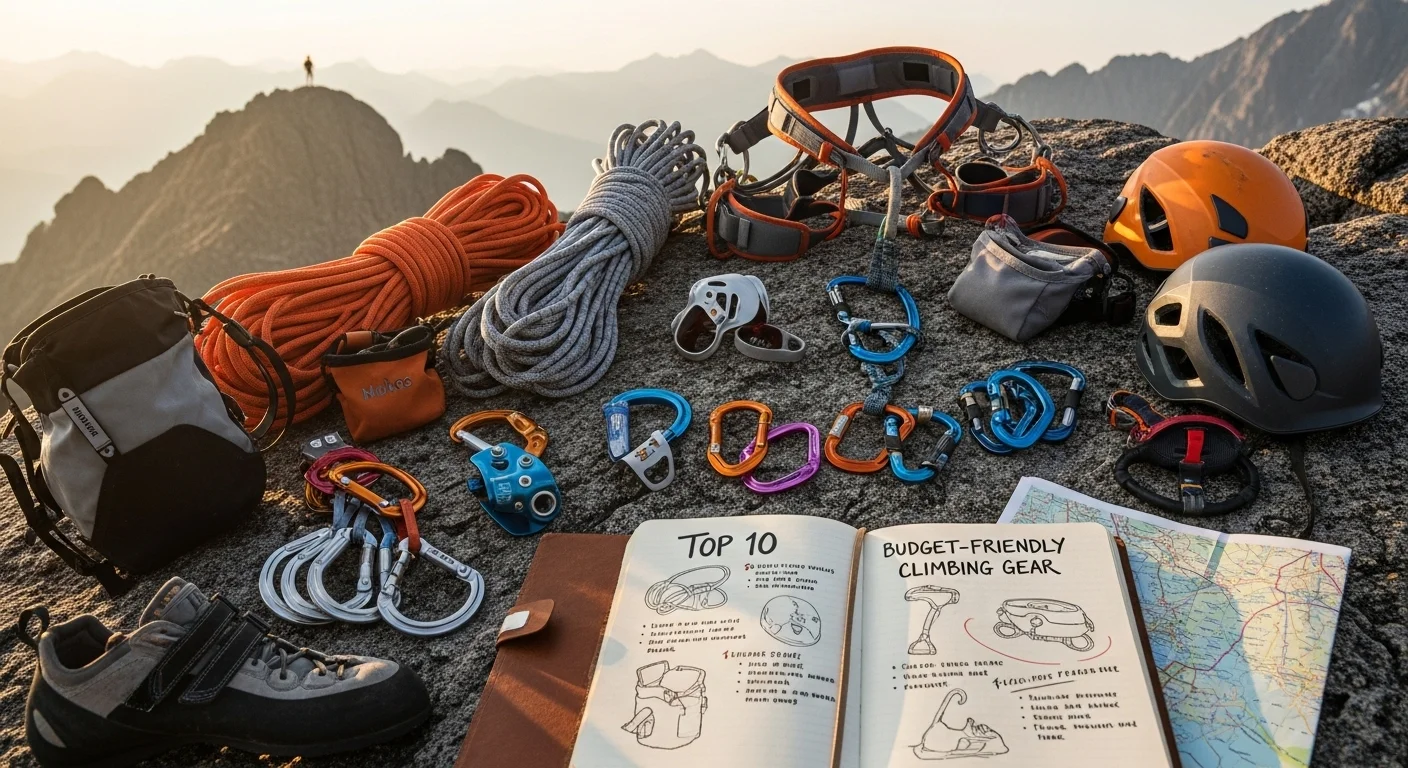
Understanding Climbing Gear Essentials
When I first started climbing, I remember feeling overwhelmed by the sheer amount of gear available. It seemed like everyone had the latest, high-end equipment, and I wondered how I could possibly afford it. After some research and experience in the climbing community, I learned that understanding the essentials of climbing gear is key to making smart choices. Let me share what I’ve discovered.
Types of Climbing Gear
Climbing gear can be divided into several categories, and knowing what you need can help you prioritize your purchases. Here’s a quick breakdown based on my experiences:
- Protection Gear: This includes items like carabiners, belay devices, and climbing ropes. These are crucial for safety and should never be compromised.
- Support Gear: Harnesses and helmets fall into this category. They’re essential for keeping you secure while you conquer those heights.
- Climbing Shoes: A good pair of climbing shoes can significantly enhance your performance. Trust me, it’s worth investing in something that fits well.
- Comfort Gear: Items like chalk bags and clothing are also important but can be found at various price points.
- Crash Pads: If bouldering is your thing, a crash pad is a must. It provides safety during falls, and I’ve learned this the hard way!
Each type of gear serves a specific purpose. When you’re starting, it’s helpful to focus on the essentials that keep you safe while you climb. Over time, you can expand your collection based on your climbing style and preferences. For more insights on climbing, check out Top Climbing Techniques Every Budget Traveler Should Know.
Importance of Quality in Climbing Equipment
Investing in quality gear is essential for safety. I’ve seen too many climbers skimp on important equipment, thinking they could save a few bucks. While I completely understand the desire to save money, there are certain items where quality should never be sacrificed. For instance, climbing ropes and harnesses are life-saving equipment. When I bought my first harness, I chose one that felt comfortable and secure, even if it was a little pricier. It gave me peace of mind while I was scaling rock faces.
Quality gear often lasts longer, which means you won’t need to replace it as frequently. I’ve noticed that spending a little more upfront can lead to savings in the long run. Plus, quality gear can enhance your climbing experience. A well-fitting harness or a reliable belay device can make a world of difference in how comfortable and secure you feel during your climbs.
As I learned to trust my gear, I felt more confident taking on new challenges. It’s so important to find a balance between budget and quality. Not every piece of gear has to be top-of-the-line, but the essentials must meet safety standards.
Top 10 Budget-Friendly Climbing Gear Options
Now that we’ve covered the basics, let’s dive into my favorite budget-friendly climbing gear options. These are the items that I’ve found to be both affordable and reliable, perfect for the adventurous soul without a hefty budget.
1. Climbing Harnesses
A good climbing harness is non-negotiable. I recommend looking for brands that offer quality at a reasonable price, like Black Diamond or Petzl. You can find models for under $100 that are comfortable and safe, perfect for beginners and seasoned climbers alike.
2. Climbing Shoes
Finding the right climbing shoes can be a game changer. I personally love the La Sportiva Tarantulace shoes. They are budget-friendly and provide great support for both indoor and outdoor climbing. The fit is crucial, so I suggest trying them on before you buy.
3. Chalk Bags
Chalk bags are relatively inexpensive, and I’ve found a few that are both stylish and functional. They keep your hands dry, which is vital for grip. Look for options under $20; brands like Petzl and Black Diamond offer great choices.
4. Carabiners
Quality carabiners are essential for safety. I recommend getting a mix of locking and non-locking carabiners. You can often find good deals on sets online. I’ve been using the Black Diamond HotForge carabiners, which are affordable and durable.
5. Climbing Ropes
A good climbing rope is an investment, but you can find budget-friendly options. I’ve used ropes from Mammut and Sterling that offer good performance without a high price tag. Look for ropes that are at least 60 meters long and have a good UIAA fall rating.
6. Helmets
Safety first! A helmet is a must-have for climbing. I found the Black Diamond Vector helmet to be lightweight and affordable, making it perfect for long days on the rock.
7. Belay Devices
For belay devices, I suggest the Petzl GriGri or the Black Diamond ATC. Both are budget-friendly and reliable. I’ve used both and felt secure while climbing.
8. Crash Pads
If bouldering is your passion, investing in a crash pad is essential. I’ve found options like the Mad Rock Drift crash pad to be affordable and effective at cushioning falls.
9. Clothing for Climbing
Climbing clothing doesn’t have to be expensive. Look for moisture-wicking fabrics that allow for movement. I love brands like Prana and Mountain Hardwear for their comfortable and durable options.
10. Portable Water Bottles
Staying hydrated is crucial while climbing. A durable, portable water bottle is a must. I recommend the Hydro Flask for its insulation and reliability, keeping my drinks cold on hot days.
With these budget-friendly options, we can equip ourselves without compromising on safety or performance. Whether you’re a newbie or looking to upgrade your gear, these options will help you enjoy climbing while keeping your wallet happy. Additionally, you might find it helpful to Master Essential Climbing Techniques for Budget Backpacking.
Where to Buy Budget-Friendly Climbing Gear
Finding the right places to purchase climbing gear is just as important as the gear itself. Over the years, I’ve learned where to look for the best deals without sacrificing quality. Here’s a rundown of the options that have worked for me.
Online Retailers
Online shopping has been a game changer for me when it comes to finding budget-friendly climbing gear. Websites like REI, Backcountry, and Amazon often have sales, discounts, and a wide range of brands to choose from. One thing I always do is compare prices across different sites before making a purchase. It’s surprising how much I can save just by spending a few extra minutes doing some research.
Additionally, I’ve found that subscribing to newsletters from these retailers can be beneficial. They often send out exclusive deals and notifications about clearance sales. Recently, I grabbed a fantastic deal on a climbing harness through an email alert, which made my day!
Another great online resource is second-hand marketplaces like eBay and Poshmark. I’ve had success finding lightly used gear at a fraction of the original price. Just remember to read the reviews and ask the seller specific questions about the item’s condition before making a purchase.
Local Outdoor Stores
While online shopping is convenient, I’ve always enjoyed the experience of visiting local outdoor stores. There’s something special about seeing the gear in person, trying it on, and getting advice from knowledgeable staff. I remember my first trip to a local climbing shop; I felt like a kid in a candy store! The staff was passionate about climbing and offered invaluable insights into the best options for my budget.
Many local stores also have sales and clearance sections where you can find great deals. It’s worth checking out the store’s calendar for events, too. Some shops host gear swaps or sales during climbing festivals, which can yield fantastic bargains. Plus, supporting local businesses is something I genuinely value.
If you’re new to climbing, I recommend taking advantage of the opportunity to ask questions and seek advice while you’re there. The staff can guide you to the best budget-friendly options based on your needs and preferences, which has helped me countless times in my climbing journey.
How to Choose the Right Gear for Your Needs
Assessing Your Climbing Style
Choosing the right gear boils down to understanding your climbing style. I’ve gone through different phases in my climbing journey—bouldering, sport climbing, and trad climbing—and each style requires specific gear. I remember when I first started bouldering, I bought a crash pad without really knowing how to evaluate it. After a couple of climbs, I realized it wasn’t thick enough for my comfort level, and I ended up buying a better one shortly after.
Take some time to think about where you’ll be climbing most often. If you’re going to be bouldering, then investing in a sturdy crash pad is essential. For sport climbing, prioritize a good harness and rope. Understanding your climbing style will help you make informed decisions about your gear, ensuring that you get the best items for your needs.
Evaluating Durability vs. Cost
When I first started buying gear, I often focused solely on the price. While it’s essential to stay within budget, I learned the hard way that some cheap gear doesn’t last. For example, I bought a budget harness early on, thinking I was saving money. However, it wore out quickly, and I ended up needing to replace it sooner than I anticipated. That taught me that sometimes spending a little more upfront can save me money in the long run.
In my opinion, it’s crucial to find a balance between durability and cost. I’ve found that brands like Black Diamond and Petzl often offer a great mix of affordability and quality. I recommend reading reviews and asking fellow climbers about their experiences with different gear. This way, you can make educated choices that suit your budget and last through many climbs.
Tips for Maintaining Your Climbing Gear
Once you’ve invested in climbing gear, it’s essential to keep it in good shape. I’ve learned that proper maintenance can extend the life of your equipment and ensure your safety while climbing. Here are some tips I’ve gathered over the years that have worked well for me.
Regular Inspections
One of the first rules I follow when it comes to climbing gear is to conduct regular inspections. I can’t stress enough how important this is! Before every climbing session, I take a few minutes to check my gear, particularly my harness, ropes, and carabiners. I look for any signs of wear and tear, such as frayed ropes or damaged buckles. I remember a time when I noticed a tiny tear in my chalk bag just before a climb; catching it early saved me from a potential mishap later on.
For ropes, I check for sheath damage and any noticeable cuts. It’s also wise to run your hands along the rope to feel for any irregularities. If you notice anything concerning, it’s best to retire that piece of gear. Many climbers, including myself, have learned the hard way that ignoring small issues can lead to more significant problems down the line.
Cleaning and Storage
Another aspect of maintaining climbing gear is proper cleaning and storage. After a day of climbing, I like to give my equipment a good rinse, especially if I was out on a dusty or muddy route. For my ropes, I wash them in a tub of lukewarm water with a mild soap designed for climbing gear. It’s simple, but it makes a world of difference. I’ve noticed that a clean rope lasts longer and performs better.
When it comes to storing my gear, I always make sure to keep it in a cool, dry place. I learned that moisture can lead to mold and mildew, which can damage my gear over time. I keep my harness and shoes in a breathable bag to prevent them from getting musty. Additionally, I avoid leaving my gear in direct sunlight for long periods, as UV rays can degrade materials, particularly webbing and ropes.
Lastly, I try to keep my gear organized. I have a dedicated space where I store my climbing equipment. It’s not just about convenience; it helps me keep track of what I have and what condition it’s in. I often find that being organized makes it easier to inspect my gear regularly, leading to safer climbing adventures.
Safety Considerations When Using Budget Gear
While budget-friendly gear is an excellent way to save money, it’s crucial to be aware of safety considerations. I’ve seen climbers get caught up in the excitement of finding great deals, only to overlook essential safety aspects. Here’s what I’ve learned from my experiences.
Understanding Gear Limits
Every piece of climbing gear has its limits, and it’s vital to be aware of those. For instance, when I first started, I bought a budget harness that looked great but had a lower weight limit than I realized. It was only after a fellow climber pointed it out that I understood the importance of matching my gear with my climbing needs. I’ve always made it a point to check the manufacturer’s specifications to ensure that my gear can handle the type of climbing I’m doing.
Additionally, it’s essential to know that just because gear is budget-friendly doesn’t mean it’s subpar. Many brands produce affordable options that meet safety standards. I always look for equipment that has certifications from recognized organizations. It gives me peace of mind knowing that I’m using gear that has been tested for safety.
Recognizing Wear and Tear
Recognizing wear and tear is another critical factor in ensuring safety while using budget gear. I learned this lesson when I failed to notice the gradual fraying of my climbing rope. It wasn’t until I was inspecting it before a climb that I realized I should have replaced it sooner. Now, I’ve made it a habit to monitor my gear closely and replace anything that shows significant wear.
It’s also important to keep track of the age of your gear. Many climbing experts recommend replacing ropes every five years, even if they seem fine, due to material degradation over time. For harnesses and other equipment, I look for specific guidelines from manufacturers to know when it’s time for a replacement.
In my experience, it’s better to be safe than sorry. Being vigilant about the condition of our gear not only protects us but also our climbing partners. The more we take care of our equipment, the safer our adventures will be.
Community Resources for Climbing Enthusiasts
As I’ve navigated my climbing journey, I’ve discovered the importance of community resources. Connecting with fellow climbers and utilizing shared knowledge has significantly enhanced my skills and experiences. Here are a couple of community resources I’ve found especially helpful.
Climbing Forums and Groups
Climbing forums and online groups have been a treasure trove of information for me. Websites like Mountain Project and various Facebook groups offer spaces to ask questions, share experiences, and seek advice from seasoned climbers. I remember posting a question about budget-friendly gear, and I received a flood of recommendations from experienced climbers who had been in my shoes. Their insights helped me choose wisely without compromising safety or performance.
Participating in these forums has also allowed me to stay updated on gear sales, local climbing events, and workshops. It’s incredible how a simple post can lead to valuable connections and learning opportunities.
Local Climbing Classes and Workshops
Taking part in local climbing classes and workshops has been a game changer for my climbing skills. Many local climbing gyms and outdoor centers offer courses that cover everything from basic climbing techniques to advanced safety practices. I remember attending a workshop on gear maintenance, which opened my eyes to proper care techniques I hadn’t considered before.
These classes not only improve your skills but also provide a chance to meet fellow climbers who share your passion. I’ve made some of my closest climbing friends through these workshops, and we often exchange tips and gear recommendations. Plus, it’s a fantastic way to build confidence and learn in a supportive environment.
Incorporating community resources into your climbing journey can elevate your experience and equip you with knowledge that lasts a lifetime. Whether you’re seeking advice on gear, training, or local climbing spots, the climbing community is always eager to share its wisdom.
Frequently Asked Questions
What are the essential types of climbing gear?
Climbing gear can be divided into several categories: Protection Gear (carabiners, belay devices, climbing ropes), Support Gear (harnesses, helmets), Climbing Shoes, Comfort Gear (chalk bags, clothing), and Crash Pads (for bouldering).
Why is investing in quality climbing gear important?
Investing in quality gear is essential for safety, as certain items like climbing ropes and harnesses are life-saving equipment. Quality gear often lasts longer and enhances your climbing experience, providing peace of mind while climbing.
What are some budget-friendly climbing gear options?
Some budget-friendly climbing gear options include climbing harnesses, climbing shoes (like La Sportiva Tarantulace), chalk bags, carabiners (such as Black Diamond HotForge), climbing ropes from Mammut and Sterling, helmets (like the Black Diamond Vector), belay devices (Petzl GriGri or Black Diamond ATC), crash pads (Mad Rock Drift), climbing clothing (Prana and Mountain Hardwear), and portable water bottles (Hydro Flask).
Where can I buy budget-friendly climbing gear?
Budget-friendly climbing gear can be purchased from online retailers like REI, Backcountry, and Amazon, as well as local outdoor stores. Online shopping often provides sales and discounts, while local stores offer the chance to try gear on and receive expert advice.
How can I choose the right climbing gear for my needs?
Choosing the right climbing gear involves assessing your climbing style, such as bouldering, sport climbing, or trad climbing. Understanding your specific needs and evaluating gear durability versus cost can help you make informed decisions.
What are some tips for maintaining climbing gear?
To maintain climbing gear, conduct regular inspections before climbs, clean gear after use, and store it in a cool, dry place. Keeping gear organized also helps in tracking its condition and ensuring safety.
What safety considerations should I keep in mind when using budget gear?
When using budget gear, it’s crucial to understand gear limits and be aware of wear and tear. Always check manufacturer specifications and certifications to ensure safety, and monitor the condition of your gear regularly.
How often should climbing ropes be replaced?
Many climbing experts recommend replacing climbing ropes every five years, even if they appear fine, due to material degradation over time. For other equipment, follow specific guidelines from manufacturers to know when replacements are needed.
What community resources are available for climbing enthusiasts?
Community resources include climbing forums and online groups (like Mountain Project) for advice and gear recommendations, as well as local climbing classes and workshops that enhance skills and provide networking opportunities with fellow climbers.
How can I find discounts on climbing gear?
To find discounts on climbing gear, subscribe to newsletters from retailers for exclusive deals, shop during sales, and explore second-hand marketplaces like eBay and Poshmark for lightly used gear at reduced prices.