
When you’re out exploring the world, keeping your food budget in check can be as important as planning your itinerary. Here are some budget-friendly foods that will keep you fueled without draining your wallet! Read Interesting article: Savor the Streets: Top Budget-Friendly Street Foods Worldwide
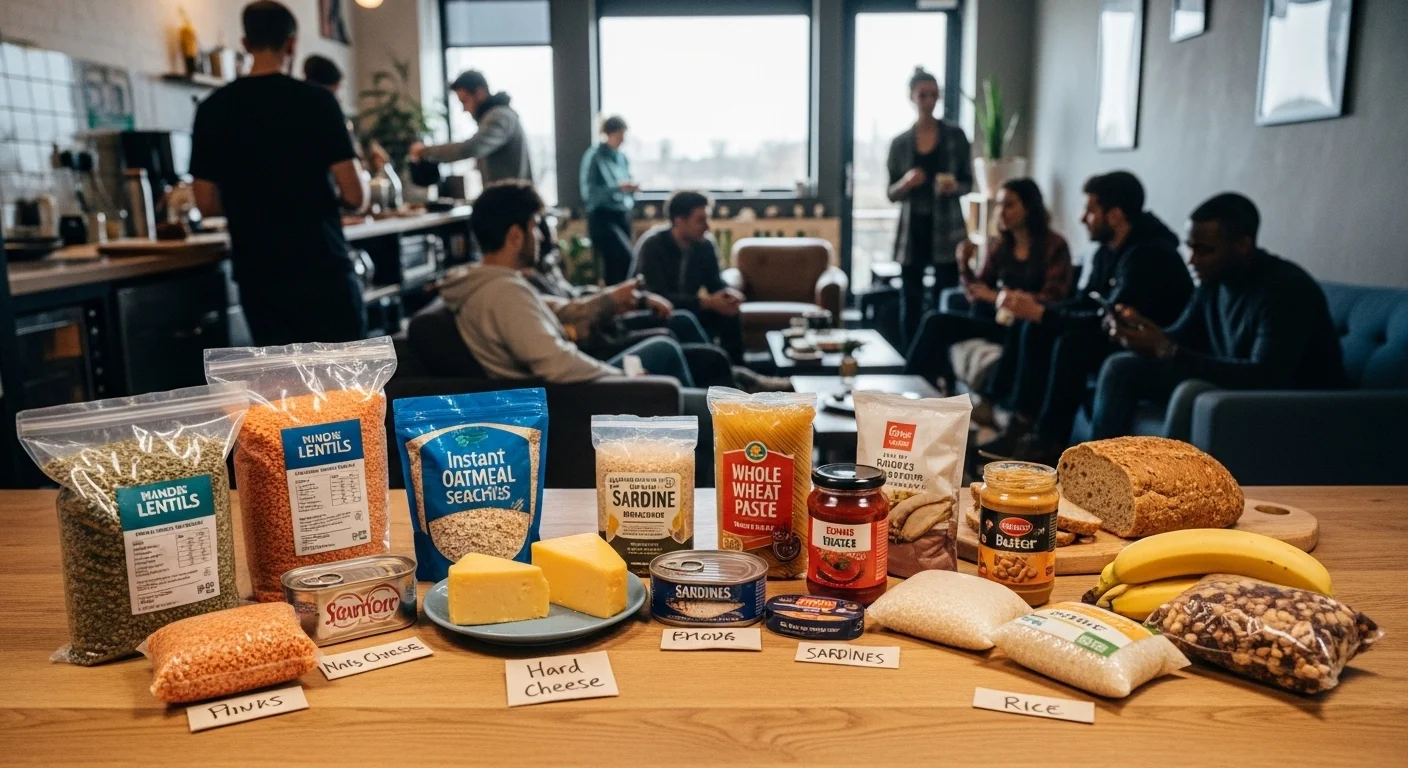
Understanding Backpacker Nutrition
The Importance of Budget-Friendly Foods
As a backpacker, I quickly learned that food expenses can add up faster than I expected. The thrill of exploring new places often clashes with the reality of my wallet’s limitations. That’s where budget-friendly foods come into play. They help us save money while still enjoying tasty meals on the go. I remember my first backpacking trip; I thought I needed fancy meals to feel satisfied. But soon, I realized that simplicity often leads to the best experiences. By choosing the right foods, we can maintain our energy levels, stay healthy, and make our adventures more enjoyable.
Nutritional Needs for Travelers
When I’m traveling, I find that my body has different nutritional needs compared to my usual routine. I need foods that provide energy, are easy to carry, and require minimal preparation. It’s essential to strike a balance between carbs, proteins, and fats to keep my energy levels stable. I often look for foods that offer a good mix of these macronutrients. For example, on longer hikes, I rely on complex carbohydrates for sustained energy, while protein helps with muscle recovery after a long day on the trail. I’ve learned that my meals should not only satisfy my hunger but also support my overall health and keep me feeling good throughout my journey.
Top 10 Budget-Friendly Foods for Backpackers
1. Instant Oatmeal
Instant oatmeal has become one of my go-to breakfast options. It’s lightweight, easy to prepare, and packed with energy. I often carry different flavors to keep things interesting. Just add hot water, and it’s ready in minutes! Plus, I can toss in nuts or dried fruits for an extra nutritional boost.
2. Rice and Lentils
Rice and lentils are staples in my backpacking pantry. They’re not only budget-friendly but also incredibly nutritious. This combo provides a complete protein source, which is crucial for muscle repair after a day of hiking. I often cook a big batch at the beginning of my trip and use it as a base for various meals. Adding spices or a splash of hot sauce makes it even better!
3. Canned Tuna or Salmon
Canned fish is another easy and affordable protein source. I love how convenient it is—just pop the lid, and it’s ready to go! Tuna or salmon can be mixed with some rice, or I can eat it right from the can. When I’m craving something tasty, I sometimes add a little mayonnaise or mustard, making it feel like a real meal.
4. Peanut Butter
Peanut butter is a backpacker’s best friend. It’s rich in healthy fats and protein, making it a filling option. I often take mini packets or a small jar with me. Spreading it on crackers or eating it with an apple is my favorite way to snack. Plus, it packs a lot of energy into a small serving, which is perfect for long hikes.
5. Dried Fruits and Nuts
Dried fruits and nuts are perfect trail snacks. I usually mix them together in a ziplock bag for easy access. The nuts provide healthy fats and protein, while the dried fruits give me a quick sugar boost when I need it most. I find that having a variety of flavors keeps me from getting bored and helps me maintain my energy on the trail.
6. Instant Noodles
Instant noodles are a classic for a reason. They’re cheap, lightweight, and super easy to prepare. I boil some water, add the noodles, and in just a few minutes, I have a warm meal. Sometimes, I add in some veggies or leftover proteins to make it more nutritious. It’s comforting after a long day of exploration.
7. Granola Bars
Granola bars are a convenient and portable snack that I almost always have on hand. They’re great for a quick energy boost during the day or as a dessert after dinner. I love trying different brands and flavors, and they’re easy to find in grocery stores. They fit perfectly in my backpack and help curb my hunger without a lot of fuss.
8. Dehydrated Meals
Dehydrated meals have come a long way since I first tried them. They’re lightweight and only require hot water, making them perfect for camping or backpacking. I usually choose meals that are high in calories and protein. It’s amazing how satisfying they can be after a long day outdoors, and I love the variety available these days.
9. Fresh Fruits and Vegetables
While fresh produce can be a bit heavier to carry, I find that picking up some fruits and veggies at local markets adds freshness to my diet. Apples, carrots, and bell peppers are my favorites because they hold up well during travel. They’re great for snacking and add essential vitamins to my meals.
10. Tortillas
Lastly, tortillas are versatile and affordable. I often use them as a wrap for all sorts of fillings—peanut butter and banana, tuna salad, or even just some cheese. They’re lightweight, easy to pack, and can be a meal in themselves or a great addition to whatever I’m making. I love how they can adapt to whatever ingredients I have on hand.
Where to Buy Budget-Friendly Foods
Local Markets vs. Supermarkets
When it comes to stocking up on budget-friendly foods while backpacking, I’ve found that local markets often have the best deals. There’s something special about wandering through vibrant markets filled with fresh produce, spices, and local specialties. I remember a trip to Thailand where I stumbled upon a bustling market. I was able to buy fresh fruits and vegetables at a fraction of the price I would have paid in a supermarket. The experience was not just economical; it also connected me with the local culture. We got to chat with vendors and learn about the foods they offered. For me, that made the meals I prepared even more meaningful. Read Interesting article: Discover Affordable Luxury: Budget-Friendly Villa Rentals
On the flip side, supermarkets can be great for stocking up on essentials, especially in more remote areas where local markets might not be available. I appreciate the convenience of larger stores, where I can find a wider range of packaged items like instant noodles and granola bars. I usually compare prices between the two options, considering not just cost but also freshness. In my experience, it’s often worth the extra effort to seek out local markets for the freshest options and better prices.
Best Stores for Backpackers
As I’ve traveled, I’ve discovered that certain stores cater well to backpackers looking for budget-friendly options. Discount grocery chains often have great deals on bulk items, which can save money in the long run. I’ve found stores like Aldi and Lidl in Europe or WinCo in the U.S. to be fantastic for stocking up without breaking the bank.
In addition, health food stores can offer affordable organic options, especially for things like nuts, seeds, and dried fruits. I’ve made it a point to check out local health food stores when I’m in a new area. They often have bulk bins where I can scoop my own portions, saving money while allowing me to try a variety of snacks. Plus, many of these stores are committed to using sustainable practices, which I appreciate.
Tips for Finding Deals
Over the years, I’ve picked up a few tricks for finding the best deals on food while backpacking. First and foremost, always look for sales and promotions. Many grocery stores have loyalty programs or apps that offer discounts. I usually download the store’s app before I arrive, allowing me to easily browse deals and digital coupons.
Another tip is to shop during off-peak hours. I’ve noticed that stores sometimes mark down items that are close to their expiration date, and these can often be perfectly fine for a few days. If you’re flexible with your meal planning, this can be an excellent way to score some delicious and fresh foods at a reduced price.
Also, consider purchasing items in larger quantities when it makes sense. For example, buying a big bag of rice or a bulk pack of granola bars can be cheaper than purchasing smaller packages. I often find that it pays off in the long run, especially for foods that I know I’ll use throughout my trip.
Meal Prep Tips for Backpackers
Simple Recipes Using Budget Foods
Meal prepping can seem daunting while traveling, but I’ve found it to be a game-changer for staying organized and on budget. One of my favorite simple recipes is a rice and lentil salad. I cook a big batch of rice and lentils at the start of my trip and mix them with whatever fresh veggies I find at the market. A splash of olive oil and some spices makes it a filling meal that I can enjoy cold or warm.
Another quick recipe that’s become a staple for me is a peanut butter wrap. I spread peanut butter on a tortilla, add sliced banana, and roll it up. It’s nutritious, delicious, and perfect for on-the-go eating. I often prepare a few of these wraps in advance to grab when I’m in a hurry.
How to Store Food Effectively
Proper storage is key to keeping food fresh while backpacking. I’ve invested in reusable containers and ziplock bags, which I find super handy. I typically divide my meals into portions and store them separately to keep everything organized. This method also helps me avoid any spoilage, which can be a headache when hiking in remote areas.
For fresh fruits and vegetables, I’ve learned that keeping them in breathable bags helps them last longer. I remember throwing an apple in my backpack once without any protection, and by the end of the day, it was bruised and mushy. Now, I always carry a small mesh bag or something similar to protect my produce.
Cooking Equipment for Backpackers
When it comes to cooking while on the go, I’ve discovered that less is often more. I pack a lightweight camp stove because it allows me to heat water quickly for meals like instant noodles or oatmeal. A small pot and a spatula are my essential cooking tools. I often bring a collapsible bowl for mixing my ingredients when I’m preparing meals.
I also make sure to pack a good knife for slicing fruits and vegetables. It’s surprising how handy it can be, especially when you want to whip up a quick meal. In my experience, having the right cooking gear not only makes meal prep easier but also adds to the joy of cooking outdoors.
Health and Safety Considerations
Food Safety Tips While Traveling
When I’m out on the road or hiking through beautiful landscapes, food safety is always on my mind. I’ve had my share of experiences, and I’ve learned that taking a few precautions can go a long way in keeping my meals safe and enjoyable. One of the first things I always do is ensure that I wash my hands before handling food. Simple, right? But it’s surprising how easy it is to forget when you’re excited about the next adventure.
I also make it a point to check the expiration dates on packaged foods. While it may seem tedious, I’ve learned the hard way that eating expired food can lead to unpleasant surprises. I remember once grabbing an energy bar from my stash that had been forgotten at the bottom of my backpack—it was several months past its prime! Now, I make it a habit to rotate my supplies and consume items that are nearing their expiration first.
When it comes to fresh produce, I’ve developed a little routine. If I buy fruits or vegetables from local markets, I always wash them thoroughly before eating. I like to carry a compact vegetable brush to help clean them, especially for items like carrots or apples. It gives me peace of mind knowing that I’m reducing the risk of any contaminants.
Storing food correctly is also crucial. I always keep perishable items in a cooler or insulated bag, especially if I’m out for an extended period. Ice packs can help keep things fresh longer, and I’ve discovered that wrapping my fruits in paper towels can help absorb excess moisture, preventing spoilage. Using airtight containers for snacks not only keeps them fresh but also prevents any unwanted critters from getting into my food.
Dealing with Dietary Restrictions
I’ve had friends who travel with specific dietary restrictions, and it’s something I’ve become more aware of over time. If you find yourself in a similar situation, it’s important to plan ahead. I remember traveling with a friend who is gluten-sensitive. We made it a point to research local grocery stores and markets in advance that offered gluten-free options. This way, she felt at ease knowing she would find foods that fit her needs.
When it comes to vegetarian or vegan diets, I’ve discovered that many local markets offer a variety of plant-based options. Even in more remote places, I often find lentils, beans, and an array of vegetables that can easily be incorporated into meals. I think it’s all about being flexible and open to trying new things. I also recommend carrying some staple items, like vegan protein bars or nut butter packets, which can serve as a quick source of energy while on the go.
Another tip is to communicate your dietary needs clearly when dining out or staying with locals. I’ve found that most people are more than willing to accommodate special requests, especially if it means sharing a meal together. A little politeness goes a long way in these situations, and it can lead to delightful food discoveries that fit your dietary preferences.
Additional Resources for Backpackers
Online Communities and Forums
Being part of the backpacking community has been incredibly rewarding. I love connecting with fellow travelers who share tips and experiences about food and nutrition on the road. Online forums, like those on Reddit or dedicated backpacking websites, are goldmines for advice. I often find threads where people share their favorite budget meals, storage tips, and even local food sources in specific regions.
Social media platforms are also fantastic for connecting with other backpackers. I follow several travel bloggers who specialize in budget travel, and they often post about their favorite budget-friendly foods and where to find them. It’s like having a travel guide at my fingertips! I’ve even joined Facebook groups dedicated to budget travel, where members share their meal prep ideas and experiences.
Apps for Food and Budget Management
Technology has made it easier than ever to manage food and expenses while traveling. I’ve downloaded a few apps that help me track my spending and find budget-friendly options nearby. One of my favorites is an expense tracker app that allows me to categorize my spending, so I know exactly how much I’ve spent on food versus other activities.
Another useful app is a grocery list app, which I use to keep track of what I need as I travel. It’s so convenient to check it while I’m out shopping, ensuring I don’t forget anything essential. Some apps even feature price comparisons, helping me find the best deals in local stores. These digital tools have definitely simplified my travel experience.
Books and Guides on Backpacking Nutrition
Over the years, I’ve collected a handful of books and guides focused on backpacking nutrition. One book that stands out is “The Ultimate Guide to Backpacking Food,” which is filled with recipes, meal plans, and tips on how to pack efficiently. I often refer to it when planning my trips, as it provides insights into what foods are best suited for different types of adventures. Read Interesting article: Taste the World: Budget-Friendly High-End Culinary Tours
Additionally, I’ve found online resources, like blogs and YouTube channels, dedicated to backpacking nutrition. These platforms often provide fresh ideas and real-life experiences from seasoned travelers. I’ve learned about new foods, cooking methods, and even storage solutions that I might not have considered before. It’s a joy to dive into these resources, knowing they enhance my adventures and keep me nourished and satisfied on the road.
Frequently Asked Questions
What are some budget-friendly foods recommended for backpackers?
Some budget-friendly foods for backpackers include instant oatmeal, rice and lentils, canned tuna or salmon, peanut butter, dried fruits and nuts, instant noodles, granola bars, dehydrated meals, fresh fruits and vegetables, and tortillas.
Why is it important to choose budget-friendly foods while backpacking?
Choosing budget-friendly foods helps backpackers save money while still enjoying tasty meals. It allows for maintaining energy levels, staying healthy, and enhancing the overall adventure experience without straining the wallet.
How can backpackers meet their nutritional needs on the road?
Backpackers can meet their nutritional needs by consuming foods that provide energy, are easy to carry, and require minimal preparation, ensuring a balance of carbohydrates, proteins, and fats for sustained energy and muscle recovery.
Where is the best place to buy budget-friendly foods while traveling?
Local markets often provide the best deals on budget-friendly foods, offering fresh produce and local specialties at lower prices than supermarkets. However, supermarkets are also convenient for stocking up on essentials, especially in remote areas.
What are some tips for finding deals on food while backpacking?
To find the best deals, backpackers should look for sales and promotions, shop during off-peak hours for markdowns on items near expiration, and consider purchasing in larger quantities for cost savings on frequently used items.
What are some simple meal prep ideas for backpackers?
Simple meal prep ideas include a rice and lentil salad made with cooked rice and lentils mixed with fresh veggies, and peanut butter wraps with sliced banana rolled in a tortilla, both of which are nutritious and easy to prepare.
How can backpackers store food effectively to prevent spoilage?
Backpackers can store food effectively by using reusable containers and ziplock bags for portioning meals, keeping fresh produce in breathable bags, and using airtight containers for snacks to prevent spoilage and keep food fresh.
What cooking equipment is recommended for backpackers?
Recommended cooking equipment for backpackers includes a lightweight camp stove, a small pot, a spatula, a collapsible bowl for mixing, and a good knife for slicing fruits and vegetables.
What food safety tips should backpackers keep in mind while traveling?
Backpackers should wash their hands before handling food, check expiration dates on packaged foods, wash fresh produce thoroughly, store perishable items properly, and use ice packs to keep items fresh during extended periods outdoors.
How can travelers manage dietary restrictions while backpacking?
Travelers with dietary restrictions should plan ahead by researching local grocery stores for suitable options, being flexible with meal choices, carrying staple items like protein bars, and communicating dietary needs clearly when dining out.