
Mountain climbing can be an exhilarating adventure, but it doesn’t have to break the bank. Discovering budget-friendly destinations allows us to experience the thrill of the climb without the hefty price tag. For those interested in saving while gearing up, check out our guide on Best Budget Mountain Climbing Gear: Climb Smart & Save Big.
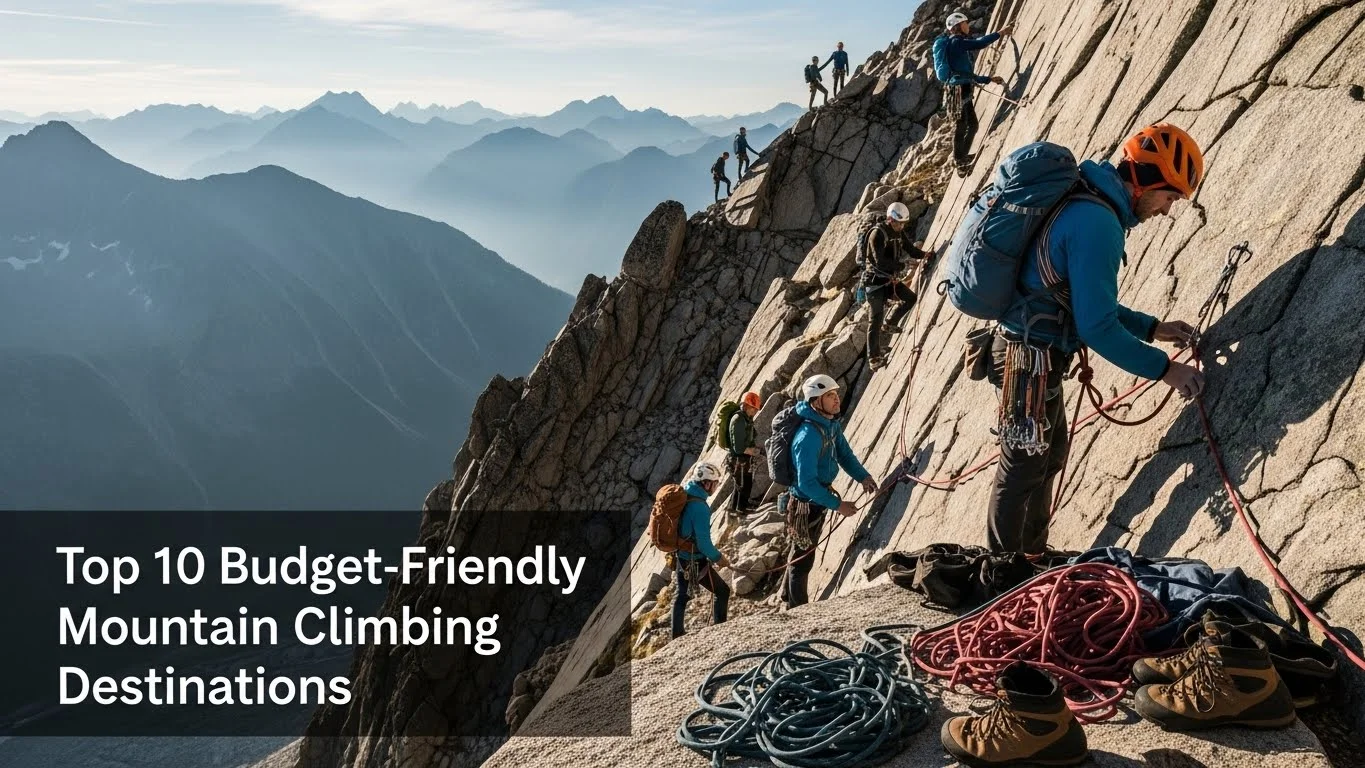
Overview of Budget-Friendly Mountain Climbing
What is Mountain Climbing?
Mountain climbing, or mountaineering as some call it, is a thrilling outdoor activity that involves ascending mountains. Whether it’s a day hike up a gentle slope or a technical climb on a rugged peak, mountain climbing can offer breathtaking views and a genuine sense of accomplishment. I remember my first climb; it was a mix of exhaustion and exhilaration. The feeling of reaching the summit was simply unforgettable. It’s more than just reaching the top; it’s about the journey, the challenges we face, and the beauty we witness along the way.
Why Choose Budget-Friendly Destinations?
Choosing budget-friendly mountain climbing destinations doesn’t mean compromising on the adventure; instead, it opens up a world of opportunities. I’ve found that some of the best experiences come from exploring lesser-known trails and mountains that don’t have the big price tags attached to them. These destinations often provide just as much beauty and challenge as their pricier counterparts. Plus, saving money can allow us to invest in better gear or additional trips. From my experience, budget climbing is about making the most of our resources while enjoying nature’s wonders. Read Interesting article: Top 10 Budget-Friendly Mountain Climbing Destinations
Top 10 Budget-Friendly Mountain Climbing Destinations
1. Mount Hood, Oregon
Overview and Accessibility
Mount Hood is a stunning peak that stands majestically at 11,240 feet, making it one of the most iconic climbs in Oregon. I remember driving along the scenic roads, with the mountain looming in the distance. The best part? It’s easily accessible from Portland, just about an hour and a half away. The routes available cater to different skill levels, making it a perfect spot for both beginners and seasoned climbers alike.
Best Time to Visit
The best time to visit Mount Hood is from late spring to early summer, typically between May and July. During these months, the weather is usually cooperative, and the snow conditions are ideal for climbing. I’ve hiked up there during the summer, and the wildflowers in bloom added a magical touch to the landscape.
Cost Breakdown
Climbing Mount Hood can be quite affordable. The climbing fee is around $30 for a permit, which is valid for a season. If you need gear, renting can cost about $20-50 depending on what you need. Gas and food can add to the expenses, but if you pack your meals, you can keep costs low. Overall, you can enjoy a thrilling climb for under $100.
2. Mount Rainier, Washington
Overview and Accessibility
Mount Rainier, towering at 14,411 feet, is a majestic sight that calls climbers from all over. I’ve been awe-inspired by its glaciers and rugged terrain. The park is just a couple of hours from Seattle, making it a convenient option for those looking to escape the city. There are several routes to take, and I found the Paradise area to be especially beautiful.
Best Time to Visit
The ideal time for climbing Mount Rainier is from late June to early September when the weather is more stable. I’ve always noticed more climbers during this period, and the views are absolutely stunning, with clear skies and lush surroundings.
Cost Breakdown
A climbing permit costs about $50, and you can expect to spend around $20 for parking. If you need to rent gear, prices can vary, but budgeting around $30-60 is reasonable. With some planning, you can enjoy a memorable experience for around $150.
3. Rocky Mountain National Park, Colorado
Overview and Accessibility
Rocky Mountain National Park is a gem that boasts over 300 miles of trails. I’ve spent countless weekends exploring its breathtaking scenery. The park is easily accessible from Estes Park and offers various routes for all levels of climbers. Standing at 14,259 feet, Longs Peak is the main attraction and presents a challenge even for experienced climbers.
Best Time to Visit
The best time to tackle these mountains is from late June to early September when the weather is generally stable. I recall climbing in mid-August when the wildflowers were in full bloom, adding vibrant colors to the rugged landscape.
Cost Breakdown
Entrance fees to the park are about $30 for a week’s pass, which can be split among friends. If you need gear, plan for rentals around $40. With some careful planning, you can experience this stunning park for under $100.
4. Grand Teton National Park, Wyoming
Overview and Accessibility
Grand Teton National Park is home to some of the most striking mountain scenery in the U.S. I remember standing in front of the Teton Range and being completely awestruck. Just a few hours from Jackson Hole, it’s relatively easy to get to. The park offers climbs for various skill levels, making it a great option for everyone.
Best Time to Visit
The best time to climb is from late June to early September. I’ve hiked there in early fall, and the changing colors of the leaves made for a breathtaking backdrop.
Cost Breakdown
The entrance fee is around $35 for a vehicle, good for seven days. Gear rentals can be about $30-50, depending on what you need. You can easily enjoy a climbing trip here for around $120.
5. Shenandoah National Park, Virginia
Overview and Accessibility
This park is a favorite of mine for its lush forests and diverse wildlife. It’s also very accessible, just a short drive from Washington, D.C. With more than 200,000 acres, there are plenty of trails to explore. I’ve often chosen to hike in the lesser-known areas, which provide a more peaceful experience.
Best Time to Visit
The best time to visit is in the spring or fall. I’ve enjoyed the park during both seasons, and the variety of colors and blooms are simply stunning.
Cost Breakdown
Entrance fees are $30 per vehicle, and if you need gear, plan for around $20-40 for rentals. It’s possible to have a fantastic experience for under $100.
6. Catskill Mountains, New York
Overview and Accessibility
The Catskill Mountains hold a special place in my heart. With its stunning landscapes and rich history, this range offers some amazing climbing opportunities. I love that it’s just a couple of hours from New York City, making it an ideal weekend getaway. There are numerous trails, and summiting peaks like Slide Mountain, which reaches 4,180 feet, is both rewarding and accessible for climbers of all levels. I remember my first hike here; the variety of trails kept things interesting, and the views from the top were just breathtaking.
Best Time to Visit
The best time to explore the Catskills is during the fall when the foliage bursts into vibrant colors. I’ve trekked through those woods during this season, and it was like walking through a painting. Spring is also lovely, especially when the flowers begin to bloom, adding a splash of color to the green.
Cost Breakdown
Accessing the Catskills is budget-friendly. There’s no entrance fee for the trails, which is a huge plus. If you plan to rent any gear, expect to pay around $30-50. Plus, packing a lunch can help keep your overall costs to around $50 for a fantastic day of climbing.
7. Mount Adams, Washington
Overview and Accessibility
Mount Adams is one of those hidden gems that I believe every climber should experience. Standing tall at 12,281 feet, it’s the second-highest peak in Washington. What I love about Mount Adams is that it’s less crowded than other major peaks in the area, which allows for a more peaceful climbing experience. The trailheads are accessible from the Columbia River Gorge, making it a manageable trip for those around Portland or Seattle.
Best Time to Visit
The ideal climbing season for Mount Adams is from late June to early September. I’ve climbed during this time and found the weather to be perfect. The melting snow reveals beautiful views, and the terrain is generally stable. I remember feeling grateful for the clear skies that day!
Cost Breakdown
A permit for climbing costs about $20, and parking fees are around $10. If you need to rent gear, you can expect to spend around $30-60. Overall, you can have an amazing adventure for about $100, which is a steal for such an incredible experience.
8. White Mountains, New Hampshire
Overview and Accessibility
The White Mountains are a must-visit for anyone looking to experience the beauty of New England. I’ve spent many weekends exploring this area, and I can’t emphasize enough how stunning the scenery is. With peaks like Mount Washington, which is the highest in the northeastern U.S. at 6,288 feet, there are plenty of climbing options. The area is also known for its well-maintained trails, making it easy to navigate.
Best Time to Visit
The best time to climb in the White Mountains is from late spring to early fall. I’ve climbed Mount Washington in August, and the lush greenery and wildflowers made the experience truly magical. However, be prepared for unpredictable weather; it can change in an instant!
Cost Breakdown
Entrance to the Mount Washington State Park costs about $5 per person, and if you need gear, budget around $40. With some planning and packing your food, a trip here can be enjoyed for under $100, which makes it a fantastic budget option.
9. Black Hills, South Dakota
Overview and Accessibility
The Black Hills are often overlooked, but they offer some amazing climbing experiences. I remember being surprised by the rugged beauty of this area. With mountains like Harney Peak, the highest point in South Dakota at 7,242 feet, there’s plenty to explore. The trails are well-marked, and the scenery is truly unique, combining forest and rock formations that make for a memorable climb.
Best Time to Visit
The best time to visit the Black Hills is during the summer months. I’ve hiked here in both summer and early fall, and each season brought its own charm. Summer provides the warmest weather, making climbs comfortable and enjoyable.
Cost Breakdown
There’s no entrance fee for many trails in the Black Hills, which is a fantastic perk. If you need gear, you can rent it for about $30-50. With some careful planning, a memorable experience can be had for around $75.
10. Cascade Mountains, Washington
Overview and Accessibility
The Cascade Mountains are famed for their stunning beauty and diverse climbing options. I’ve often found myself drawn to this range, with peaks like Mount Baker offering amazing challenges. The Cascades are easily accessible from Seattle, making them a popular choice for both day trips and longer excursions. The variety of routes means there’s something for everyone, from beginners to experienced climbers.
Best Time to Visit
The climbing season here generally runs from late June to early September. I’ve had some incredible climbs during this time, with the snow melted enough to reveal beautiful trails and stunning views.
Cost Breakdown
While some trailheads may require parking fees of around $10-20, many areas are free. If you need to rent gear, expect to spend about $30-60. Overall, a trip to the Cascades can be enjoyed for under $100, making it another fantastic budget-friendly option.
Essential Tips for Budget Mountain Climbing
Gear and Equipment
When it comes to mountain climbing, having the right gear is essential, but it doesn’t have to be expensive. I’ve learned that investing in a few key items can make all the difference. For starters, I recommend focusing on a good pair of hiking boots. These can range from $60 to $200, but finding a pair that fits well and offers support is crucial. I remember when I skimped on boots; my feet were sore by the end of the day!
Also, consider borrowing or renting equipment like climbing harnesses, carabiners, and ropes from local outdoor shops. Many places offer discounts for renting multiple items, which can save us some money. Another great tip is to check out second-hand gear stores or online marketplaces where we can find quality gear at a fraction of the price. I’ve scored some fantastic deals this way, and it feels good to save while still preparing for an adventure. If you’re interested in eco-friendly options, read more in our guide on Eco-Friendly Mountain Climbing: A Guide for Budget Backpackers.
Transportation Options
Getting to the mountains can sometimes be one of the most significant expenses. From my experience, carpooling with friends or fellow climbers can lower travel costs considerably. Not only does it save money on gas, but it also makes the trip more enjoyable with good company! I remember one trip to a climbing destination where the drive was almost as much fun as the climb itself.
If you’re traveling alone or just with one other person, consider using public transportation if available. Some parks have shuttle services that can take you directly to trailheads. It’s both a budget-friendly and eco-friendly option that allows us to relax and enjoy the scenery without the stress of driving.
Where to Stay
Finding affordable accommodations can be tricky, but there are plenty of options if you’re willing to get a bit creative. I’ve often camped in designated areas near climbing spots, which not only saves money but also enhances the whole experience. Waking up to the sound of nature and stepping out of the tent to a mountain view is something I cherish.
For those who prefer a roof over their heads, check for budget motels or hostels in nearby towns. Many of these options can be found for under $100 a night. I once stayed in a charming little hostel that was filled with fellow climbers, making it easy to connect and share tips. Plus, cooking our meals in a communal kitchen helped keep costs down.
Food and Nutrition on a Budget
Nutrition is vital, especially when we’re pushing our bodies on a climb. I’ve learned that planning meals ahead of time helps save money and keeps energy levels high. Packing simple, nutritious foods like trail mix, energy bars, and sandwiches can keep us fueled without breaking the bank. I often make a batch of homemade energy bars before a trip, and they’re both delicious and cost-effective.
When possible, I try to shop at local grocery stores instead of convenience stores near climbing areas, as prices can be significantly lower. And let’s not forget about the power of sharing meals with friends. Cooking together not only makes food more enjoyable but also reduces costs. I have fond memories of sitting around a campfire sharing stories and meals after a long day of climbing.
Safety Considerations for Budget Climbers
Understanding Weather Conditions
One of the most important aspects of mountain climbing is being aware of the weather. I can’t stress enough how vital it is to check forecasts before heading out. Conditions can change rapidly in the mountains, and being prepared can make all the difference. I remember a time when I misjudged the weather on a climb, and it turned a beautiful day into a challenging experience. Carrying layers, even when it seems warm, can help us adapt to changing conditions.
Additionally, I always recommend having a reliable weather app on my phone, which can provide real-time updates while we’re out on the trail. Being informed can help us avoid dangerous situations, ensuring that we stay safe and enjoy our adventures.
Health and Fitness Preparation
Preparing our bodies for the physical demands of climbing is just as important as having the right gear. I’ve found that a mix of strength training, cardiovascular workouts, and flexibility exercises can enhance performance on the mountain. Leading up to a big climb, I try to incorporate hikes into my routine, which not only builds stamina but also helps me acclimate to the elevation changes.
Staying hydrated is another crucial aspect. I always make sure to carry enough water, and I often bring a water purification system or tablets, especially for longer hikes. It’s amazing how much difference proper hydration can make in our energy levels and overall enjoyment.
Emergency Preparedness
No matter how well we plan, there’s always a chance that something unexpected could happen. I’ve learned to prepare for emergencies by carrying a small first aid kit, a map, and a compass. While we often rely on our phones for navigation, having a physical map can be a lifesaver if we lose service. I remember one hike where my phone died, and I was grateful I had printed maps to guide me back.
It’s also wise to let someone know our climbing plans and estimated return times. This simple step can make a huge difference if we run into trouble. I always feel a bit more at ease knowing that someone is aware of where I am and when to expect me back.
Frequently Asked Questions
What is mountain climbing?
Mountain climbing, or mountaineering, is an outdoor activity that involves ascending mountains. It can range from day hikes up gentle slopes to technical climbs on rugged peaks, offering breathtaking views and a sense of accomplishment.
Why should I choose budget-friendly mountain climbing destinations?
Choosing budget-friendly mountain climbing destinations allows climbers to experience adventure without high costs. These locations often provide just as much beauty and challenge as pricier options and can help save money for better gear or additional trips.
What is the best time to visit Mount Hood?
The best time to visit Mount Hood is from late spring to early summer, typically between May and July, when the weather is cooperative, and snow conditions are ideal for climbing.
How much does it cost to climb Mount Rainier?
A climbing permit for Mount Rainier costs about $50, plus around $20 for parking, and gear rentals can vary from $30 to $60. With planning, you can enjoy a memorable experience for around $150.
What can I expect from the Rocky Mountain National Park?
Rocky Mountain National Park offers over 300 miles of trails, with Longs Peak being the main attraction. The park is easily accessible from Estes Park and provides routes for all levels of climbers.
What is the cost breakdown for climbing in Shenandoah National Park?
The entrance fee for Shenandoah National Park is $30 per vehicle, and gear rentals can cost around $20-40. Overall, a fantastic experience can be had for under $100.
Are there any fees to access the Catskill Mountains?
No entrance fee is required for the trails in the Catskill Mountains, making it an affordable option. If you rent gear, expect to pay around $30-50.
What are some essential tips for budget mountain climbing?
Essential tips include investing in key gear like good hiking boots, carpooling to reduce transportation costs, finding affordable accommodations like camping or budget motels, and planning meals to save on food expenses.
How can I prepare for weather conditions while climbing?
It’s vital to check weather forecasts before climbing, as conditions can change rapidly. Carrying layers and having a reliable weather app can help climbers adapt to changing conditions and stay safe.
What emergency preparations should I consider for mountain climbing?
Preparing for emergencies involves carrying a first aid kit, a map, and a compass. It’s also advisable to inform someone of your climbing plans and estimated return times for safety.