
Mountain trekking can be a thrilling adventure without breaking the bank. If you’re eager to explore breathtaking trails and immerse yourself in nature, here are some budget-friendly destinations that won’t empty your wallet.
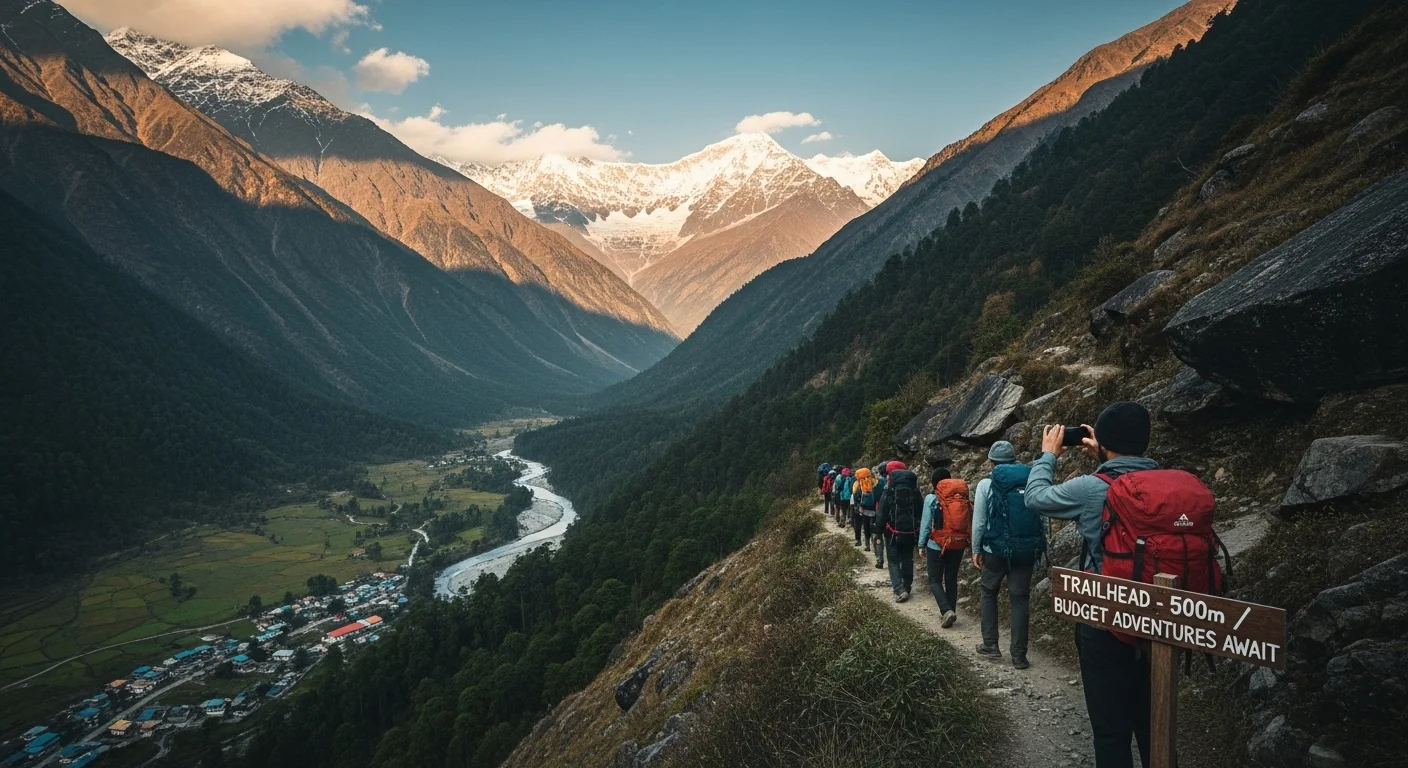
Overview of Budget-Friendly Mountain Trekking
What is Mountain Trekking?
Mountain trekking is more than just hiking; it’s a journey that takes you through some of the most stunning landscapes on Earth. When I think of trekking, I picture winding trails, breathtaking vistas, and the feeling of complete freedom as I explore the great outdoors. It often involves walking for several days through mountains, valleys, and sometimes even remote villages, and it offers a unique blend of physical challenge and spiritual connection with nature. For many, it’s a chance to disconnect from the daily grind and reconnect with themselves.
Benefits of Budget-Friendly Trekking
One of the best parts of budget-friendly trekking is that it opens up a world of possibilities. I remember my first budget trek; I was amazed at how accessible the mountains were without the hefty price tag often associated with travel. Here are a few benefits I’ve experienced:
- Affordability: Trekking doesn’t have to cost a fortune. Many trails and routes are free or have minimal entry fees, allowing us to enjoy nature without the stress of overspending.
- Connection with Nature: Budget trekking often takes you to less commercialized areas where you can truly immerse yourself in the environment. I found myself gazing at stars free from city lights and breathing in fresh mountain air.
- Simplified Experience: With fewer frills, budget trekking encourages you to focus on the essentials. It’s about the journey, the people you meet, and the landscapes you witness. This simplicity can be incredibly liberating.
- Community Vibes: Budget-friendly treks often attract fellow adventurers who share similar passions. I’ve met some of my closest friends on these trails, bonding over shared experiences and stories.
Top 10 Budget-Friendly Mountain Trekking Destinations
1. Appalachian Trail, USA
Overview
The Appalachian Trail (AT) is a legendary hiking route that stretches over 2,190 miles through various states from Georgia to Maine. The beauty of the AT lies in its diversity; you can experience everything from rolling hills to rugged mountains. I’ve spent countless weekends on segments of the AT, and each part offers its unique charm and challenges.
Best Time to Visit
The ideal time to hike the Appalachian Trail is during spring (April to June) and fall (September to October). I’ve trekked during both seasons and found the weather to be pleasant, with spring blooms and vibrant autumn leaves enhancing the experience.
Accommodation Options
There are numerous shelters along the trail where you can stay for free or at a low cost. Additionally, many small towns near the trail offer budget motels. I often carried a lightweight tent, allowing me to camp wherever I found a suitable spot.
Local Attractions
Apart from the stunning landscapes, the AT passes through beautiful national parks and charming towns. Don’t miss the opportunity to try local cuisine in towns like Harpers Ferry or Damascus. I remember stopping for some homemade pie in a small diner that felt like stepping back in time!
2. Torres del Paine, Chile
Overview
Torres del Paine National Park is a jewel in Patagonia, known for its dramatic mountains and stunning scenery. Trekking here is an unforgettable experience that I highly recommend. The park offers several trails, including the famous W and O circuits, which can be adapted to various fitness levels.
Best Time to Visit
The best time to visit Torres del Paine is from late spring to early autumn (November to March). I trekked in January, and the weather was perfect for hiking, with long days and mild temperatures.
Accommodation Options
While there are luxury lodges, budget-friendly hostels and campsites are available. I often camped to save money and enjoyed sleeping under a blanket of stars, which added to the whole experience!
Local Attractions
Aside from the incredible trekking routes, the park is home to diverse wildlife, including guanacos and condors. I cherished the moments spent watching the sunrise over the iconic towers; it’s one of those memories that stay with you forever.
3. Rila Monastery and Seven Rila Lakes, Bulgaria
Overview
Rila Monastery, a UNESCO World Heritage site, is surrounded by breathtaking mountains and serene lakes. Trekking in this area combines cultural exploration with stunning natural beauty. I was captivated by the monastery’s architecture and the serene surroundings during my visit.
Best Time to Visit
The best times to trek here are late spring and early autumn. I found the trails less crowded during these periods, making my experience even more enjoyable.
Accommodation Options
There are budget guesthouses and hotels near the monastery and lakes. When I visited, I stayed in a cozy guesthouse that offered traditional Bulgarian meals, which were a delight!
Local Attractions
The Seven Rila Lakes offer stunning views and are perfect for day hikes or longer treks. I remember hiking from one lake to another, feeling rejuvenated by the cool mountain air and the beauty surrounding me.
4. Annapurna Circuit, Nepal
Overview
The Annapurna Circuit is one of the most popular trekking routes in Nepal, offering a mix of challenging trails and breathtaking views of the Himalayas. I found this trek to be a life-changing experience with its diverse cultures and natural beauty.
Best Time to Visit
Spring (March to May) and autumn (September to November) are the best times to trek. I trekked in October, and the weather was perfect for hiking, with clear skies and stunning mountain views.
Accommodation Options
Teahouses along the circuit provide affordable lodging and meals. I loved meeting fellow trekkers and locals in these teahouses, sharing stories and laughter over steaming cups of tea.
Local Attractions
The circuit offers access to beautiful villages, ancient monasteries, and stunning landscapes. Every day brought new surprises, and the feeling of reaching the Thorong La Pass was indescribable.
5. Mont Blanc, France/Italy
Overview
Mont Blanc is one of the most famous peaks in the Alps, and the trek around it is simply spectacular. I remember the sense of accomplishment I felt completing this circuit, surrounded by majestic mountains and stunning glaciers.
Best Time to Visit
The best time to hike around Mont Blanc is during the summer months (June to September). I trekked in July, and the weather was perfect, with wildflowers blooming and clear skies.
Accommodation Options
There are numerous mountain huts and campsites throughout the trek. I preferred staying in mountain huts for a mix of comfort and camaraderie with fellow hikers.
Local Attractions
In addition to the stunning views, the area is rich in culture, with charming alpine villages and delicious local cuisine. I indulged in some fresh cheese and bread from local markets, which became a highlight of my trip.
6. Lapland Trails, Finland
Overview
Lapland is often thought of as a winter wonderland, but its summer trails are equally enchanting. I was fortunate enough to experience the beauty of Lapland during the summer months, where the wildflowers bloomed and the landscapes were painted in rich greens. Trekking here means immersing yourself in stunning vistas, ancient forests, and the chance to see unique wildlife like reindeer and arctic foxes. The trails, such as those in Pallas-Yllästunturi National Park, offer routes that cater to both beginners and seasoned trekkers.
Best Time to Visit
The best time to trek in Lapland is from late June to early September. I visited in July, and the weather was pleasantly warm, with long days of daylight. It’s an experience to hike under the midnight sun, where the sun barely dips below the horizon!
Accommodation Options
There are plenty of budget accommodations available, from hostels to camping sites. I chose to camp, and it was one of the best decisions I made. Waking up to the sound of nature and enjoying my breakfast surrounded by pine trees was a refreshing way to start each day.
Local Attractions
Beyond trekking, you can delve into the rich Sami culture and explore their traditions. I remember visiting a local Sami village, where I learned about their reindeer herding practices and even got to taste some traditional dishes. The stunning views from the fells made every moment worthwhile.
7. Dolomites, Italy
Overview
The Dolomites are an absolute gem in northern Italy. I was blown away by the dramatic rock formations and vibrant landscapes. Trekking here offers a mix of challenging trails and breathtaking views, making it a favorite for many outdoor enthusiasts. The Alta Via 1 trail was my favorite, leading me through picturesque valleys and charming mountain huts.
Best Time to Visit
The best time to visit the Dolomites is during late spring to early autumn (June to September). I explored in late July, and the wildflowers were in full bloom, adding splashes of color to the already stunning backdrop.
Accommodation Options
There are plenty of budget options, including rifugios (mountain huts) where you can stay overnight and enjoy hearty meals. I loved the atmosphere of the rifugios, where I shared stories with fellow trekkers over delicious pasta and local wines.
Local Attractions
The region is also rich in culture, with opportunities to explore charming villages like Ortisei and Canazei. I took some time to wander through these villages, sampling local cheeses and enjoying the unique architecture.
8. Tatra Mountains, Poland/Slovakia
Overview
The Tatra Mountains offer some of the best trekking in Central Europe. My trek through this stunning range was filled with breathtaking views, crystal-clear lakes, and the thrill of climbing up to the highest peaks. The trails are well-marked, making navigation easy, and the scenery is nothing short of spectacular.
Best Time to Visit
The best time to visit the Tatra Mountains is during the summer months (June to September). I hiked in August, and the weather was ideal, with warm days perfect for long treks.
Accommodation Options
There are numerous budget-friendly accommodations, including hostels and guesthouses. I found a lovely guesthouse that served traditional Polish meals, allowing me to indulge in local flavors after long days of trekking.
Local Attractions
One of the highlights was visiting the stunning Morskie Oko lake, surrounded by towering peaks. I remember taking a moment to sit by the lake, absorbing the tranquility and beauty, feeling grateful for the adventure.
9. Zhangjiajie National Forest Park, China
Overview
Zhangjiajie is known for its otherworldly sandstone pillars, which inspired the floating mountains in the movie “Avatar.” Trekking here is a unique experience as you meander through lush forests and discover breathtaking viewpoints. I was mesmerized by the natural beauty and the mystical atmosphere of the park.
Best Time to Visit
The ideal time to visit Zhangjiajie is during spring (April to June) and autumn (September to November). I trekked in late September, when the weather was pleasantly cool and the foliage began to turn, adding vibrant colors to the landscape.
Accommodation Options
There are several budget hotels and hostels near the park entrance. I opted for a cozy guesthouse that offered local cuisine, which added to my experience of immersing myself in the culture.
Local Attractions
Zhangjiajie is not just about trekking; it’s also known for the Tianmen Mountain and its famous glass skywalk. I remember the thrill of walking on the glass path, feeling like I was floating above the stunning scenery below!
10. Mount Kilimanjaro, Tanzania
Overview
Trekking Mount Kilimanjaro is on many adventurers’ bucket lists, and for good reason. The highest peak in Africa offers a challenging yet rewarding experience. I found the variety of ecosystems on the trek fascinating, from lush rainforests to alpine deserts. Each day brought new surprises and challenges.
Best Time to Visit
The best time to trek Kilimanjaro is during the dry seasons (January to March and June to October). I trekked in October, and the views from the summit were absolutely breathtaking, especially during sunrise.
Accommodation Options
While there are guided tours available, you can also choose to camp along the route. I loved the camaraderie of camping with fellow trekkers and sharing stories around the campfire each night.
Local Attractions
The sense of achievement upon reaching Uhuru Peak was indescribable. The panoramic views of the surrounding landscapes made every step worth it. I still cherish that moment as one of the highlights of my trekking adventures.
Planning Your Budget Trek
How to Save on Gear and Equipment
When I first started trekking, I was overwhelmed by the amount of gear available and the prices associated with it. I quickly learned that you don’t need the latest high-end equipment to have a great experience. For me, saving on gear came down to a few key strategies. First, I recommend borrowing or renting equipment from friends or local outdoor shops. This way, you can try it out without committing to a purchase.
Another option I discovered is shopping at thrift stores or online marketplaces. I’ve found some fantastic deals on gently used gear, from backpacks to sleeping bags. Additionally, planning ahead and buying gear during off-seasons can save you a significant amount. I remember grabbing a high-quality tent at a discount because I purchased it in the winter, well before my trekking season began. Lastly, consider investing in versatile items. For example, a good pair of trekking shoes can serve you well on multiple trips, and layering clothing allows you to adapt to changing weather without needing a whole new wardrobe.
Transportation Tips to Reach Destinations
Getting to your trekking destination can often be one of the biggest expenses, but I’ve discovered several ways to save on transportation. For instance, I often use public transportation instead of renting a car or flying when possible. Buses and trains can be incredibly affordable and also offer a chance to meet locals. I remember taking a bus to the trailhead of the Appalachian Trail, which was not only budget-friendly but also a scenic ride!
If you are traveling with friends, consider carpooling or splitting the cost of gas. Rideshare services can be a great option too, especially if you’re heading to a popular trail. Don’t forget to check for shuttle services that cater to hikers; they are often reasonably priced and specifically designed for trekkers. Lastly, planning your trip during off-peak travel times can help you find better deals on transportation, saving you money for other aspects of your adventure.
Food and Dining on a Budget
Food is another area where you can save while trekking. I’ve learned that packing my meals is not only economical but also allows me to enjoy my favorite foods on the trail. I typically prepare lightweight, non-perishable items like energy bars, dried fruits, nuts, and instant oatmeal. On longer treks, I like to bring a portable cooking stove and some simple ingredients to whip up meals. Cooking in nature is an experience in itself; I often reminisce about the time I made a warm soup after a long day of trekking, surrounded by the beauty of the mountains.
If you prefer dining out, I suggest researching local eateries and markets near your trekking destination. Often, local diners offer hearty meals at reasonable prices. I love trying regional dishes, and it’s a fun way to immerse myself in the local culture. I remember savoring a delicious stew in a small mountain village—an experience that added so much flavor to my journey.
Safety Tips for Budget Travelers
Safety is paramount, especially when trekking on a budget. I’ve learned a few essential tips that have kept me safe and sound during my adventures. First, always inform someone about your trekking plans. Whether it’s a friend or family member, letting someone know your route and expected return time can provide peace of mind.
Another crucial aspect is to stay informed about the weather conditions. I often check local forecasts before heading out, ensuring that I’m prepared for any sudden changes. Additionally, carrying a basic first-aid kit can be a lifesaver. I always pack band-aids, antiseptic wipes, and any personal medications I might need. During one trek, a fellow hiker injured their ankle, and having a first-aid kit on hand made a big difference in their comfort.
Lastly, trust your instincts when it comes to safety. If a trail feels unsafe or too challenging, don’t hesitate to turn back or seek assistance. Remember, the goal is to enjoy your trekking experience, so don’t take unnecessary risks.
Frequently Asked Questions
“`htmlWhat is mountain trekking?
Mountain trekking is a journey that takes you through stunning landscapes, often involving walking for several days through mountains, valleys, and remote villages. It blends physical challenge with a spiritual connection to nature, allowing trekkers to disconnect from daily life and reconnect with themselves.
What are the benefits of budget-friendly trekking?
Budget-friendly trekking offers several benefits, including affordability with many trails having minimal or no entry fees, a deeper connection with nature, a simplified experience focusing on essentials, and the chance to meet fellow adventurers who share similar passions.
When is the best time to hike the Appalachian Trail?
The best times to hike the Appalachian Trail are during spring (April to June) and fall (September to October), when the weather is pleasant and the landscapes are enhanced by spring blooms and autumn leaves.
What accommodation options are available along the Appalachian Trail?
Accommodation options along the Appalachian Trail include free or low-cost shelters and budget motels in small towns near the trail. Many trekkers also carry lightweight tents to camp at suitable spots.
What is the best time to visit Torres del Paine?
The best time to visit Torres del Paine is from late spring to early autumn (November to March), when the weather is mild and suitable for hiking.
What types of accommodations are available in Torres del Paine?
In Torres del Paine, budget-friendly accommodations include hostels and campsites, with camping allowing trekkers to enjoy a more immersive natural experience.
What should I pack for a budget trekking trip?
For budget trekking, it’s recommended to pack lightweight, non-perishable items such as energy bars, dried fruits, nuts, and instant oatmeal. A portable cooking stove can also be used for preparing simple meals while on the trail.
How can I save on transportation to trekking destinations?
To save on transportation, consider using public transport instead of renting a car, carpooling with friends, or using rideshare services. Also, look for shuttle services designed for hikers and plan trips during off-peak times for better deals.
What are some safety tips for budget travelers while trekking?
Safety tips for budget travelers include informing someone about your trekking plans, staying informed about weather conditions, carrying a basic first-aid kit, and trusting your instincts regarding trail safety.
What are the highlights of trekking Mount Kilimanjaro?
Trekking Mount Kilimanjaro offers a challenging yet rewarding experience, with diverse ecosystems, stunning views from the summit, and the sense of achievement upon reaching Uhuru Peak, which is a highlight for many trekkers.
“`