
Traveling with family doesn’t have to break the bank. Exploring cultural experiences can be a delightful way to bond while learning about new places and traditions. Here are some insights to help you plan an unforgettable adventure. Read Interesting article: Family Travel on a Budget: Must-Visit Destinations
Understanding Cultural Experiences
What Are Cultural Experiences?
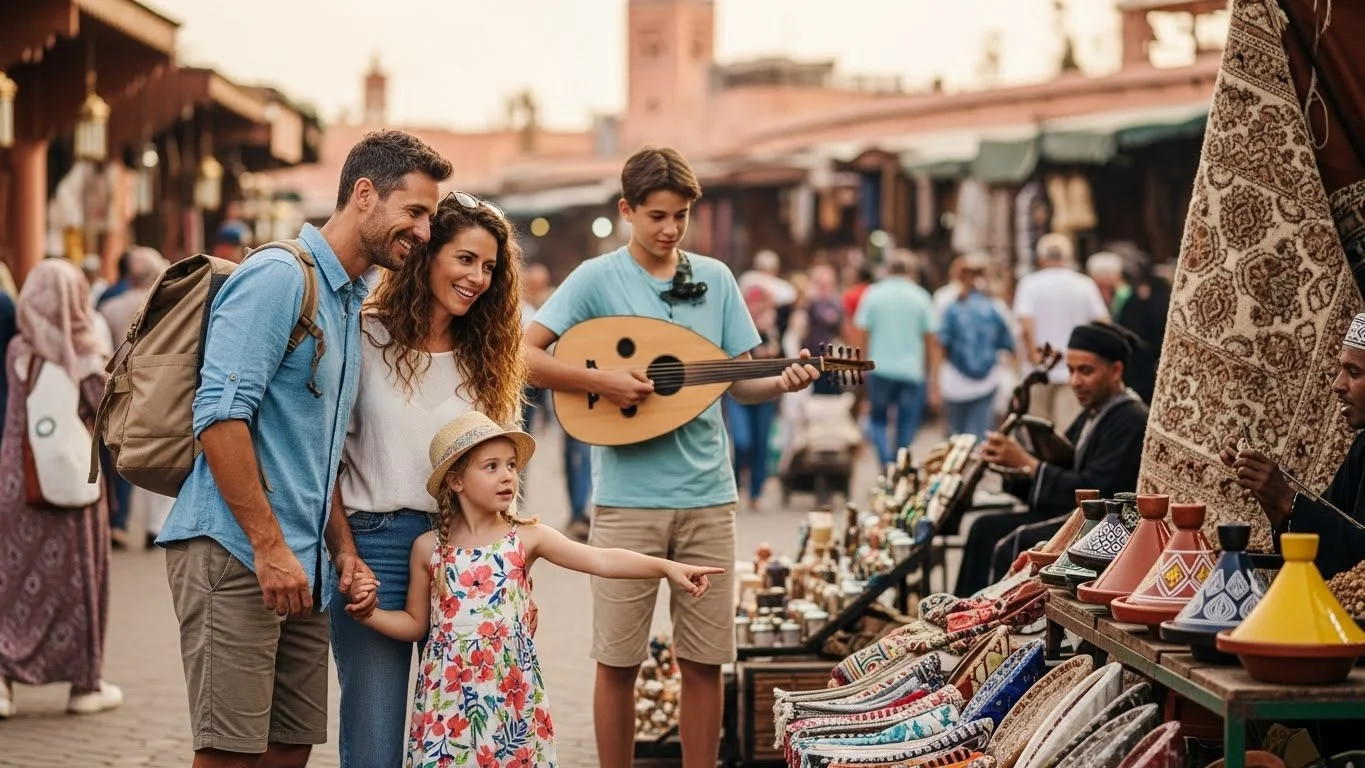
Cultural experiences are activities that allow travelers to engage with the traditions, customs, and practices of a community. From enjoying local music and dance to participating in traditional crafts, these experiences offer a window into the soul of a place. When I think of cultural experiences, I remember the vibrant street performers in New Orleans or the bustling markets of Marrakech. Each moment is a chance to connect deeply with the local culture.
Importance of Cultural Experiences for Families
For families, cultural experiences provide an opportunity to learn together and create lasting memories. They foster understanding and appreciation of diversity, which I believe is essential in today’s world. I can still recall the joy my family felt while participating in a local festival in a small Italian town. We danced, tasted unique foods, and met locals who shared stories of their heritage. These experiences not only bring us closer but also enrich our understanding of different ways of life.
Top 10 Budget-Friendly Cultural Experiences
1. Local Festivals and Events
One of my favorite ways to dive into a culture is to attend local festivals. These events often showcase music, dance, and food specific to that area. Many festivals are free or have a low entry fee, making them budget-friendly. I remember attending a cherry blossom festival in Washington, D.C., where we enjoyed live performances, art displays, and, of course, the stunning cherry blossoms. It felt like a celebration of life and community.
2. Community Art Projects and Workshops
Getting hands-on with art can be a fantastic way to engage with a culture. Many communities offer workshops where families can learn about local crafts, painting techniques, or pottery. I once took my kids to a pottery workshop in Mexico, where we learned from a local artist. It was affordable, and my kids left with their own creations, not to mention a newfound appreciation for the craft!
3. Free Museums and Cultural Institutions
Museums can be treasure troves of knowledge, and many offer free entry or discounted family tickets. During one family trip, we visited a local history museum that allowed us to explore the region’s past through interactive exhibits. It was both educational and fun, and we spent hours wandering through the displays. Always check museum websites for free entry days, as it can make a significant difference in your budget.
4. Street Markets and Food Festivals
Street markets are perfect for experiencing local cuisine without spending a fortune. They often feature food stalls run by local vendors, showcasing traditional dishes. I love the thrill of trying new foods, and my children are the same way. At a night market in Thailand, we sampled everything from spicy noodles to sweet desserts, all while enjoying the lively atmosphere. It was a feast for our senses and a great way to bond as a family.
5. Historic Landmarks and Their Significance
Visiting historic landmarks can be both educational and inspiring for families. Many of these sites offer free or low-cost admission. I remember exploring the ruins of an ancient castle with my family. As we walked through the old stone walls, we imagined what life was like centuries ago. The kids were fascinated, and it sparked great conversations about history. Always look for guided tours, as they often provide valuable insights that enhance the experience.
6. Nature and Outdoor Cultural Activities
Exploring the natural beauty of a region often reveals aspects of its culture. Activities like hiking, kayaking, or visiting local parks can provide insight into how the environment shapes the lifestyle of its people. On a trip to the Pacific Northwest, we joined a guided nature walk that highlighted the indigenous culture and their connection to the land. It was an enlightening experience that we all cherished.
7. Local Cuisine Cooking Classes
Taking a cooking class can be a fun way to immerse your family in a culture. Many destinations offer classes where you can learn to prepare traditional dishes. I remember taking a pasta-making class in Italy, where we not only learned how to make fresh pasta but also connected with local chefs who shared their culinary secrets. It was a delightful way to bring a piece of that culture back home.
8. Cultural Exchange Programs
Some communities offer cultural exchange programs that allow families to host locals or participate in immersive experiences. I once had the chance to host a family from another country, and it was a beautiful exchange of cultures. We shared meals, traditions, and stories, creating a bond that transcended borders. It’s a fantastic way to learn directly from someone who lives the culture every day.
9. Volunteer Opportunities for Families
Volunteering while traveling connects you with the community in a meaningful way. Many organizations welcome families to help with local projects, from environmental clean-ups to tutoring children. My family once volunteered at a community garden, and it was a rewarding experience that allowed us to meet locals and contribute positively. It was a beautiful reminder of how giving back can enrich our travels.
10. Traditional Music and Dance Performances
Experiencing traditional music and dance performances can be captivating. Many communities hold free events in public spaces or cultural centers. I fondly recall attending a folk dance performance in a town square, where my kids were invited to join in. It was a joyful experience, filled with laughter and rhythm, and it helped us appreciate the importance of music and dance in cultural expression.
Planning Your Cultural Experience
Choosing the Right Destinations
When it comes to planning a cultural experience, choosing the right destination is vital. I’ve found that some places are simply brimming with rich cultural offerings. Think about what interests your family the most. Are you drawn to art and history, or perhaps food and music? For example, I remember my family’s trip to Oaxaca, Mexico. The vibrant art scene, stunning architecture, and delicious cuisine made it a perfect spot to soak in the culture. I suggest looking for destinations known for their festivals, historical sites, and local traditions. It can also be helpful to read travel blogs or watch vlogs to get a sense of the atmosphere and what to expect.
Best Times to Experience Local Culture
Timing can make all the difference in your cultural exploration. Many destinations have specific seasons when local events or festivals take place. I learned this firsthand when we traveled to Edinburgh during the Fringe Festival. The city was alive with performers, street artists, and a buzzing atmosphere that was unmatched. I recommend checking event calendars and planning your trip around major local celebrations or seasonal activities. That way, you can immerse your family in the local culture and enjoy experiences that wouldn’t be available at other times of the year. Additionally, visiting during the off-peak season can often lead to more authentic and less crowded experiences.
Budget Considerations: What to Expect
Understanding the budget for cultural experiences is essential, especially when traveling with family. I remember planning a trip to Thailand where we had to balance activities that were on our must-do list with our budget. It’s important to research not only the costs of admission for museums or events but also consider transportation and dining expenses. Many cultural experiences can be low-cost or even free, but others might require a bit of splurging. I recommend creating a budget breakdown so you know what to expect. It can help you make informed choices. For instance, we decided to prepare some of our meals in our rental to save money, allowing us to splurge on a cooking class that we would remember forever. Read Interesting article: Top Family-Friendly Luxury Resorts for Budget Travelers
Family-Friendly Tips for Cultural Exploration
Involving Kids in Cultural Activities
Getting kids involved in cultural activities can turn a simple trip into an enriching adventure. I’ve noticed that when my kids helped choose activities, they were much more engaged. Finding ways to involve them in the process can be as simple as letting them pick a local dish they want to try or a museum they want to visit. On our last trip, we visited a market where the kids selected various ingredients for a meal we later cooked. Their excitement was contagious, and it made the experience feel more personal. Consider introducing games or challenges during your outings, like a scavenger hunt to encourage them to observe and appreciate their surroundings.
Safety Tips for Family Travel
Safety is paramount while traveling, especially with children. I’ve learned that it’s best to be prepared. Before heading out, I like to familiarize myself with the area, including local customs and any safety concerns. For instance, when we traveled to a bustling city, we made it a point to stay in well-populated areas and keep our belongings close. Having a plan for emergencies, like knowing where to find the nearest hospital or police station, can provide peace of mind. Additionally, I recommend discussing safety tips with the kids, like staying close and using landmarks to navigate back if they get separated. This not only keeps everyone safe but helps them feel empowered during our adventures.
Making the Most of Your Cultural Experience
To truly make the most of your cultural experiences, being open-minded is key. I’ve found that sometimes the best moments come from unexpected situations. For example, while visiting a small village, we stumbled upon a gathering that wasn’t on any itinerary. The locals welcomed us with open arms, and we ended up dancing and sharing stories. Embrace spontaneity and take the time to connect with the locals. Ask questions, participate in conversations, and try to understand their way of life. I also suggest keeping a travel journal. Not only is it a great way to document your experiences, but it can help you reflect on what you learned during your journey. Sharing those experiences later with friends or family can turn into cherished memories.
Resources for Budget Family Travel
Websites and Apps for Finding Events
When it comes to finding cultural events, there are so many resources available that can help ease the planning process. Websites like Eventbrite and Meetup can provide a wealth of information about local happenings. I often discover free concerts, art exhibitions, and community gatherings through these platforms. Additionally, social media can serve as a great tool; local tourism boards often post about upcoming events on their pages. There are also apps like Culture Trip and Roadtrippers that can help you uncover hidden gems in your destination, making it easier to plan an itinerary full of cultural experiences.
Community Resources and Local Guides
Engaging with local resources can significantly enhance your cultural experience. Many cities have visitor centers offering maps, brochures, and recommendations from locals. I’ve found that talking to local guides can also provide insights that you won’t find in guidebooks. On my last trip, we hired a local guide who not only showed us the main attractions but also took us to lesser-known spots that were rich in culture. This interaction not only supported the local economy but also allowed us to connect with the community on a deeper level.
Budget Accommodation Options Near Cultural Sites
Finding the right place to stay can make a big difference in your travel experience. I always look for budget accommodation options that are close to cultural sites. Staying in a local guesthouse or a rental apartment can often provide a more authentic experience than a hotel. Websites like Airbnb or Hostelworld can help you find affordable options that fit your family’s needs. Being centrally located can save you on transport costs and allow you to explore more leisurely. I remember staying in a cozy apartment in a historic area that allowed us to walk to nearby markets and museums, creating a richer experience without breaking the bank.
Understanding Cultural Experiences
What Are Cultural Experiences?
Cultural experiences are opportunities to engage with the traditions, customs, and lifestyles of communities around the world. They can take many forms, such as local music performances, traditional dance, festivals, or culinary experiences. I’ve found that these experiences often reveal the heart and soul of a place, creating lasting memories that go beyond the typical tourist attractions. For instance, my family and I once stumbled upon a local dance-off in a park in Barcelona. It was spontaneous and vibrant, with people of all ages participating. That moment encapsulated the joy and togetherness that cultural experiences can bring.
Importance of Cultural Experiences for Families
For families, cultural experiences are vital in promoting understanding and appreciation of diversity. They provide a chance to learn together in an engaging environment. I’ve seen firsthand how my children’s perspectives broaden after participating in activities that expose them to different cultures. During a family trip to Peru, we worked alongside local artisans in a weaving workshop. The kids not only learned about the craft but also about the significance of textiles in Peruvian culture. It was a meaningful way to connect with the community and each other, fostering a sense of empathy and curiosity.
Top 10 Budget-Friendly Cultural Experiences
1. Local Festivals and Events
Attending local festivals is one of my top recommendations for cultural immersion. These celebrations often highlight the unique traditions of a community, including music, food, and art. I remember a vibrant street fair in San Francisco that featured performances by local artists, delicious food stalls, and crafts for sale. These events are often free or have a nominal entry fee, making them perfect for families on a budget.
2. Community Art Projects and Workshops
Engaging in community art projects provides a fantastic way to create lasting memories while connecting with local culture. Many places offer workshops where you can learn traditional crafts. I once took my children to a community mural painting project in a small town in Mexico. It was affordable, and we left not only with paint-splattered clothes but also with a deeper appreciation for the local history and community pride.
3. Free Museums and Cultural Institutions
Museums can serve as windows into a location’s history and culture, and many offer free admission days or family discounts. On a trip to Chicago, we explored the Field Museum on a free admission day. The interactive exhibits captivated my kids, and we spent hours learning about ancient civilizations. Always check the museum’s website for special offers; these can significantly enhance your experience without straining your budget.
4. Street Markets and Food Festivals
Street markets are a treasure trove of flavors and local delicacies. They allow families to sample various dishes without overspending. I love the energy of bustling markets, like the night market in Taiwan, where we sampled dumplings, bubble tea, and sweets. The experience was not just about the food; it was about the lively environment and the chance to interact with local vendors, making it a culinary adventure.
5. Historic Landmarks and Their Significance
Exploring historic landmarks can be both educational and inspiring. Many sites offer free or low-cost admission. For instance, visiting the ancient ruins of Pompeii in Italy was a highlight for my family. Walking through the preserved streets brought history to life, sparking our imaginations and conversations about ancient cultures. Guided tours often enhance these visits, providing context and stories that deepen our understanding of the site’s significance.
6. Nature and Outdoor Cultural Activities
Nature activities often provide insight into the relationship between the community and its environment. I’ve found that hiking or participating in outdoor workshops can reveal cultural practices tied to the land. During a family trip to Costa Rica, we participated in a local tour that focused on eco-tourism and conservation efforts. It was enlightening to learn how local communities are working to preserve their natural heritage while sharing it with visitors.
7. Local Cuisine Cooking Classes
Cooking classes are a delicious way to learn about a culture. I remember taking a cooking class in Thailand, where we not only learned to make traditional dishes but also explored the local markets to gather ingredients. The interaction with the chef and other participants created a sense of community and connection to the culture we were experiencing.
8. Cultural Exchange Programs
Cultural exchange programs offer a unique opportunity to connect with locals. I once hosted a family from overseas, and it was a wonderful experience of sharing meals, stories, and cultural traditions. These exchanges can lead to lifelong friendships and provide a deeper understanding of different lifestyles.
9. Volunteer Opportunities for Families
Volunteering while traveling allows families to engage meaningfully with the community. I remember the time my family helped at a local school in Guatemala. It was rewarding to contribute while learning about the local education system. These experiences not only foster connections but also instill a sense of gratitude and awareness in children.
10. Traditional Music and Dance Performances
Experiencing traditional music and dance can be a joyful way to engage with a culture. I’ve enjoyed attending performances in town squares, where locals often invite visitors to join in. It’s a fun way to break the ice and immerse ourselves in the rhythms and movements that are integral to the culture.
Planning Your Cultural Experience
Choosing the Right Destinations
When planning a cultural experience, selecting the right destination is crucial. Some regions are rich in cultural offerings, while others may be more focused on natural beauty. I always consider my family’s interests. For instance, when we visited Kyoto, Japan, the blend of traditional temples, gardens, and vibrant street life captivated us all. Researching destinations known for their cultural festivals, local traditions, and historical significance can help ensure a fulfilling trip.
Best Times to Experience Local Culture
Timing your travels can significantly impact your cultural experience. Many places host unique events during specific seasons. I learned this when we visited Oaxaca during the Day of the Dead celebrations. The atmosphere was electric, with colorful altars, parades, and local customs that would have been missed at any other time of year. Always check local calendars to plan your trip around major festivals or seasonal activities.
Budget Considerations: What to Expect
Understanding your budget for cultural experiences is essential. I’ve learned to prioritize activities based on our interests and budget. Some experiences might be free, while others could require a bit of splurging. For example, we once opted for a free local concert over a pricey event, allowing us to enjoy authentic music without breaking the bank. Creating a budget breakdown can provide clarity and help you allocate funds for the experiences that matter most.
Frequently Asked Questions
What are cultural experiences?
Cultural experiences are activities that allow travelers to engage with the traditions, customs, and practices of a community. They can include local music performances, traditional dance, festivals, or culinary experiences, providing a deeper connection to the local culture.
Why are cultural experiences important for families?
Cultural experiences promote understanding and appreciation of diversity among family members. They provide opportunities to learn together in engaging environments, helping to broaden perspectives and create lasting memories.
What are some budget-friendly cultural experiences?
Some budget-friendly cultural experiences include attending local festivals, participating in community art projects, visiting free museums, exploring street markets, and attending traditional music and dance performances. Many of these activities are either free or have low entry fees.
How can families choose the right destinations for cultural experiences?
When choosing destinations, families should consider what interests them the most, such as art, history, food, or music. Researching locations known for their festivals, historical sites, and local traditions can enhance the cultural experience.
What are the best times to experience local culture?
Timing can significantly impact cultural exploration. Many destinations have specific seasons for local events or festivals. Planning a trip around these celebrations can provide a richer cultural experience, as well as visiting during off-peak seasons for more authentic interactions.
What budget considerations should families keep in mind?
Families should understand the costs associated with cultural experiences, including admission fees, transportation, and dining. Creating a budget breakdown can help prioritize activities that align with their financial plans, ensuring they enjoy memorable experiences without overspending.
How can kids be involved in cultural activities?
Involving kids in cultural activities can enhance their engagement. Parents can let children choose dishes to try or museums to visit, and introducing games or challenges, like scavenger hunts, can make the experience more interactive and personal.
What safety tips should families consider while traveling?
Families should familiarize themselves with local customs and safety concerns before traveling. It’s important to stay in well-populated areas, keep belongings close, and have a plan for emergencies. Discussing safety tips with children can help ensure their safety and empower them during the trip.
How can families make the most of their cultural experiences?
To maximize cultural experiences, families should remain open-minded and embrace spontaneity. Connecting with locals, participating in conversations, and keeping a travel journal can enrich the journey and create cherished memories to share later.
What resources are available for finding cultural events?
Families can utilize websites like Eventbrite and Meetup for local happenings. Social media and tourism boards can also provide information about upcoming events, while community resources and local guides can offer valuable insights into cultural experiences in the area.