
Traveling with kids is one of the most rewarding experiences we can have as families. Not only does it create lasting memories, but it also opens up a world of cultural learning and exploration! For those looking to enhance their travels, consider exploring Top Private Family Tours: Luxury Experiences Without the Price Tag.
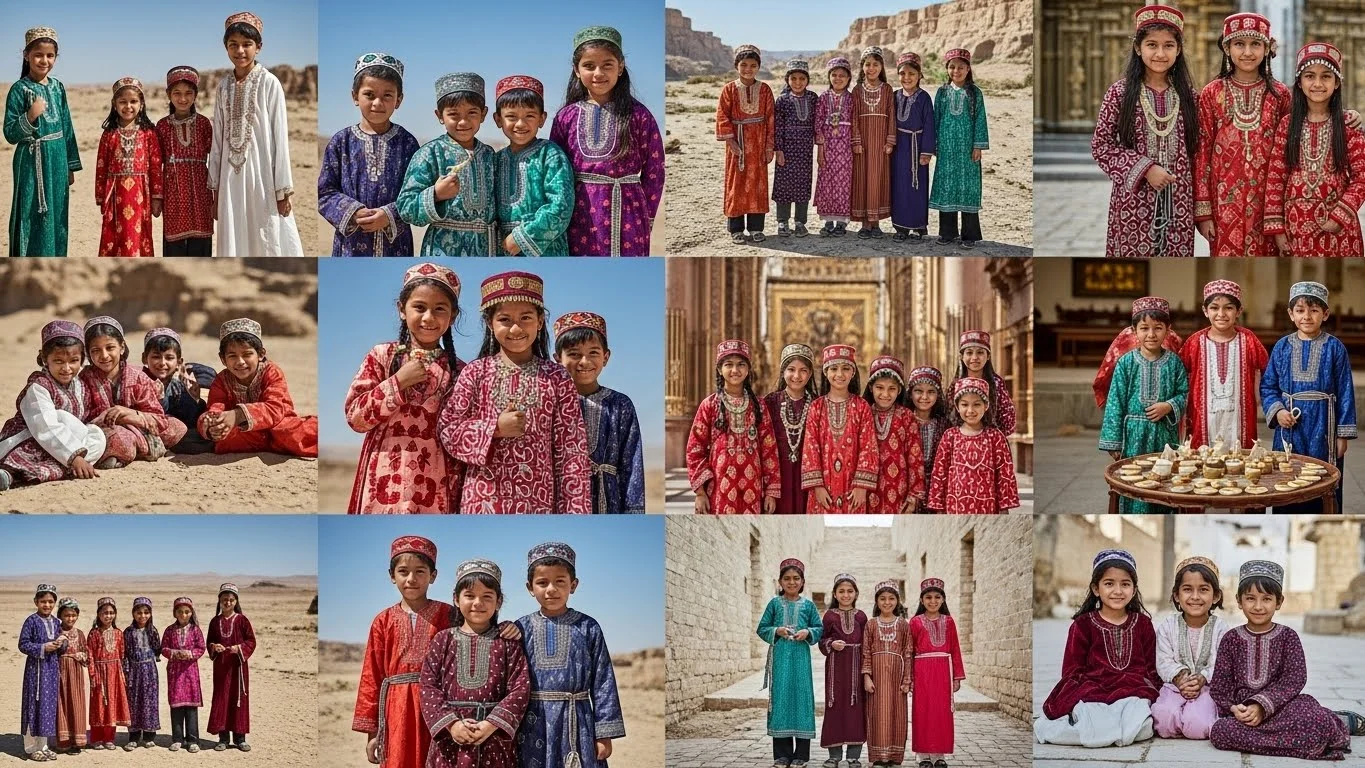
Understanding Cultural Experiences for Kids
The Importance of Cultural Exposure
I’ve always believed that cultural exposure is essential for children, especially when we travel. It’s about more than just seeing new places; it’s about understanding different ways of life. I remember one trip when my family visited Mexico. My kids were enchanted by the vibrant colors, the lively music, and even the different scents coming from the food stalls. They weren’t just learning about a different culture; they were experiencing it firsthand. This kind of exposure helps kids build empathy and a broader worldview. They start to see the beauty in diversity and recognize that there are many ways to live and celebrate life.
Benefits of Traveling with Kids
Traveling with my kids has been one of the best decisions I’ve ever made. I’ve seen them grow in ways I never expected. It’s amazing how a trip can teach them about history, geography, and social studies without ever opening a textbook. When we visited the ancient ruins in Greece, my son was fascinated by the stories behind each stone. He began to ask questions about ancient civilizations, and I could see that spark of curiosity ignite in him. I’ve learned that travel provides real-life context that makes learning more relevant and engaging.
Moreover, traveling together strengthens our family bonds. Those shared experiences—like trying street food in Thailand or participating in a traditional dance in Bali—bring us closer. We create inside jokes and stories that we can reminisce about for years to come. In my experience, traveling is an investment in our relationship as a family, while also enriching our kids’ understanding of the world. For more insights on family-friendly dining options, check out Top 10 Gourmet Dining Experiences for Family Vacations.
Top 10 Cultural Experiences for Kids
1. Cooking Classes: Learning Local Cuisine
One of my most cherished memories is taking a cooking class in Italy with my kids. We learned to make fresh pasta from scratch, and it was such a delightful experience! Kids love hands-on activities, and cooking offers a delicious way to connect with a culture. It was fascinating for them to learn about the ingredients, traditional methods, and even the history behind the dishes we made. Plus, who doesn’t love eating what they’ve created? It’s a fun way to engage their senses and develop a love for food!
2. Traditional Festivals: Celebrating Local Customs
Experiencing local festivals is another fantastic way to immerse kids in a culture. Last summer, we attended a colorful festival in India, complete with music, dance, and local crafts. My daughter was mesmerized by the henna artists and the traditional dances performed by locals. Festivals are a vibrant blend of culture, tradition, and community spirit, and they allow kids to see firsthand how people celebrate their heritage. I found that my kids were much more open to learning about the customs and beliefs of others after experiencing this lively event.
3. Arts and Crafts Workshops: Hands-On Creativity
When we traveled to Japan, we stumbled upon a local pottery workshop. My kids were thrilled to try their hand at making their own pieces of art. Arts and crafts workshops not only ignite creativity but also allow kids to connect with local artisans and understand the significance of their work. I’ve noticed that these experiences foster a sense of appreciation for different artistic styles and methods. Plus, we came home with unique souvenirs made by my kids, which added a personal touch to our travel memories!
4. Historical Sites: Exploring Ancient Civilizations
Visiting historical sites is like stepping into a time machine. I remember walking through the ancient ruins of Pompeii with my family. As we explored the remnants of a once-thriving city, I saw my kids’ imaginations come alive. They were asking questions and piecing together the stories of the people who lived there. Historical sites offer a tangible connection to the past, and I believe they can instill a sense of wonder and curiosity in children. It’s a powerful way to spark an interest in history that can last a lifetime.
5. Language Classes: Immersive Learning Experiences
One of the most enriching experiences we had was enrolling our kids in a short language class while in Spain. Learning a few phrases in the local language opened up so many doors for them. They felt more confident interacting with locals, whether it was ordering food or asking for directions. Language classes not only boost communication skills but also help kids feel more connected to the culture. I’ve found that even just a little effort to speak the language can lead to meaningful interactions and friendships.
6. Music and Dance Performances: Engaging with Local Art
Music and dance are universal languages. I recall attending a traditional folk dance performance in Peru. The vibrant costumes and rhythmic movements captivated my children. They were not just spectators; they were inspired to join in when the performers invited the audience to dance! Engaging with local art forms fosters appreciation and understanding of cultural expressions. It’s an exhilarating experience that brings a sense of joy and excitement, making it memorable for everyone involved.
7. Nature and Wildlife Tours: Understanding Local Ecosystems
Exploring nature is another fantastic cultural experience. When we took a wildlife tour in Costa Rica, my kids learned about the local ecosystems and the importance of conservation. Seeing sloths and toucans in their natural habitat was awe-inspiring! Nature tours can help kids appreciate biodiversity and the need to protect our planet. I feel that these experiences instill a sense of responsibility in them to care for the environment, which is crucial as we face global challenges.
8. Cultural Immersion Programs: Living Like a Local
Participating in cultural immersion programs has been a game-changer for us. On one trip, we stayed with a local family in Vietnam. Living with them allowed my kids to see everyday life from a different perspective. They helped with cooking, participated in local traditions, and learned about family values. This experience deepened our understanding of the culture and offered insights that typical tourist experiences often miss. It’s an incredible way to develop friendships and learn about different lifestyles.
9. Local Markets: Discovering Everyday Life
Visiting local markets has always been one of my favorite things to do while traveling. The bustling energy, vibrant colors, and unique smells are a feast for the senses. I took my kids to a market in Morocco, where they were able to see how locals shop and interact. They loved trying new fruits and snacks while chatting with friendly vendors. Local markets provide a glimpse into daily life and offer kids the chance to try new foods and learn about local customs. I believe it’s an experience that enhances their appreciation for different cultures.
10. Museum Visits: Interactive Learning Opportunities
Museums can be a treasure trove of knowledge. I remember taking my kids to a science museum where they could touch exhibits and engage in hands-on activities. Museums often have programs tailored for children, making learning fun and interactive. I think it’s essential to choose museums that focus on local culture and history, as it helps kids connect with the place they are visiting. These visits often spark further questions and discussions, enhancing their learning experience. Additionally, discovering Affordable Cultural Activities for Families on the Go can enhance your travel experience.
Tips for Engaging Kids in Cultural Activities
Choosing Age-Appropriate Experiences
One of the most important aspects of planning cultural activities is ensuring they are age-appropriate. I remember when my kids were younger; I had to consider their attention spans and interests. For instance, while they loved the cooking class, they were less enthusiastic about a lengthy museum tour. I’ve found that balancing educational content with fun is key. When we traveled to France, we enrolled them in a short pastry-making class geared toward kids. The experience was both engaging and educational, allowing them to explore French culture through delicious treats while having a blast! I believe that when activities are tailored to their age and interests, kids are more likely to participate enthusiastically and retain the lessons learned.
Incorporating Educational Elements
Traveling is a fantastic opportunity to incorporate educational elements into our adventures. Before a trip, I often research local history or fun facts about our destination. For example, when we visited Egypt, I shared stories about the pyramids and the ancient gods. I found that my kids were more engaged when they had a little background knowledge. During our visit to the pyramids, they were asking insightful questions and eagerly pointing out things related to what we had discussed. I think it’s about creating a narrative around our experiences that makes them more meaningful. Using tools like interactive apps or travel journals can also enhance their understanding, allowing them to document their experiences and reflect on what they learn.
Encouraging Interaction with Locals
One of the best ways for kids to learn about a culture is through direct interaction with locals. I remember encouraging my kids to practice their Spanish while visiting a small village in Mexico. They excitedly ordered their own meals in a local restaurant, and the smiles exchanged and laughter shared made the experience unforgettable. I’ve noticed that kids are naturally curious and open, so fostering that interaction can lead to amazing connections and conversations. I recommend seeking out activities that promote engagement, such as community events, workshops, or even volunteering opportunities. These interactions not only enhance cultural understanding but also help kids develop social skills and confidence.
Planning Your Cultural Trip
When to Travel: Best Times for Cultural Experiences
Timing can make a huge difference in the quality of our cultural experiences. I’ve learned that traveling during local festivals or significant events can provide a richer experience. For instance, visiting Japan during cherry blossom season added a magical touch to our trip. The beauty of the blossoms was captivating, and we got to join in on local celebrations. I’ve also found that traveling during the off-peak season often means fewer crowds and more authentic interactions. It’s worth considering the climate, local holidays, and school schedules when planning our trips to ensure we make the most of our cultural experiences.
Budgeting for Cultural Activities
Budgeting is a crucial part of planning any trip, especially when it comes to cultural activities. I’ve discovered that many cultural experiences can fit all sorts of budgets. For instance, while some cooking classes or workshops may be on the pricier side, local festivals often offer free events that can be just as enriching. When we visited Thailand, we found several affordable workshops and activities, which allowed us to immerse ourselves in the culture without breaking the bank. I recommend setting a budget for cultural activities beforehand and prioritizing experiences that align with our family’s interests. It’s also helpful to look for family discounts or combo deals that can make experiences more accessible.
Choosing Family-Friendly Destinations
Not all destinations are created equal when it comes to family-friendly cultural experiences. I’ve learned to seek out places that offer a variety of activities suitable for different ages. For example, cities like Barcelona or London have numerous cultural attractions and activities that cater to families. I also look for destinations with interactive museums, parks, and festivals that engage children. It’s helpful to check online reviews or family travel blogs to see what other families have experienced. I believe that choosing the right destination can significantly enhance our overall enjoyment and the educational value of our trip.
Safety Considerations
Travel Safety Tips for Families
Safety is always a top priority when traveling with kids. I remember feeling a mix of excitement and nervousness before our first international trip as a family. To ensure our travels are safe, I’ve developed a few strategies. Before we leave, I make sure to discuss safety rules with my kids, such as staying close to us in crowded areas and what to do if they get lost. I also keep copies of important documents like passports and travel insurance in a secure location. I find it helpful to have a basic first aid kit on hand, along with any necessary medications. Generally, staying aware of our surroundings and trusting our instincts goes a long way in keeping our family safe while we explore new cultures.
Health Precautions While Traveling
When it comes to health, I’ve learned that it’s best to be prepared. Before traveling, I always check if there are any vaccinations or health precautions needed for our destination. I remember our trip to Southeast Asia, where I made sure we were up to date on vaccines and packed anti-malarial medication just in case. Staying hydrated and being mindful of what we eat are other key factors in maintaining our health while traveling. I encourage my kids to try new foods but also to listen to their bodies. Understanding the importance of health and safety while traveling allows us to focus on enjoying our cultural experiences fully.
Resources for Planning Cultural Experiences
Recommended Websites and Apps
In today’s digital age, planning cultural experiences has become much easier thanks to various websites and apps. I often turn to sites like TripAdvisor and Yelp for local recommendations and reviews. They can be invaluable when searching for family-friendly activities that engage both younger and older kids. I remember using Viator during our trip to Italy. It offered a range of tours that were both educational and fun, and we were able to find options that included skip-the-line tickets for popular sites—definitely a win with kids in tow!
Another app I love is Google Translate. It not only helps with language barriers but also has a feature where you can point your camera at text, and it translates it in real-time. This came in handy during our visits to local markets, allowing my kids to read signs and menus, which made them feel more involved and independent. Lastly, a family-friendly app like Klook is great for booking activities in advance, ensuring we don’t miss out on unique experiences while traveling.
Books and Guides for Kids
Books can be amazing tools for travel preparation, especially for kids. I often pick up travel guides designed for children that explain the culture, history, and customs of our destination in an engaging way. One of my favorites is the “Let’s Go” series, which presents travel information in a fun, relatable manner. I also encourage my kids to explore books related to the places we visit. For example, before our trip to Egypt, we read books about ancient Egypt, which helped them understand the significance of the pyramids and the Nile River.
Additionally, travel journals can encourage kids to document their experiences. I found that giving my kids journals to write or draw in during our travels helped them process what they were learning. This practice not only enhances their writing skills but also creates a keepsake they can cherish for years to come. It’s a wonderful way to blend creativity with education!
Local Tour Operators and Cultural Organizations
Connecting with local tour operators can greatly enhance our cultural experiences. I’ve discovered that local guides often provide deeper insights and stories that you won’t find in guidebooks. For instance, during our visit to Peru, we booked a tour with a local operator that focused on cultural heritage. The guide was incredibly knowledgeable about the traditions of the indigenous people, making the experience unforgettable for my family.
I also recommend checking out local cultural organizations. Many cities have community centers or visitor bureaus that offer activities and workshops for families. When we were in Mexico, we participated in a local cooking class organized by a cultural center. This not only supported the community but allowed us to learn directly from locals about their culinary traditions. I believe these interactions create a sense of belonging and connection that enriches our travel experience.
Overall, utilizing these resources not only makes planning easier but also enhances the educational aspect of our travels. Each tool, whether it’s a website, a book, or a local organization, adds another layer to our understanding and appreciation of the cultures we encounter.
Frequently Asked Questions
1. Why is cultural exposure important for children when traveling?
Cultural exposure is essential for children as it helps them understand different ways of life, builds empathy, and broadens their worldview. Experiencing new cultures firsthand allows kids to see the beauty in diversity and recognize various ways to live and celebrate life.
2. What are some benefits of traveling with kids?
Traveling with kids provides real-life context for learning about history, geography, and social studies, fosters family bonds through shared experiences, and ignites curiosity. It creates lasting memories and enriches children’s understanding of the world.
3. What is one hands-on cultural experience mentioned that kids can enjoy?
Cooking classes are a fantastic hands-on cultural experience for kids, as they allow children to learn about local cuisine, engage their senses, and enjoy the food they create, fostering a love for cooking and cultural appreciation.
4. How can participating in local festivals benefit children?
Participating in local festivals immerses kids in the culture and community spirit, allowing them to see how people celebrate their heritage. These vibrant experiences can make children more open to learning about customs and beliefs of others.
5. What are some tips for engaging kids in cultural activities while traveling?
To engage kids in cultural activities, it’s important to choose age-appropriate experiences, incorporate educational elements, and encourage interaction with locals. Tailoring activities to their interests increases participation and retention of lessons learned.
6. What should families consider when planning cultural trips?
Families should consider the timing of their travels to coincide with local festivals, budget for cultural activities, and choose family-friendly destinations that offer suitable activities for different ages to enhance enjoyment and education.
7. What safety tips should families follow when traveling with kids?
Families should discuss safety rules with kids, keep copies of important documents, have a basic first aid kit, and stay aware of their surroundings. Trusting their instincts can help ensure safety while exploring new cultures.
8. How can parents prepare their kids for travel health-wise?
Parents should check for necessary vaccinations or health precautions before traveling, ensure hydration, and encourage kids to listen to their bodies when trying new foods. Being prepared allows families to focus on enjoying their cultural experiences fully.
9. What resources can help families plan cultural experiences effectively?
Families can utilize websites and apps like TripAdvisor, Yelp, and Google Translate for planning cultural experiences. Additionally, travel guides designed for children and local tour operators offer valuable insights and enhance educational experiences.
10. Why are local tour operators and cultural organizations beneficial for travelers?
Local tour operators provide deeper insights and stories that enrich cultural experiences, while cultural organizations often offer activities and workshops for families, fostering community connection and supporting local traditions during travels.