
For those who share a passion for architectural photography, the world is a canvas filled with stunning structures waiting to be captured. From ancient wonders to modern marvels, each destination offers a unique story through its architecture. Read Interesting article: Capture Stunning Architecture: Your Guide to Photography Tours
Understanding Architectural Photography
What is Architectural Photography?
Architectural photography is an art form that focuses on capturing buildings, structures, and spaces in a visually compelling way. I’ve always found that this type of photography allows us to appreciate the design and craftsmanship of the buildings we often overlook in our busy lives. It’s not just about taking pictures of buildings; it’s about conveying the essence and character of the structures, reflecting the time and culture they represent. Whether it’s the clean lines of a modern skyscraper or the intricate details of a historic cathedral, each photograph tells a story.
The Importance of Light and Composition
When I first delved into architectural photography, I quickly realized that light plays a crucial role in how a structure is perceived. The angle of the sun, the time of day, and even the weather can dramatically affect the mood of a photograph. For instance, shooting during the golden hour, just after sunrise or before sunset, often brings out the best in a building’s features. I’ve found that soft, diffused light on a cloudy day can also create a unique atmosphere, highlighting textures and details that might be missed in harsh sunlight.
Composition, too, is key. Utilizing lines, shapes, and perspectives can lead to powerful images. I remember experimenting with different angles and viewpoints in my local city, and it was fascinating to see how a simple change in perspective could transform a mundane building into something awe-inspiring. Techniques like framing, leading lines, and the rule of thirds have become essential tools in my photography toolkit, helping me create striking images that invite viewers into the frame. Read Interesting article: Budget Backpacking: Unveiling Modern Architectural Gems
Essential Equipment for Architectural Photography
As I’ve explored this genre, I’ve learned that having the right equipment can make a significant difference in capturing the perfect shot. While many photographers swear by full-frame DSLRs, I’ve found that a good mirrorless camera can be just as effective, often offering lighter and more compact options that are easier to carry around during lengthy shoots. A wide-angle lens is a must-have for architectural photography. It allows us to capture entire buildings or expansive interiors in a single frame, which is especially helpful in tight spaces.
Additionally, a sturdy tripod can be a lifesaver, particularly in low-light situations or when I want to ensure sharpness in long exposure shots. I also recommend carrying a polarizing filter; it can enhance colors and reduce reflections, making your photos pop. Lastly, don’t forget extra batteries and memory cards! I’ve had moments where I was caught without enough storage or power, and it’s a disappointment that can easily be avoided.
Top 10 Destinations for Architectural Photography
1. Barcelona, Spain
Key Architectural Highlights
Barcelona is a dream destination for any architectural photography enthusiast. The city is a vibrant tapestry of styles, from Gothic to Modernisme, thanks in large part to the genius of Antoni Gaudí. Walking through the streets, I felt as though I was stepping into a living gallery of architectural innovation.
Famous Structures: Sagrada Familia, Park Güell
The Sagrada Familia is perhaps the most iconic structure in Barcelona. Its intricate facades and towering spires offer limitless opportunities for photography. I found that capturing the play of light through its stained glass windows during the afternoon was truly magical. Meanwhile, Park Güell, with its colorful mosaics and whimsical structures, provides a different kind of charm. I loved wandering the park and discovering hidden details in every corner, each begging to be photographed.
Best Time for Photography
For me, the best time to shoot in Barcelona is early morning when the streets are quiet, and the light is soft. This is especially true for the Sagrada Familia, where you can capture the stunning architecture without the crowds. Additionally, late afternoon light is also perfect for capturing the vibrant colors of Park Güell. I recommend visiting during the off-peak seasons (spring or fall) for a more relaxed experience.
2. Paris, France
Iconic Landmarks: Eiffel Tower, Notre-Dame Cathedral
Ah, Paris! The city of love is also a haven for architectural photographers. The Eiffel Tower, symbolizing the city, stands tall and proud, offering countless angles for us to capture its grandeur. I remember spending hours in the Trocadéro Gardens, experimenting with different compositions as the sun set behind it.
Unique Architectural Styles
Paris is teeming with diverse architectural styles, from the Gothic beauty of Notre-Dame Cathedral to the modern glass and steel structures of La Défense. I found the juxtaposition of old and new incredibly fascinating. Wandering through the cobblestone streets, I was able to capture the essence of Parisian life alongside its stunning architecture.
Tips for Capturing the Parisian Skyline
For the best skyline shots, I recommend heading to Montparnasse Tower. It offers an incredible panoramic view of the city, especially at dusk when the lights begin to twinkle. I found that including a bit of foreground interest, like the Seine River, can add depth to the images, making them even more captivating.
Top 10 Destinations for Architectural Photography
3. Tokyo, Japan
Modern vs. Traditional Architecture
Tokyo is a fascinating place where the old and the new coexist in perfect harmony. I remember stepping off the train and being greeted by the sleek lines of skyscrapers juxtaposed against traditional temples. It’s a city that tells a story of resilience and innovation, and as a photographer, I found myself captivated by this blend. The modern architecture, like the Tokyo Skytree, offers a futuristic vibe, while the serenity of historic sites like the Meiji Shrine brings a sense of tranquility. Capturing these contrasts is an exhilarating challenge. I often found that shooting both styles in the same day allowed me to highlight the unique character of Tokyo.
Notable Buildings: Tokyo Tower, Senso-ji Temple
Tokyo Tower is an iconic structure that always draws my attention. Its bright orange and white colors stand out against the blue sky, making it a must-capture landmark. I particularly enjoy shooting it at sunset when the warm light bathes the tower in a golden hue. On the other hand, Senso-ji Temple, with its intricate wooden architecture and vibrant red gates, provides a stark contrast. I remember visiting early in the morning, and the peaceful atmosphere allowed me to capture it in a way that felt almost ethereal. The details in the temple’s design are incredible, and I often try to focus on the smaller elements, like the carvings and lanterns, to showcase the craftsmanship involved.
Best Locations for Urban Landscapes
For urban landscapes, I recommend heading to the Shibuya Scramble Crossing. It’s one of the busiest pedestrian crossings in the world, and photographing it during peak hours can yield dynamic shots filled with energy. I also stumbled upon the Tokyo Metropolitan Government Building, which offers a fantastic observation deck. The panoramic views from up there are breathtaking, especially at dusk when the city lights begin to twinkle. I’ve often found myself returning to the same spots, discovering new angles and compositions each time.
4. Istanbul, Turkey
Bridging Two Continents: Architectural Influences
Istanbul is a city that truly bridges two continents, and its architecture reflects this rich blend of cultures. Walking through its bustling streets, I felt immersed in a tapestry of history, where Byzantine and Ottoman influences are evident. The architecture tells tales of empires and trades, and as a photographer, I loved capturing these narratives. It’s fascinating to think about how each structure has withstood the test of time while the city around it has evolved.
Must-Visit Sites: Hagia Sophia, Blue Mosque
The Hagia Sophia is one of those places that simply takes your breath away. Its massive dome and intricate mosaics create a stunning interior that is a delight to photograph. I recommend visiting during the early morning hours to avoid crowds and catch the light streaming through the stained glass. The Blue Mosque, with its striking blue tiles and grand minarets, is another iconic site that I found to be equally awe-inspiring. Capturing these buildings from different angles helped me appreciate their beauty even more.
Best Times to Visit for Photography
For anyone looking to photograph Istanbul, I suggest visiting in the spring or fall. The weather is usually mild, and the light is perfect for shooting. I also discovered that twilight can create magical moments as the sun sets over the Bosphorus, casting a warm glow on the city’s skyline. I made it a habit to explore different areas at different times of the day, and I was always rewarded with fresh perspectives on the same sites.
5. New York City, USA
Skyscrapers and Historic Buildings
New York City, with its skyline dominated by skyscrapers and historic buildings, offers endless possibilities for architectural photography. I remember my first visit, standing in awe at the sheer size of the Empire State Building. It felt like capturing the heart of the city itself. The mix of styles, from the Art Deco of the Chrysler Building to the modern glass of One World Trade Center, creates a fascinating visual narrative.
Famous Locations: Empire State Building, One World Trade Center
When photographing the Empire State Building, I found that including elements of the busy streets below added life to the images. The One World Trade Center provides a different challenge; its sleek design requires careful framing to do it justice. I often find myself experimenting with reflections in nearby buildings or puddles after rain, which can add an artistic touch.
Street Photography Tips
New York City is also a fantastic place for street photography. I’ve learned that the key is to be patient and observant. Capturing candid moments against the backdrop of iconic buildings creates a powerful story. I often recommend taking a walk through neighborhoods like SoHo or the Lower East Side to find unique architectural gems and vibrant street life. The blend of human activity with stunning architecture often leads to some of my favorite shots.
6. Rome, Italy
Ancient vs. Modern Architecture
Rome is a city where every corner reveals a piece of history. The contrast between ancient ruins and modern structures is something I always look forward to capturing. I remember standing in front of the Colosseum, mesmerized by its grandeur. It’s amazing to think about how this ancient amphitheater has stood for centuries, and photographing it at different times of the day revealed its character in a new light.
Key Sites: Colosseum, Vatican City
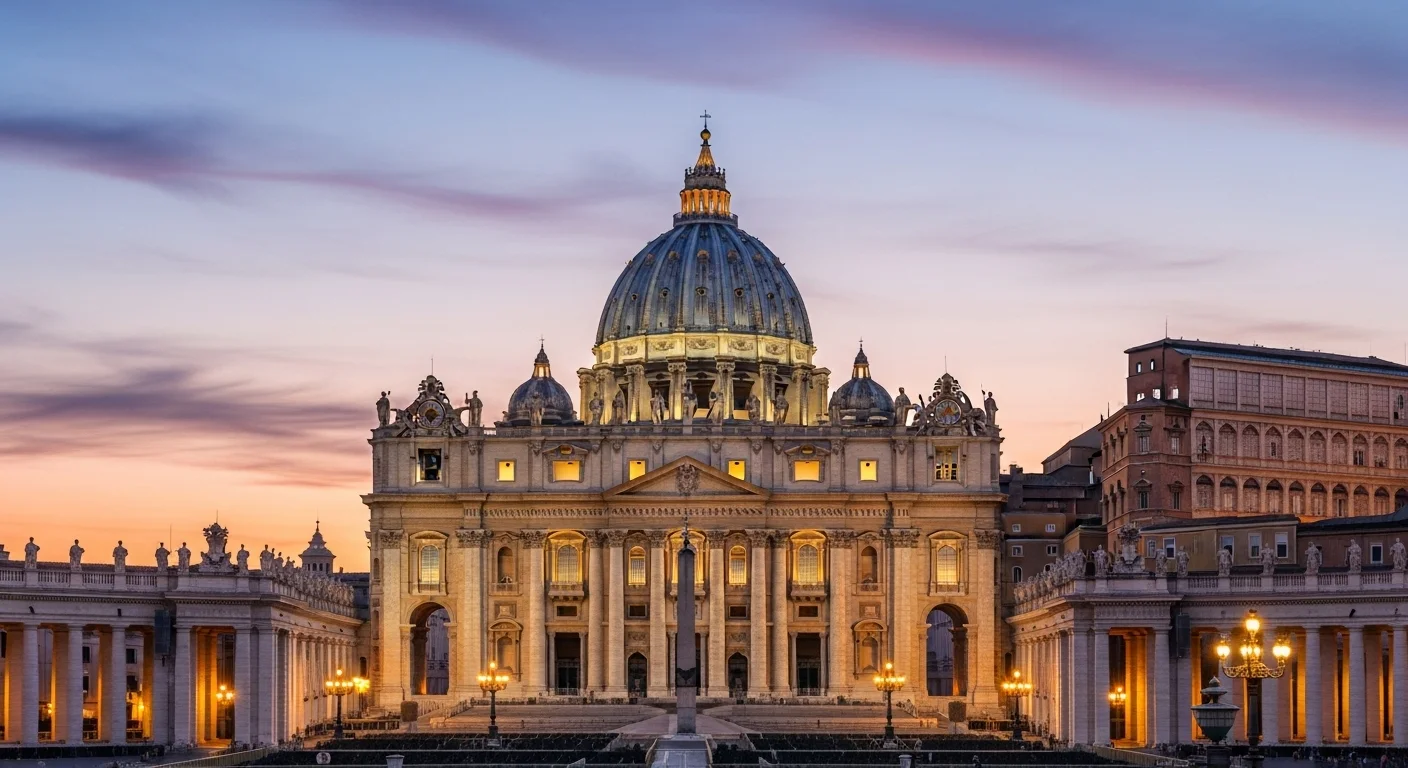
The Vatican City is another must-visit site. The intricate details of St. Peter’s Basilica are breathtaking, and I found that capturing it from various angles, especially from the piazza, created stunning compositions. I often suggest visiting early in the day or later in the evening when the light is softer, allowing for a more ethereal quality in the photographs.
Best Angles for Iconic Shots
To get the best angles in Rome, I recommend scouting locations ahead of time. The Palatine Hill offers fantastic views of the Forum and the Colosseum, while the Trastevere neighborhood provides charming streets lined with colorful buildings. I’ve had so much fun wandering through these areas, waiting for the perfect moment to click the shutter.
7. Sydney, Australia
Famous Structures: Sydney Opera House, Harbour Bridge
Sydney is a vibrant city known for some of the most recognizable structures in the world. The Sydney Opera House, with its unique sail-like design, is a photographer’s dream. I still remember the first time I laid eyes on its stunning white shells against the backdrop of a bright blue sky. Capturing it from various angles allowed me to appreciate its architectural brilliance. I also recommend photographing the Sydney Harbour Bridge, which offers a contrasting industrial aesthetic. Walking across the bridge gives you a fantastic perspective of both the city and the harbor, and it’s an experience I cherish.
Waterfront Photography Tips
When shooting along the waterfront, I’ve found that utilizing the reflections in the water can enhance my images significantly. The golden light during sunrise and sunset creates captivating reflections and adds a warm glow to the structures. I usually try to arrive early to secure a good spot. It’s also helpful to look for interesting foreground elements, like boats or plants, to frame the iconic landmarks. One day, while shooting the Opera House at sunset, I positioned myself near some rocks to include them in the frame, which added depth to my image.
Best Times of Day for Capturing Light
In Sydney, the best light is often found during the early morning or late afternoon. I love the soft, diffused light just after sunrise; it brings out the intricate details of the Opera House without the harsh shadows that mid-day sun can create. If you’re looking to capture the city illuminated at night, don’t miss the opportunity to photograph the Opera House and Harbour Bridge lit up. I had an unforgettable experience one evening when I set up at Mrs. Macquarie’s Chair, where the view of both structures against the night sky was simply breathtaking.
8. London, England
Mix of Historical and Modern Architecture
London is a city that beautifully marries the old with the new. Every time I visit, I’m struck by the way historic buildings coexist with sleek, modern designs. The juxtaposition of St. Paul’s Cathedral against the glassy façade of The Shard is a perfect example of this architectural harmony. I remember wandering around the South Bank, where I could capture both the historic landmarks like the Tower of London and contemporary structures like the Tate Modern.
Iconic Sites: Tower Bridge, The Shard
One of my favorite sites to photograph is Tower Bridge. I love capturing it from different angles, whether it’s from the shore or while walking across it. The classic Victorian Gothic style is a treat for the eyes. On the other hand, The Shard, with its sharp angles and innovative design, is best photographed during the golden hour when it reflects the warm light beautifully. I’ve spent countless hours experimenting with perspectives, and I find that including the Thames River in the frame adds a dynamic element to my images.
Best Neighborhoods for Architectural Diversity
Exploring neighborhoods like Notting Hill or Shoreditch can lead to delightful surprises. Notting Hill’s colorful houses provide a charming backdrop, while Shoreditch showcases urban art alongside modern designs. I remember one day spent in Shoreditch, where I stumbled upon a vibrant mural that perfectly complemented the sleek lines of nearby buildings. It’s these kinds of moments that make wandering through the city so rewarding. Read Interesting article: Uncover Hidden Gems: Budget Cultural Heritage Sites Worldwide
9. Dubai, UAE
Futuristic Skyline and Luxury Structures
Dubai is a city that seems to defy the laws of architecture. The futuristic skyline is filled with incredible structures that push the boundaries of design. The Burj Khalifa, standing as the tallest building in the world, is something that truly left me in awe. I spent an entire evening photographing it, and I was amazed at how its appearance changes with the light. The smooth, reflective surface captures shades of blue and gold as the sun sets, creating a stunning visual.
Must-Photograph Buildings: Burj Khalifa, Palm Jumeirah
Another iconic structure is the Palm Jumeirah. I found that capturing it from above, like when I visited the observation deck of the Burj Al Arab, provided a unique perspective that showcases the island’s palm shape. I also love to shoot the intricate designs of the souks and other traditional buildings in the midst of this modern landscape; it’s a reminder of Dubai’s rich heritage. Balancing these elements in my photography helped tell the story of a city that is both ancient and avant-garde.
Best Times for Shooting at Night
Night photography in Dubai is truly a spectacle. I recommend aiming for the early evening when the city lights begin to twinkle. The atmosphere is electric, and photographing the skyline with all its illuminated structures creates a magical feel. I often set up at the waterfront to capture reflections and to include the vibrant life along the promenade. One night, while shooting near the Dubai Fountain, I was captivated by the interplay of light and movement, which gave life to my images.
10. Prague, Czech Republic
Rich History and Diverse Styles
Prague holds a special place in my heart. The city is a treasure trove of architectural styles, from Gothic cathedrals to Baroque palaces. Walking through its streets feels like stepping back in time. I remember being enchanted by the intricate details of the buildings, especially in the Old Town Square. There’s something so captivating about the way history and culture are woven into the very fabric of the architecture.
Key Attractions: Prague Castle, Charles Bridge
Prague Castle is a must-visit. The grandeur of its architecture and the stunning views of the city from its vantage point are simply breathtaking. I made sure to capture both the castle and the surrounding landscape; the contrast of the historic stone with the vibrant city below is striking. The Charles Bridge, adorned with statues, is another iconic site. I love to photograph it early in the morning when the mist covers the river, lending a mystical quality to my images.
Best Photography Locations in the City
For photography, there are hidden gems all around Prague. I often recommend visiting places like Letná Park for panoramic views of the city. It’s a perfect spot to capture both the Vltava River and the historic skyline. Another great place is the John Lennon Wall, which offers a mix of color and creativity, showcasing the spirit of freedom and art. Each visit brings new opportunities for unique compositions and perspectives.
Frequently Asked Questions
What is architectural photography?
Architectural photography is an art form that focuses on capturing buildings, structures, and spaces in a visually compelling way, conveying the essence and character of the structures and reflecting the time and culture they represent.
Why is light important in architectural photography?
Light plays a crucial role in how a structure is perceived. The angle of the sun, time of day, and weather can dramatically affect the mood of a photograph, with golden hour providing the best light for capturing architectural features.
What essential equipment is recommended for architectural photography?
A good mirrorless camera, a wide-angle lens, a sturdy tripod, a polarizing filter, extra batteries, and memory cards are recommended for capturing the perfect shot in architectural photography.
What are some top destinations for architectural photography?
Top destinations include Barcelona, Paris, Tokyo, Istanbul, New York City, Rome, Sydney, London, Dubai, and Prague, each offering unique architectural styles and landmarks.
What are the best times for photography in Barcelona?
The best times for photography in Barcelona are early morning when streets are quiet and light is soft, and late afternoon light for capturing vibrant colors, particularly in places like the Sagrada Familia and Park Güell.
How can I capture the Parisian skyline effectively?
For the best skyline shots in Paris, heading to Montparnasse Tower at dusk for panoramic views is recommended, along with including foreground elements like the Seine River to add depth to images.
What makes Tokyo a unique city for architectural photography?
Tokyo uniquely blends modern and traditional architecture, allowing photographers to capture the contrast between sleek skyscrapers and historic temples, showcasing the city’s resilience and innovation.
When is the best time to photograph Istanbul?
Visiting Istanbul in the spring or fall is best for photography, as the weather is mild and the light is perfect for shooting. Twilight moments also create magical opportunities for capturing the skyline.
What types of architecture can be found in New York City?
New York City features a mix of skyscrapers and historic buildings, with iconic locations like the Empire State Building and One World Trade Center providing endless possibilities for architectural photography.
Which neighborhoods in London are recommended for architectural diversity?
Neighborhoods like Notting Hill and Shoreditch are recommended for architectural diversity, showcasing colorful houses and urban art alongside modern designs, offering unique photographic opportunities.