
For budget backpackers, finding affordable yet eco-friendly accommodations can be a rewarding journey. By choosing sustainable stays, we can explore the world while protecting it, all without breaking the bank. If you’re also interested in outdoor adventures, check out Eco-Friendly Mountain Climbing: A Guide for Budget Backpackers.
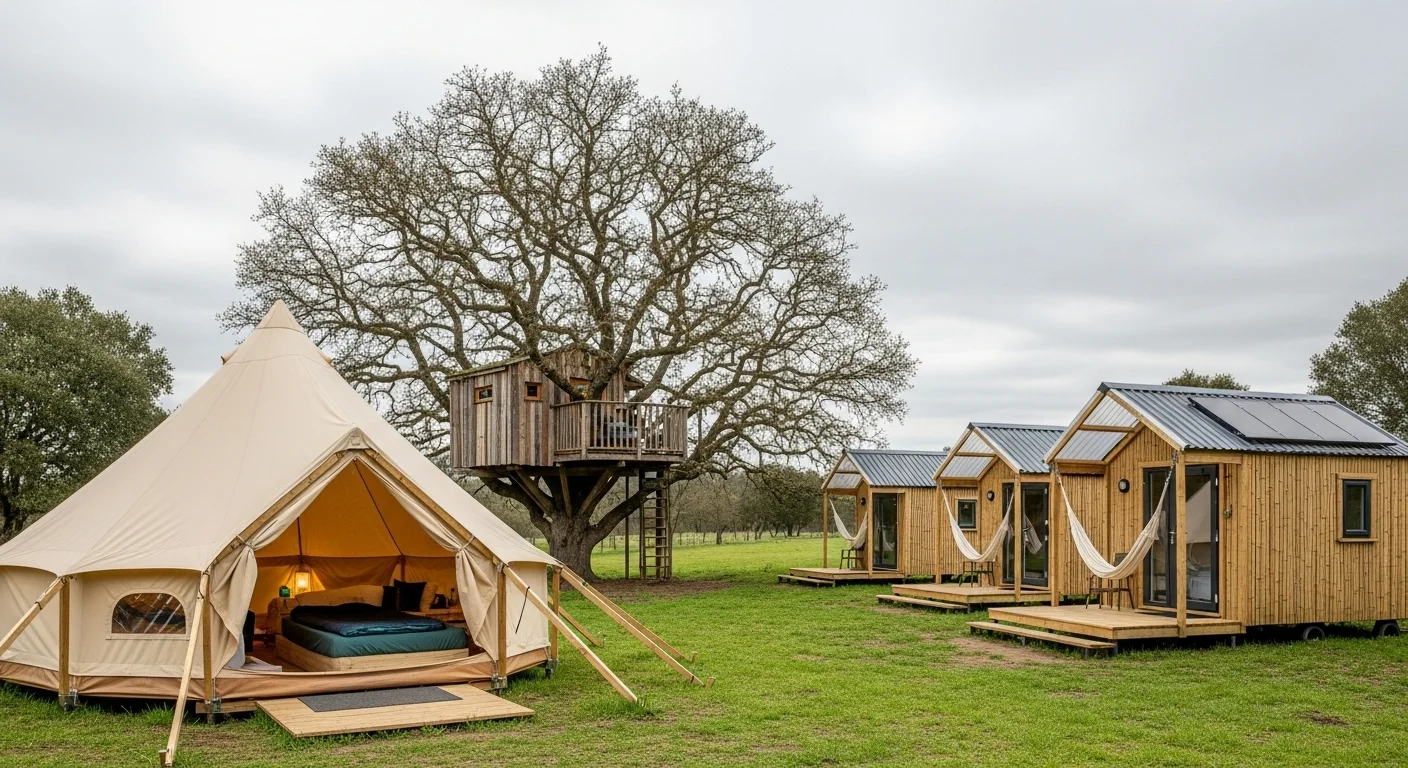
Understanding Eco-Friendly Accommodations
What Defines Eco-Friendly Accommodations?
When I think about eco-friendly accommodations, I picture places that respect the environment and promote sustainability. These accommodations typically use renewable energy sources, minimize waste, conserve water, and often prioritize local sourcing of food and materials. I remember the first time I stayed in an eco-lodge; it was not just about the amenities, but the entire experience felt harmonious with nature. Many of these stays incorporate green practices, such as recycling, composting, and providing guests with information on how to minimize their own environmental impact during their stay.
Benefits of Choosing Eco-Friendly Stays
From my experience, choosing eco-friendly accommodations offers numerous benefits. Not only do we help reduce our carbon footprint, but we also support local communities and economies. I’ve found that eco-friendly places often have unique character and charm, reflecting the culture and environment of their locations. You meet like-minded travelers who share a passion for sustainability, which can lead to great conversations and friendships. Plus, many eco-friendly accommodations offer healthier dining options, often featuring organic and locally sourced ingredients. It’s a win-win situation: good for the planet and good for us!
Importance for Budget Backpackers
As budget backpackers, we’re always looking for ways to stretch our dollars while having enriching experiences. Eco-friendly accommodations frequently come with lower prices because they focus on sustainability rather than luxury. I’ve discovered that many hostels and eco-lodges offer shared facilities, which not only keeps costs down but also fosters a sense of community. Choosing to stay in eco-friendly places aligns perfectly with the values of budget travel. We can enjoy affordable lodging while contributing to environmental conservation. It’s incredibly fulfilling to know that our choices, even when traveling on a budget, can make a positive impact. For those interested in wildlife, consider Join Wildlife Conservation Tours Without Breaking the Bank.
Top 10 Eco-Friendly Accommodations
1. Hostels with Sustainable Practices
Hostels are often the go-to for budget backpackers, and those with sustainable practices are a great choice. I’ve stayed in several that prioritize eco-friendliness. They usually offer recycling programs, energy-efficient lighting, and even community gardens. Here are a couple of my favorites:
Example: Green Tortoise Hostel, San Francisco
This hostel has a fantastic reputation for its commitment to sustainability. I loved their free breakfast that included local, organic options. They also have a unique approach to transportation, offering bike rentals and promoting walking tours around the city. The laid-back atmosphere and communal kitchens made it easy to meet fellow travelers.
Example: HI Hostel, Canada
The HI Hostel network in Canada includes several locations that practice eco-friendly habits. I remember staying at one in Banff, where they encouraged guests to use public transport and provided tips on exploring the local area sustainably. The focus on community and environmental awareness was evident and made my stay even more enjoyable.
2. Eco-Lodges in Nature
Staying in an eco-lodge surrounded by nature can be a magical experience. These accommodations often blend comfort with a commitment to environmental stewardship. I’ve found that eco-lodges create a perfect balance between enjoying the great outdoors and having a cozy place to rest. Here are a couple of examples:
Example: Eco-Lodge, Costa Rica
This lodge is nestled in the rainforest and offers stunning views and activities like bird-watching and hiking. The owners are passionate about sustainability, using solar energy and rainwater harvesting. My time there was filled with exploring nature, and I appreciated how the lodge blended seamlessly into the environment.
Example: Black Sheep Inn, Ecuador
I had an unforgettable experience at the Black Sheep Inn, which specializes in eco-tourism. The facilities are built from local materials, and they focus heavily on sustainability. They even offer a program where guests can partake in community service projects. I loved waking up to the sound of nature, and the food was delicious and locally sourced!
3. Organic Farm Stays
Staying on an organic farm can be both educational and enjoyable. Not only do we get to experience life on a farm, but we also learn about sustainable farming practices. I’ve visited a few farms where I could help with daily chores or simply enjoy the peaceful surroundings. Here’s a couple of noteworthy organic farm stays:
Example: Farm Stay, Italy
This picturesque farmhouse in Tuscany is not just a place to stay; it’s an experience. I spent mornings picking fruits and vegetables, and evenings enjoying farm-fresh meals. The connection to the land and the food was profound, and I left with a greater appreciation for where my food comes from.
Example: The Farm Camp, Australia
At The Farm Camp, I found a blend of rustic charm and eco-conscious living. They prioritize organic farming and offer workshops on sustainability. The friendly atmosphere made it easy to connect with other travelers, and I enjoyed learning about permaculture while staying in a cozy cabin surrounded by nature.
4. Sustainable Camping Options
If you love the outdoors, sustainable camping options are an excellent choice. I’ve had some of my best travel memories camping in beautiful locations that emphasize environmental responsibility. Here are a couple of sustainable camping experiences to consider:
Example: Eco Camps, Patagonia
Camping in Patagonia is nothing short of breathtaking. Staying at eco camps here means you’re surrounded by incredible landscapes while supporting conservation efforts. I remember the sense of peace I felt, knowing that the camp used solar power and promoted responsible tourism.
Example: Glamping, Joshua Tree
Glamping combines the thrill of camping with comfortable amenities. I’ve stayed in several glamping sites that prioritize eco-friendliness. In Joshua Tree, I enjoyed a luxurious tent that was designed with sustainability in mind, offering a unique way to experience the desert without leaving a harmful footprint.
Top 10 Eco-Friendly Accommodations
5. Green Hotels with Budget Options
While hotels often come with a higher price tag, many are adopting eco-friendly practices without breaking the bank. I’ve discovered some fantastic green hotels that offer budget options while still prioritizing sustainability. These places often integrate energy-efficient systems, use eco-friendly materials, and focus on waste reduction, making them great choices for conscious travelers.
Example: Hotel Verde, Cape Town
Hotel Verde is a perfect example of a green hotel that doesn’t compromise on comfort or sustainability. Located near the airport, I found it to be both convenient and eco-conscious. The hotel features energy-efficient systems, rainwater harvesting, and even a rooftop garden. I loved that they provided bicycles for guests to explore the area, making it easy to enjoy the beautiful surroundings while reducing our carbon footprint. Plus, their commitment to sourcing local products for their restaurant was a delightful bonus.
Example: 1 Hotel, South Beach
During my stay at 1 Hotel in South Beach, I was impressed by the blend of luxury and sustainability. The hotel incorporates reclaimed materials throughout its design, and their commitment to reducing plastic waste is commendable. I enjoyed the organic dining options, which included a farm-to-table restaurant. What I really appreciated was how they encouraged guests to participate in beach clean-ups, fostering a sense of community and responsibility towards the environment.
6. Community-Based Tourism Initiatives
Community-based tourism is a unique way to immerse ourselves in local cultures while supporting sustainable practices. I’ve had the pleasure of staying in places where the community is directly involved in tourism, making the experience authentic and enriching. It’s a fantastic way to connect with locals and learn about their traditions while making a positive impact.
Example: Local Homestays, Thailand
In Thailand, I stayed with a local family through a homestay program that focused on sustainability. They shared their daily lives with me, from cooking traditional meals to teaching me about local farming practices. The experience was not only affordable but also incredibly rewarding. I felt like I became part of their family and learned so much about their culture and environmental efforts.
Example: Community Projects, India
In India, I participated in a community tourism project that allowed me to engage with local artisans and learn about their crafts. The accommodations were simple yet comfortable, and the funds from our stay went directly back into the community. I remember being amazed by how each project was designed to empower locals, and it was a joy to support their initiatives while traveling. This kind of experience left me with lasting memories and friendships.
7. Eco-Friendly Bed and Breakfasts
Bed and breakfasts can offer a charming and personal touch to our travels. I’ve found that many eco-friendly B&Bs focus on sustainable practices, from farm-fresh breakfasts to energy-efficient heating. They often reflect the local culture and are run by passionate hosts eager to share their love for the environment.
Example: The Green House, Bournemouth
The Green House in Bournemouth is a standout for eco-conscious travelers. This B&B is dedicated to sustainability, using eco-friendly products and practices throughout its operations. I enjoyed their organic breakfast made with local ingredients, and the cozy atmosphere made me feel right at home. The hosts were genuinely friendly and shared their tips on local attractions that aligned with my interests in sustainability.
Example: The Inn at Tern Lake, Alaska
At The Inn at Tern Lake in Alaska, I reveled in the breathtaking views and commitment to preserving the natural surroundings. The inn emphasizes conservation and offers a homey feel. I loved waking up to the sounds of nature and indulging in breakfast made with local produce. It was a serene escape while still being mindful of the environment.
8. Urban Eco-Hostels
Urban eco-hostels are a fantastic option for budget backpackers looking to explore city life sustainably. I’ve stayed in hostels that prioritize sustainability, offering shared spaces that promote community and learning about local environmental issues.
Example: The Backpack, Cape Town
The Backpack in Cape Town is an inspiring example of an eco-hostel that also focuses on social responsibility. I loved the vibrant atmosphere and the opportunity to meet fellow travelers. The hostel supports local community projects, and I got involved in a few initiatives during my stay. Their commitment to sustainability is evident in everything from recycling to offering workshops on responsible travel.
Example: Wombat’s City Hostel, Vienna
During my visit to Vienna, I stayed at Wombat’s City Hostel, which is known for its eco-friendly practices. The hostel combines affordability with comfort and hosts various sustainability programs. I appreciated their efforts to minimize waste and promote recycling. Plus, the location made it easy to explore the city using public transport, which aligned perfectly with my travel philosophy.
9. Off-Grid Cabins and Retreats
For those looking to disconnect and immerse themselves in nature, off-grid cabins and retreats are an excellent choice. I’ve experienced some incredible stays in cabins that prioritize self-sufficiency and sustainability while offering a peaceful retreat from the chaos of everyday life.
Example: Tiny House Village, Oregon
The Tiny House Village in Oregon was a unique experience that I absolutely loved. Each tiny house is designed with sustainability in mind, using minimal resources while maximizing comfort. I enjoyed hiking and exploring the surrounding area, and the sense of community among guests added to the charm. It was refreshing to unplug and appreciate the beauty of nature.
Example: Eco Cabin, New Zealand
In New Zealand, I discovered an eco cabin that was completely off-grid. Powered by solar energy and surrounded by stunning landscapes, it was a perfect getaway. I remember spending evenings stargazing and enjoying the tranquility. The owners were deeply committed to sustainability, and it was inspiring to see how they harmonized their living space with the environment.
10. Volunteer Travel Opportunities
Volunteer travel can be an incredible way to contribute to meaningful causes while experiencing new cultures. I’ve engaged in various volunteer projects that focus on conservation, education, and community development. Not only do these experiences often include accommodation, but they also provide a sense of purpose during my travels.
Example: WWOOFing Worldwide
WWOOFing (World Wide Opportunities on Organic Farms) is a program that connects travelers with organic farms around the world. I participated in WWOOFing during my travels in Europe, where I stayed with farmers and helped with various tasks. The experience was enriching, and I gained firsthand knowledge about sustainable agriculture while enjoying delicious home-cooked meals.
Example: Workaway Projects
Workaway offers a similar concept, connecting travelers with hosts who need help. I’ve used Workaway to stay with families and communities in need of assistance, from helping with renovations to teaching English. The relationships I built during these stays created unforgettable memories, and knowing I was contributing positively made it even more rewarding. Additionally, check out Responsible Safari Guide: Travel Smart and Protect Wildlife for more travel insights.
Tips for Budget Backpackers Choosing Eco-Friendly Accommodations
How to Find Affordable Eco-Friendly Options
Finding affordable eco-friendly accommodations might seem daunting, but I’ve discovered a few strategies that can make the search easier and more rewarding. One of my favorite methods is using online platforms dedicated to sustainable travel. Websites like EcoBnB and Green Key provide lists of eco-friendly properties, allowing us to filter options based on our budget and preferences. I often set alerts for deals or last-minute offers, which can help us snag a fantastic eco-friendly place at a lower price.
Another great resource is social media and travel blogs. I’ve followed several eco-conscious travel influencers who share their experiences and tips on finding budget-friendly green stays. Their recommendations often lead me to hidden gems I wouldn’t have found otherwise. I also recommend joining travel forums or groups focused on sustainable travel, where we can exchange ideas and suggestions with fellow travelers.
Lastly, don’t hesitate to reach out directly to accommodations. I’ve had success negotiating rates or discovering special discounts by asking about any available promotions. Many eco-friendly places appreciate our commitment to sustainability and might be willing to offer a better deal to attract like-minded guests.
What to Look for in Eco-Friendly Stays
When choosing eco-friendly accommodations, I think it’s essential to consider several factors to ensure our stay aligns with our values. First, I look for properties that have clear sustainability practices in place. This includes energy-efficient systems, water conservation measures, and a commitment to reducing waste. During my travels, I often ask the staff about their eco-initiatives; it’s a great way to gauge their commitment to sustainability and learn more about the property.
Another aspect I focus on is the use of local and organic products, especially in dining options. I remember dining at an eco-lodge where the meals were sourced from nearby farms, which not only tasted amazing but also supported the local economy. Additionally, I prefer accommodations that offer options for recycling and composting, as these practices greatly reduce environmental impact.
Finally, it’s vital to consider the location and its integration with the local environment. I’ve stayed at places that blend seamlessly with nature, which enhances the overall experience and reminds me of the importance of preserving the natural beauty around us. Being aware of the surrounding environment helps us choose stays that prioritize ecological integrity.
Understanding Eco-Certifications
One of the best ways to identify truly eco-friendly accommodations is by looking for eco-certifications. I’ve learned that these certifications can provide assurance that a property meets specific environmental standards. Some of the most recognized certifications include Green Key, EarthCheck, and LEED (Leadership in Energy and Environmental Design). When I see these certifications, I feel more confident that the establishment is genuinely committed to sustainability.
For instance, during my travels in Europe, I noticed that many eco-lodges proudly displayed their Green Key certification. This recognition not only signifies their commitment to reducing their environmental footprint but also ensures that they adhere to a set of rigorous criteria. I recommend doing a little research about these certifications before booking. It can save us from potential greenwashing and help us support genuinely eco-conscious businesses.
Also, remember that while certifications are essential, they’re not the only indicator of sustainability. I’ve had wonderful stays at places without formal certifications that had a strong commitment to green practices. The key is to look for transparency in their operations and a genuine passion for sustainability. This way, we can feel good about our choices and know that we’re contributing to a greener future.
Frequently Asked Questions
What defines eco-friendly accommodations?
Eco-friendly accommodations are places that respect the environment and promote sustainability. They typically use renewable energy sources, minimize waste, conserve water, and prioritize local sourcing of food and materials.
What are the benefits of choosing eco-friendly stays?
Choosing eco-friendly accommodations helps reduce carbon footprints, supports local communities, and often provides healthier dining options. Additionally, these places often have unique character, allowing travelers to meet like-minded individuals.
Why are eco-friendly accommodations important for budget backpackers?
Eco-friendly accommodations often offer lower prices as they focus on sustainability rather than luxury. They also provide shared facilities that foster community, allowing budget backpackers to enjoy affordable lodging while contributing to environmental conservation.
What types of eco-friendly accommodations are available for budget backpackers?
Budget backpackers can choose from hostels with sustainable practices, eco-lodges in nature, organic farm stays, sustainable camping options, green hotels, community-based tourism initiatives, eco-friendly bed and breakfasts, urban eco-hostels, off-grid cabins, and volunteer travel opportunities.
How can budget backpackers find affordable eco-friendly options?
Budget backpackers can use online platforms dedicated to sustainable travel, follow eco-conscious travel influencers on social media, join travel forums, and reach out directly to accommodations to negotiate rates or inquire about discounts.
What should travelers look for in eco-friendly stays?
Travelers should consider properties with clear sustainability practices such as energy efficiency, water conservation, and waste reduction. They should also look for the use of local and organic products, as well as recycling and composting options.
What are some recognized eco-certifications for accommodations?
Some recognized eco-certifications include Green Key, EarthCheck, and LEED (Leadership in Energy and Environmental Design). These certifications indicate that a property meets specific environmental standards.
Are eco-certifications the only indicator of sustainability in accommodations?
No, while eco-certifications are important, they are not the only indicator of sustainability. Travelers should also look for transparency in operations and a genuine passion for sustainability, as some great accommodations may not have formal certifications.
What are some examples of eco-friendly accommodations mentioned in the article?
Examples include the Green Tortoise Hostel in San Francisco, Eco-Lodge in Costa Rica, Farm Stay in Italy, Hotel Verde in Cape Town, and WWOOFing opportunities worldwide, among others.
How do eco-friendly accommodations contribute to local communities?
Eco-friendly accommodations often source food and materials locally, support local economies, and involve the community in tourism, providing authentic experiences while empowering local residents.