
Camping is an incredible way to connect with nature, but it doesn’t have to come at the expense of our planet. If you’re a budget traveler looking to explore the great outdoors sustainably, I’ve got some tips that can help you camp eco-friendly without breaking the bank. For more insights, check out the Essential Guide to Hiking on a Budget: Tips for Eco-Tourism.
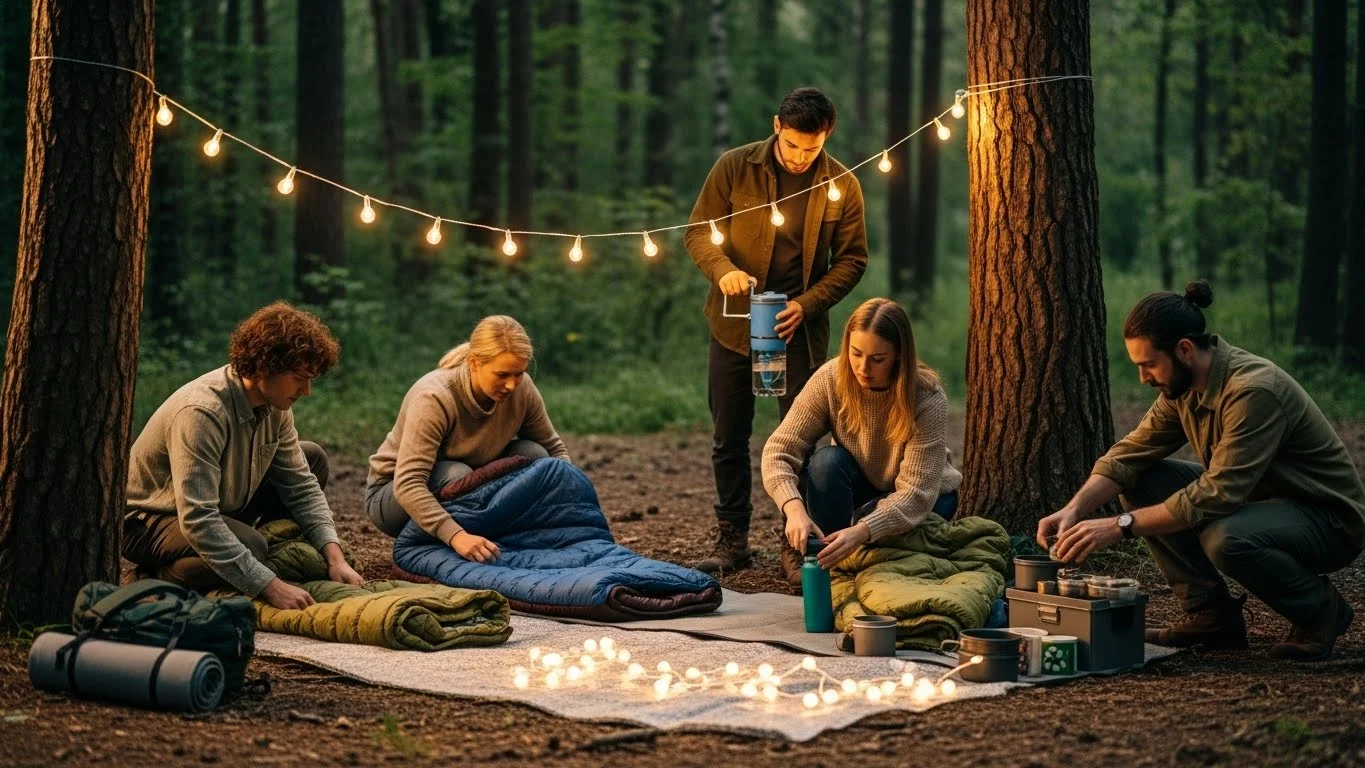
Why Choose Eco-Friendly Camping?
The Impact of Camping on the Environment
Every time we step into nature, we leave a mark, sometimes without even realizing it. From litter to damaged plants and wildlife disturbances, camping can have significant effects on the environment. I remember one trip where I noticed a beautiful lake surrounded by trash left behind by careless campers. It broke my heart to see such a stunning place marred by litter. It’s essential to recognize that our actions can impact not only the places we love but also the wildlife that inhabits them. Camping, if not done thoughtfully, can lead to pollution and degradation of natural habitats.
Benefits of Sustainable Camping
Choosing to camp sustainably has numerous benefits. For me, it’s not just about preserving nature; it’s also about enhancing my camping experience. When I take care to minimize my impact on the environment, I find that I can connect more deeply with the surroundings. Sustainable camping helps conserve natural resources, protects wildlife, and ensures that future generations can enjoy these beautiful spots just as we do. I also feel a sense of community with other eco-conscious campers. We share tips, experiences, and a common goal: to enjoy nature while preserving it.
Essential Eco-Friendly Camping Gear
Biodegradable and Reusable Products
When I first started camping sustainably, I made it a point to switch to biodegradable and reusable products. This includes items like biodegradable soap, which is gentler on the environment and won’t harm aquatic life when washed away. I also invested in reusable utensils, plates, and cups. Not only does this cut down on waste, but it also saves money in the long run. I remember the first time I used a bamboo utensil set instead of plastic. It felt good to know I wasn’t contributing to plastic waste, and they looked pretty stylish, too!
Eco-Friendly Camping Stoves
Cooking while camping can be a bit tricky if you’re trying to stay eco-friendly. I’ve learned that using a portable camping stove that runs on propane or biofuel is a great way to reduce my carbon footprint. These stoves are efficient and produce less smoke compared to traditional campfires. I enjoy the convenience of cooking meals quickly, which allows me to spend more time soaking in the beauty around me. Plus, many of these stoves are compact and perfect for budget travelers who are conscious of space.
Solar-Powered Gadgets
One of my favorite investments for camping has been solar-powered gadgets. From lanterns to chargers, they’ve made my camping experience much easier and more eco-friendly. I remember being out late one evening, and I needed to charge my phone for navigation. Thanks to my solar charger, I was able to do so without relying on disposable batteries or electricity. It’s amazing how much energy the sun can provide, and it’s a great way to power my devices while sticking to my budget.
Top 10 Eco-Friendly Camping Tips
1. Choose Campsites Responsibly
Choosing where to camp is one of the first steps you can take toward eco-friendly camping. I’ve found that opting for established campsites helps minimize environmental disruption. These sites often have amenities and regulations in place to protect the surrounding area. I recommend researching beforehand to find campsites that prioritize sustainability and conservation. It’s also a good idea to read reviews from other campers to see how they’ve managed their impact on the environment.
2. Leave No Trace Principles
Following the Leave No Trace principles has become a mantra for my camping trips. I try to leave each campsite in better condition than I found it. This means packing out all my trash, avoiding picking plants or disturbing wildlife, and minimizing campfire impacts. I remember a trip where I saw some campers leave behind food scraps, which attracted animals and caused problems. By following Leave No Trace, we can preserve the beauty of nature for everyone to enjoy.
3. Use Biodegradable Toiletries
Switching to biodegradable toiletries has been a game changer for me. Regular shampoos and soaps can be harmful to water sources. I’ve found great biodegradable options that keep my camping gear light and my conscience clear. Using these products not only helps me stay clean but also ensures I’m not polluting the environment.
4. Opt for Eco-Friendly Cooking Methods
When it comes to cooking while camping, I’ve learned to be mindful of my methods. Instead of open fires, I often use my camping stove, which reduces smoke and minimizes my carbon footprint. I also try to make meals that require less cooking time and fuel. For me, prepping meals at home and bringing them along has been an excellent way to minimize the cooking process. I love making delicious, hearty meals without having to rely on extensive cooking gear.
5. Pack Out What You Pack In
This might be the simplest yet most impactful rule I follow. I always make it a point to pack out everything I bring, including food scraps and personal items. On one trip, I saw a fellow camper leave behind a half-eaten sandwich, which made me cringe. I believe that our responsibility extends beyond just our belongings; we should ensure the environment remains pristine for the next adventurer.
6. Choose Sustainable Food Options
When planning meals for my camping trips, I try to choose local and organic food options whenever possible. This not only reduces my carbon footprint but also supports local farmers. I remember visiting a farmer’s market before a trip and stocking up on fresh fruits and vegetables. Eating sustainably makes the experience more fulfilling and delicious!
7. Reduce Water Waste
Water is a precious resource, especially in the great outdoors. I’ve learned to be mindful of my water usage while camping by collecting rainwater when possible, using a minimal amount when washing dishes, and taking shorter showers if I have that option. Every drop counts, and it’s a great habit to adopt.
8. Use Natural Insect Repellents
I’ve always found that conventional insect repellents can be filled with chemicals that aren’t great for the environment. Switching to natural options, like using essential oils or citronella candles, has worked wonders for me. Not only do they keep bugs away, but they also smell amazing and don’t leave chemical residues in nature.
9. Stick to Established Trails
Whenever I set out for a hike, I stick to established trails to minimize my footprint. This helps protect the vegetation and wildlife in the area. I’ve noticed that when we venture off the path, it can lead to soil erosion and harm native plants. By respecting the trails, we help preserve the beauty of our natural surroundings.
10. Educate Fellow Campers on Sustainability
Finally, I believe in the power of conversation. Sharing what I’ve learned about eco-friendly camping has been a rewarding experience. I’ve had some great chats with fellow campers about sustainable practices, and it feels good to know that I’m contributing to a collective effort. Together, we can create a positive impact and inspire each other to protect the environment.
Budget-Friendly Tips for Eco-Conscious Campers
Finding Affordable Eco-Friendly Campsites
When it comes to finding campsites that are both budget-friendly and environmentally conscious, I’ve learned that it pays off to do a bit of research. Many national and state parks offer affordable camping options that prioritize sustainability. I remember my first time camping at a state park; the fees were minimal, and the campground had strict waste management practices that made me feel great about my choice. It’s also helpful to check for any discounts available for booking in advance or for multiple nights. Websites like Reserve America and Recreation.gov can guide you in finding campsites that align with eco-friendly values without draining your wallet.
Another great option is to look for campgrounds that participate in conservation programs. Some of these campsites invest a portion of their fees into local conservation efforts, which is a win-win situation for both campers and the environment. I’ve enjoyed the experience of staying at places where my camping fees directly contribute to preserving the beauty I came to enjoy. For more ideas on sustainable travel, consider reading about Eco-Friendly Wildlife Safaris: Travel Sustainably on a Budget.
Cost-Effective Sustainable Gear Options
When I first started my eco-friendly camping journey, I felt overwhelmed by the amount of gear I thought I needed. However, I quickly discovered that I could find cost-effective options without compromising on sustainability. Thrift stores and online marketplaces like Facebook Marketplace or Craigslist can be gold mines for gently used camping gear. I once found a high-quality tent for half the price it would have cost new! It felt good knowing I was extending the life of a product rather than buying new.
Local outdoor shops often have sales or clearance sections where you can score eco-friendly gear at discounted prices. I’ve also found that many companies offer durable and sustainably made products that can be a bit pricier upfront, but they last much longer. Investing in quality gear means fewer replacements over time, which is not only better for the environment but also easier on the budget in the long run.
Meal Planning for Budget Travelers
Meal planning is a game changer for both budget-conscious campers and those looking to minimize their environmental impact. I always take time before a trip to plan simple, nutritious meals that require minimal ingredients. For instance, I love making one-pot meals that are easy to cook and clean up afterward. Not only does this save me money, but it also reduces food waste since I can buy ingredients in bulk and use them across multiple meals.
In my experience, preparing meals at home before heading out is a fantastic way to save money and ensure that I’m eating sustainably. I often make things like veggie wraps or pre-cooked quinoa bowls that just need a quick heat-up on my camping stove. On my last trip, I made a delicious chili that I froze in a reusable container. When it was time to eat, all I had to do was warm it up, and it was absolutely delicious!
I also recommend checking out local farmers’ markets or grocery stores near your campsite to stock up on fresh produce. Not only does this support local farmers, but it also cuts down on the carbon footprint associated with transporting food over long distances. Plus, who doesn’t love delicious, fresh food while enjoying nature? If you’re looking for more ideas on eco-friendly accommodations, check out Explore Eco-Friendly Vacation Rentals for Your Next Trip.
Resources for Eco-Friendly Camping
Useful Apps for Sustainable Camping
As someone who loves tech, I find that there are many useful apps that can enhance my eco-friendly camping experience. One of my favorites is the “Leave No Trace” app, which provides handy tips on how to minimize my impact while camping. It’s like having a sustainability coach in my pocket! I’ve also found apps like “iOverlander,” which helps locate campsites and see reviews from other travelers, often highlighting eco-friendly practices.
Another app I frequently use is “AllTrails,” which allows me to find trails that are well-maintained and popular among fellow hikers. This means fewer chances of damaging sensitive areas in nature. It’s particularly helpful for planning hikes that align with the principles of sustainable camping, making it easier to enjoy nature responsibly.
Websites and Blogs for Tips and Inspiration
There are tons of websites and blogs dedicated to eco-friendly camping that I often turn to for tips and inspiration. I particularly enjoy the blog “The Green Outdoor,” which focuses on sustainable travel and camping ideas. I appreciate the personal anecdotes shared; they often inspire me to try new eco-friendly practices. Another resource I love is the “Outdoor Industry Association,” which features articles on sustainable gear and practices that really resonate with my camping philosophy.
Books on Eco-Friendly Camping Practices
If you’re someone who enjoys diving deeper into topics, there are fantastic books that focus on eco-friendly camping and outdoor practices. “The Ultimate Guide to Camping” by Michael J. Rosen is a personal favorite of mine. It not only covers camping basics but also emphasizes sustainability in outdoor adventures. I’ve learned a lot about conservation methods and ethical camping practices that I’ve applied on my trips. Another great read is “Wild” by Cheryl Strayed, which, while not strictly about eco-friendly camping, beautifully emphasizes the importance of nature and respecting our environment.
FAQs About Eco-Friendly Camping
What is eco-friendly camping?
Eco-friendly camping, in my experience, refers to enjoying the great outdoors in a way that minimizes our impact on the environment. It’s about being conscious of the choices we make, from the gear we use to the food we eat, and ensuring that we leave nature as we found it—or even better. This might include using biodegradable products, sticking to established trails, and following the Leave No Trace principles. For me, eco-friendly camping is not just a trend; it’s a lifestyle that allows me to enjoy nature while protecting it for future generations.
How can I camp without harming the environment?
There are many ways to camp without harming the environment. First, I believe it starts with planning. Researching campsites that emphasize sustainability and conservation can make a big difference. While camping, I focus on using reusable and biodegradable products, which significantly reduce my waste. I also make sure to pack out everything I bring in, including any waste, to keep the area pristine. Educating myself about local ecosystems and respecting wildlife is crucial, too. By practicing these habits, we can all enjoy the beauty of nature while preserving it for those who come after us.
What are some common misconceptions about eco-friendly camping?
One misconception I often encounter is that eco-friendly camping is expensive. While it’s true that some sustainable gear can have a higher upfront cost, there are plenty of budget-friendly options that are just as effective. Thrift stores and second-hand marketplaces have been my go-to resources for affordable gear. Another myth is that eco-friendly camping means sacrificing comfort. I’ve found that with a bit of creativity and resourcefulness, I can camp in a way that is both comfortable and sustainable. Lastly, some people think that eco-friendly camping is only for hardcore environmentalists, but I believe anyone can adopt these practices to make a positive impact, regardless of their camping style or experience level.
As I’ve grown in my eco-friendly camping journey, I’ve realized that small changes can lead to significant outcomes. Each time I camp, I try to learn something new and share my knowledge with others. It’s all about creating a community of like-minded campers who care about our planet and want to enjoy its beauty responsibly.
Final Thoughts
As I’ve grown in my eco-friendly camping journey, I’ve realized that small changes can lead to significant outcomes. Each time I camp, I try to learn something new and share my knowledge with others. It’s all about creating a community of like-minded campers who care about our planet and want to enjoy its beauty responsibly. We can make a difference—one campsite at a time—by choosing to camp sustainably and inspiring others to do the same. So, let’s pack our bags, hit the trails, and enjoy nature while protecting it for the generations to come.
Frequently Asked Questions
What is eco-friendly camping?
Eco-friendly camping refers to enjoying the great outdoors in a way that minimizes our impact on the environment. It involves being conscious of the choices we make, such as using biodegradable products, sticking to established trails, and following the Leave No Trace principles.
How can I camp without harming the environment?
To camp without harming the environment, start by researching campsites that emphasize sustainability and conservation. Use reusable and biodegradable products to reduce waste, and always pack out everything you bring in, including waste. Educating yourself about local ecosystems and respecting wildlife is also crucial.
What are some common misconceptions about eco-friendly camping?
One misconception is that eco-friendly camping is expensive. While some sustainable gear may have a higher upfront cost, many budget-friendly options exist. Another myth is that eco-friendly camping means sacrificing comfort, which is not true; with creativity, you can camp comfortably and sustainably. Lastly, some believe that eco-friendly camping is only for hardcore environmentalists, but anyone can adopt these practices to make a positive impact.
What are the benefits of sustainable camping?
Benefits of sustainable camping include preserving nature, enhancing your camping experience, conserving natural resources, protecting wildlife, and ensuring future generations can enjoy beautiful spots. It also fosters a sense of community among eco-conscious campers.
What types of eco-friendly camping gear should I consider?
Consider using biodegradable and reusable products, eco-friendly camping stoves, and solar-powered gadgets. Items like biodegradable soap, reusable utensils, and solar chargers can help minimize your environmental impact while camping.
What are the Leave No Trace principles?
The Leave No Trace principles encourage campers to leave each campsite in better condition than they found it. This includes packing out all trash, avoiding picking plants or disturbing wildlife, and minimizing campfire impacts to preserve natural beauty.
How can I find budget-friendly eco-friendly campsites?
To find budget-friendly eco-friendly campsites, research national and state parks that offer affordable options with sustainability practices. Look for campsites that participate in conservation programs, and check for discounts on bookings.
What are some effective meal planning strategies for eco-conscious campers?
Effective meal planning strategies include preparing simple, nutritious meals that require minimal ingredients, making one-pot meals, and prepping meals at home before your trip. Shopping at local farmers’ markets for fresh produce can also reduce your carbon footprint.
How can I reduce water waste while camping?
To reduce water waste while camping, be mindful of your water usage by collecting rainwater, using minimal water for washing dishes, and taking shorter showers if available. Every drop counts, and practicing these habits is beneficial.
What resources are available for learning about eco-friendly camping?
There are various resources for learning about eco-friendly camping, including apps like Leave No Trace and iOverlander, blogs such as The Green Outdoor, and books like “The Ultimate Guide to Camping” by Michael J. Rosen, which emphasize sustainability in outdoor adventures.