
Ready to explore nature without breaking the bank? Let’s dive into the world of eco-trekking, where adventure meets sustainability. Here are ten incredible eco-trekking adventures perfect for budget travelers like us! Read Interesting article: Unforgettable Rock Climbing Spots That Won’t Break the Bank
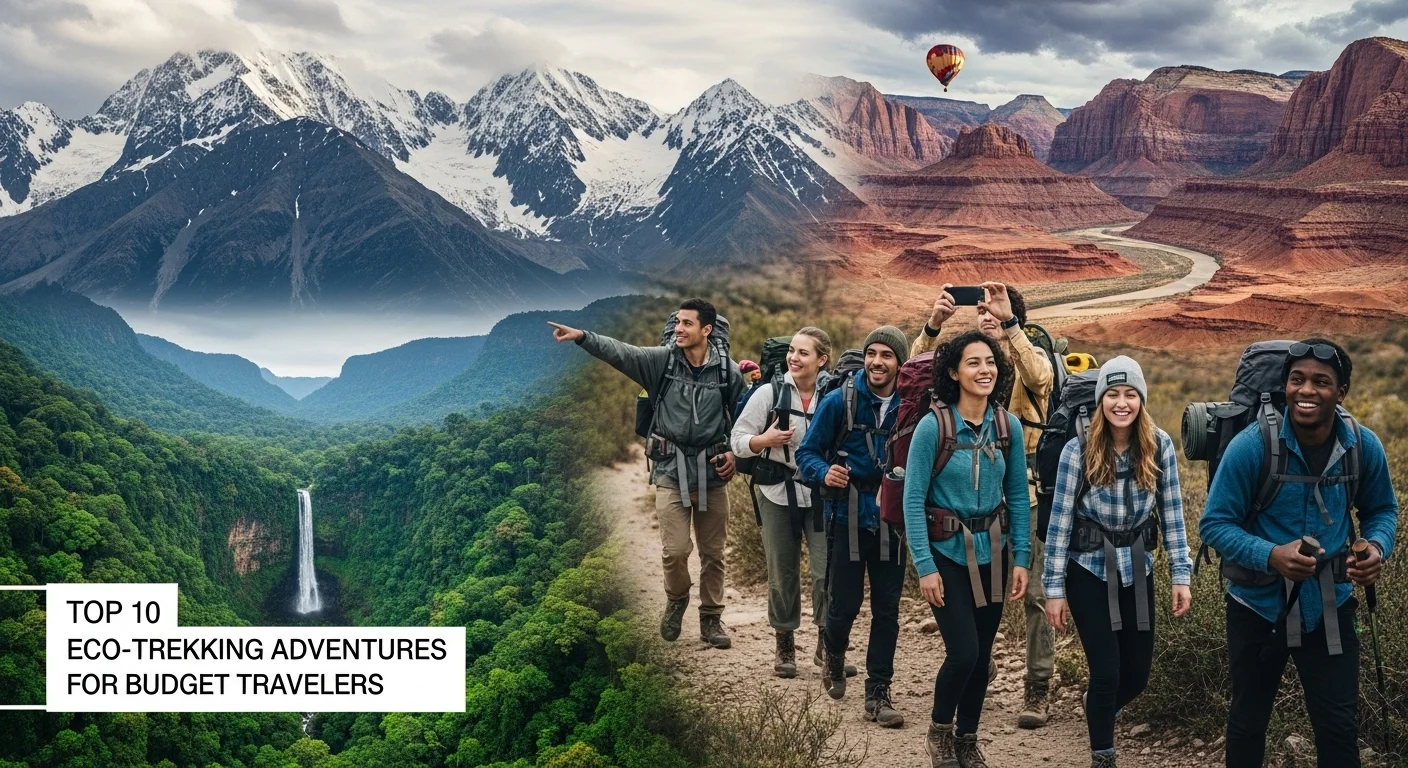
What is Eco-Trekking?
Definition and Principles of Eco-Trekking
Eco-trekking is all about immersing ourselves in nature while minimizing our impact on the environment. It combines the thrill of hiking with the principles of sustainability. When I first heard about eco-trekking, I was intrigued. The idea of exploring breathtaking landscapes while supporting local communities and preserving nature felt right. Eco-trekking encourages us to respect wildlife, practice Leave No Trace principles, and choose paths that benefit local economies. It’s not just a hike; it’s a way to connect with the earth and understand our role in protecting it.
Benefits of Eco-Trekking for Travelers and the Environment
Embarking on an eco-trekking adventure offers a wealth of benefits. For travelers, there’s the chance to experience stunning natural beauty and cultural richness firsthand. I remember trekking through lush forests and rugged mountains, and that sense of wonder was unmatched. Plus, we often find ourselves in less crowded areas, allowing for a more intimate connection with nature.
From an environmental standpoint, eco-trekking promotes conservation and awareness. Many eco-trekking trails are designed to educate hikers about local ecosystems, which I find incredibly rewarding. By choosing eco-friendly options, we support sustainable tourism practices that help maintain natural habitats and conserve resources. Together, we can make a difference while exploring the world. Read Interesting article: Unforgettable Experiences: Traditional Music and Dance Tours
Top 10 Eco-Trekking Adventures
1. Inca Trail, Peru
Overview and Highlights
The Inca Trail is one of the most iconic trekking experiences, leading us through breathtaking landscapes and ancient ruins to the majestic Machu Picchu. I felt like a modern-day explorer as I walked the same paths as the Incas, witnessing stunning views of the Andes and lush cloud forests. Along the way, the rich history and culture of the region added depth to the adventure.
When to Visit
The best time to hike the Inca Trail is during the dry season, which typically runs from May to September. I’ve found that hiking during these months offers more stable weather and clearer views. However, it can get crowded, so booking in advance is essential.
Budget Tips
To save money on the Inca Trail, consider hiking during the shoulder seasons (April or October) when prices can be lower, and the trails are less crowded. I also recommend carrying your own gear and food to cut down on guide fees. Additionally, there are alternative treks to Machu Picchu, like the Salkantay Trek, that can offer a similar experience at a lower cost.
2. Torres del Paine National Park, Chile
Overview and Highlights
Torres del Paine is a paradise for nature lovers, with dramatic peaks and vibrant blue lakes. I was blown away by the stunning scenery and diverse wildlife. The W Trek, in particular, takes you through some of the park’s most breathtaking landscapes, including the iconic granite towers. Each turn in the trail revealed something new, from lush valleys to glacial rivers.
When to Visit
The ideal time to visit is during the Southern Hemisphere’s summer, from December to March. I went in January, and the weather was perfect for trekking. However, be prepared for changing conditions; it can be sunny one moment and rainy the next!
Budget Tips
To keep costs low in Torres del Paine, consider camping instead of staying in lodges. I found some beautiful campsites with incredible views. Bringing your own food and cooking meals can also save money, as dining out in the park can get pricey. Look into multi-day passes that cover park entry fees and camping.
3. Annapurna Circuit, Nepal
Overview and Highlights
The Annapurna Circuit is a classic trek that offers stunning views of the Annapurna range and a taste of local cultures in the Himalayas. I was amazed by the friendly locals and the vibrant culture in the villages along the trail. Every day brought new landscapes and experiences, from lush subtropical forests to high-altitude deserts.
When to Visit
The best times to trek the Annapurna Circuit are during the pre-monsoon (March to May) and post-monsoon (September to November) seasons. I trekked in October, and the weather was just perfect, with clear skies and moderate temperatures.
Budget Tips
Consider staying in teahouses along the circuit rather than carrying camping gear. This not only saves weight but also supports local families. I found that meals at teahouses were affordable and delicious, often featuring local dishes. Lastly, travel with a group to split costs on guides and permits.
4. Appalachian Trail, USA
Overview and Highlights
The Appalachian Trail (AT) stretches over 2,190 miles from Georgia to Maine, making it a classic American adventure. I remember my first hike on a small section of the AT, amazed by the diversity of landscapes and the sense of camaraderie among fellow hikers. The rolling hills and stunning vistas make it a perfect escape into nature.
When to Visit
The best times to hike the AT are spring (April to June) and fall (September to October). I personally enjoyed the fall colors, which brought a breathtaking backdrop to the trail.
Budget Tips
One of the most budget-friendly aspects of hiking the AT is that it’s free! I recommend staying in shelters or camping to save on accommodation. Resupply points along the trail allow for inexpensive food options. Plus, many hikers share their gear and tips, making it easy to connect with others and reduce costs.
5. Aoraki/Mount Cook National Park, New Zealand
Overview and Highlights
Aoraki/Mount Cook National Park is home to New Zealand’s highest peak and offers spectacular alpine scenery. I was in awe of the glaciers and turquoise lakes, feeling like I was in a postcard. The Hooker Valley Track is a must-do, providing stunning views of Aoraki and the surrounding mountains.
When to Visit
The best time to visit is during the summer months (December to February) when the weather is milder. I visited in January, and it was simply breathtaking.
Budget Tips
Accommodation can be pricey in the area, but I found that camping in the park was a great way to save money while soaking in the views. Bringing food and cooking your meals can also help keep the costs down. Look for budget-friendly transportation options, such as shuttle buses from nearby towns.
Top 10 Eco-Trekking Adventures
6. The Dolomites, Italy
Overview and Highlights
The Dolomites are simply breathtaking, with their jagged peaks and vibrant meadows. I remember hiking in this UNESCO World Heritage site and feeling like I had stepped into a painting. The Alta Via 1 is a popular route that takes you through stunning landscapes, quaint villages, and the chance to sample delicious local cuisine. The blend of natural beauty and rich culture made this trek unforgettable for me.
When to Visit
The best time to explore the Dolomites is during the summer months from June to September. I visited in July, and the weather was perfect for long hikes. Just keep in mind that it can get crowded, especially in popular areas, so starting early in the day helps avoid the crowds.
Budget Tips
To save money in the Dolomites, consider staying in rifugios (mountain huts) instead of hotels. I found them to be cozy and often included meals, which was a great way to enjoy local flavors without breaking the bank. Also, bring your own snacks and water to cut down on costs while on the trail.
7. Sapa Rice Terraces, Vietnam
Overview and Highlights
Sapa is famous for its stunning rice terraces and rich cultural heritage. I was captivated by the vibrant green paddies cascading down the mountains. Trekking through Sapa allowed me to connect with the local tribes, like the Hmong and Dao, who welcomed me with open arms. The combination of breathtaking views and cultural experiences made this trek one of my favorites.
When to Visit
The best time to visit Sapa is from September to November, when the rice fields are ripe and golden. I went in late September, and the scenery was absolutely stunning. However, spring (March to May) is also beautiful when the rice terraces are lush and green.
Budget Tips
To keep costs down in Sapa, I recommend staying in homestays instead of hotels. This not only saves money but also gives you a chance to experience local hospitality. I enjoyed delicious meals made with fresh ingredients, often sourced right from the rice terraces!
8. Zion National Park, USA
Overview and Highlights
Zion National Park is a treasure trove of stunning canyons and towering cliffs. I was in awe when I trekked the famous Angel’s Landing trail—one of the most exhilarating hikes I’ve done. The views from the top are simply magnificent, and the sense of accomplishment after reaching the summit is unbeatable.
When to Visit
The ideal time to visit Zion is during spring (April to June) and fall (September to November). I visited in early October, and the temperatures were perfect for hiking. Just be prepared for some crowds, especially in the summer months, as Zion is incredibly popular!
Budget Tips
To save money in Zion, consider camping in the park instead of staying in hotels. There are several campgrounds available, and the views are worth it. I also found that cooking my own meals made a big difference in keeping costs down, allowing me to enjoy more of the park without overspending. Read Interesting article: Winter Hiking on a Budget: Tips for Thrill Seekers
9. Kilimanjaro Trek, Tanzania
Overview and Highlights
Trekking to the summit of Mount Kilimanjaro is a bucket-list adventure for many, and I was no exception. The Kilimanjaro trek offers diverse ecosystems, from lush rainforests to alpine deserts. I felt a mix of excitement and nerves as I made my way up the Machame Route, witnessing breathtaking views and unique wildlife along the way.
When to Visit
The best times to climb Kilimanjaro are during the dry months of January to March and June to October. I chose to go in September, and the weather was mostly clear, allowing for stunning views. Just be prepared for varying temperatures as you ascend!
Budget Tips
Climbing Kilimanjaro can be pricey, but there are ways to save. I found that booking with local guides instead of larger tour companies can significantly cut costs. Additionally, consider joining a group to share expenses on gear and permits. Also, packing your own snacks can minimize food expenses on the trail.
10. The Camino de Santiago, Spain
Overview and Highlights
The Camino de Santiago is a network of pilgrim routes leading to the shrine of the apostle Saint James in Santiago de Compostela. I felt a deep sense of community while walking this historic path, meeting fellow travelers from around the world. The scenery varies from lush green hills to quaint villages, each step filled with history and culture.
When to Visit
The best time to walk the Camino is during the spring (April to June) and fall (September to October) when the weather is mild. I walked in late May and found it to be a lovely time, with wildflowers in bloom and fewer crowds.
Budget Tips
Walking the Camino can be done on a budget by staying in albergues (hostels) specifically for pilgrims. I found that many offer affordable accommodation and meals. Another tip is to pack light and rely on local shops for supplies along the way, keeping costs manageable.
Essential Tips for Budget Eco-Trekking
Planning Your Trek: Research and Timing
Planning is key when it comes to budget eco-trekking. I’ve learned that doing thorough research about your chosen destination can save both time and money. For instance, I often look into the best trails, seasonal weather patterns, and any festivals or events that might affect travel costs. I remember planning a trip to the Appalachian Trail and realizing that certain sections are popular during specific months, which can lead to crowded campsites and higher prices. So, I decided to trek in the quieter months, allowing me to enjoy the majestic scenery without the hustle and bustle.
Timing is also crucial. I’ve found that traveling during the shoulder seasons not only saves money on accommodation but also allows for a more immersive experience with fewer crowds. For example, hiking in the Dolomites in late spring provided me with gorgeous wildflowers and less crowded trails, making the experience even more special.
What to Pack for Eco-Trekking
Packing light and smart is something I’ve come to appreciate on all my trekking adventures. I usually start by making a comprehensive list of essentials, focusing on what I really need. I’ve learned that carrying too much can not only weigh you down but also lead to unnecessary stress. I recommend investing in high-quality, lightweight gear, like a comfortable backpack, durable hiking shoes, and weather-appropriate clothing.
Moreover, I always bring a reusable water bottle and snacks to keep my energy up without relying on expensive convenience stores along the trail. I’ve found that trail mix, energy bars, and dried fruit are great options to pack. Not only do these snacks keep my spirits up, but they also minimize waste, aligning perfectly with eco-trekking principles.
Choosing Eco-Friendly Gear and Supplies
My journey in eco-trekking has taught me the importance of choosing gear that’s not only functional but also environmentally friendly. I remember when I decided to upgrade my gear, I made it a point to look for products made from sustainable materials. Brands that focus on recycled fabrics and ethical manufacturing processes often stand out to me. I feel good knowing that my choices support manufacturers who prioritize the planet.
Additionally, I try to avoid single-use items. For instance, I’ve switched to a portable, reusable utensil set instead of disposable cutlery. It’s a small change, but it makes a significant impact. I also carry a lightweight, packable trash bag to ensure I leave no trace behind on my travels, which reinforces the eco-friendly principles I embrace.
Finding Affordable Accommodations
When it comes to finding places to stay, I’ve had great success using local guesthouses, hostels, and camping options. In my experience, staying with locals not only saves money but often provides a more authentic experience. For example, while trekking in Sapa, I opted for homestays, which allowed me to immerse myself in local culture and cuisine, all while helping support the community financially.
Campsites can also be a fantastic budget option, especially in national parks like Zion. I’ve found that camping not only reduces costs significantly but also allows for incredible stargazing and a deeper connection to nature. Just remember to book campsites in advance during peak seasons to secure your spot!
Local Transportation Options
Getting around can be one of the more expensive parts of traveling, but I’ve discovered that local transportation often offers budget-friendly options. For instance, when I trekked in Nepal, I relied on local buses and shared taxis to reach trailheads, saving a considerable amount compared to private transfers. It was also a chance to mingle with locals and experience the culture firsthand, which I found incredibly enriching.
In many places, like the Andes, I’ve seen that hitchhiking can be a viable option, especially in rural areas. While it can feel daunting, I’ve had some of my most memorable experiences meeting locals this way. Just remember to trust your instincts and prioritize safety. Overall, exploring local transportation options can enhance the adventure and keep costs low, allowing us to enjoy our eco-trekking experiences even more.
Frequently Asked Questions
What is eco-trekking?
Eco-trekking is the practice of immersing oneself in nature while minimizing environmental impact. It combines hiking with sustainability principles, encouraging respect for wildlife, adherence to Leave No Trace practices, and support for local economies.
What are the benefits of eco-trekking for travelers?
Embarking on an eco-trekking adventure allows travelers to experience stunning natural beauty and cultural richness firsthand. It often takes hikers to less crowded areas, fostering a deeper connection with nature while promoting conservation and environmental awareness.
When is the best time to hike the Inca Trail in Peru?
The best time to hike the Inca Trail is during the dry season, which typically runs from May to September. This period offers more stable weather and clearer views, although it can be crowded, so booking in advance is essential.
What budget tips can help save costs while trekking Torres del Paine in Chile?
To save money in Torres del Paine, consider camping instead of staying in lodges, bringing your own food to cook, and looking into multi-day passes that cover park entry fees and camping.
How can travelers budget while trekking the Annapurna Circuit in Nepal?
Budget travelers can save by staying in teahouses along the Annapurna Circuit instead of carrying camping gear, which supports local families. Meals at teahouses are typically affordable, and traveling in a group can help split costs on guides and permits.
What is one of the most budget-friendly aspects of hiking the Appalachian Trail in the USA?
One of the most budget-friendly aspects of hiking the Appalachian Trail is that it is free. Staying in shelters or camping, along with resupply points offering inexpensive food options, can help keep costs low.
What are some recommended budget tips for eco-trekking in Aoraki/Mount Cook National Park, New Zealand?
To save money in Aoraki/Mount Cook National Park, consider camping in the park, bringing your own food to cook, and looking for budget-friendly transportation options like shuttle buses from nearby towns.
What is the best time to visit Sapa for trekking in Vietnam?
The best time to visit Sapa is from September to November when the rice fields are ripe and golden, although spring (March to May) is also beautiful when the terraces are lush and green.
What are some budget tips for visiting Zion National Park in the USA?
To save money in Zion National Park, consider camping in the park instead of staying in hotels and cooking your own meals to reduce costs while enjoying the scenery.
How can travelers find affordable accommodations while eco-trekking?
Travelers can find affordable accommodations by using local guesthouses, hostels, and camping options. Staying with locals often provides a more authentic experience and helps support the community financially.