
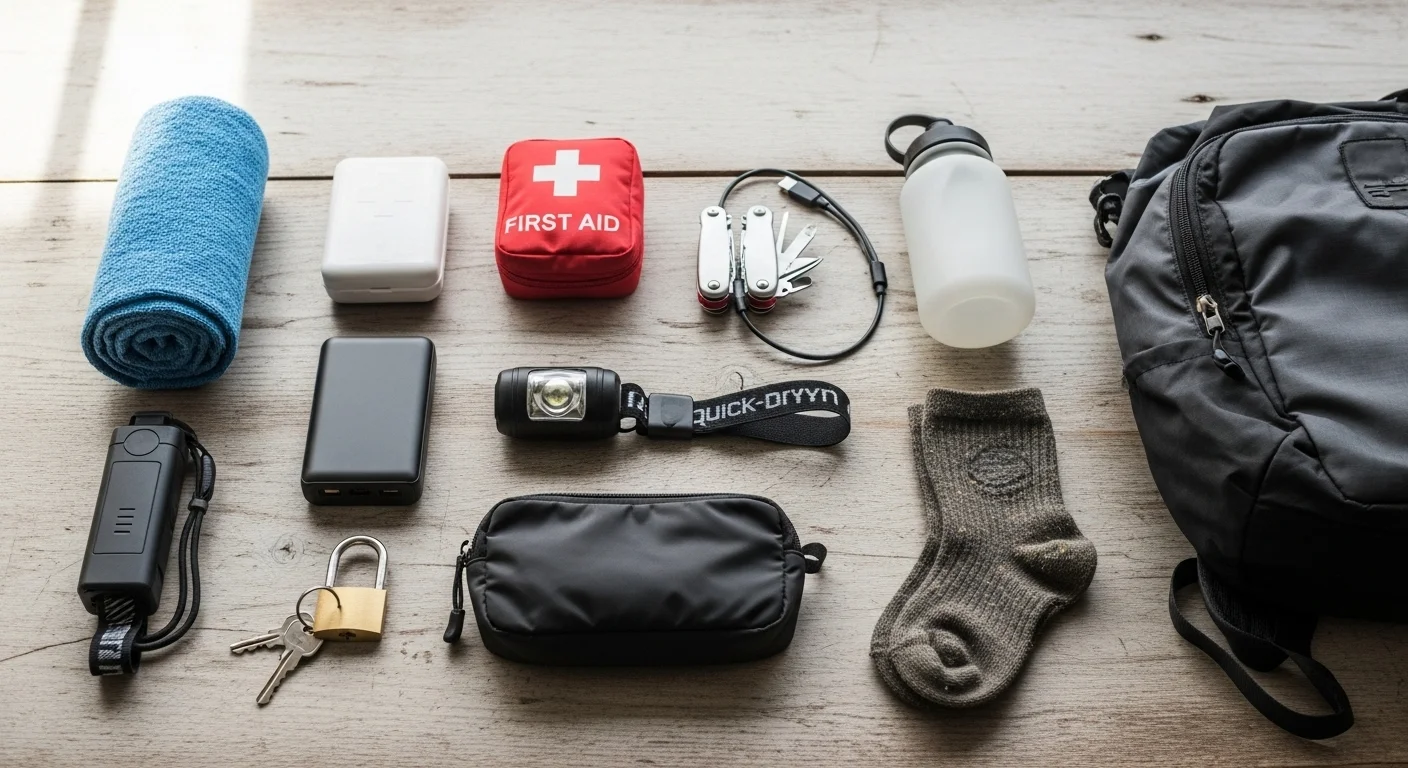
Backpacking on a budget can feel daunting, but the right gear can make all the difference. I’ve learned through experience that you don’t need to break the bank to enjoy the great outdoors. Here are some essential items I believe every budget backpacker should consider. Read Interesting article: Budget Backpacking: Enjoy Exclusive Events Without Breaking the Bank
Understanding the Needs of Budget Backpackers
Importance of Lightweight Gear
As a backpacker, I quickly realized that every ounce matters. Carrying a heavy load can turn a beautiful hike into a grueling chore. I remember my first trip, where I packed way too much gear. I learned the hard way that lightweight gear not only enhances my experience but also keeps me energized on the trail. It’s crucial to choose items that are functional yet light. Lightweight gear often means durable materials, which can withstand the elements while keeping your pack manageable. I always prioritize items that serve multiple purposes, which helps minimize weight without sacrificing functionality.
Balancing Cost and Quality
When I first started backpacking, I thought I needed the best of the best to have a good experience. However, I soon discovered that balancing cost and quality is essential. I’ve found that many budget-friendly items perform just as well as their pricier counterparts when researched and chosen wisely. Quality doesn’t always come with a high price tag, but it’s important to read reviews and do some homework. I often visit forums and outdoor gear sites to gauge what others have found useful and affordable. I’ve been pleasantly surprised by how many brands offer quality gear without the hefty price. The best approach is to invest in gear that will last, rather than skimping and needing to replace items after just a few trips.
Top 10 Essential Gear Items for Budget Backpackers
1. Backpack
Choosing the Right Size and Fit
The backpack is your home on the trail, so it’s important to choose wisely. I’ve made the mistake of opting for style over comfort and paid for it dearly on long hikes. You want a backpack that fits well and distributes weight evenly across your body. A good rule of thumb is to aim for a pack that is about 20-30% of your body weight. I found that adjustable straps and hip belts are non-negotiables for a comfortable fit. It’s worth taking the time to try on several packs before making a decision, especially if you can load them up with weight to see how they feel.
Brands to Consider
When it comes to brands, I’ve had great experiences with Osprey, REI, and Kelty. These brands often have budget-friendly options without compromising on comfort and durability. I also recommend checking out seasonal sales, as you can sometimes snag quality backpacks for a fraction of the price. I’ve also found great deals on last season’s models that are still top-notch.
2. Sleeping Bag
Temperature Ratings and Insulation Types
Choosing the right sleeping bag can make or break your camping experience. I’ve spent nights freezing because I didn’t check the temperature rating! It’s essential to know the climate you’ll be camping in and choose a bag that can handle those temperatures. Sleeping bags come in different insulation types, like down and synthetic. I personally prefer synthetic for budget backpacking because it’s often more affordable and continues to insulate when wet. I’ve had my share of soggy nights, and a synthetic bag saved me from shivering uncontrollably.
Affordable Options
Some great budget options I’ve used include the REI Co-op Flash and the Teton Sports Celsius. Both are lightweight, compressible, and provide good insulation without costing a fortune. I’ve found that it’s worth spending a little more on a sleeping bag, as it can last for many trips if cared for properly.
3. Tent
Types of Tents for Backpacking
Tents are another area where I learned to value quality. A good tent can protect you from the elements and keep you comfortable. There are various types of tents, including freestanding, semi-freestanding, and non-freestanding. I prefer freestanding tents because they’re easier to set up and can be pitched on various terrains. Weight is also a significant factor since I usually hike for miles before setting up camp.
Best Budget-Friendly Tents
Some budget-friendly tents I’ve had great experiences with are the REI Co-op Quarter Dome and the Big Agnes Copper Spur. Both are lightweight, easy to pitch, and reasonably priced. I’ve found that you can often find good deals on tents during clearance sales at outdoor retailers, so it’s worth keeping an eye out.
4. Cooking Gear
Portable Stoves and Cookware
Cooking gear is essential for those long nights at camp. I started with a simple camp stove and a few pots, which served me well. I recommend looking for portable stoves that are easy to set up and use. My favorite is a canister stove because it’s lightweight and efficient. I usually carry a small pot and a lightweight pan for cooking up meals.
Budget Food Options for Backpackers
When it comes to food, I’ve learned that planning ahead can save both money and effort. I often pack instant rice, dehydrated meals, and snacks like nuts or granola bars. I’ve found that bulk food stores often have great deals on these items, allowing me to eat well without spending too much. Read Interesting article: Budget Backpacking: Cultural Experiences on Safari Trips
5. Water Filtration System
Importance of Clean Drinking Water
Having access to clean drinking water is crucial while backpacking. I’ve carried heavy water bottles before, and let me tell you, it’s not fun! Investing in a good water filtration system has changed my experience completely. I can filter water from nearby streams or lakes with ease, which saves weight and space in my pack.
Cost-Effective Filtration Solutions
I’ve had great success with affordable filters like the Sawyer Mini and the Katadyn BeFree. Both are compact, lightweight, and easy to use. They’ve saved me money in the long run, as I no longer need to buy bottled water during my trips.
Top 10 Essential Gear Items for Budget Backpackers
6. Clothing Layering System
Essential Clothing Items
When I first got into backpacking, I didn’t fully grasp the importance of a good clothing layering system. I remember feeling either too hot or too cold, and it made hikes less enjoyable. The key is to have layers that you can add or remove depending on the weather conditions. I always start with a moisture-wicking base layer to keep sweat away from my skin. On top of that, I layer with an insulating mid-layer, like a fleece, for warmth. Lastly, I make sure to have a waterproof and breathable outer layer, especially if there’s a chance of rain or wind.
One of my favorite tricks is to pack a lightweight beanie and gloves, even in warmer months, as temperatures can drop significantly at night. I’ve learned that investing in quality socks is just as important; a good pair can prevent blisters and keep my feet comfortable. I usually opt for wool or synthetic blends, which tend to be more durable and moisture-wicking.
Affordable Brands for Backpacking Apparel
There are several brands I trust when it comes to budget-friendly outdoor clothing. I’ve had good luck with Patagonia’s Worn Wear program, which offers gently used items at a fraction of the cost. Columbia and The North Face also produce affordable gear that stands the test of time. I often check clearance sections or outlet stores to find quality clothing without paying full price. I’ve even stumbled upon great options at big box stores like Target or Walmart, especially for basic layering pieces.
7. First Aid Kit
Must-Have Items in a Budget Kit
Accidents can happen anywhere, and I can’t stress enough how important it is to have a first aid kit while backpacking. I’ve encountered my fair share of scrapes and minor injuries, so having a kit that covers the essentials is a must. My first aid kit includes adhesive bandages, antiseptic wipes, gauze, and some pain relief medication. I’ve also added blister pads because, trust me, they can save a hike when your feet start to hurt.
In my experience, it’s also handy to carry a few items specific to my needs, like allergy medications or any personal prescriptions. I recommend tailoring your first aid kit to your individual requirements and the type of trips you’ll be taking.
DIY First Aid Kit Options
Creating your own first aid kit can be an affordable option. I started by purchasing a small waterproof pouch and filling it with essentials from the pharmacy. This way, I only bought what I needed, and it turned out to be much cheaper than pre-packaged kits. I found that you can often find first aid supplies at dollar stores, which helped me save even more. Plus, I had the peace of mind knowing exactly what was in my kit and that it was customized to my needs.
8. Navigation Tools
Maps vs. GPS Devices
Understanding where you’re going is essential, especially when exploring new trails. I’ve relied on both maps and GPS devices for navigation, and each has its benefits. Printed maps are often more reliable in remote areas where signal can be spotty. I’ve learned to carry a detailed map of the area I’m hiking in, along with a compass. It’s a great way to stay oriented, and I’ve found that practicing with a map and compass can be a rewarding experience.
On the other hand, GPS devices or smartphone apps provide convenience. I’ve used apps like Gaia GPS and AllTrails, which offer offline maps that are incredibly useful when I’m deep in the wilderness. I generally download maps ahead of time to avoid any connectivity issues.
Budget-Friendly Apps for Navigation
Speaking of apps, there are plenty of free or low-cost options out there for navigation. I’ve had success with both Komoot and MapMyHike, which help track my routes and offer topographic maps. I always check reviews and see what other backpackers are saying about navigation tools before I hit the trail. It’s essential to ensure the app works for my area, especially since I often hike in remote locations.
9. Multi-Tool or Knife
Essential Functions for Backpacking
A multi-tool or knife is one piece of gear I never leave home without. I remember my first trip where I wished I had a knife to slice through some rope or cut open a package. Multi-tools are incredibly handy—they can serve as a knife, screwdriver, bottle opener, and more! I’ve found that having one can save time and effort when setting up camp or preparing food.
Affordable Multi-Tool Options
When it comes to affordability, I’ve discovered some great multi-tools that don’t break the bank. Brands like Gerber and Leatherman offer budget-friendly models that are durable and functional. I often search for deals online, and I’ve found that local outdoor shops sometimes have clearance items. I recommend checking reviews to ensure any tool I buy is reliable and meets my needs.
10. Dry Bags or Stuff Sacks
Importance of Keeping Gear Dry
Keeping my gear dry is crucial, especially when I’m out in unpredictable weather. I can’t tell you how many times I’ve been grateful for my dry bag on rainy trips. I learned early on that wet gear can ruin a trip, so I always pack my clothes and sleeping bag in waterproof stuff sacks. It’s a simple way to protect my essentials and ensure I stay comfortable at night.
Cost-Effective Dry Bag Options
There are plenty of budget-friendly options for dry bags. I’ve found that brands like Sea to Summit and Outdoor Research offer great products at reasonable prices. I’ve also repurposed old stuff sacks I had lying around; they work well for keeping things dry and organized. Shopping during sales or checking out discount outdoor gear stores can lead to some fantastic deals, and I’ve often left with more than I planned for!
Additional Tips for Budget Backpackers
How to Save on Gear Without Sacrificing Quality
Throughout my backpacking journey, I’ve discovered numerous ways to save money while still getting quality gear. One of my go-to strategies is to wait for off-season sales. Retailers often discount items significantly after peak seasons, so I’ve snagged some amazing deals on camping gear in late summer or early fall. I also make it a point to sign up for newsletters from outdoor gear companies. They frequently send out exclusive discounts and alerts for sales, which has saved me quite a bit over the years.
Another tip I’ve found helpful is to borrow gear from friends or family members when just starting out. This way, I could test different types of gear without any initial investment. I often learned exactly what I liked and needed before committing to a purchase. It’s a great way to save money and figure out your preferences without feeling pressured to buy everything at once.
Also, consider reaching out to local outdoor clubs or community groups. They sometimes organize gear swaps or lend gear to members. I participated in a local swap a few years back and ended up trading some old hiking boots for a high-quality tent. It was a win-win situation that brought new adventures without the added cost!
Second-Hand Gear: Pros and Cons
Buying second-hand gear has become one of my favorite budget-saving techniques. I’ve found some incredible items at thrift stores, garage sales, and online marketplaces. The thrill of discovering a barely-used backpack or sleeping bag at a fraction of the original price feels like finding treasure! However, buying used gear does come with its own set of pros and cons.
The biggest advantage is, of course, the cost savings. I’ve scored high-quality gear that would have been out of my budget if bought new. Plus, I love the idea of recycling and giving gear a second life, which aligns with my values of sustainability. However, I’ve also learned to be cautious. It’s important to thoroughly inspect any used gear for damage, wear, or defects. I remember purchasing a sleeping bag that looked fine, but upon further inspection, I noticed some stitching was coming undone. Thankfully, I was able to sew it up, but it taught me to be more diligent next time.
In my experience, it’s best to stick to reputable brands when buying used. Some brands are known for their durability, and I’ve found that they often hold up well even after several adventures. Researching the specific model before buying can also help me make an informed decision.
Where to Shop for Budget Gear
Finding the right places to shop for budget gear has been key to my backpacking success. I often start at local outdoor retailers, which sometimes offer incredible sales or clearance sections. I’ve made it a habit to check out thrift shops, consignment stores, and even local classified ads. You never know what hidden gems you might find! I remember stumbling across a barely-used tent at a local pawn shop, which I snatched up for a steal.
Online marketplaces like eBay and Facebook Marketplace can also be goldmines for budget backpackers. I’ve successfully purchased several items from other backpackers looking to sell their gear. Just make sure to communicate clearly with the seller and ask for specific details about the item’s condition before making a purchase.
Another tip is to explore outdoor gear rental services. This option can be especially helpful for those who don’t hike frequently. I’ve rented high-quality gear for a weekend trip, which allowed me to try out equipment without making a permanent investment. It’s a great way to test gear before committing to purchase, especially for items like tents and backpacks.
Finally, I can’t stress the importance of community. Connecting with fellow backpackers through social media or local forums can lead to fantastic recommendations on where to find budget gear. I often find that sharing tips and experiences leads to better deals and opportunities than I might stumble across on my own. Read Interesting article: Top 7 Premium Travel Gadgets for Budget Backpackers
Frequently Asked Questions
What is the importance of lightweight gear for budget backpackers?
Lightweight gear is crucial for budget backpackers because every ounce matters. Carrying a heavy load can make hiking difficult, so choosing functional yet light items enhances the experience and keeps backpackers energized on the trail.
How can budget backpackers balance cost and quality when choosing gear?
Budget backpackers can balance cost and quality by researching and reading reviews. Many budget-friendly items perform just as well as pricier counterparts, so it’s important to invest in durable gear that will last, rather than skimping and needing to replace items frequently.
What are some recommended brands for backpacks?
Some recommended brands for budget-friendly backpacks include Osprey, REI, and Kelty. These brands often offer options that do not compromise on comfort and durability, especially during seasonal sales.
What type of sleeping bag is best for budget backpacking?
Synthetic sleeping bags are often the best choice for budget backpacking because they are more affordable and continue to insulate even when wet. It’s important to choose a sleeping bag based on the temperature rating appropriate for the camping climate.
What are some budget-friendly cooking gear options for backpackers?
Budget backpackers can opt for portable stoves, such as canister stoves, which are lightweight and efficient. Simple pots and pans can also be effective for cooking meals while camping.
Why is a water filtration system essential for backpacking?
A water filtration system is essential for backpacking as it provides access to clean drinking water, allowing backpackers to filter water from nearby sources instead of carrying heavy water bottles.
What should a first aid kit for budget backpackers include?
A first aid kit for budget backpackers should include adhesive bandages, antiseptic wipes, gauze, pain relief medication, and blister pads. It can be tailored to individual needs and the type of trips planned.
What are some affordable navigation tools for backpackers?
Affordable navigation tools for backpackers include printed maps and GPS apps like Gaia GPS, AllTrails, Komoot, and MapMyHike. These tools can help track routes and provide topographic information, especially in remote areas.
How can backpackers keep their gear dry?
Backpackers can keep their gear dry by using dry bags or waterproof stuff sacks. This helps protect clothes and sleeping bags from getting wet, which is crucial in unpredictable weather conditions.
What are some tips for saving money on backpacking gear?
To save money on backpacking gear, consider waiting for off-season sales, borrowing gear from friends, checking local outdoor clubs for gear swaps, and buying second-hand gear from thrift stores or online marketplaces.