
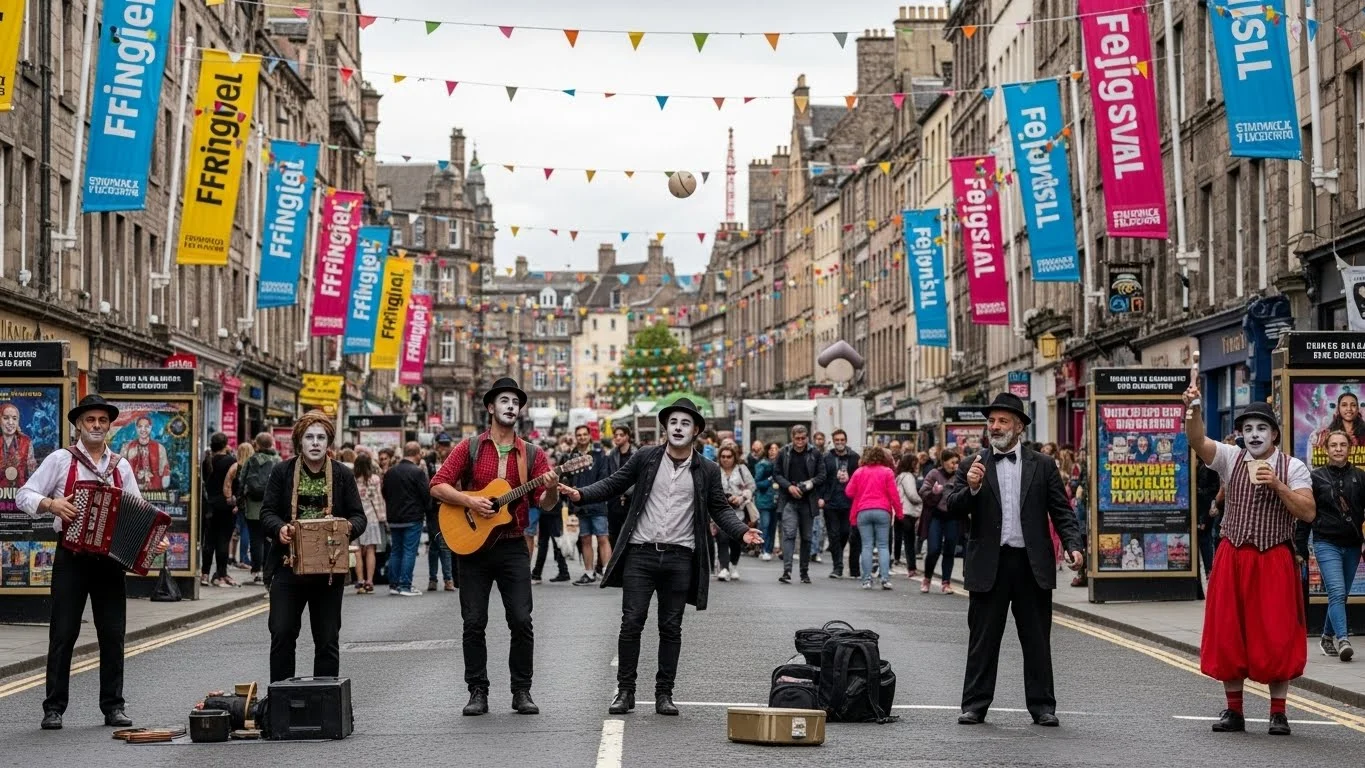
Festivals are vibrant celebrations that offer a unique chance to capture the essence of culture and community. For photographers, these events become a canvas filled with colors, emotions, and stories waiting to be told. Read Interesting article: Capture the Spirit: Festivals Photography Tips for Travelers
Understanding Festival Photography
The Importance of Festivals in Culture
Festivals are more than just events; they are a celebration of culture, history, and community. I’ve always felt that attending a festival is like stepping into a living museum, where traditions come to life through vibrant costumes, lively music, and delectable food. Each festival I’ve experienced tells a story, be it through the joyful chaos of Holi in India or the haunting beauty of Day of the Dead in Mexico. These events serve as a reminder of the rich tapestry of human experience, connecting us through shared joy and creativity.
Why Photographing Festivals is Unique
Photographing festivals is unlike any other type of photography. The energy, excitement, and spontaneity of these gatherings create a unique atmosphere that is often challenging but immensely rewarding. I remember my first time photographing a festival; I was overwhelmed by the sights and sounds. The laughter, the music, and the vibrant colors all begged for my attention, and I quickly learned that capturing these moments required more than just technical skills. It required me to immerse myself in the experience, to feel the pulse of the celebration around me. Each click of the shutter became an attempt to freeze a fleeting moment in time—a joyful dance, a shared smile, or the explosion of color. Read Interesting article: Exploring Cultures: Affordable Tips for Documentary Photography
Top 10 Festivals to Photograph
1. Carnival of Venice, Italy
Overview and Historical Significance
The Carnival of Venice is a stunning showcase of elaborate masks, opulent costumes, and historical pageantry. Dating back to the 12th century, this festival symbolizes the city’s rich cultural heritage. I was captivated by the mysterious allure of the masks, which not only add to the aesthetic but also tell stories of Venetian history and intrigue. Each mask has its own tale, and the artistic expressions seen here are a photographer’s dream.
Best Times for Photography
Early morning is my favorite time to capture the Carnival. The soft light of dawn casts a magical glow over the city, and the streets are less crowded, allowing for intimate portraits of costumed participants. The golden hour just before sunset can also create breathtaking backdrops against the historic architecture of Venice.
Key Locations for Capturing the Magic
St. Mark’s Square is the heart of the Carnival, where you’ll find the most elaborate costumes and masks. I found that wandering through the narrow alleyways of the city can lead to unexpected surprises—hidden corners where participants gather, or quiet moments captured away from the hustle and bustle. The Grand Canal, too, offers a stunning setting for capturing the festival against the iconic Venetian backdrop.
2. Holi Festival, India
Overview and Cultural Meaning
Holi, the festival of colors, is a joyous celebration that marks the arrival of spring. It signifies the triumph of good over evil, and participating in this festival is one of the most exhilarating experiences I’ve ever had. The enthusiasm and sense of community are palpable as people throw colored powders, dance, and share sweets. It’s a festival rooted in mythology and cultural significance that brings people together, regardless of age or background.
Best Times for Photography
Holi celebrations typically start early in the morning. I recommend getting there before the festivities begin to capture the anticipation and excitement in the air. The early morning light beautifully illuminates the colors, making for striking photographs. As the day progresses, the colors and chaos intensify, so be prepared for a wild ride!
Essential Tips for Capturing Color
Protecting your camera gear is crucial at Holi. I learned this the hard way! Use a waterproof bag and consider a lens that you don’t mind getting dirty. Fast shutter speeds can help you freeze the action as people throw colors, while a wide aperture can create beautiful bokeh effects among the vibrant crowds. Don’t forget to immerse yourself in the celebration—sometimes the best shots come when you let go and enjoy the moment!
3. Oktoberfest, Germany
Overview and Historical Background
Oktoberfest in Munich is the world’s largest beer festival, attracting millions of visitors each year. I’ve always been drawn to its lively atmosphere, traditional music, and delicious food. The festival celebrates Bavarian culture, and its roots date back to 1810, when it was held to honor a royal wedding. The history adds a unique layer to the experience, making it more than just a beer festival.
Best Times for Photography
Visiting during the golden hour, right before sunset, gives a warm glow to the tents and rides. The energy peaks in the late afternoon when the crowds are lively, and the laughter fills the air. I love capturing candid shots of friends enjoying their steins in the bustling beer tents.
Must-Photograph Locations and Activities
The iconic ferris wheel offers stunning views of the festival grounds, while the tents themselves are filled with vibrant decorations and happy revelers. I recommend capturing traditional dancers and musicians as they perform; their costumes and expressions tell stories of Bavarian heritage. Don’t miss the food stalls—each dish is a work of art in its own right.
4. Diwali, India
Overview and Significance
Diwali, the festival of lights, is one of the most important festivals in India, symbolizing the victory of light over darkness. I’ve celebrated this festival in various places, and each time, I am amazed by the beauty and joy it brings. Homes are adorned with oil lamps, colorful rangoli designs, and fireworks light up the sky, creating a mesmerizing spectacle.
Best Times for Photography
The best time to photograph Diwali is during the evening when the lights are at their brightest. The twinkling lamps and decorations create a magical atmosphere that’s perfect for capturing the spirit of the celebration.
Lighting Techniques for Night Photography
Capturing the glow of the lamps can be tricky but rewarding. I recommend using a tripod to stabilize your shots and experimenting with long exposures to create trails of light. Also, consider a wide aperture to allow more light in, which will help your images pop against the night sky.
5. La Tomatina, Spain
Overview and Origins
La Tomatina is a fun, messy festival held in Buñol, where participants throw tomatoes at each other in a massive food fight. The event originated in the 1940s and has since turned into a world-famous spectacle. I was amazed by the sheer joy and camaraderie among participants, all celebrating the silliness of life.
Best Times for Photography
Arriving early is key to finding a great spot to shoot the action. The festival usually kicks off in the morning, and the best light is found before the tomato-throwing begins, capturing the anticipation on people’s faces.
Safety Tips for Photographers
Safety is paramount at La Tomatina. I recommend wearing old clothes and a pair of sturdy shoes. Protect your camera by using a waterproof cover and a lens cloth to wipe off the tomato juice. I found that being in the thick of the action allowed me to capture some of the most memorable moments, so don’t be afraid to get messy!
6. Running of the Bulls, Spain
Overview and Cultural Context
The Running of the Bulls in Pamplona is one of the most exhilarating festivals I’ve ever attended. Part of the San Fermín festival, it takes place every July and draws thousands of adrenaline junkies from around the world. The event involves participants running in front of a group of bulls that have been let loose on a set course through the city. I’ve experienced the unique blend of excitement and fear, where the thrill of the chase meets deep-rooted tradition. The festival has its origins in the 13th century, initially serving as a way to transport cattle to the market, and it has evolved into a vibrant celebration full of local music, food, and culture.
Best Times for Photography
When it comes to capturing the essence of the Running of the Bulls, timing is everything. The actual run takes place in the early morning, usually around 8 AM. I recommend arriving at least an hour early to secure a good spot along the route. The energy in the air is electric as participants line up, and the early morning light adds a beautiful glow to the scene. After the run, the festivities continue throughout the day with parades and music, providing countless opportunities for candid photography.
Best Spots for Capturing Action
Finding the right spot to photograph the action can make all the difference. I found that standing near the corners where the bulls turn creates dramatic shots of the chase. The final stretch of the route, near the plaza, is also a great place to capture the culmination of the run. It’s a bit risky, but I’ve found that being amongst the runners gives you an up-close perspective of the event. Just be sure to stay alert! After the run, the streets fill with revelers celebrating, and capturing their jubilation amidst the chaos is equally rewarding.
7. Mardi Gras, New Orleans, USA
Overview and Historical Context
Mardi Gras in New Orleans is a kaleidoscope of color, music, and culture. It’s a festival that celebrates life in the most exuberant way possible, culminating on Fat Tuesday. The history of Mardi Gras here is rich, influenced by French, Spanish, and African traditions, making it a unique cultural melting pot. I remember the first time I experienced it—the parades, the floats, and the festive spirit were like nothing I had ever seen before. The atmosphere is infectious, and the creativity of the masks and costumes is something I can’t get enough of.
Best Times for Photography
The best time for photography during Mardi Gras is during the parades, which often take place throughout the day and into the evening. Arriving early to grab a good spot along the parade route is essential. I’ve found that late afternoon, when the sun begins to set, is perfect for capturing the vibrant colors of the floats against the dusk sky.
Key Parades and Events to Photograph
Some of the most famous parades include Zulu and Rex, which are known for their elaborate floats and community spirit. I love capturing the interactions between the float riders and the crowd—those moments of joy when beads and trinkets are thrown into the audience create such excitement. Additionally, the street performers and musicians add an authentic touch to the festival, so I always make sure to explore the side streets for spontaneous performances.
8. Cherry Blossom Festival, Japan
Overview and Cultural Importance
The Cherry Blossom Festival, or Hanami, is a celebration of the fleeting beauty of cherry blossoms. It holds a special place in Japanese culture, symbolizing the transient nature of life. I recall my visit to Tokyo during this festival; the parks were transformed into a sea of pink and white blooms. Families and friends gather for picnics under the trees, creating a heartwarming atmosphere filled with laughter and appreciation for nature. It’s a time for reflection and connection, making it a captivating subject for photography.
Best Times for Photography
The best time to photograph cherry blossoms is during the peak bloom, which typically occurs in late March to early April. Early morning is ideal, as the soft light enhances the delicate colors of the blossoms. I recommend checking the cherry blossom forecast to ensure you’re there at the right time to capture the breathtaking scenery.
Best Locations for Cherry Blossom Shots
Some of the most picturesque locations include Ueno Park and Shinjuku Gyoen National Garden in Tokyo, where the blossoms create stunning backdrops. I’ve also found that less crowded parks, like Chidorigafuchi, offer lovely views of the blossoms reflected in the water, making it perfect for those serene shots. Don’t forget to include people enjoying the blossoms in your photos to add a sense of scale and joy!
9. Day of the Dead, Mexico
Overview and Cultural Significance
The Day of the Dead, or Día de los Muertos, is a vibrant celebration dedicated to honoring and remembering loved ones who have passed away. I’ve participated in this festival in various towns in Mexico, and each has its unique flavor. The mix of colorful altars, sugar skulls, and marigold flowers creates an atmosphere of joy rather than sorrow. It’s a beautiful reminder of the cycle of life and death, and I’ve always felt a deep connection to the stories shared during this time.
Best Times for Photography
The best time to capture the essence of Día de los Muertos is during the evening when families gather in cemeteries to celebrate their loved ones. The flickering candlelight creates a magical ambiance that’s perfect for photography. Arriving early allows you to capture the preparations as families set up their altars and decorate graves.
Essential Elements to Capture
Key elements to photograph include the colorful altars adorned with pictures, food, and mementos of the departed. I find that capturing the intricate details, like the vibrant papel picado (perforated paper) and the unique sugar skulls, adds depth to my images. Additionally, candid shots of families interacting and sharing stories create a powerful narrative of love and remembrance.
10. Sundance Film Festival, USA
Overview and Importance in Film
The Sundance Film Festival in Park City, Utah, is a mecca for filmmakers and cinephiles alike. It’s where new voices in cinema are celebrated, and I’ve always been inspired by the creative energy that permeates the air. The festival showcases independent films and provides a platform for emerging talent. Having attended a few years now, I can attest to the excitement that builds as films premiere and conversations spark about the art of filmmaking.
Best Times for Photography
The best time for photography during Sundance is around the premieres, especially in the evenings when the red carpets are rolled out. Photographers line up to capture the stars, and the excitement is palpable. Arriving early allows you to find the perfect vantage point.
Best Locations for Celebrity Shots
While the red carpet is a must for celebrity shots, I also recommend exploring the town. The casual lounges and cafes often attract filmmakers and actors, providing more intimate opportunities for candid photography. I’ve found that hanging out near the hot spots, like the Egyptian Theatre or the Sundance House, often leads to unexpected encounters.
Essential Photography Tips for Festival Settings
Camera Gear Recommendations
When it comes to festival photography, the right gear can make all the difference. I’ve learned that a good DSLR or mirrorless camera is essential for capturing those vibrant moments. My go-to lens is a versatile zoom lens, usually in the range of 24-70mm, which allows me to shoot both close-ups and wider scenes without constantly swapping lenses. If you have a prime lens, like a 50mm or 85mm, it can offer stunning portraits with beautiful bokeh, especially during festivals where emotions run high.
Don’t forget extra batteries and memory cards! Festivals can be long days, and I’ve run out of space or power at the worst moments. A sturdy camera strap is also a must—trust me, it’s comforting to know your camera is secure while you’re navigating through crowds. Additionally, a portable tripod can be handy for low-light situations, especially during evening events like Diwali or the Running of the Bulls. Read Interesting article: Budget Backpacking: Tips for Stunning Cultural Photography
Dealing with Crowds
Crowds can be both a blessing and a challenge in festival photography. I’ve found that blending in with the crowd can yield some of the best and most candid shots. Instead of standing on the sidelines, I try to immerse myself in the action, capturing the excitement from within. However, it’s essential to be mindful of your surroundings. I always keep my gear close and be aware of my space to avoid bumping into others.
Arriving early can give you a head start on finding the best spots to shoot. At events like Mardi Gras or the Cherry Blossom Festival, getting there ahead of time can help you secure a prime location to capture the unfolding festivities. I’ve noticed that patience often pays off; sometimes, the best shots come when you wait for the perfect moment amidst the hustle and bustle.
Understanding Lighting Conditions
Lighting can be unpredictable during festivals, and I’ve had to adapt my shooting techniques accordingly. For daytime events, the bright sun can create harsh shadows, so I recommend looking for shaded areas where the light is soft and diffused. If you’re shooting during golden hour, the warm light can add a magical touch to your images, especially with vibrant colors like those at Holi or the Cherry Blossom Festival.
For nighttime festivals, such as Diwali or Day of the Dead, I’ve learned to experiment with longer exposure times and higher ISO settings. A tripod can be incredibly useful here, allowing you to capture the glow of lamps or candles without introducing motion blur. If you’re in a particularly dimly lit area, using a faster lens with a wide aperture can help you get those stunning shots while keeping the details intact.
Respecting Cultural Norms in Photography
Respecting the cultural significance of festivals is paramount, and I always approach my photography with this in mind. Each festival has its own customs and traditions, and I’ve found that taking the time to learn about them enhances my experience and allows me to connect more meaningfully with the participants. For instance, during Holi, I always ask for permission before photographing individuals, especially children. This simple gesture goes a long way in building trust and rapport.
It’s also important to be aware of the local customs surrounding photography. Some festivals may have restrictions on where and what you can photograph. I remember attending a traditional ceremony during the Day of the Dead and discovering that capturing certain altars was frowned upon. Understanding these nuances not only shows respect for the culture but also enriches our photography journey.
Where to Stay During Festivals
Recommended Accommodation Types
Finding the right place to stay during a festival can enhance your overall experience. Depending on the festival location and your budget, I’ve discovered a variety of accommodation options that cater to different needs. For instance, staying in a local guesthouse or homestay can provide a more immersive experience, allowing you to connect with the culture and community. I have found that these smaller accommodations often offer valuable insights into the festival and its traditions.
If you prefer a more social atmosphere, hostels can be a great option, especially during large festivals like Oktoberfest or Mardi Gras. They often have communal areas where you can meet fellow travelers, share stories, and even team up for photography adventures. For those looking for comfort and convenience, hotels or vacation rentals can provide a good balance. Just make sure to book well in advance, as accommodations tend to fill up quickly during popular events!
Booking Tips for Backpackers
Booking accommodation as a backpacker during festivals can be a bit tricky, but I’ve learned a few tips that can streamline the process. First, always plan ahead. I’ve saved myself from last-minute stress by researching and booking my stay as soon as I know the festival dates. Additionally, flexibility is key. If you can adjust your travel dates slightly, you might find lower rates or better availability. For example, arriving a few days early or leaving a day later can sometimes open up more options.
Lastly, consider using travel apps or websites that cater to budget travelers. Sites that specialize in backpacker-friendly accommodations often offer discounts or special deals during festivals. I’ve found that being proactive and open to different lodging types can lead to unique experiences and lasting memories!
Frequently Asked Questions
What is the significance of festivals in culture?
Festivals are a celebration of culture, history, and community, serving as a reminder of the rich tapestry of human experience. They bring traditions to life through vibrant costumes, music, and food, connecting people through shared joy and creativity.
Why is photographing festivals considered unique?
Photographing festivals is unique due to the energy, excitement, and spontaneity of these gatherings. The atmosphere is often challenging yet rewarding, requiring photographers to immerse themselves in the experience to capture fleeting moments of joy, color, and connection.
What are some top festivals recommended for photography?
Some top festivals to photograph include the Carnival of Venice, Holi in India, Oktoberfest in Germany, Diwali in India, La Tomatina in Spain, Running of the Bulls in Spain, Mardi Gras in New Orleans, the Cherry Blossom Festival in Japan, Day of the Dead in Mexico, and the Sundance Film Festival in the USA.
What is the best time for photography during the Carnival of Venice?
The best time for photography during the Carnival of Venice is early morning when the soft light creates a magical glow and the streets are less crowded, allowing for intimate portraits of costumed participants.
What precautions should photographers take during Holi?
Photographers should protect their camera gear by using a waterproof bag and a lens they don’t mind getting dirty. Fast shutter speeds can help freeze the action, while a wide aperture can create beautiful bokeh effects among the vibrant crowds.
What are essential tips for taking photos during Diwali?
The best time to photograph Diwali is during the evening when the lights are brightest. Using a tripod for stabilization and experimenting with long exposures can help capture the glow of the lamps effectively.
What gear is recommended for festival photography?
A good DSLR or mirrorless camera is essential, along with a versatile zoom lens (24-70mm) for various shots. Extra batteries, memory cards, a sturdy camera strap, and a portable tripod for low-light situations are also recommended.
How can photographers deal with crowds during festivals?
Blending in with the crowd can yield candid shots. Arriving early helps in finding the best spots to shoot, and being patient often leads to capturing the perfect moment amidst the hustle and bustle.
What should photographers consider regarding cultural norms?
Photographers should respect the cultural significance of festivals by learning about customs and traditions. It’s important to ask for permission before photographing individuals and to be aware of any restrictions on photography that may exist.
What types of accommodation are recommended during festivals?
Accommodation options include local guesthouses or homestays for an immersive experience, hostels for a social atmosphere, and hotels or vacation rentals for comfort and convenience. It’s essential to book well in advance due to high demand during popular events.