
Going on a wildlife safari is an exhilarating experience, where every moment is filled with the thrill of discovery and adventure. To make the most of this journey, having the right gear is essential. Read Interesting article: Ethical Safari Tips: How to Enjoy Wildlife Sustainably
Understanding Wildlife Safari Adventures
What is a Wildlife Safari?
When I think of a wildlife safari, I picture myself surrounded by the sounds of nature, the sun setting over the savanna, and the excitement of spotting animals in their natural habitat. A wildlife safari is an adventure that allows you to observe and appreciate wildlife up close. It’s not just about seeing animals; it’s about experiencing the beauty of nature and the thrill of being in the wild. Typically, safaris are organized tours that take you through national parks or reserves, where you can see animals like lions, elephants, giraffes, and many more in their natural environment.
Popular Safari Destinations
In my experience, some of the most popular safari destinations include the Serengeti in Tanzania, the Maasai Mara in Kenya, and Kruger National Park in South Africa. Each of these places offers unique landscapes and a diverse range of wildlife. The Serengeti is famous for the Great Migration, where millions of wildebeest and zebras cross the plains. The Maasai Mara is renowned for its big cats, while Kruger National Park boasts a wide variety of species, including the Big Five: lion, leopard, rhinoceros, elephant, and buffalo. I’ve found that choosing a destination often depends on the type of wildlife you want to see and the experience you seek.
Types of Wildlife Safaris
There are several types of safaris, and I’ve had the pleasure of trying a few. The most common are game drives, where you’re in a vehicle, driving through the park and stopping to observe animals. Walking safaris offer a more intimate experience, allowing you to track animals on foot with a guide—this was one of my favorite experiences, as it truly connected me to the environment. There are also boat safaris, which provide a different perspective, especially for bird watching and spotting hippos and crocodiles. Each type of safari appeals to different interests and comfort levels, so it’s essential to choose one that fits your style.
Essential Gear for Wildlife Safaris
1. Binoculars: Enhancing Your Viewing Experience
When I embarked on my first safari, I quickly realized how essential a good pair of binoculars is. They enhance your viewing experience, allowing you to see distant animals and details that you might miss with the naked eye. I recommend investing in a pair that is lightweight, durable, and has a good magnification range. Look for features like waterproofing and a wide field of view. Trust me, the thrill of spotting a lion lounging under a tree or a herd of elephants from afar is worth it!
2. Camera and Lenses: Capturing the Moment
As someone who loves photography, bringing the right camera gear is non-negotiable for me. A DSLR or mirrorless camera with a zoom lens is ideal for capturing wildlife, especially since animals can be quite shy and keep their distance. I always carry extra batteries and memory cards, as you never know when you’ll encounter that perfect shot. Remember to practice your photography skills before the trip; it can make a big difference in the quality of your photos! Read Interesting article: Wildlife Photography on a Budget: Safari Tips You Need
3. Lightweight Backpack: Carrying Your Essentials
A lightweight backpack is a must-have for any safari adventure. It’s the perfect way to keep your essentials organized and easily accessible. I like to pack my binoculars, camera, water bottle, snacks, and a light jacket in mine. Look for one with comfortable straps and enough compartments to separate your gear. You’ll appreciate having everything within reach while bouncing along the rugged safari roads!
4. Safari Clothing: Dressing for Comfort and Safety
Dressing appropriately for a safari can greatly enhance your experience. I learned the hard way to avoid bright colors and flashy patterns, which can scare off wildlife. Neutral tones like khaki, green, and brown are best. I also recommend lightweight, breathable fabrics that dry quickly. Layers are essential, as temperatures can fluctuate throughout the day. Don’t forget sturdy, comfortable shoes, as you may be doing a fair bit of walking.
5. Sun Protection: Hats, Sunscreen, and Sunglasses
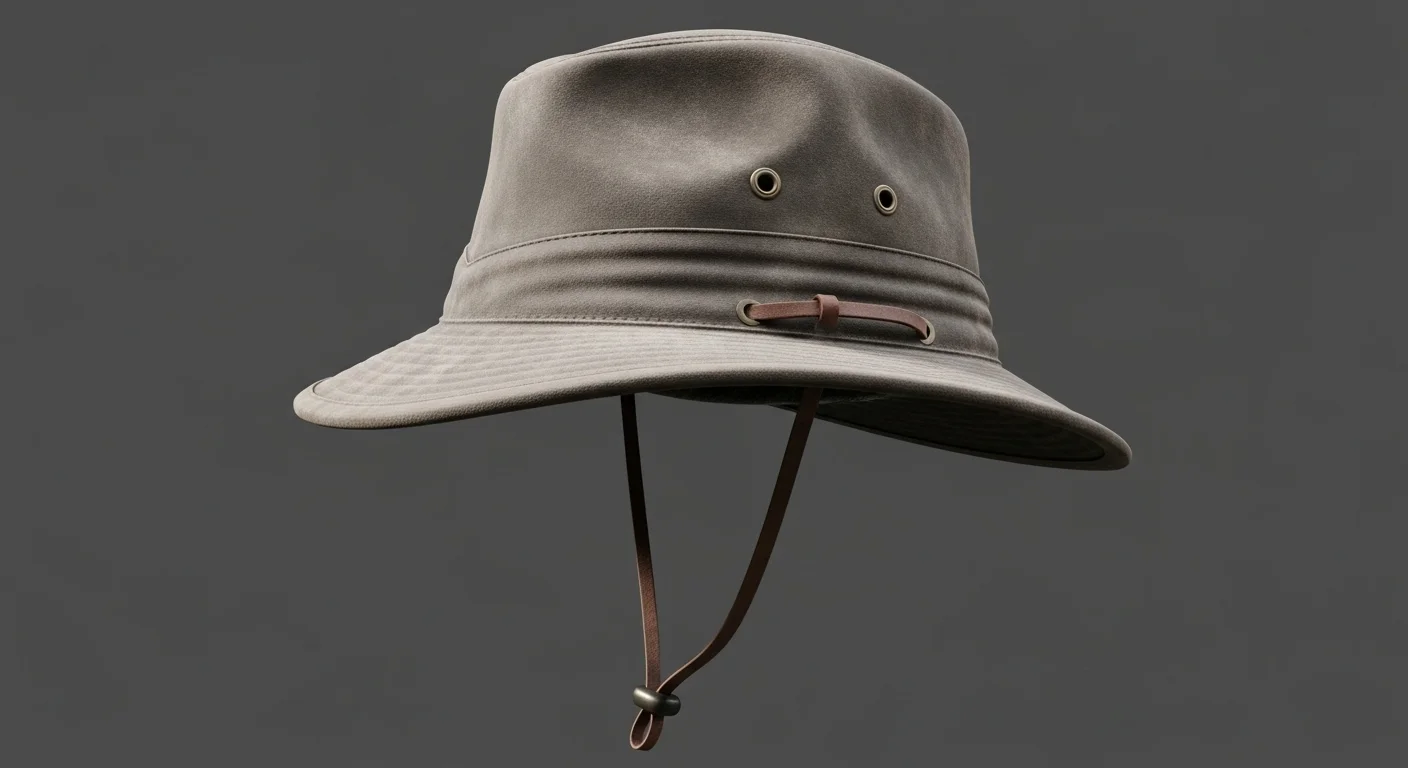
The African sun can be intense, so sun protection is non-negotiable. I always bring a wide-brimmed hat, sunglasses, and high-SPF sunscreen. I remember one trip where I forgot the sunscreen and ended up with a sunburn that made the rest of my safari less enjoyable. Protecting your skin is essential, so lather up regularly!
6. Insect Repellent: Keeping Bugs at Bay
Insect repellent is another item I never travel without. Mosquitoes and other bugs can be a nuisance, especially in the evenings. I prefer using a repellent that contains DEET for effective protection. There’s nothing worse than trying to enjoy a sunset while swatting away pesky insects!
7. Water Bottle: Staying Hydrated
Staying hydrated is crucial during a safari, especially under the hot sun. I always carry a reusable water bottle to refill throughout the day. It’s not only environmentally friendly but also ensures I have water available when I need it. Some safaris may provide water, but having your own is a safer bet.
8. First Aid Kit: Being Prepared for Emergencies
While I hope to never need it, I always bring a first aid kit on my safaris. It should include basics like band-aids, antiseptic wipes, pain relievers, and any personal medications. It gives me peace of mind to know I’m prepared for minor injuries or illnesses that could arise during my adventure.
9. Field Guide: Identifying Wildlife
A good field guide can enhance your safari experience by helping you identify the animals and plants you encounter. I love flipping through my guidebook during quiet moments, learning more about the creatures around me. This not only enhances my appreciation but also makes for great conversation with fellow travelers.
10. Portable Charger: Keeping Your Devices Powered
Finally, a portable charger is essential for keeping your devices powered throughout the day. Whether it’s for your phone, camera, or other gadgets, having a backup power source ensures you can capture every moment without worrying about running out of battery. I’ve had experiences where I missed great shots simply because my camera died. Don’t let that happen to you!
Additional Considerations for Safari Gear
Choosing the Right Binoculars and Camera
When it comes to binoculars and cameras, I can’t stress enough how important it is to do your research before making a purchase. I remember when I was shopping for my first pair of binoculars; I spent hours comparing models and reading reviews. I finally decided on a pair with a magnification of 10×42, which was perfect for spotting distant wildlife without getting too heavy to carry. If you’re unsure, visiting a store and trying out different options can be really helpful.
For cameras, I think the choice between a DSLR and a mirrorless camera often comes down to personal preference. I love my DSLR for its ruggedness and the variety of lenses I can use, but I’ve seen friends get amazing shots with their mirrorless gear because it’s lighter and more compact. The key is to choose something you’re comfortable with and practice with it before your trip. Take it out for family gatherings or even a walk in your local park to get familiar with its settings and capabilities.
Layering Clothing for Changing Weather
Layering clothing is a game-changer for safari adventures. I learned this the hard way on one of my trips when the temperature dropped unexpectedly after sunset. I had to wrap myself in my light jacket while shivering in the back of the vehicle. Now, I always plan my clothing in layers. I usually start with a moisture-wicking base layer, add a long-sleeve shirt for sun protection, and finish with a lightweight, insulated jacket. This way, I can adjust easily as the weather changes throughout the day.
Additionally, I’ve found that a good pair of convertible pants can be incredibly useful. You can easily zip off the legs for comfort during the hotter parts of the day, and then put them back on as the temperature cools in the evening. It’s a simple trick that makes packing easier too!
Eco-Friendly Gear Options
As we explore the beautiful wilderness, I believe it’s our responsibility to protect it. That’s why I try to pack eco-friendly gear whenever I can. For instance, instead of using single-use plastic water bottles, I always take a reusable one. There are also great brands that offer biodegradable soaps and shampoos, which I love to use while camping in the wild. I’ve even found clothing made from recycled materials that are perfect for safari adventures.
Additionally, I look for gear that minimizes my environmental footprint, like solar chargers for my devices. I remember using my solar charger on a trip once, and it felt amazing to know I was harnessing the sun’s power while out in nature. Plus, using eco-friendly products often means better quality and durability, which is a win-win!
Tips for Packing for Your Safari
How to Pack Light Yet Effectively
Packing for a safari can be tricky, especially when you want to take everything you might need but also want to travel light. I used to overpack, bringing multiple pairs of shoes and too many outfits, but I quickly learned that less is more. Now, I focus on versatile clothing that I can mix and match. For example, I’ll bring a couple of neutral-colored shirts that go with my cargo pants and a light sweater that can double as a pillow during the drive.
One technique that has worked for me is to lay out everything I think I need, then cut it down by about 30%. I also make good use of packing cubes, which help me stay organized and save space. It’s amazing how much you can fit when everything has its place!
Organizing Your Gear for Quick Access
During my safaris, I’ve learned that being organized is crucial. When you’re on a game drive, there’s often a limited window to capture that perfect wildlife moment. I’ve found that using a small pouch or a front pocket in my backpack for my camera and binoculars makes them easily accessible. I also keep my snacks and water bottle in a side pocket so I can grab them without digging through my entire pack.
Additionally, I recommend labeling your gear if you’re traveling with friends or family. It can save a lot of time and confusion, especially with similar-looking bags. A little organization goes a long way in ensuring that you don’t miss any of the wonders that come your way during the adventure!
Safety Tips for Wildlife Safaris
Understanding Wildlife Behavior
One of the most fascinating aspects of going on a safari is witnessing wildlife in their natural habitat. However, understanding animal behavior is crucial for staying safe. I remember my guide explaining how different animals react in various situations. For instance, elephants are generally peaceful, but they can become aggressive if they feel threatened. Similarly, lions are more likely to view humans as a curiosity rather than a threat, but it’s essential to keep a respectful distance.
On one safari, we encountered a pride of lions resting near the road. Our guide reminded us to remain quiet and still, as sudden movements could startle them. I found that observing animals and learning their behaviors not only made the experience more enriching but also helped me feel safer. It’s vital to listen to your guide’s instructions and to avoid approaching wildlife, even if they seem calm. Remember, we are guests in their territory!
Staying Safe in Remote Areas
When you’re out in the wild, safety is paramount. I’ll never forget the time we ventured deep into the African bush, far from any civilization. It’s a beautiful feeling to be surrounded by nature, but it also comes with risks. I learned to always keep a few safety measures in mind. For starters, always travel with a reputable tour company that prioritizes safety. They have trained guides who know the area and understand potential hazards.
While on safari, I always make a point to stay in the vehicle unless instructed otherwise. Many animals don’t view vehicles as a threat, and being inside provides a layer of protection. If you’re on a walking safari, my advice is to stick close to your guide and remain aware of your surroundings. I’ve found that being prepared and paying attention to safety protocols really enhances the overall experience, allowing me to enjoy the beauty of the wilderness without unnecessary worry.
Respecting Wildlife and the Environment
Respecting wildlife and the natural environment is a principle I hold dear during my safari adventures. I believe that our presence in these beautiful places should be as non-intrusive as possible. One key aspect I’ve learned is to adhere to the “leave no trace” philosophy. This means not littering and being mindful of how our actions impact the ecosystem. During one safari, I was amazed at how the guides emphasized the importance of keeping the environment pristine. Every piece of trash we saw was picked up, and it made me realize how easily litter can ruin the beauty of nature.
Additionally, I always refrain from feeding animals or attempting to get too close for a photo. It can be tempting to get that perfect shot or to interact with wildlife, but this can disrupt their natural behaviors and create dependencies on humans for food. During my travels, I’ve seen how some animals can become aggressive if they associate people with food. So, I’ve made it a point to enjoy wildlife from a distance and capture the moments with my camera instead.
Lastly, I’ve discovered that supporting local conservation efforts is a great way to give back. Many safari operators contribute to wildlife preservation, and I always feel good knowing my adventure helps protect the very animals I came to see. Read Interesting article: Mastering Wildlife Photography: Tips for Your Next Safari Trip
Final Thoughts
Preparing for a wildlife safari is an adventure in itself, filled with anticipation and excitement. I remember the feeling of packing my bags, carefully selecting each item I would need for the journey ahead. It’s not just about the gear; it’s also about the mindset you bring with you. I’ve learned that being open to new experiences and embracing the unpredictability of nature makes a world of difference. Each safari teaches us something unique, whether it’s about the animals, the environment, or ourselves.
As you prepare for your own safari, I encourage you to do your research and plan ahead. The more you know about the destination and the wildlife, the richer your experience will be. I always find it helpful to connect with fellow travelers or read blogs and forums to gather tips and insights from those who have gone before. This way, you can enhance your adventure while also ensuring you’re well-prepared.
Another aspect that adds to the richness of a safari is the stories and connections you make along the way. I’ve met incredible people, from guides who share their vast knowledge of the land to fellow travelers who become friends as we bond over shared experiences. These connections often turn out to be some of my favorite memories from each trip.
Technology can also play a role in enhancing your adventure. I’ve enjoyed using apps that help identify birds or other wildlife, which adds a fun element of learning. But remember, while technology can enhance your trip, don’t let it take away from the moment. Sometimes, putting your camera down and simply absorbing the beauty around you is the best way to connect with nature.
Lastly, I urge you to embrace the spirit of adventure. Wildlife safaris are about more than just spotting animals; they are about immersing yourself in a world that is so different from our everyday lives. I’ve experienced the thrill of a lion’s roar echoing in the distance, the tranquility of watching elephants graze, and the awe of witnessing a sunset over the African plains. Each moment is a reminder of the beauty of our planet and the importance of preserving it.
As you embark on your safari journey, carry with you the knowledge, gear, and respect for the wildlife and environment. Prepare to be amazed, to learn, and to connect — with nature and with others. The adventure awaits, and I hope it becomes as cherished in your heart as it has in mine.
Safe travels, and may your safari be filled with unforgettable moments!
Frequently Asked Questions
What is a wildlife safari?
A wildlife safari is an adventure that allows you to observe and appreciate wildlife up close in their natural habitat, typically through organized tours in national parks or reserves.
What are some popular safari destinations?
Some of the most popular safari destinations include the Serengeti in Tanzania, the Maasai Mara in Kenya, and Kruger National Park in South Africa, each offering unique landscapes and diverse wildlife.
What types of safaris are available?
There are several types of safaris, including game drives, walking safaris, and boat safaris, each appealing to different interests and comfort levels.
What essential gear should I bring on a wildlife safari?
Essential gear for a wildlife safari includes binoculars, a camera with lenses, a lightweight backpack, appropriate clothing, sun protection, insect repellent, a water bottle, a first aid kit, a field guide, and a portable charger.
How should I dress for a safari?
It is recommended to wear neutral tones like khaki, green, and brown, using lightweight, breathable fabrics that dry quickly, and layering clothing to adapt to temperature changes throughout the day.
Why is sun protection important during a safari?
Sun protection is crucial due to the intense African sun. A wide-brimmed hat, sunglasses, and high-SPF sunscreen can help prevent sunburn and make your safari experience more enjoyable.
What should I consider when choosing binoculars and cameras for a safari?
It’s important to research binoculars for features like magnification and weight. For cameras, the choice between a DSLR and a mirrorless camera often depends on personal preference and comfort with the equipment.
What safety tips should I follow during a wildlife safari?
Staying safe involves understanding wildlife behavior, traveling with a reputable tour company, remaining in vehicles, and following your guide’s instructions while being aware of your surroundings.
How can I pack effectively for a safari?
Packing effectively involves focusing on versatile clothing, reducing what you think you need by about 30%, and using packing cubes for organization to ensure quick access to your essentials.
What is the “leave no trace” philosophy?
The “leave no trace” philosophy emphasizes minimizing human impact on the environment by not littering and being mindful of actions that could disrupt wildlife and their habitats.