
Traveling to historical landmarks doesn’t have to break the bank. With rich stories, breathtaking sights, and affordable options, we can explore remarkable destinations without overspending. For those interested in local experiences, Savoring the Streets: Budget-Friendly Local Cuisine Guides can provide insights into delicious eats that won’t hurt your wallet.
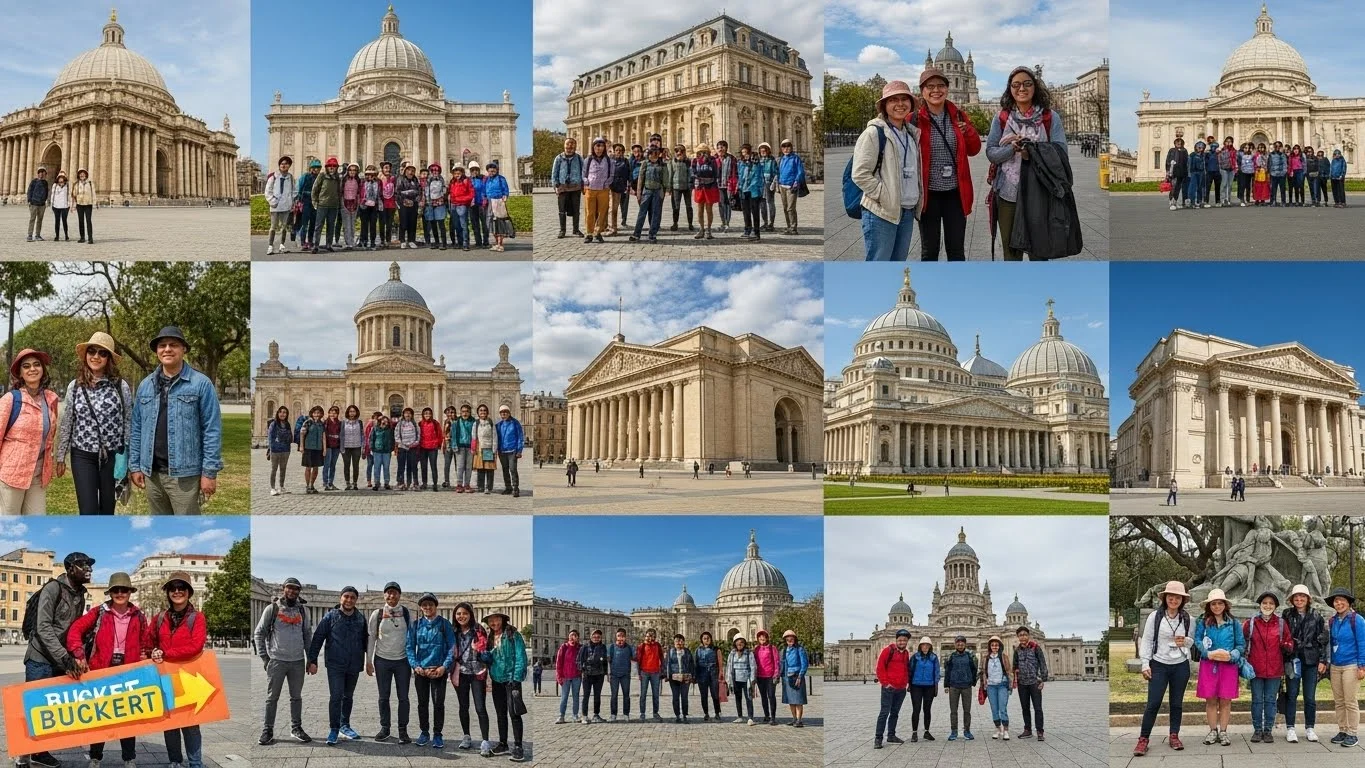
Understanding Historical Landmarks
Definition and Importance of Historical Landmarks
When I think of historical landmarks, I picture awe-inspiring sites that tell stories of our past. These places are often steeped in rich history and culture, serving as reminders of significant events, achievements, and the people who shaped our world. For many travelers, visiting these landmarks is like stepping back in time. They provide a physical connection to history, allowing us to experience firsthand what we’ve only read about in books or seen in documentaries.
Beyond their aesthetic beauty, historical landmarks often represent the identity and heritage of a place. For instance, the Colosseum in Rome isn’t just a magnificent structure; it symbolizes the glory of the Roman Empire. Similarly, the Pyramids of Giza reflect the incredible engineering prowess of ancient civilizations. These landmarks spark our curiosity and inspire us to learn more about the cultures they represent.
How Historical Landmarks Benefit Budget Travelers
As a budget traveler myself, I can attest to the numerous benefits of visiting historical landmarks. First and foremost, many of these sites are either free or have a nominal entry fee, making them accessible to those of us watching our wallets. For example, while the Colosseum charges an entry fee, the surrounding areas in Rome are filled with stunning architecture and vibrant street life that we can enjoy without spending a dime.
Moreover, historical landmarks often come with free or low-cost guided tours and educational resources, enriching our experience without adding extra costs. I remember visiting the Acropolis in Athens, where free audio guides were available, allowing us to explore at our own pace while soaking in all the fascinating details. Additionally, I recommend checking out Cultural Adventures Await: Explore Cities on a Budget for tips on budget-friendly travel experiences.
Visiting these landmarks can also lead us to unique local experiences. I’ve found that many historical sites are located near bustling markets, local eateries, and hidden gems that reflect the region’s culture. This gives us the chance to immerse ourselves in the local lifestyle and try authentic dishes without overspending.
Criteria for Selection of Landmarks
Affordability and Accessibility
When I plan my trips, affordability and accessibility are top priorities. I always look for landmarks that won’t empty my wallet and are easy to reach. It’s essential for budget travelers like us to identify sites with low entry fees or free access. Landmarks like Independence Hall in Philadelphia are free to visit, enabling us to soak up history without worrying about entrance costs.
Accessibility also matters. It’s frustrating to find a beautiful landmark that’s hard to reach. I appreciate sites that are well-connected through public transportation or are within walking distance from where we stay. For instance, the Tower of London is near several tube stations, making it easy for us to stop by without any hassle.
Historical Significance
Of course, the historical significance of a landmark is crucial. I seek out places that offer rich narratives and fascinating stories. When I visited Machu Picchu, I was mesmerized not just by the breathtaking views but by the incredible history surrounding the Incan civilization. Landmarks that hold deep cultural and historical significance create memorable experiences and help us appreciate the world’s diverse heritage.
Visitor Experience and Amenities
Lastly, I consider the overall visitor experience and amenities offered. When I visit landmarks, I look for clean facilities, friendly staff, and sufficient information available for tourists. For example, Angkor Wat in Cambodia provides excellent amenities, including guided tours and well-marked paths, which enhance our visit and make it more enjoyable.
Having access to visitor information, rest areas, and food options can significantly improve our experience. I remember feeling grateful for the cafes near the Alhambra, where I could rest and enjoy a refreshing drink after exploring the stunning architecture.
In my experience, when a landmark is well-prepared for visitors, it transforms the trip from mere sightseeing to an enriching journey. It’s about immersing ourselves in the history, learning about the past, and creating lasting memories without worrying about the cost. I believe the joy of exploring historical landmarks lies in understanding their significance and connecting with the stories they tell while being mindful of our budget. Whether it’s marveling at ancient ruins or walking through centuries-old castles, there’s a world of adventure waiting for us that doesn’t require a hefty budget.
Top 10 Must-See Historical Landmarks
1. The Colosseum, Rome, Italy
Walking up to the Colosseum for the first time was like stepping into a time machine. I remember standing there, surrounded by its ancient walls, and feeling the energy of the gladiators who once fought in this grand arena. It’s not just a remarkable structure; it’s a testament to Roman engineering and the cultural significance of public entertainment in ancient times. While the entry fee is a consideration, I found that simply wandering around the exterior and enjoying the bustling atmosphere of the streets nearby was just as rewarding.
2. The Great Wall of China, China
The Great Wall of China is another landmark that left me in awe. Stretching over 13,000 miles, it’s a marvel that showcases the determination of an entire civilization. Hiking along the wall, I appreciated not just the breathtaking views but also the chance to reflect on the history of its construction. There are many sections of the wall that are free to visit, and I highly recommend exploring the lesser-known areas for a less crowded experience. It felt incredible to be walking on something so old yet still standing strong.
3. Machu Picchu, Peru
Machu Picchu was a dream come true for me. The journey to this ancient Incan city is just as captivating as the site itself. I took the train, enjoying the stunning landscapes along the way, which heightened my anticipation. Once there, I was mesmerized by the well-preserved ruins and the surrounding mountains. While entry fees can be a bit steep, I found that visiting at sunrise was worth every penny, as I captured the sunrise illuminating the ruins in a golden hue, creating a magical atmosphere.
4. The Pyramids of Giza, Egypt
The Pyramids of Giza are a bucket-list destination for many travelers, and I can see why. Standing in the shadow of these ancient wonders, I felt a mix of awe and humility. The sheer size of the structures is mind-boggling, and the stories of how they were built are even more fascinating. While guided tours can be pricey, exploring the area around the pyramids offers plenty of opportunities to engage with local vendors and enjoy authentic Egyptian street food without breaking the bank.
5. The Acropolis, Athens, Greece
Visiting the Acropolis in Athens was a highlight of my travels. The iconic Parthenon stands as a symbol of ancient Greece and democracy. I was fortunate to go during the early morning when the site was less crowded. Walking amongst the ruins, I found myself imagining what life was like thousands of years ago. The audio guides provided free of charge were incredibly informative, enriching my understanding of the historical significance of this site.
6. Angkor Wat, Cambodia
Angkor Wat is truly a feast for the senses! I remember waking up before dawn to catch the sunrise over the temple, and it was one of the most beautiful sights I’ve ever witnessed. The intricate carvings and the sheer scale of the temple complex left me speechless. While there is an entry fee, I discovered that a multi-day pass is available, which not only gives us access to Angkor Wat but also to other stunning temples nearby. This way, we could explore at our leisure without feeling rushed.
7. The Alhambra, Spain
The Alhambra in Granada is like stepping into a fairy tale. Its stunning architecture, beautiful gardens, and rich history captivated me from the moment I arrived. The intricate Islamic art and design reflect a beautiful blend of cultures. I recommend booking tickets in advance since they can sell out quickly, especially during peak seasons. However, the surrounding neighborhoods are vibrant and filled with tapas bars where we could enjoy local cuisine without spending too much.
8. The Tower of London, England
The Tower of London is steeped in mystery and intrigue. My visit there was filled with tales of kings, queens, and even prisoners. I highly recommend taking one of the guided tours, as the Beefeaters who lead them share fascinating stories that really bring the history to life. While there’s an entrance fee, I found that many of the surrounding areas, like the historic riverfront, offer lovely views and places to relax without any cost.
9. The Parthenon, Athens, Greece
The Parthenon is one of those places that truly takes your breath away. I felt so lucky to be standing in front of a structure that has stood for centuries. The sense of history is palpable. I opted for a guided tour to gain deeper insights, and it was well worth the investment. Also, exploring the nearby Plaka neighborhood after visiting the Parthenon gave me a glimpse of modern Greek life, filled with shops and cafes that are perfect for a budget traveler.
10. Independence Hall, Philadelphia, USA
Independence Hall is where the foundations of America were laid, and visiting it was a deeply moving experience. It’s free to enter, which is a huge plus for budget travelers. I remember the excitement of standing in the same room where the Declaration of Independence was debated and signed. The surrounding area is also rich in history, with plenty of other free sites to explore, like the Liberty Bell and various museums, making it easy to spend an entire day soaking up history without spending much.
Budget Tips for Visiting Historical Landmarks
Finding Affordable Entry Fees
One of the first things I do when planning a visit to a historical landmark is to research entry fees. I’ve found that many places have varying prices depending on the time of year, day of the week, or even the age of the visitor. Some landmarks offer discounts for students, seniors, or families, which can make a huge difference. For example, I remember visiting the Louvre in Paris, where a reduced entry fee was available on specific nights. It’s all about timing! I recommend checking the official website of the landmark or local tourism boards for any current promotions or discounts before you go.
Best Times to Visit for Lower Costs
Timing is everything! I’ve learned that visiting historical landmarks during the off-peak season can not only save money on entry fees but also provide a more enjoyable experience with fewer crowds. For instance, I visited the Roman Forum in late September when the summer tourists had thinned out. The weather was still pleasant, but I didn’t have to jostle for space to take photos. Additionally, weekdays are generally less crowded than weekends, making them ideal for a more relaxed exploration.
Discount Passes and Guided Tours
Investing in a city pass can be a game-changer for budget travelers like us. I’ve used these passes in several cities, and they often include entry to multiple landmarks at a fraction of the cost. For instance, the Paris Museum Pass allowed me to visit several major sites, including the Musée d’Orsay and Notre-Dame, without paying for each entry separately. I also found that some guided tours offer combined tickets for various attractions, providing savings and the added benefit of a knowledgeable guide to enhance the experience. I remember taking a combined tour of the Colosseum and Roman Forum, which not only saved me money but also deepened my understanding of the historical context.
Free Days and Events
Many historical landmarks have specific days or times when entry is free. I always keep an eye out for these opportunities. For example, the first Sunday of the month often features free admission at numerous museums and historical sites across Europe. It’s a great way to experience incredible places without spending a dime. I’ve taken advantage of these free days, and I found that they can also lead to unique experiences, like special events or guided tours that are only offered on those days. Just be prepared for larger crowds, as these events tend to draw in lots of visitors!
How to Get to Each Landmark on a Budget
Public Transportation Options
Using public transportation is one of my favorite ways to get around while traveling. It’s budget-friendly and provides a unique chance to see the local culture up close. I remember navigating the subway in London to reach the Tower of London. It was not only affordable but also incredibly convenient, with stations located near many historical sites. I usually download local transit apps that provide real-time information on routes and schedules, which makes it so much easier to plan my journeys without missing a beat.
Walking and Biking Routes
If the weather is nice, I love walking or biking to historical landmarks. Not only is it a great way to save money, but it also allows us to soak in the sights and sounds of the city. For example, when I visited Amsterdam, I rented a bike and rode along the canals to reach the Anne Frank House. The journey was just as delightful as the destination! Many cities offer bike rental services or have dedicated bike paths, making it easy to explore at our own pace while enjoying the fresh air.
Carpooling and Ridesharing
When public transportation isn’t a viable option, I’ve found that carpooling or ridesharing can be a good alternative. Apps like Uber or Lyft often have shared ride options that allow us to save a bit of money while still getting to our destination efficiently. During a trip to San Francisco, my friends and I used a rideshare service to reach Alcatraz Island, splitting the fare made it very affordable. Just be sure to check for any surge pricing during peak times, as that can sometimes add up quickly.
Local Experiences Near Historical Landmarks
Exploring Local Culture and Cuisine
One of the best parts of visiting historical landmarks is the opportunity to experience the local culture and cuisine. I always make it a point to explore the neighborhoods surrounding the landmarks I visit. For instance, near the Acropolis, I found a charming little taverna where I tried authentic moussaka and met friendly locals. Eating at local restaurants not only supports small businesses but also provides a taste of the culture that’s often missing in larger tourist areas.
Free or Low-Cost Attractions Nearby
Often, there are additional attractions near historical landmarks that are free or have a minimal cost. During my travels in Rome, after visiting the Colosseum, I wandered over to the Palatine Hill, which offered stunning views and was included in the ticket price for the Colosseum. Exploring these nearby attractions can make the most of our visits without straining our budgets. I’ve found that simply walking around and discovering hidden gems can lead to some of the best experiences!
Community Events and Festivals
Attending local events or festivals can enrich our travel experience. I remember stumbling upon a street festival in Granada while visiting the Alhambra. The vibrant atmosphere, local music, and delicious food stalls made for an unforgettable afternoon. Many historical sites often host special events or festivals that celebrate local culture and history, and these can be excellent opportunities to engage with the community. I always check local event calendars when I’m planning my trip to see if anything interesting is happening during my visit.
Frequently Asked Questions
What are historical landmarks and why are they important?
Historical landmarks are awe-inspiring sites that tell stories of our past. They serve as reminders of significant events, achievements, and the people who shaped our world, providing a physical connection to history and reflecting the identity and heritage of a place.
How can budget travelers benefit from visiting historical landmarks?
Budget travelers can benefit from visiting historical landmarks as many of these sites are either free or have a nominal entry fee. Additionally, they often offer free or low-cost guided tours and educational resources, enriching the experience without adding extra costs.
What criteria should be considered when selecting historical landmarks to visit?
When selecting historical landmarks, consider affordability, accessibility, historical significance, and the overall visitor experience and amenities available. Look for sites with low entry fees, good public transportation access, and facilities that enhance the visitor experience.
Which historical landmarks are must-see destinations?
Some must-see historical landmarks include the Colosseum in Rome, the Great Wall of China, Machu Picchu in Peru, the Pyramids of Giza in Egypt, the Acropolis in Athens, Angkor Wat in Cambodia, the Alhambra in Spain, the Tower of London, the Parthenon in Athens, and Independence Hall in Philadelphia.
What budget tips can help when visiting historical landmarks?
Budget tips for visiting historical landmarks include researching entry fees, visiting during off-peak times, investing in discount passes for multiple attractions, and taking advantage of free admission days or events.
What are some affordable transportation options to reach historical landmarks?
Affordable transportation options include using public transportation, walking or biking to landmarks, and utilizing carpooling or ridesharing services. These methods are budget-friendly and often provide a unique chance to see local culture.
How can travelers immerse themselves in local culture near historical landmarks?
Travelers can immerse themselves in local culture by exploring neighborhoods surrounding landmarks, trying authentic local cuisine, and attending community events or festivals that celebrate local culture and history.
Are there free or low-cost attractions available near historical landmarks?
Yes, there are often additional attractions near historical landmarks that are free or have minimal costs. Exploring these nearby sites can enhance the visit without straining the budget.
What should travelers look for regarding visitor experience at historical landmarks?
Travelers should look for clean facilities, friendly staff, and sufficient information available for tourists. Amenities like guided tours and rest areas can significantly improve the overall experience.
What experiences can enhance a visit to a historical landmark?
Enhancing a visit to a historical landmark can include taking guided tours for deeper insights, enjoying local cuisine at nearby restaurants, and participating in special events or festivals that may be occurring during the visit. Don’t forget to capture those moments with a good camera; check out Best Budget-Friendly Cameras for Travel Photography for recommendations!