
Traveling to cultural heritage sites has a way of connecting us with history and the stories of those who came before us. For backpackers, these sites offer unforgettable experiences and a chance to immerse ourselves in the world’s rich tapestry of culture. If you’re interested in budget-friendly options, check out Uncover Hidden Gems: Budget Cultural Heritage Sites Worldwide.
Understanding Cultural Heritage Sites
Definition and Importance
I’ve often found that cultural heritage sites hold a unique power to transport us to different times and places. These locations are significant due to their historical, artistic, or scientific value. They serve as a testament to the cultures that shaped them, offering a glimpse into our shared human experience. When I visit these sites, I can almost feel the echoes of the past, which adds a profound layer to my travels. Cultural heritage sites remind us of our roots and the diversity of human expression, making them essential destinations for anyone seeking a deeper understanding of the world.
UNESCO World Heritage Criteria
UNESCO’s World Heritage List is like a badge of honor for cultural heritage sites. To be included, a site must meet at least one of ten criteria, which highlight its exceptional value to humanity. I remember reading about how places like Machu Picchu and the Great Wall of China were recognized not only for their beauty but also for their significance in telling the story of their respective cultures. The criteria cover aspects like representing a masterpiece of human creative genius or exhibiting an important interchange of human values over time. This makes visiting these sites even more compelling; they are not just pretty landscapes but vital pieces of the puzzle that is our history.
Top 10 Must-Visit Cultural Heritage Sites for Backpackers
1. Machu Picchu, Peru
Overview and Historical Significance
Machu Picchu is often the first site that comes to mind when I think of cultural heritage. Nestled high in the Andes, this ancient Incan city is a marvel of engineering and a symbol of Peru’s rich history. Built in the 15th century, it was later abandoned and remained hidden until its rediscovery in 1911. Walking through the ruins, I can’t help but feel a connection to the past, imagining how the Inca people lived and thrived in this breathtaking setting.
How to Get There
Getting to Machu Picchu is an adventure in itself. Most travelers take a train from Cusco to Aguas Calientes, the gateway to the ruins. I recommend booking your tickets in advance, as seats can fill up quickly, especially during peak season. Once in Aguas Calientes, it’s a short bus ride to the entrance. For the more adventurous, hiking the Inca Trail is a fantastic option that I’ve always wanted to try, though it requires some planning and a permit.
Best Time to Visit
The best time to visit Machu Picchu is during the dry season, which runs from May to September. I’ve found that early morning visits are the most magical, with fewer crowds and the beautiful sunrise illuminating the ruins. Just be prepared for chilly mornings and pack layers!
Local Accommodations and Budget Tips
Aguas Calientes offers a range of accommodations, from budget hostels to more luxurious hotels. I usually opt for hostels that provide not just a bed but also a chance to meet fellow travelers. Eating at local markets is a great way to save money and experience authentic Peruvian cuisine. I remember enjoying hearty meals of rice and beans, which fueled my adventures and kept my budget intact. For more tips on visiting cultural heritage sites cheaply, check out Backpacking Tips for Visiting Cultural Heritage Sites Cheaply.
2. Angkor Wat, Cambodia
Overview and Historical Significance
Angkor Wat is one of the most famous temple complexes in the world, and for good reason. I was blown away by its intricate carvings and massive scale. Originally built in the 12th century as a Hindu temple, it later transformed into a Buddhist site. Walking around, I felt like I was wandering through a living piece of art, each stone telling a story of Cambodia’s rich history.
How to Get There
Traveling to Angkor Wat is quite straightforward. Siem Reap is the nearest city, and I found it easy to fly in or take a bus from Phnom Penh. From Siem Reap, renting a bicycle or hiring a tuk-tuk to explore the temples is a popular choice. Trust me, the freedom of pedaling my way through ancient ruins was an experience I’ll never forget.
Best Time to Visit
The cooler months from November to February are ideal for visiting, as the weather is more manageable. I visited in December and loved the pleasant temperatures, which made exploring the vast complex much more enjoyable.
Local Accommodations and Budget Tips
Siem Reap has a variety of accommodations, from budget hostels to mid-range hotels. I found that many hostels offer free breakfast, which is a great bonus. Make sure to try street food while you’re there; I remember enjoying delicious noodle dishes without breaking the bank!
3. Petra, Jordan
Overview and Historical Significance
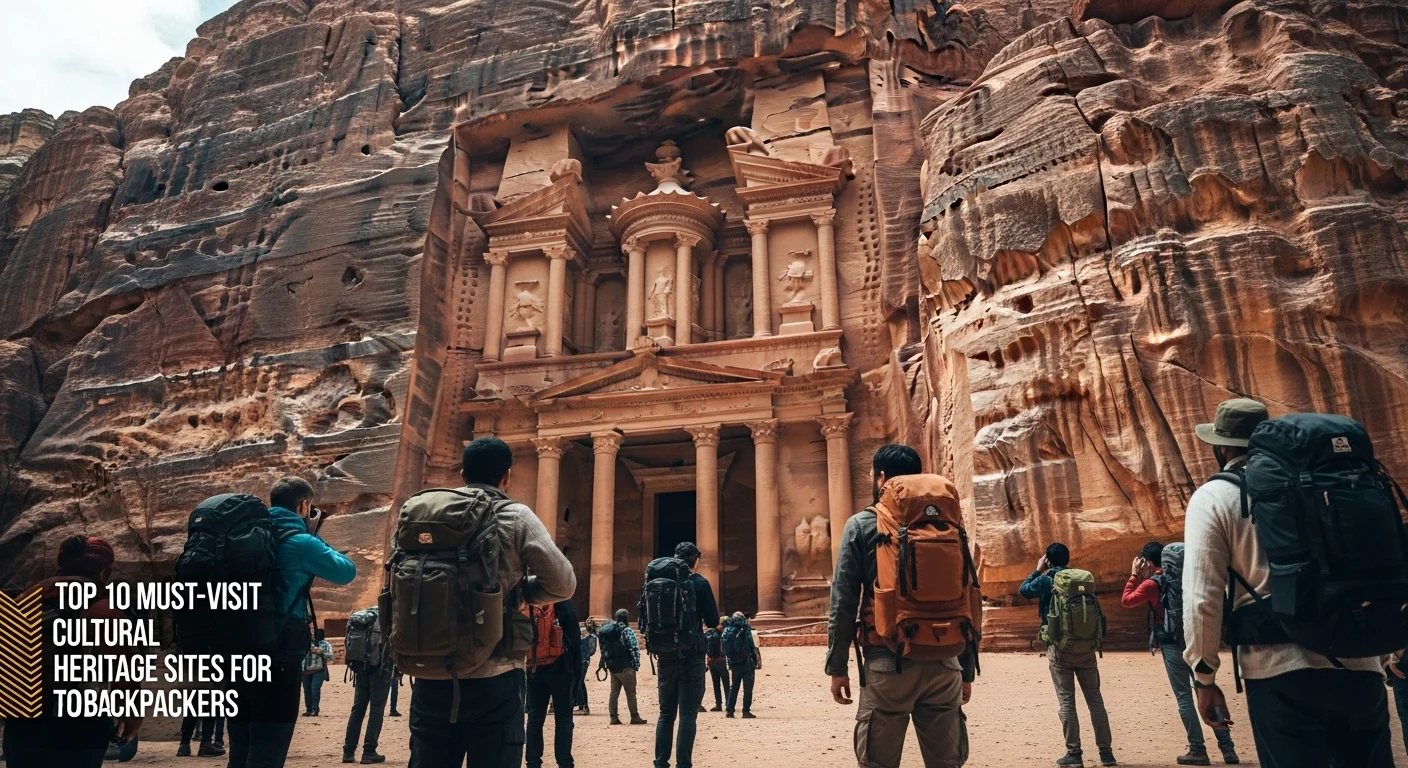
Petra is often called the “Rose City” due to the stunning pink sandstone cliffs that surround it. As I explored this ancient Nabatean city, I was captivated by its elaborate architecture, including the famous Treasury and Monastery. Dating back to the 5th century BC, Petra is a UNESCO World Heritage Site that showcases the ingenuity of its creators. Walking through the Siq, the narrow canyon that leads to Petra, I felt the thrill of anticipation building as I approached the breathtaking views.
How to Get There
Reaching Petra is relatively easy. I flew into Amman and took a bus to Wadi Musa, the town just outside the site. The journey was filled with stunning desert landscapes that made the trip worthwhile. I recommend checking the local bus schedules to make your travel smoother.
Best Time to Visit
The spring (March to May) and fall (September to November) seasons are perfect for visiting Petra. I went in April and enjoyed mild temperatures, which made hiking around the site much more pleasant. Avoid the summer heat if you can; it can get scorching!
Local Accommodations and Budget Tips
Wadi Musa offers a range of accommodations, including budget-friendly hostels. I found staying close to Petra gave me the chance to catch the sunrise over the ruins, which was magical. For food, I recommend trying local Jordanian dishes; I remember savoring a delicious plate of mansaf that was both filling and affordable.
4. The Great Wall of China
Overview and Historical Significance
The Great Wall of China is one of the most iconic symbols of human achievement. Stretching over 13,000 miles, it was built over centuries to protect against invasions. When I stood atop the wall, I was filled with awe, realizing how many hands had shaped this landmark over the ages. The views from the wall are simply breathtaking, and I felt a deep sense of history wash over me.
How to Get There
Accessing the Great Wall is easy from Beijing. I took a day trip to the Mutianyu section, known for its beautiful scenery and fewer crowds. Buses and guided tours are readily available, making it convenient to plan your visit.
Best Time to Visit
The best times to visit are during spring and fall when the weather is mild. I went in October, and the fall foliage made the views even more stunning. I highly recommend going early in the morning to avoid the tourist rush.
Local Accommodations and Budget Tips
Beijing has a wide range of accommodation options, from hostels to hotels. I found staying in a hutong (traditional courtyard) area gave me a real sense of local culture. Eating at local street vendors is a great way to save money while trying delicious dumplings and noodles.
5. Colosseum, Italy
Overview and Historical Significance
The Colosseum is a symbol of Rome’s grandeur and its tumultuous history. As I walked through this ancient amphitheater where gladiators once battled, I was struck by the weight of history. Built in 80 AD, the Colosseum is an engineering marvel that has survived the test of time, and I felt privileged to be standing in such a remarkable place.
How to Get There
Getting to the Colosseum is simple. I took the metro to the Colosseum station, and it’s just a short walk to the entrance. I recommend purchasing tickets in advance to skip the long lines, especially during peak tourist seasons.
Best Time to Visit
The best time to visit Rome, and the Colosseum specifically, is during the shoulder seasons of spring and fall. I visited in late September and enjoyed warm weather and fewer crowds.
Local Accommodations and Budget Tips
Rome offers a range of accommodations suitable for backpackers. I found some great hostel options that provided both a bed and opportunities to meet other travelers. For dining, I suggest trying local trattorias for delicious pasta dishes that won’t break the bank.
6. Taj Mahal, India
Overview and Historical Significance
The Taj Mahal is one of the most recognizable structures in the world, a stunning symbol of love built by Emperor Shah Jahan in memory of his wife, Mumtaz Mahal. Standing before this magnificent mausoleum, I felt a wave of emotion wash over me. Its intricate marble work and beautiful gardens create an atmosphere of serenity that I will never forget.
How to Get There
Agra, where the Taj Mahal is located, is easily accessible by train or bus from major cities like Delhi and Jaipur. I opted for a train, which was a comfortable and scenic way to travel. Once in Agra, rickshaws and taxis are available to take you to the Taj.
Best Time to Visit
The ideal time to visit the Taj Mahal is during the cooler months from October to March. I went in January, and the weather was perfect for exploring. Just be prepared for the possibility of fog in the early mornings.
Local Accommodations and Budget Tips
Agra has a variety of accommodations, from budget hostels to luxury hotels. I chose a hostel that offered stunning views of the Taj Mahal at sunset, which was worth every penny. Eating at local dhabas (roadside eateries) can keep costs low while treating your taste buds to authentic Indian cuisine.
7. Stonehenge, England
Overview and Historical Significance
Stonehenge is one of the most famous prehistoric monuments in the world. As I stood before the massive stones, I felt a sense of mystery and wonder. Built over 5,000 years ago, its purpose remains a topic of debate, which only adds to its allure. The energy of the site is palpable, and I found myself pondering the lives of those who constructed it.
How to Get There
To visit Stonehenge, I took a train from London to Salisbury and then a bus directly to the site. The journey was straightforward and offered beautiful views of the English countryside. It’s wise to book tickets in advance, as this popular site often draws large crowds.
Best Time to Visit
The best time to visit Stonehenge is during the spring or summer months when the weather is more temperate. I visited in June, which allowed me to enjoy the summer solstice celebrations, a truly magical experience.
Local Accommodations and Budget Tips
Salisbury has several accommodation options, including budget-friendly hostels and guesthouses. I recommend staying in the city for a night to explore its charming streets and historic sites. For meals, local pubs offer hearty fare at reasonable prices, making it a great option for backpackers.
8. Chichen Itza, Mexico
Overview and Historical Significance
Chichen Itza is a breathtaking archaeological site that showcases the grandeur of the Maya civilization. The famous El Castillo pyramid is an architectural wonder, and I was captivated by the history that surrounded me. It’s a UNESCO World Heritage Site that draws visitors from all over the world, and I felt honored to walk the same paths as the ancient Maya.
How to Get There
Traveling to Chichen Itza is easy from nearby towns like Cancun or Playa del Carmen. I took a bus that was comfortable and affordable, offering a pleasant ride through the Yucatan Peninsula. Once I arrived, I found it simple to navigate the site on foot.
Best Time to Visit
The best time to visit Chichen Itza is during the dry season from November to April. I went in March and enjoyed sunny weather without the oppressive heat. Visiting early in the morning is also a plus to avoid the crowds.
Local Accommodations and Budget Tips
There are various accommodation options in the nearby town of Piste, which is just a short distance from the site. I opted for a budget guesthouse that was both comfortable and affordable. For meals, I found local eateries that served delicious Yucatecan dishes, allowing me to experience the local flavors on a budget.
9. Machu Picchu, Peru
Overview and Historical Significance
Returning to Machu Picchu, it’s easy to see why it’s often on the travel bucket list. The site’s stunning views and incredible history make it a must-visit. I can’t stress enough how important it is to soak in the surroundings and appreciate the incredible engineering that went into this ancient city.
How to Get There
As mentioned earlier, the train from Cusco is the best way to reach Machu Picchu, and I found it convenient and scenic. The train ride offered stunning views of the Sacred Valley, which added to the overall experience.
Best Time to Visit
The dry season remains the ideal time for a visit, and I recommend planning your trip for the early morning to catch the ruins bathed in the soft light of dawn.
Local Accommodations and Budget Tips
Accommodations in Aguas Calientes range from budget options to more luxurious stays. I found staying in a dormitory-style hostel was a fun way to meet fellow travelers. For food, local markets serve up delicious meals that won’t break the bank.
10. The Acropolis, Greece
Overview and Historical Significance
The Acropolis stands as a testament to ancient Greek civilization, showcasing incredible structures like the Parthenon. As I walked through this historical site, I felt a profound respect for the people who built it over 2,500 years ago. It’s a powerful reminder of the achievements of humanity and the stories that have shaped our world.
How to Get There
Reaching the Acropolis is straightforward if you’re in Athens. I took the metro, which was efficient and easy to navigate. The walk up to the Acropolis offers fantastic views of the city, which made the journey even more enjoyable.
Best Time to Visit
Spring and early fall are the best times to visit the Acropolis. I visited in May, and the weather was perfect for exploring the ruins comfortably. Early morning visits also help avoid the crowds, allowing for a more peaceful experience.
Local Accommodations and Budget Tips
Athens offers a plethora of accommodation options. I stayed in a budget hostel that provided a great location and friendly atmosphere. Dining out in Athens can be affordable if you seek out local tavernas where you can enjoy traditional Greek dishes without overspending.
Best Practices for Backpacking to Cultural Heritage Sites
Respecting Local Cultures and Traditions
When we set out to explore cultural heritage sites, one of the most important lessons I’ve learned is to respect local cultures and traditions. Each site is not just a tourist destination but a living part of a community’s identity. I remember visiting the Taj Mahal and being struck by the reverence locals had for the site. Simple gestures, like asking before taking photos of people or participating in local customs, can go a long way. I also find it enlightening to learn a few phrases in the local language. It shows respect and often leads to warmer interactions with the locals.
Another aspect of respecting culture is dressing appropriately. For instance, when visiting religious sites like Angkor Wat or the Acropolis, I always ensure my attire is respectful. This not only reflects my understanding of the site’s significance but also helps me feel more comfortable during my visit. I recommend doing a bit of research before you go; it can be fascinating to discover the customs and traditions associated with these extraordinary places.
Eco-Friendly Travel Tips
As backpackers, we often think about our budget, but I believe we should also consider our environmental impact. I’ve adopted several eco-friendly practices while traveling, especially at cultural heritage sites. For starters, I always carry a reusable water bottle and refill it at clean water stations. It not only saves money but significantly reduces plastic waste. I also try to bring my own snacks instead of buying packaged foods, which helps minimize waste.
When visiting sites, I make a conscious effort to stick to marked paths and avoid touching or climbing on structures, especially at places like the Great Wall of China or Stonehenge. These actions help preserve the integrity of these historical landmarks for future generations. I’ve also participated in local clean-up efforts when I noticed litter in areas around popular sites. It felt great to contribute positively while exploring.
Safety Considerations
Safety is always a priority when I travel, especially to cultural heritage sites where crowds can be large. I like to keep my belongings secure, using a crossbody bag that I can easily reach and monitor. Before I set out for the day, I make sure to have a plan, including knowing the location of the nearest medical facilities or police stations. It gives me peace of mind to know I’m prepared.
Some sites, like Petra or Machu Picchu, involve hiking or walking on uneven terrain. I always wear comfortable shoes and keep a small first-aid kit on hand. I’ve learned the hard way that blisters can ruin a day of exploration! It’s also wise to stay hydrated and use sunscreen to avoid the fatigue that can set in, especially when exploring in hot climates.
Budgeting for Heritage Site Visits
Traveling doesn’t have to break the bank, especially when visiting cultural heritage sites. I’ve found that proper budgeting can enhance the experience rather than limit it. First, I prioritize which sites are non-negotiable on my list. This helps me allocate funds accordingly. For instance, while the entry fees for places like the Colosseum or Chichen Itza can be steep, I’ve learned to look for discounts or free entry days.
I also save money by planning my visits during off-peak seasons. For example, visiting the Acropolis in early spring allowed me to enjoy the site with fewer tourists and at a lower cost. Accommodations can be another significant expense, so I often look for hostels or guesthouses that offer kitchens. Cooking a few meals can save quite a bit, and it’s an enjoyable way to meet fellow travelers.
Finally, I keep an eye on local transportation options. In cities like Siem Reap, renting a bicycle proved to be an affordable way to explore Angkor Wat while also enjoying the scenery. Being flexible and open to different experiences often leads to discovering budget-friendly options that I otherwise wouldn’t have considered, such as the Top 10 Affordable Cultural Heritage Sites to Visit This Year.
Useful Resources for Backpackers
Travel Guides and Apps
When planning my backpacking trips, I’ve found that utilizing travel guides and apps is invaluable. I often turn to trusted guidebooks for insights on cultural etiquette, historical context, and practical tips. However, I also love to use apps like Google Maps and local transport apps to navigate new cities. Having offline maps downloaded has saved me more than once when I found myself in areas with poor reception.
Online Communities and Forums
I’ve come to appreciate the wealth of information available in online communities and forums. Websites like Reddit and travel blogs provide first-hand accounts and tips from fellow travelers. It’s helped me avoid common pitfalls and discover hidden gems. I remember finding out about a small, lesser-known temple near Angkor Wat through a travel forum, which turned out to be one of my favorite experiences!
Local Tour Operators and Guides
Finally, sometimes it’s worth investing in a local tour operator or guide. I’ve found that having a knowledgeable guide can enhance my understanding of cultural heritage sites tremendously. They often share stories and insights that I wouldn’t find in a guidebook. On my visit to Petra, the guide not only showed us the main attractions but also led us to stunning viewpoints that most tourists miss. It added depth to my experience and made my trip feel more connected to the local culture.
Frequently Asked Questions
What are cultural heritage sites and why are they important?
Cultural heritage sites are locations with historical, artistic, or scientific value that connect us to the stories of past cultures. They offer insight into our shared human experience and remind us of our roots and the diversity of human expression.
What is the significance of UNESCO’s World Heritage List?
UNESCO’s World Heritage List recognizes cultural heritage sites that meet at least one of ten specific criteria, highlighting their exceptional value to humanity. Inclusion on this list signifies that a site is not only beautiful but also important in telling the story of its respective culture.
What is the best time to visit Machu Picchu?
The best time to visit Machu Picchu is during the dry season, which runs from May to September. Early morning visits are particularly magical due to fewer crowds and beautiful sunrise views.
How can I get to Angkor Wat?
To reach Angkor Wat, the nearest city is Siem Reap. Travelers can fly in or take a bus from Phnom Penh, and then rent a bicycle or hire a tuk-tuk to explore the temples.
What should I consider when visiting Petra?
When visiting Petra, it’s best to go during the spring (March to May) or fall (September to November) when the temperatures are mild. Arriving early can also enhance the experience by avoiding crowds.
What are some local accommodations and budget tips for visiting the Great Wall of China?
Beijing offers a variety of accommodations, from hostels to hotels. Staying in a hutong area can provide a sense of local culture. Eating at street vendors is also a great way to save money while trying delicious food.
How can I travel to Chichen Itza?
Chichen Itza is easily accessible from nearby towns like Cancun or Playa del Carmen by taking a comfortable and affordable bus. Once there, the site is simple to navigate on foot.
What are the best practices for backpacking to cultural heritage sites?
Respecting local cultures and traditions, practicing eco-friendly travel, and ensuring personal safety are crucial. This includes dressing appropriately, using reusable items, and keeping belongings secure.
What resources are available for backpackers planning their trips?
Travel guides and apps, online communities and forums, as well as local tour operators and guides are valuable resources. They provide insights into cultural etiquette, historical context, and practical travel tips.
What is the best time to visit the Acropolis in Greece?
The best times to visit the Acropolis are during spring and early fall. Visiting in May offers perfect weather for exploration and allows visitors to avoid the crowds.