
Traveling solo can be one of the most liberating experiences, especially when you’re on a budget. Knowing what to pack is crucial to make your journey smooth and enjoyable. Read Interesting article: Navigating Cultural Norms: Solo Travel Etiquette Essentials
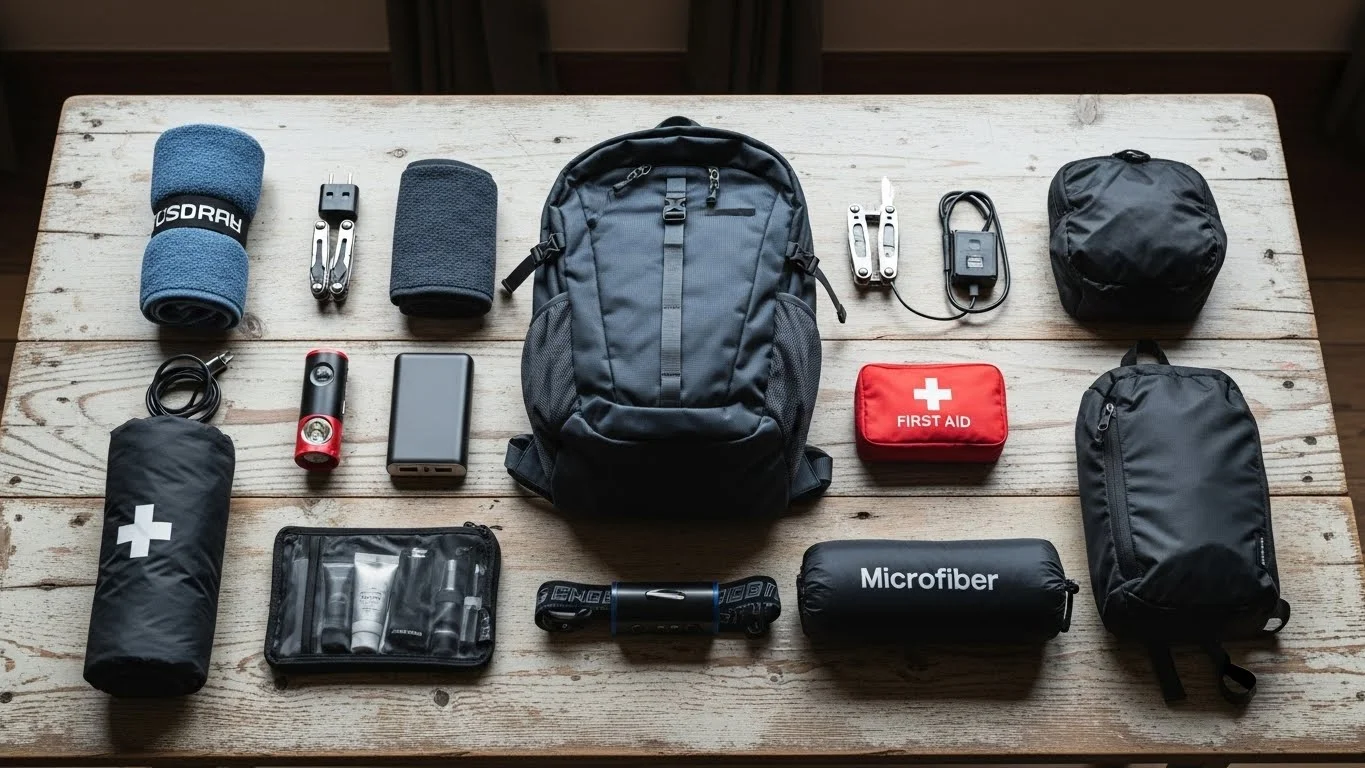
Understanding the Needs of Solo Budget Backpackers
The Importance of Packing Light
As a solo budget backpacker, I’ve learned that packing light is not just a suggestion—it’s a necessity. When you’re navigating through crowded buses or trains, carrying a heavy backpack can quickly become overwhelming. I remember my first solo trip, where I overpacked, and by the end of the journey, I was exhausted from lugging around my unwieldy bag. Since then, I’ve embraced the art of packing light. It allows for more freedom to explore and move around comfortably. I’ve found that with the right essentials, I can travel efficiently without sacrificing comfort or style.
Choosing a lightweight backpack is the first step. I suggest looking for one that’s made from durable materials yet lightweight itself. This way, you can carry everything you need without straining your back. I always aim for a backpack that fits within carry-on regulations, which also saves me money on checked baggage fees.
Common Challenges Faced by Solo Travelers
Traveling solo can be incredibly rewarding, but it comes with its own set of challenges. One major issue many solo backpackers face is safety. When you’re on your own, you have to be extra vigilant. I remember wandering through the streets of a new city, feeling a mix of excitement and anxiety. I learned quickly that staying aware of my surroundings is key. Also, having a plan for where to stay and how to get there helped ease my worries. Read Interesting article: Top Safety Tips for Solo Backpacking Adventures on a Budget
Another challenge is the potential for loneliness. While I love the independence of solo travel, I’ve had moments where I missed having someone to share experiences with. Making an effort to meet other travelers, whether in hostels or through local tours, can really help. I found that joining group activities often led to friendships that enriched my travel experience.
Budgeting can also be tricky. I remember my early trips where I underestimated costs and ended up stretching my savings too thin. Keeping track of spending can be a challenge, especially when you want to indulge in local cuisine or activities. To mitigate this, I always set a daily budget and stick to it, allowing a little flexibility for unexpected expenses.
Top 10 Packing Essentials for Solo Backpacking
1. Lightweight Backpack
As I mentioned earlier, a lightweight backpack is essential. It should have enough space for your gear but remain easy to carry. Look for adjustable straps and a padded back for comfort. I’ve found that a good backpack can make or break your travel experience.
2. Multi-Purpose Clothing
When it comes to clothing, I always pack items that can serve multiple purposes. I find that a pair of quick-drying pants can double as swimwear, and a lightweight, long-sleeved shirt can protect me from the sun during the day and keep me warm in the evenings. Layering is key! I often pack a light jacket that can be folded away easily. Choosing neutral colors also helps so that I can mix and match items without taking up too much space.
3. Portable Toiletries
I’ve learned that carrying portable toiletries can save both space and hassle. Instead of bringing full-sized bottles, I opt for travel-sized options or even solid toiletries, like shampoo bars. They are compact, eco-friendly, and last a long time. I also recommend packing a small, waterproof bag to keep everything organized and prevent leaks.
4. Travel-Sized First Aid Kit
Having a travel-sized first aid kit is something I never travel without now. It doesn’t have to be huge, just a few essentials like band-aids, antiseptic wipes, and any personal medications I might need. I once had a small cut that turned into an annoyance because I didn’t have the right supplies. Since then, I make sure to have a kit ready to go, and it gives me peace of mind.
5. Compact Sleeping Gear
Often, I find myself in hostels or budget accommodations. Investing in a compact sleeping bag liner can make a huge difference in comfort and hygiene. It’s lightweight and can keep you warm when needed. I also carry a travel pillow that can be stuffed into a small bag, ensuring a restful night’s sleep no matter where I end up.
6. Power Bank and Charging Cables
Staying connected is important, especially when traveling solo. A good power bank is a lifeline for keeping my phone charged for maps and communication. I’ve been in a few situations where my phone battery was running low, and I was grateful I had a power bank to prevent getting lost or unable to reach out for help.
7. Reusable Water Bottle
Staying hydrated is key while traveling. I always carry a reusable water bottle to save money and reduce plastic waste. Many places offer refill stations, and having my own bottle means I can stay hydrated without spending a fortune on bottled water. Plus, it’s better for the environment!
8. Travel Documents Organizer
I’ve experienced the panic of misplacing important documents. A travel documents organizer is a must for me now. I keep my passport, tickets, and any necessary paperwork in one place. This not only keeps me organized but also provides quick access whenever I need it. I feel much more secure knowing everything is in one spot.
9. Budget-Friendly Snacks
Sometimes, I find myself hungry while waiting for public transport or exploring a city. I always pack a few budget-friendly snacks like nuts, granola bars, or dried fruit. They help keep my energy up and save me from spending too much on food when I’m in a pinch. Plus, they’re perfect for long travel days!
10. Travel Insurance Information
Lastly, I always have my travel insurance details at hand. Accidents can happen anywhere, and knowing I have insurance gives me peace of mind. I keep a printed copy and a digital version on my phone. It’s a small step that makes a big difference in feeling secure while exploring the unknown.
Additional Tips for Packing Efficiently
Using Packing Cubes
Packing cubes have been a game-changer for me when it comes to organizing my backpack. When I first discovered them, I was skeptical, thinking they might just take up extra space. However, I quickly learned that they help me maximize every inch of my backpack. I use different colors for various items: one for clothing, another for toiletries, and a third for electronics. This way, when I arrive at my destination, I can easily find what I need without rummaging through my entire bag. Plus, they help compress my clothes, which allows me to fit more into my pack. I wholeheartedly recommend giving packing cubes a try; they can save you time and frustration during your travels.
Rolling vs. Folding Clothes
I used to fold my clothes neatly, thinking it would save space. But after trying rolling, I realized that rolling not only saves room but also reduces wrinkles. I remember packing for a trip to Southeast Asia when I rolled all my clothes and was amazed at how much I could fit into my backpack. Rolling also allows me to see everything at a glance because I can stack the rolls on top of each other. It’s a simple trick that I’ve incorporated into my packing routine, and it definitely makes unpacking at my destination much easier.
How to Choose the Right Backpack Size
Choosing the right size backpack is crucial for a solo budget traveler. I’ve made the mistake of getting a backpack that was either too big or too small. For a week-long trip, I find that a 40-50 liter backpack is ideal. It’s spacious enough to hold my essentials but not so big that it becomes cumbersome. When selecting a backpack, I recommend trying it on and walking around a bit to see how it feels. Look for adjustable straps, and make sure it fits snugly against your back. There’s nothing worse than being on the road with a backpack that feels awkward and heavy.
Safety Considerations for Solo Travelers
Keeping Valuables Secure
As a solo traveler, keeping my valuables secure is always at the forefront of my mind. I’ve learned a few tricks to safeguard my belongings. First, I invest in a theft-proof backpack that has lockable zippers and hidden compartments. It gives me peace of mind knowing that my passport, money, and electronics are secure. Additionally, I always keep a small, portable safe in my accommodations for extra security. On my last trip, I met a fellow traveler who suggested using a money belt. I was hesitant at first, but it turned out to be a great way to carry my cash and cards without drawing attention. I guess it’s all about finding what makes you feel comfortable and secure while exploring new places.
Staying Connected While Traveling
Staying connected while traveling is more important than I initially thought. Besides using my phone for navigation, I often find myself needing to check in with family or make reservations. Before I travel, I make sure to download offline maps and important apps so that I can access them without needing internet. I also look for accommodations that offer free Wi-Fi, which has been a lifesaver during my trips. I remember one evening in a remote area where my phone was my only link to the world. Having a portable hotspot saved me when I needed to reach out for assistance. It’s a good idea to have backup options, just in case you find yourself in an area with spotty service.
Budgeting for Your Solo Trip
How Packing Influences Your Overall Travel Budget
I’ve noticed that how I pack can significantly impact my overall travel budget. The more I bring, the more I tend to spend on baggage fees or transportation. For instance, when I traveled with just a carry-on, I saved a significant amount on both flight costs and convenience. I’ve also found that packing light encourages me to stick to more budget-friendly accommodations and transportation methods, since I’m not burdened by heavy bags. This approach allows me to experience more of what each destination has to offer without overspending. Read Interesting article: Explore the Best Budget Solo Travel Spots Worldwide
Tips for Saving Money on Gear
Investing in travel gear can be expensive, but I’ve learned a few ways to save money without sacrificing quality. First, I recommend buying gear during off-seasons or sales. I’ve picked up some great deals during Black Friday or end-of-summer sales. Additionally, I often check second-hand stores or online marketplaces for gently used gear. I once found a high-quality sleeping bag for a fraction of the price, and it served me well on several trips. Finally, I always do my research to find brands known for their durability and warranty options. Spending a bit more upfront can save money in the long run if the gear lasts longer.
Frequently Asked Questions
What is the most important aspect of packing for solo budget backpacking?
Packing light is crucial for solo budget backpackers as it enhances travel experience and allows for more freedom to explore without being burdened by heavy luggage.
What type of backpack is recommended for solo travelers?
A lightweight backpack that is durable and fits within carry-on regulations is recommended. It should have adjustable straps and a padded back for comfort.
How can solo travelers deal with safety concerns?
Solo travelers should stay vigilant and aware of their surroundings. Investing in a theft-proof backpack with lockable zippers and using a money belt can also help keep valuables secure.
What are some common challenges faced by solo travelers?
Common challenges include safety concerns, potential loneliness, and budgeting difficulties. Making an effort to meet other travelers and keeping track of spending can help address these issues.
What are the top packing essentials for solo backpacking?
The top packing essentials include a lightweight backpack, multi-purpose clothing, portable toiletries, a travel-sized first aid kit, compact sleeping gear, a power bank, a reusable water bottle, a travel documents organizer, budget-friendly snacks, and travel insurance information.
How can packing cubes improve the packing experience?
Packing cubes help organize the backpack by maximizing space and allowing travelers to find items easily. They also compress clothes, enabling more efficient packing.
What is the recommended method for packing clothes?
Rolling clothes is recommended over folding as it saves space, reduces wrinkles, and allows for better visibility of all items at a glance.
What should travelers consider when choosing the size of their backpack?
For a week-long trip, a 40-50 liter backpack is ideal. Travelers should try on the backpack and ensure it fits snugly against their back with adjustable straps for comfort.
How can travelers stay connected while on the road?
Travelers can stay connected by downloading offline maps and important apps before their trip, as well as looking for accommodations that offer free Wi-Fi and considering a portable hotspot for backup.
What are some tips for saving money on travel gear?
To save money on travel gear, buy during off-seasons or sales, check second-hand stores for gently used items, and research brands known for durability and warranty options.