
Exploring the vibrant world of sustainable cultural festivals opens up a unique blend of environmental consciousness and artistic expression. These events not only celebrate creativity but also prioritize the health of our planet. In addition to attending these festivals, you can also explore options for eco-tourism, such as Cultural Connections: Affordable Indigenous Eco-Tourism Trips.
Understanding Sustainable Cultural Festivals
Definition of Sustainable Festivals
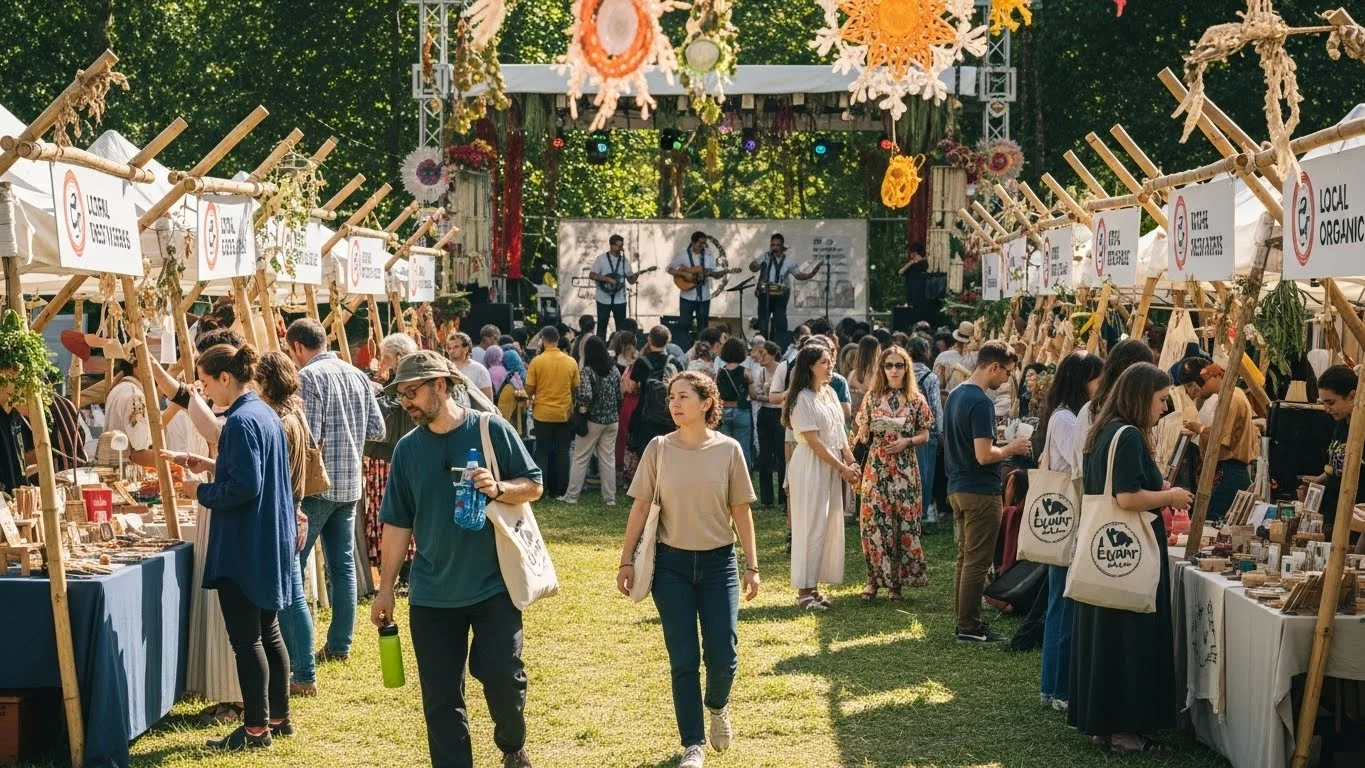
Sustainable cultural festivals are events designed to minimize their environmental impact while celebrating the arts, culture, and community. They aim to create a positive experience for attendees and the host community without depleting natural resources. From the way they are organized to the activities they promote, sustainable festivals focus on creating a balance between enjoyment and ecological responsibility. I’ve attended a few myself, and it’s amazing to see how creativity can harmonize with sustainability.
Importance of Sustainability in Cultural Events
I believe that cultural festivals play a pivotal role in shaping our communities, and making them sustainable is essential for their longevity. These events often attract large crowds, which can lead to significant waste and environmental degradation if not managed properly. By prioritizing sustainability, festivals can serve as powerful examples of how we can enjoy and celebrate culture without harming our planet. I’ve seen firsthand how these initiatives inspire attendees to adopt more sustainable practices in their own lives, as highlighted in Engage Locally: Top Tips for Sustainable Travel Adventures.
Key Principles of Sustainable Festivals
From my experience, the best sustainable festivals incorporate several key principles that guide their operation:
- Environmental Stewardship: This includes waste reduction, recycling programs, and using renewable energy sources. I remember attending a festival that provided compost bins alongside regular trash and recycling, making it so easy for everyone to participate in eco-friendly practices.
- Community Engagement: Sustainable festivals often involve local artists, vendors, and volunteers. This keeps the money circulating within the community and strengthens local ties. I always feel a deeper connection to a festival when I see familiar faces from the local area.
- Cultural Preservation: Many of these festivals celebrate and preserve local traditions and cultures, allowing attendees to learn and appreciate the heritage of the area. I find that participating in workshops or performances can be a beautiful way to connect with history.
- Accessibility: Ensuring that festivals are accessible to everyone is crucial. This includes providing options for people with disabilities, as well as affordable ticket pricing. I’ve noticed that when festivals make an effort to include everyone, the experience becomes richer and more diverse.
Criteria for Selection
Environmental Impact
When we think about attending a sustainable festival, the environmental impact should be our first consideration. Festivals that prioritize eco-friendly practices like waste reduction, carbon offsets, and the use of sustainable materials impress me the most. I’ve often seen events where artists and visitors are encouraged to bring reusable containers for water or food, which really makes a difference in reducing single-use plastics.
Community Involvement
The heart of any cultural festival is its community. Festivals that actively involve local talent and businesses create a richer experience for attendees. I remember feeling a sense of pride when I attended a festival that showcased local artisans and musicians. It felt great to support the community while enjoying incredible talent and creativity.
Cultural Significance
Each festival tells a story, and it’s important that the cultural significance is highlighted. I’ve found that festivals that celebrate unique traditions or promote cultural diversity are not only entertaining but also educational. They give us a chance to broaden our perspectives and embrace different ways of life. This cultural exchange is something that stays with me long after the event ends. For those interested in deepening their travel experiences, consider exploring Cultural Immersion: Your Guide to Sustainable Travel Adventures.
Accessibility and Inclusivity
Accessibility and inclusivity are vital. I’ve seen festivals that go the extra mile to ensure they are welcoming to all, from providing sign language interpreters to offering lower-cost tickets. It’s important that everyone can join in the fun, and festivals that prioritize inclusivity create a sense of belonging. I always feel more connected to events that invite everyone to experience their magic.
Top 10 Sustainable Cultural Festivals You Can’t Miss
1. Burning Man (USA)
Overview and History
Burning Man is one of the most iconic festivals in the world, held annually in the Nevada desert. It began in 1986 when a group of friends built a wooden effigy and burned it on Baker Beach in San Francisco. Over the years, it grew into a massive event that attracts tens of thousands of participants. The festival is not just about art and music; it’s a radical celebration of community and self-expression.
Sustainable Practices Implemented
What makes Burning Man stand out is its commitment to sustainability. They emphasize leave-no-trace principles, encouraging participants to pack out what they pack in. The festival promotes the use of renewable energy and has engaged in projects to address environmental concerns, such as using solar power for installations. I was inspired by how people created art out of found materials, demonstrating that creativity doesn’t have to come at the cost of the environment.
When to Attend
Burning Man takes place each year from the last Sunday in August to the first Monday in September. It’s a week of exploration, creativity, and community, so if you’re thinking about attending, prepare for an unforgettable adventure.
2. Glastonbury Festival (UK)
Overview and History
Glastonbury Festival is a legendary music festival held in Somerset, England. Founded in 1970, it has evolved into one of the largest and most well-known festivals globally. With a diverse lineup that includes everything from rock to electronic, Glastonbury offers something for everyone while embracing a strong sense of community.
Sustainable Practices Implemented
Glastonbury is seriously committed to sustainability. They have a green policy that includes initiatives like recycling, composting, and reducing single-use plastics. I’ve seen firsthand how they promote water refill stations and encourage attendees to use reusable cups. The festival also invests in renewable energy sources, which is truly inspiring.
When to Attend
Glastonbury typically takes place in late June. It’s wise to plan ahead, as tickets sell out quickly, but the experience is absolutely worth it.
3. Evolve Festival (Canada)
Overview and History
Evolve Festival is a unique gathering focused on music, arts, and environmental awareness, held in Nova Scotia, Canada. Launched in 2005, it brings together a blend of local and international artists while promoting sustainable living practices.
Sustainable Practices Implemented
This festival actively promotes eco-consciousness by using recycled materials for decorations and offering workshops on sustainability. I love how they integrate local food vendors who prioritize organic and sustainable ingredients, making it a delightful culinary experience as well.
When to Attend
Evolve Festival usually takes place in mid-June, just in time for summer. The atmosphere there is vibrant, and the community spirit is palpable.
4. WOMAD (Various Locations)
Overview and History
World of Music, Arts and Dance (WOMAD) is a festival founded by musician Peter Gabriel in 1980. It celebrates global music and arts, showcasing diverse talents from around the world. I’ve loved how each event offers a window into different cultures, making it both fun and educational.
Sustainable Practices Implemented
WOMAD is committed to sustainability by focusing on reducing waste, promoting local food vendors, and sourcing materials responsibly. They also encourage attendees to use public transport or carpool to the event, which resonates with my belief in reducing our carbon footprint.
When to Attend
WOMAD festivals are held at various times and locations throughout the year, including the UK, Australia, and New Zealand. It’s worth checking their calendar to find one near you.
5. The Great Escape (UK)
Overview and History
The Great Escape is an annual music festival held in Brighton, England, showcasing emerging artists from across the globe. Since its inception in 2006, it has become a launchpad for new talent, and the atmosphere is electric with creativity.
Sustainable Practices Implemented
This festival takes sustainability seriously by promoting green initiatives such as encouraging attendees to use public transport and offering reusable cups at bars. I admire how they engage local businesses and artists, creating a strong sense of community.
When to Attend
The Great Escape occurs every May, and it’s a fantastic opportunity to discover new music and support upcoming artists.
6. Shambhala Music Festival (Canada)
Overview and History
Shambhala Music Festival, held in British Columbia, Canada, is a magical gathering that blends electronic music and art in a stunning natural setting. Established in 1998, this festival has grown to become a hallmark of creativity and community.
Sustainable Practices Implemented
Shambhala emphasizes eco-friendly practices like waste reduction and composting. I was particularly impressed by how they promote carpooling and provide free public transportation options for attendees. Their commitment to protecting the surrounding wilderness is evident in every aspect of the festival.
When to Attend
This festival usually takes place in mid-August. If you decide to go, be prepared for an immersive experience that connects you with others who value sustainability and creativity.
7. Fête de la Musique (France)
Overview and History
Fête de la Musique, or World Music Day, is celebrated in France on June 21st, marking the summer solstice. It started in 1982 as a way to encourage amateur and professional musicians to perform in public spaces. Over the years, it has grown into a worldwide phenomenon, filled with music, joy, and community spirit.
Sustainable Practices Implemented
This festival promotes accessibility, allowing anyone to perform or participate. They often partner with local organizations to minimize waste and promote local artists. I love how it transforms cities into vibrant stages, showcasing talent while fostering community connections.
When to Attend
Mark your calendar for June 21st if you want to experience this magical celebration of music and community!
8. Festival of the Sun (Peru)
Overview and History
Festival of the Sun (Inti Raymi) is a traditional Incan celebration held in Cusco, Peru, every June. It pays homage to the sun god and is an important cultural event that showcases historical reenactments, music, dance, and local traditions.
Sustainable Practices Implemented
This festival not only focuses on cultural preservation but also emphasizes sustainable tourism practices. Efforts are made to engage local communities and promote eco-friendly tourism. I appreciate how it offers a way for visitors to engage with the culture while supporting local economies.
When to Attend
The Festival of the Sun occurs on June 24th each year. It’s an incredible opportunity to witness history and culture in action.
9. Sydney Festival (Australia)
Overview and History
Sydney Festival is one of Australia’s largest celebrations of arts and culture, featuring a mix of theater, music, visual arts, and dance. Founded in 1977, it brings together artists and audiences from around the world in the heart of Sydney.
Sustainable Practices Implemented
The festival promotes sustainability by providing reusable cups and encouraging public transport use. I’ve noticed how they also work with local artists and organizations to create environmentally friendly installations and performances. It’s wonderful to see such commitment to reducing their environmental impact.
When to Attend
Sydney Festival typically takes place in January. It’s a fantastic time to visit Australia and immerse yourself in a vibrant arts scene.
10. Ecofest (USA)
Overview and History
Ecofest is a grassroots festival that celebrates environmental awareness and sustainability. Held in various locations across the United States, it features local vendors, workshops, and activities focused on eco-friendly living.
Sustainable Practices Implemented
Ecofest is committed to reducing waste, promoting green initiatives, and educating attendees about sustainable practices. I’ve attended a few of these festivals, and it’s refreshing to see how they foster community engagement and inspire people to take action for the environment.
When to Attend
Ecofest events are hosted throughout the year, so it’s worth checking their website for upcoming festivals in your area.
What to Expect at Sustainable Festivals
Types of Activities and Entertainment
One of the most exciting aspects of attending sustainable festivals is the variety of activities and entertainment they offer. From my experience, you can expect a rich tapestry of performances, including music, dance, theater, and visual arts. I remember being mesmerized by a local dance troupe that infused traditional movements with contemporary styles at one festival. It was a beautiful representation of cultural fusion, and the energy was infectious. Many festivals also feature art installations made from recycled materials, showcasing the creativity of artists who prioritize sustainability. It’s inspiring to see how these festivals use entertainment not just to amuse but to convey powerful messages about environmental awareness.
Local Food and Beverage Options
Food is a huge part of any festival experience, and sustainable festivals often shine when it comes to what’s on the menu. I’ve been thrilled to find a plethora of local food stalls offering organic, seasonal, and ethically sourced options. At one festival, I tried a delicious farm-to-table meal made from ingredients sourced from nearby farms. It really hit home for me how much better food tastes when it’s fresh and locally grown. Plus, many festivals now focus on reducing waste by encouraging vendors to use compostable or reusable serving materials. I’ve even seen initiatives where festival-goers can bring their own containers for takeout, which I think fosters a more sustainable mindset. It’s a delicious way to support local farmers and reduce our carbon footprint!
Workshops and Educational Opportunities
Another enriching aspect of sustainable festivals is the plethora of workshops and educational sessions they often provide. I’ve attended workshops on everything from zero-waste living to renewable energy solutions, and each one provided practical tips that I could incorporate into my daily life. These sessions not only educate but also empower attendees to make a positive change. During one festival, I participated in a hands-on workshop where we learned how to create biodegradable planters from newspaper. It was super fun, and I left feeling inspired to start my own little garden. These opportunities make festivals not just a place for entertainment but also a hub for learning and growing as individuals and communities.
Volunteer and Community Engagement
Volunteering at a sustainable festival can offer a unique perspective and deepen your connection to the event. I’ve found that many festivals rely heavily on local volunteers, and being part of that community effort can be incredibly rewarding. Whether it’s helping set up, managing waste stations, or guiding attendees, volunteering allows you to engage directly with the festival’s mission. I remember volunteering at a festival where we created a “green team” focused on minimizing waste. The camaraderie among volunteers was uplifting, and we shared a commitment to the cause that made the experience even more meaningful. Plus, volunteering can often provide you with free or discounted access to the festival, which is a nice perk!
Travel Tips for Attending Sustainable Festivals
Planning Your Trip
When it comes to attending a sustainable festival, planning is key. I always make it a point to research the festival’s sustainability practices before I go. This helps me align my travel choices with the festival’s ethos. For instance, I try to book accommodations that prioritize eco-friendly practices, such as using renewable energy or supporting local communities. I’ve learned that planning a trip around public transportation options can also be beneficial, not just for reducing my carbon footprint, but also for immersing myself in local culture along the way.
Accommodations: Eco-friendly Options
Finding eco-friendly accommodations can enhance your festival experience while ensuring you’re minimizing your environmental impact. I’ve had great success using platforms that specialize in sustainable lodging. From eco-lodges to glamping options, there are plenty of choices that focus on sustainability. During one festival, I stayed in a charming little cabin that was solar-powered and made from reclaimed wood. Not only was it cozy, but it also made me feel good knowing I was supporting a business that values the environment.
Transportation: Reducing Your Carbon Footprint
Transportation plays a significant role in our overall carbon footprint, especially when traveling to festivals. I’ve found that carpooling with friends or using public transport can be an effective way to reduce emissions. Many festivals also provide shuttle services that run from nearby cities or towns, which I think is an excellent way to encourage attendees to leave their cars behind. On one trip, my friends and I took a train to a festival, and it was such a fun adventure! We got to relax, chat, and enjoy the scenery without the stress of driving.
What to Pack for a Sustainable Festival
Packing wisely for a sustainable festival can make a huge difference in your experience. I always bring a reusable water bottle, utensils, and a cloth bag for any purchases I might make. It’s also smart to pack layers, as many festivals are outdoors and the weather can change quickly. I like to include eco-friendly sunscreen and biodegradable toiletries to minimize my impact on the environment. One time, I even packed a portable solar charger to keep my devices powered up without relying on traditional electricity sources. It felt great to know I was being mindful of my consumption while also staying connected.
Frequently Asked Questions
What is a sustainable cultural festival?
A sustainable cultural festival is an event designed to minimize environmental impact while celebrating the arts, culture, and community. These festivals focus on creating a balance between enjoyment and ecological responsibility.
Why is sustainability important in cultural events?
Sustainability is crucial for cultural events because they often attract large crowds, which can lead to significant waste and environmental degradation. By prioritizing sustainability, festivals can serve as examples of how to enjoy and celebrate culture without harming the planet.
What are some key principles of sustainable festivals?
Key principles of sustainable festivals include environmental stewardship, community engagement, cultural preservation, and accessibility. These principles guide the operation of the festivals, ensuring they are eco-friendly and inclusive.
What criteria should be considered when selecting a sustainable festival to attend?
When selecting a sustainable festival, consider its environmental impact, community involvement, cultural significance, and accessibility. These factors contribute to the overall experience and sustainability of the event.
Can you name some examples of sustainable cultural festivals?
Some examples of sustainable cultural festivals include Burning Man (USA), Glastonbury Festival (UK), Evolve Festival (Canada), WOMAD (various locations), The Great Escape (UK), Shambhala Music Festival (Canada), Fête de la Musique (France), Festival of the Sun (Peru), Sydney Festival (Australia), and Ecofest (USA).
What types of activities can be expected at sustainable festivals?
Sustainable festivals typically offer a variety of activities, including music, dance, theater, visual arts, workshops, and art installations made from recycled materials. These activities often convey messages about environmental awareness.
What food options are commonly available at sustainable festivals?
Food options at sustainable festivals often include local, organic, and ethically sourced meals. Many festivals encourage vendors to use compostable or reusable materials, promoting a sustainable dining experience.
How can attendees engage with the community at sustainable festivals?
Attendees can engage with the community by volunteering at the festival, participating in local workshops, and supporting local artisans and vendors. This involvement fosters a sense of belonging and connection to the event.
What travel tips are recommended for attending a sustainable festival?
Recommended travel tips include researching the festival’s sustainability practices, booking eco-friendly accommodations, using public transport or carpooling to reduce carbon footprint, and packing reusable items like water bottles and utensils.
What should attendees pack for a sustainable festival?
Attendees should pack a reusable water bottle, utensils, a cloth bag, layers for varying weather, eco-friendly sunscreen, biodegradable toiletries, and any other items that align with sustainable practices, such as a portable solar charger.