
As a backpacker, capturing those unforgettable moments on a budget can be a challenge. Luckily, there are plenty of affordable cameras that fit perfectly into our travel plans while delivering excellent photo quality. If you’re also looking to save on accommodations, check out How to Score Affordable Hostels: Tips for Budget Travelers.
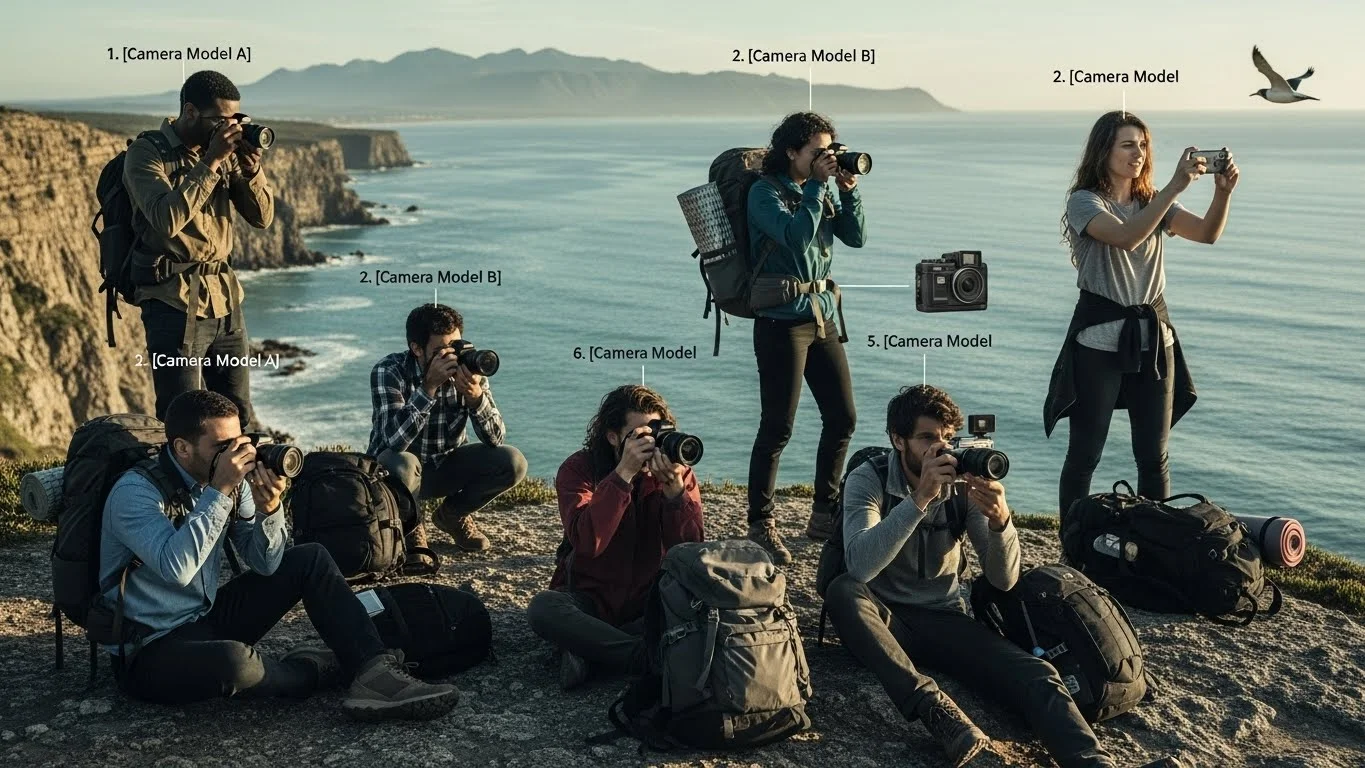
Understanding the Needs of Budget Backpackers
When we think about backpacking, several factors come to mind: mobility, affordability, and the desire to capture beautiful memories. As budget backpackers, I believe we often find ourselves torn between getting a reliable camera and staying within our tight budgets. Understanding our unique needs is essential when selecting a camera that can keep up with our adventures.
Importance of Compact and Lightweight Cameras
One of the most significant aspects of backpacking is the weight of our gear. I remember my first backpacking trip when I packed way more than I needed. Let me tell you, hiking with a heavy bag was not fun! That experience taught me the importance of choosing compact and lightweight equipment. A camera that is easy to carry and doesn’t take up too much space in my bag is a priority. It’s the difference between enjoying my trip and being bogged down by unnecessary weight. I’ve found that compact cameras are often perfect for capturing spontaneous moments without the hassle of a bulky setup.
Durability and Weather Resistance
Backpacking can take us to some incredible places, but it can also expose our gear to the elements. I learned the hard way during a hike in the rain when my camera got soaked, and I lost precious photos. Now, I always look for cameras that are durable and have some level of weather resistance. Whether it’s dust, humidity, or a sudden rainstorm, knowing my camera can withstand the conditions gives me peace of mind. I want to focus on my adventure, not on worrying about my equipment!
Image Quality vs. Price
As budget-conscious travelers, I know we often struggle with the balance between image quality and price. I’ve come to realize that just because a camera is affordable doesn’t mean it can’t take stunning photos. I’ve seen many budget models that produce amazing results, especially if you’re willing to learn some basics of photography. I always recommend doing a bit of research and reading reviews to find a camera that offers good quality at a price that won’t break the bank. Investing in a camera that performs well can make all the difference in how we remember our adventures.
Key Features to Look for in Affordable Cameras
When searching for the perfect camera for our travels, there are a few key features I always consider. It’s essential to focus on what will benefit our specific needs as we explore new destinations.
Resolution and Sensor Size
Resolution plays a significant role in the clarity of our photos. I’ve found that cameras with at least 16 megapixels typically deliver good enough quality for most travel situations. The sensor size also matters; larger sensors usually capture better images, especially in low light. I remember experimenting with different cameras, and the ones with bigger sensors always produced sharper, more vibrant images.
Lens Versatility and Zoom Capabilities
Having versatile lens options can be a game-changer. I love being able to switch between wide-angle shots for landscapes and zooming in for those detailed close-ups. Cameras with interchangeable lenses give us the flexibility to adapt to different situations. If you’re like me and enjoy taking a variety of shots, then having good zoom capabilities is essential too. It allows us to capture those far-off mountain peaks or wildlife without getting too close! If you’re interested in wildlife photography, don’t miss out on Affordable Wildlife Photography Adventures You Can’t Miss.
Battery Life and Storage Options
During my trips, I’ve learned the hard way that battery life is crucial. I can’t tell you how many times I’ve been out in the field, capturing beautiful moments, only to find my camera battery dying. I recommend looking for cameras that offer long battery life and consider bringing a spare battery just in case. Additionally, having ample storage options is vital. I always carry an extra memory card or two, just in case I end up taking more pictures than I planned!
Connectivity Features (Wi-Fi, Bluetooth)
In this digital age, connectivity features can enhance our travel experience. I love being able to transfer photos directly to my phone or share them on social media while I’m still on the road. Many affordable cameras now come with Wi-Fi or Bluetooth capabilities, which makes it easy to back up our images or send them to friends and family. It’s a nice way to stay connected and share our adventures in real-time.
Top 5 Affordable Cameras for Budget Backpackers
Camera 1: Canon PowerShot G7 X Mark III
Key Specifications
The Canon PowerShot G7 X Mark III is a compact camera that offers impressive photo quality and functionality. With a 20.1-megapixel sensor and a 1-inch type sensor, it excels in low-light situations. It has a fast f/1.8-2.8 lens and can shoot 4K video, making it a versatile option for travelers. Its lightweight design, at just 10.5 ounces, fits perfectly in my backpack without adding extra weight.
Pros and Cons
What I love about this camera is its ability to produce sharp images with vibrant colors, even in challenging conditions. It also has a great touchscreen for easy navigation. However, the battery life could be better, so I recommend carrying a spare battery when you’re out exploring. The price can be a bit steep for some, but I think the quality justifies the investment.
Best Use Cases
This camera shines for those who want high-quality photos without the hassle of bulky gear. It’s perfect for capturing landscapes, street photography, or action shots. If you’re planning to create vlogs or share videos on social media, the 4K video feature is a real bonus!
Camera 2: Sony Alpha a6000
Key Specifications
The Sony Alpha a6000 is a mirrorless camera that boasts a 24.3-megapixel APS-C sensor, which is fantastic for producing detailed images. It’s lightweight and compact, making it an excellent choice for backpackers. With fast autofocus and continuous shooting up to 11 frames per second, I’ve found it to be quite responsive, even in dynamic environments.
Pros and Cons
I appreciate the image quality and the variety of lens options you can choose from with this camera. However, the menu interface can be a bit tricky to navigate at first, which might be a downside for beginners. Also, while the body is compact, lenses can add some weight, so it’s essential to choose wisely.
Best Use Cases
This camera is ideal for those wanting to capture high-quality images of their adventures, whether it’s hiking, wildlife photography, or urban exploration. It’s versatile enough for different types of photography, so if you’re serious about improving your skills, this could be the camera for you.
Camera 3: Fujifilm X-T200
Key Specifications
The Fujifilm X-T200 is another excellent choice for budget backpackers, featuring a 24.2-megapixel APS-C sensor and a sleek, retro design. It has an electronic viewfinder and a fully articulating touchscreen, which I find incredibly useful for composing shots from various angles. It also offers 4K video capabilities, which is a nice touch for those wanting to capture their travels on film.
Pros and Cons
One of the things I love about the X-T200 is its lightweight body and stylish looks; it’s a camera that stands out! The film simulation modes allow for creative photography without needing extensive editing. However, it can be somewhat limited in low-light performance compared to some other options, so I make sure to plan my shots accordingly.
Best Use Cases
This camera is perfect for travelers who appreciate aesthetics and want to capture vivid images with a unique style. Whether you’re photographing a bustling market or tranquil landscapes, the X-T200 delivers quality and creativity.
Camera 4: Nikon Coolpix B500
Key Specifications
The Nikon Coolpix B500 is a budget-friendly point-and-shoot camera featuring a 16-megapixel sensor and a 40x optical zoom lens. It’s designed for ease of use, making it ideal for those who want to point and shoot without worrying about settings. The camera also supports Wi-Fi and Bluetooth for easy photo sharing.
Pros and Cons
I find the zoom capabilities to be impressive for its price, allowing me to capture distant subjects without needing to get too close. However, it lacks the manual controls that some photographers might desire, which can limit creative options. Additionally, the image quality may not match that of a mirrorless camera, but for casual use, it’s more than sufficient.
Best Use Cases
This camera is great for travelers who prefer simplicity and flexibility. If you’re visiting tourist hotspots or want to capture family moments on the go, the B500 is a hassle-free option that delivers solid results.
Camera 5: Olympus Tough TG-6
Key Specifications
If you’re an adventurous soul who loves to dive or hike in rugged terrains, the Olympus Tough TG-6 is a fantastic choice. It features a 12-megapixel sensor, is waterproof up to 50 feet, and is shockproof, crushproof, and freezeproof, making it one of the most durable cameras on the market.
Pros and Cons
I can’t stress enough how much I appreciate the toughness of this camera. It gives me the freedom to capture underwater shots or take it on rough hikes without fear of damage. However, the lower megapixel count means it may not produce images as detailed as others on this list. It’s also a bit bulkier than other compact cameras, but the trade-off is worth it for those who need a rugged option.
Best Use Cases
The TG-6 is perfect for adventure travelers who engage in activities like snorkeling, hiking, or skiing. If your adventures lead you off the beaten path, this camera can withstand whatever nature throws at it while still capturing high-quality images.
Comparison of the Top 5 Affordable Cameras
Price Range Comparison
When I started my search for the perfect camera, I quickly realized that price can vary significantly between different models. I think it’s essential to know what kind of budget we’re working with before diving in. Looking at the top five cameras I’ve shared, here’s a snapshot of their price ranges:
- Canon PowerShot G7 X Mark III: Typically ranges from $600 to $700.
- Sony Alpha a6000: Generally falls between $500 and $600.
- Fujifilm X-T200: Priced around $600 to $700.
- Nikon Coolpix B500: A much more budget-friendly option, usually around $300.
- Olympus Tough TG-6: Sells for approximately $400 to $450.
From my experience, it’s important to consider not just the upfront cost, but also the long-term value each camera offers. Higher-priced models often come with better durability and image quality. On the other hand, budget options can be fantastic for casual users who just want to capture memories without the extra bells and whistles.
Feature Comparison Table
To make it easier to compare these cameras, I created a simple feature comparison table. This has helped me visualize the strengths and weaknesses of each option, and I hope it does the same for you:
| Camera | Megapixels | Zoom | Weight | Video Quality |
|---|---|---|---|---|
| Canon PowerShot G7 X Mark III | 20.1 | 4x | 10.5 oz | 4K |
| Sony Alpha a6000 | 24.3 | Interchangeable | 12.1 oz | 1080p |
| Fujifilm X-T200 | 24.2 | Interchangeable | 13.5 oz | 4K |
| Nikon Coolpix B500 | 16 | 40x | 18.2 oz | 1080p |
| Olympus Tough TG-6 | 12 | 4x | 6.9 oz | 4K |
This table has been a lifesaver for me when comparing cameras quickly. I can see at a glance which features stand out and which cameras might not fit my needs as well. For instance, if I need something lightweight for trekking, the Olympus Tough TG-6 is appealing, but if I’m looking for versatility, I might lean toward the Sony Alpha a6000.
Tips for Choosing the Right Camera for Your Travels
Assessing Your Photography Needs
Before purchasing a camera, it’s vital to assess what you really need. I’ve learned to ask myself a few questions that help clarify my priorities. Are you more into landscapes, where wide-angle lenses are key? Or do you prefer street photography, which might require a different setup? I remember when I first started, I didn’t think about my shooting style, and I ended up with a camera that didn’t suit my needs. Now, I take time to reflect on what I want to capture during my trips.
Testing Cameras Before Purchase
If possible, I recommend testing cameras in-store before making a decision. Handling a camera helps me understand its weight, controls, and overall feel. I remember visiting a local camera shop and spending an afternoon trying out different models. It was enlightening! I found that some cameras felt more natural in my hands, while others felt clunky. Plus, getting a sense of the menu system can help avoid frustration later. If you can’t visit a store, watching video reviews can give you a good sense of how a camera performs in real life.
Considering Future Upgrades
Finally, I think it’s wise to consider the future. As our photography skills improve, we might want to upgrade our gear. I’ve made the mistake of buying a camera that didn’t offer the option for interchangeable lenses or additional features. It’s essential to think about how a camera fits into your long-term photography journey. Look for models with a good range of accessories and lenses, so you can expand your setup as you grow.
With these tips in mind, I believe we can make more informed choices that will not only fit our current travel needs but also grow with us as our photography skills develop. For more travel inspiration, check out the Ultimate Guide to Affordable Solo Travel Itineraries.
Budgeting for Your Camera Purchase
Setting a Realistic Budget
One of the first things I learned about buying a camera is the importance of setting a realistic budget. I remember being excited about the prospect of getting the perfect camera, but then I realized that if I didn’t plan ahead, I could easily overspend. I typically recommend determining how much you’re willing to spend before you start shopping. This way, you can focus on models that fit within your budget and avoid falling in love with something that’s out of reach. Whether it’s $300 or $700, knowing your limit can help guide your choices and keep you grounded.
Where to Buy: Online vs. Local Stores
When it comes to making a purchase, I’ve found that there are pros and cons to both online and local stores. I love the convenience of online shopping, especially since I can compare prices across multiple platforms quickly. I’ve snagged some great deals on websites like Amazon or B&H Photo. However, I also enjoy visiting local camera shops. There’s something special about holding a camera in my hands, feeling its weight, and getting a sense of its controls. Plus, local shops often have knowledgeable staff who can offer valuable insights. I suggest weighing both options and choosing what feels right for you.
Additional Costs: Accessories and Insurance
It’s crucial to consider that the price of a camera isn’t the only expense we might encounter. I remember being caught off guard by the costs of accessories like extra batteries, memory cards, and even a sturdy camera bag. I’ve invested in a good camera strap to prevent dropping my camera during hikes, and I think it’s worth it. Additionally, if you’re heading on a long trip or plan to use your camera extensively, consider looking into insurance or warranty options. It can give you peace of mind knowing that your investment is protected against accidental damage or theft.
Final Thoughts
As I reflect on my journey as a budget backpacker, I appreciate how choosing the right camera can significantly impact our travel experiences. The ability to capture beautiful moments, whether it’s a stunning landscape or a candid smile, is incredibly rewarding. By understanding our needs, setting a budget, and researching affordable options, we can find a camera that not only fits our lifestyle but also allows us to create lasting memories. Remember, it’s not just about the camera; it’s about the stories we tell and the adventures we share through our photographs. So grab your backpack, choose your camera wisely, and let the world become your canvas!
Frequently Asked Questions
What should budget backpackers consider when choosing a camera?
Budget backpackers should consider factors such as mobility, affordability, durability, weather resistance, image quality, and the specific features that meet their travel needs.
Why is it important to have a compact and lightweight camera?
A compact and lightweight camera is essential for backpackers because it makes it easier to carry during hikes and travels, allowing for spontaneous photo opportunities without being bogged down by heavy equipment.
How can weather resistance impact camera choice for backpackers?
Weather resistance is crucial for backpackers because it ensures that the camera can withstand exposure to elements like dust, humidity, and rain, allowing travelers to focus on their adventures without worrying about gear damage.
What resolution is recommended for travel cameras?
Cameras with at least 16 megapixels are typically recommended for travel situations, as they generally deliver good enough quality for most photography needs.
What features should backpackers look for in affordable cameras?
Backpackers should look for features such as resolution and sensor size, lens versatility and zoom capabilities, battery life, storage options, and connectivity features like Wi-Fi or Bluetooth for easy photo sharing.
What are some recommended affordable cameras for budget backpackers?
Some recommended affordable cameras for budget backpackers include the Canon PowerShot G7 X Mark III, Sony Alpha a6000, Fujifilm X-T200, Nikon Coolpix B500, and Olympus Tough TG-6.
How does price affect the durability and image quality of a camera?
Higher-priced camera models often come with better durability and image quality, while budget options can be sufficient for casual users who just want to capture memories without advanced features.
Why is battery life important for travel cameras?
Battery life is important because it ensures that the camera remains operational during trips, allowing backpackers to capture moments without the inconvenience of a dying battery in the field.
What should backpackers do before purchasing a camera?
Backpackers should assess their photography needs, test cameras in-store if possible, and consider future upgrades to ensure the chosen camera fits their long-term photography journey.
What additional costs should backpackers consider when buying a camera?
Backpackers should consider additional costs for accessories like extra batteries, memory cards, camera bags, and possibly insurance or warranties to protect their investment.