
For nature lovers like us, wildlife safaris are the ultimate adventure! They offer a unique chance to connect with animals in their natural habitats without breaking the bank. Let’s dive into the amazing world of affordable wildlife safaris!
Understanding Wildlife Safaris
What is a Wildlife Safari?
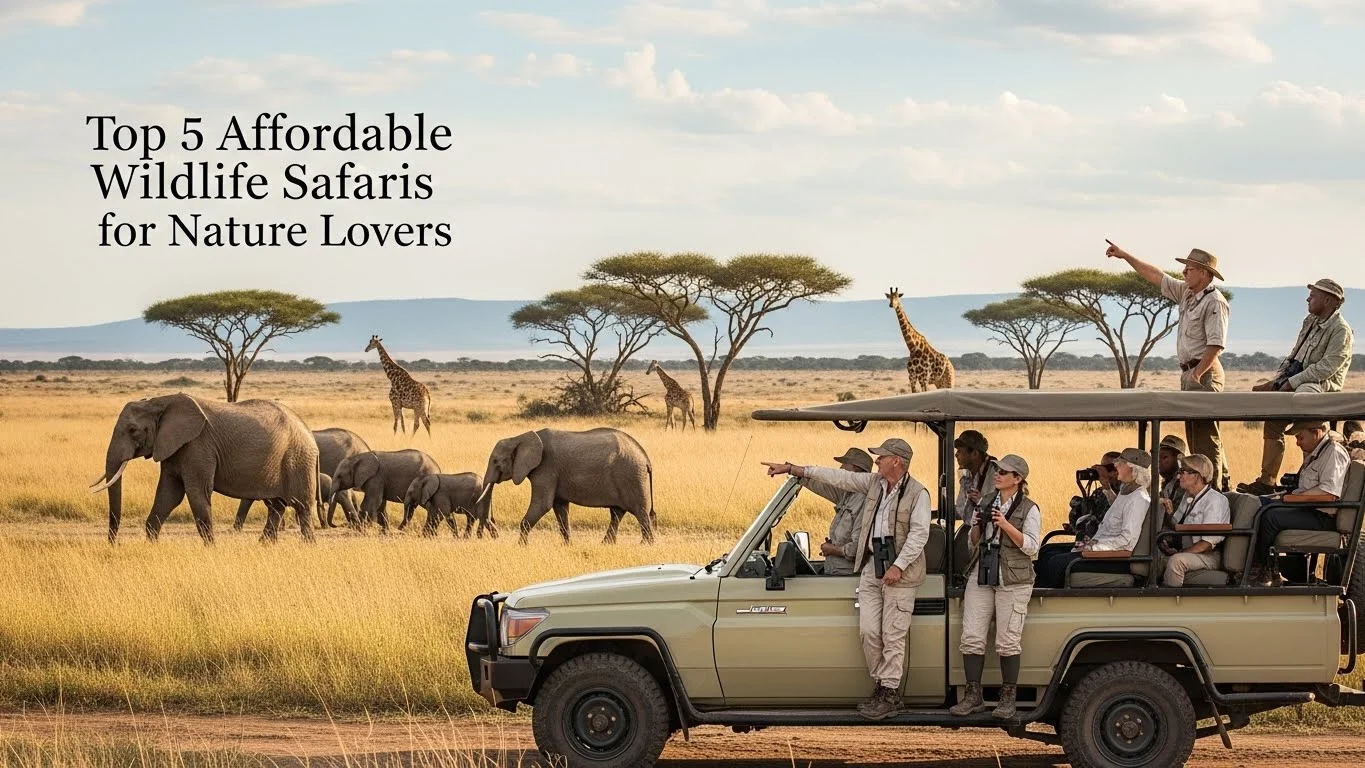
When I think of a wildlife safari, I imagine vast landscapes, the sound of nature, and the thrill of spotting animals in their own environment. A wildlife safari is essentially an expedition to observe animals in the wild. This experience can range from a day trip to an extended journey through national parks. It’s an opportunity to witness the beauty of nature up close, and for many of us, it becomes a life-changing adventure. I remember my first safari; the rush of seeing elephants in the wild was unforgettable!
Types of Wildlife Safaris
There are several types of wildlife safaris, each offering a unique perspective on the natural world. I’ve had the pleasure of experiencing a few, and I can tell you that each one has its charm. Here are some popular types:
- Game Drives: These are usually conducted in open vehicles, allowing for great visibility and comfort. I love the excitement of being in an open jeep, searching for wildlife.
- Walking Safaris: For those who want a more immersive experience, walking safaris allow you to explore the landscape on foot. The feeling of being so close to nature is exhilarating.
- Boat Safaris: These take you through rivers and lakes, providing a different view of wildlife. I found it quite peaceful to glide quietly along a river, watching hippos and crocodiles.
- Camping Safaris: If you’re looking for an authentic experience, camping under the stars can be magical. It’s a chance to connect with nature intimately.
Importance of Wildlife Conservation
As much as I adore wildlife safaris, I’ve come to understand the critical role of wildlife conservation. These safaris help fund conservation efforts, protecting the habitats and species that we love to see. By participating in these experiences, we contribute to the preservation of wildlife. It’s about more than just witnessing animals; it’s about ensuring their survival for future generations. From my experience, when we support sustainable tourism, we can help maintain the delicate balance between humans and wildlife. Affordable wildlife conservation tours are a great way to combine adventure with a purpose.
Top 5 Affordable Wildlife Safaris
1. Maasai Mara, Kenya
Overview of Maasai Mara
Ah, Maasai Mara! This place holds a special spot in my heart. Known for its stunning landscapes and rich wildlife, the Maasai Mara is a must-visit. I was mesmerized by its rolling savannahs and the iconic acacia trees. It’s famous for the Great Migration, where millions of wildebeest and zebras travel in search of greener pastures. The sight is something that every nature lover should experience at least once!
Best Time to Visit
The best time to visit Maasai Mara is between July and October. During these months, the Great Migration occurs, bringing an explosion of wildlife to the area. I remember visiting during this time and being in awe of the sheer number of animals around. It’s like nature’s grand spectacle!
Wildlife to See
In Maasai Mara, you can see the Big Five: lions, leopards, elephants, buffaloes, and rhinoceros. My favorite moment was watching a lion pride lounge under a tree, oblivious to our presence. Besides the Big Five, you can also spot cheetahs, hyenas, and countless bird species, making it a paradise for wildlife enthusiasts.
Affordable Safari Options
For those on a budget, there are plenty of affordable safari options in Maasai Mara. I found that joining group tours significantly cuts down costs. Many local operators offer budget camping safaris, where you can experience the wilderness without spending a fortune. Additionally, choosing to visit during the shoulder seasons can help you save on accommodation and safari costs, while still offering great wildlife viewing opportunities. Read Interesting article: Explore Budget Wildlife Safaris for Eco-Conscious Travelers
2. Serengeti National Park, Tanzania
Overview of Serengeti
Serengeti National Park is another iconic destination that I absolutely adore. It’s renowned for its vast ecosystems and abundance of wildlife. The park stretches over 5,700 square miles, and each corner reveals something new. My first visit left me awestruck; the immense beauty is hard to put into words!
Best Time to Visit
Similar to Maasai Mara, the best time to visit Serengeti is during the Great Migration. From January to March, you can see the wildebeest calving, and from June to September, the herds move north. Each season offers a unique experience, and I’ve found that planning around these migrations can lead to some magical encounters.
Wildlife to See
Serengeti is home to an incredible array of wildlife. In addition to the Big Five, you can spot giraffes, hippos, and cheetahs. I’ll never forget the moment I saw a cheetah sprinting after its prey—it was a mix of thrill and awe. The birdlife is also exceptional; I always bring my binoculars to catch a glimpse of the stunning avian species.
Affordable Safari Options
Budget travelers can find affordable safari options in Serengeti by staying in nearby towns like Arusha and taking day trips into the park. Camping safaris are also popular, providing an excellent way to experience the park’s beauty without splurging. Make sure to shop around and compare prices before committing; I had the best deals when I did a bit of research!
3. Kruger National Park, South Africa
Overview of Kruger National Park
Kruger National Park is one of the most famous wildlife destinations in South Africa, and for good reason. Stretching over 7,500 square miles, it’s a treasure trove of biodiversity. I remember my first trip there; the park is so expansive that it feels like you’re in a completely different world. The landscapes vary from dense bush to open savannahs, making each drive a new adventure. What struck me the most was the sheer number of animals you can see in one day!
Best Time to Visit
The best time to visit Kruger is during the dry winter months from May to September. I found that, during this time, the animals congregate around water sources, making it easier to spot them. The weather is also milder, which makes for a more comfortable experience. I remember one particular morning, the crisp air was refreshing as we set out for an early game drive, and the excitement in the air was palpable.
Wildlife to See
Kruger National Park boasts an incredible array of wildlife. The Big Five are present, but beyond that, I was amazed by the number of different species I encountered. From majestic elephants to elusive leopards, and even the smaller creatures like the adorable meerkats, there’s so much to see. One evening, I was lucky enough to witness a pride of lions on the hunt, and it was one of the most thrilling moments of my life. Don’t forget to keep an eye out for the park’s vibrant birdlife too; I always bring my camera just in case!
Affordable Safari Options
Traveling on a budget in Kruger is definitely doable. There are several self-drive options available, which I highly recommend. This way, you can explore at your own pace without the added costs of a guide. The park also has a variety of camps that offer affordable accommodation. When I visited, I opted for a basic bungalow at one of the rest camps, and it provided a perfect base for my adventures. Additionally, consider visiting during the shoulder season to find better deals on lodging and activities!
4. Chobe National Park, Botswana
Overview of Chobe National Park
Chobe National Park is a hidden gem that often gets overshadowed by its more famous neighbors, but it holds a special place in my heart. Known for its large elephant population, the park offers a unique blend of landscapes, from savannahs to riverfronts. I still vividly remember the sight of elephants bathing in the Chobe River; it felt like a scene straight out of a nature documentary!
Best Time to Visit
The dry season from May to October is the best time to visit Chobe. During these months, wildlife congregates around the river, making it easier to observe them. I recall visiting during this time and being amazed at how many animals we could see from the riverbank. The sunsets over the river were equally breathtaking, creating unforgettable moments.
Wildlife to See
Chobe is famous for its elephants, and I can confirm that seeing them up close is a must! But the park is home to so much more. From lions and leopards to hippos and crocodiles, the diverse wildlife keeps you on your toes. I once had an exhilarating experience watching a herd of buffalo cross the river while being stalked by a pride of lions. The drama of nature unfolds right before your eyes!
Affordable Safari Options
For budget-conscious travelers, Chobe offers great options. I found that staying in nearby towns like Kasane and joining day tours into the park can save a significant amount of money. There are also camping options available within the park for those who want to immerse themselves in nature. One tip I learned is to book your safari activities in advance; this can often lead to discounts when you plan ahead!
5. Etosha National Park, Namibia
Overview of Etosha National Park
Etosha National Park is a unique and breathtaking destination that I absolutely fell in love with. The park is known for its massive salt pan, which creates a striking contrast against the surrounding savannah. I was captivated by the stark beauty of the landscape, which feels almost otherworldly. The diverse habitats support an amazing array of wildlife, and each visit brings something new.
Best Time to Visit
The dry season from May to October is the best time to visit Etosha. During this period, the waterholes attract a plethora of animals, and I remember spending hours parked at a waterhole, watching as various species came and went. It was thrilling to see everything from giraffes to springboks quenching their thirst. The weather is also pleasant, making it a perfect time for exploring.
Wildlife to See
Etosha is home to a wide variety of wildlife, including the elusive black rhino, which I was fortunate enough to spot during my visit. The park also features a rich birdlife, with over 340 species recorded. I was particularly excited to see the magnificent ostrich and the vibrant lilac-breasted roller. The thrill of encountering animals is a key part of the safari experience, and Etosha never disappoints!
Affordable Safari Options
Traveling in Etosha can be budget-friendly. I found that self-driving is a fantastic way to explore the park without breaking the bank. The park has well-maintained roads and several campsites. I opted for a mix of camping and staying in basic lodges, which helped me enjoy the best of both worlds. Plus, being able to set out on my own schedule was a huge bonus!
Planning Your Safari
When to Go: Seasonal Considerations
Planning a wildlife safari involves some careful thought about when to go. I’ve learned that timing can significantly affect your experience. Each destination has its own peak seasons, which often coincide with animal migration patterns and weather conditions. For example, I remember planning my trip to Maasai Mara during the Great Migration, and it was simply breathtaking to see thousands of wildebeest cross the plains. However, traveling during the off-peak season can provide a more serene experience with fewer tourists, which is something I appreciate. In my opinion, visiting during shoulder seasons not only saved me money on accommodations but also allowed for more intimate wildlife encounters. It’s all about finding that sweet spot that balances cost, wildlife visibility, and personal preference!
What to Pack for a Wildlife Safari
Packing for a safari can be a bit of an art. I’ve made the mistake of overpacking in the past, only to find out that some items were unnecessary. I recommend bringing lightweight, breathable clothing in neutral colors—this helps keep you comfortable and not too conspicuous to the animals. A good pair of binoculars is essential for spotting wildlife from a distance, and I can’t stress enough the importance of a reliable camera; you’ll want to capture those unforgettable moments! Don’t forget sunscreen and a hat to protect yourself from the sun while out in the field. In my experience, a small daypack to carry snacks, water, and essentials makes for a much more enjoyable safari outing. Oh, and a good pair of walking shoes is crucial, especially if you plan on going on walking safaris!
Safety Tips for Safari Goers
Safety is paramount on any wildlife safari, and there are a few tips I’ve picked up along the way that I believe every safari-goer should know. First and foremost, always listen to your guide. They have extensive knowledge about the animals and the environment, and their guidance ensures your safety. I remember one time, while on a walking safari, our guide emphasized staying quiet and calm to avoid startling the wildlife. It was a nerve-wracking but thrilling experience! Another tip is to stay in the vehicle during game drives unless instructed otherwise. Animals can be unpredictable, and observing them from the safe confines of your vehicle is the best way to experience their beauty up close. Lastly, remain aware of your surroundings—be it the weather, local wildlife, or even other safari-goers. It’s all part of the adventure!
Budgeting for Your Safari Adventure
Budgeting for a wildlife safari can feel overwhelming, but I’ve found that it helps to break it down into different categories. First, consider the costs of transportation. Whether you’re flying into a major city and driving to the park or joining a guided tour, that can take a hefty chunk of your budget. I always recommend looking for package deals that include transportation, accommodation, and meals. Then, think about accommodations. As I mentioned before, camping or staying in basic lodges can be much more affordable than luxury lodges, and they often provide a more immersive experience. Don’t forget to set aside funds for park entrance fees and any guided tours you might want to take; these can vary widely in price. In my case, I found that planning ahead and researching options online saved me a lot of money. It’s all about prioritizing what experiences you want and finding ways to make them happen without breaking the bank!
Final Thoughts
Reflecting on my wildlife safari experiences, I can say that these adventures are not just about seeing animals; they are about connecting with the earth and understanding our place within nature. Every safari I’ve been on has taught me something new—about wildlife, ecosystems, and even about myself. I remember one particular moment in the Serengeti, where I sat quietly during a sunset, surrounded by the sounds of nature. It struck me how important it is to preserve these incredible environments for future generations.
Planning a wildlife safari can seem daunting, but it doesn’t have to be. With careful research and preparation, we can find the right destination and experience that fits our budget and interests. I’ve learned that the best adventures often come from a little flexibility and an open mind. Whether you’re camping under the stars or taking a guided tour, the thrill of witnessing wildlife in its natural habitat is something truly special. I encourage everyone to embrace the joys of nature, as it can foster a deeper appreciation for our planet.
As you plan your safari, remember to take your time. Each destination has unique offerings and experiences that can leave lasting impressions. Don’t hesitate to immerse yourself fully in the surroundings, whether it’s through a walking safari or simply sitting quietly and observing. I’ve found that the moments of stillness often yield the most extraordinary memories.
In the end, our wildlife safaris are a blend of adventure, education, and connection. They challenge us to consider our role in conservation and inspire us to advocate for the wonderful creatures we share this planet with. I hope that you find the same joy and wonder that I have on your own safari journey. So grab your binoculars, pack your bags, and get ready for an unforgettable adventure in the wild!
Frequently Asked Questions
What is a wildlife safari?
A wildlife safari is an expedition to observe animals in their natural habitats, ranging from a day trip to extended journeys through national parks. It offers a chance to witness the beauty of nature up close and is often described as a life-changing adventure.
What are the different types of wildlife safaris?
There are several types of wildlife safaris including game drives, walking safaris, boat safaris, and camping safaris. Each type offers a unique perspective on the natural world, from the comfort of an open vehicle to the immersive experience of walking through the landscape.
How do wildlife safaris contribute to conservation efforts?
Wildlife safaris help fund conservation efforts, protecting the habitats and species that are vital for wildlife preservation. By participating in these experiences, travelers contribute to the sustainability of wildlife and their environments.
When is the best time to visit Maasai Mara?
The best time to visit Maasai Mara is between July and October, during the Great Migration when millions of wildebeest and zebras travel through the area, offering spectacular wildlife viewing opportunities.
What kind of wildlife can be seen in Serengeti National Park?
Serengeti National Park is home to an incredible array of wildlife, including the Big Five (lions, leopards, elephants, buffaloes, and rhinoceros), as well as giraffes, hippos, and a rich variety of bird species.
What are some affordable safari options in Kruger National Park?
Budget travelers can explore Kruger National Park through self-drive options, which allow for exploration at one’s own pace. The park also offers various camps for affordable accommodation, and visiting during the shoulder season can provide better deals on lodging and activities.
What is Chobe National Park known for?
Chobe National Park is known for its large elephant population and diverse landscapes, including savannahs and riverfronts. It offers excellent wildlife viewing opportunities, particularly during the dry season when animals congregate around the river.
What wildlife can be seen in Etosha National Park?
Etosha National Park is home to a wide variety of wildlife, including the elusive black rhino, as well as over 340 bird species. Visitors can also see animals like giraffes and springboks at the park’s waterholes.
What should I pack for a wildlife safari?
When packing for a wildlife safari, it’s recommended to bring lightweight, breathable clothing in neutral colors, binoculars for wildlife spotting, a reliable camera, sunscreen, a hat, and a good pair of walking shoes. A small daypack for snacks and essentials is also helpful.
How can I budget for a wildlife safari?
Budgeting for a wildlife safari involves considering transportation costs, accommodation options (like camping or basic lodges), park entrance fees, and potential guided tours. Researching options and looking for package deals can help save money and prioritize experiences.