
Planning an adventure doesn’t have to break the bank. With the right budget backpack, you can explore the great outdoors without sacrificing quality or comfort. Let’s dive into the essentials of finding the perfect pack for your backpacking journey. Read Interesting article: Ultimate Guide to Budget Backpacking Adventure Hotspots
Understanding Budget Backpacks
What is a Budget Backpack?
When I first started backpacking, I was overwhelmed by the options available. What defines a budget backpack? Essentially, it’s a pack that offers decent quality and functionality without the hefty price tag usually associated with high-end brands. Typically, budget backpacks range from $50 to $150, making them accessible for everyone. They may not include all the bells and whistles, but they get the job done for casual hikers and serious adventurers alike.
Benefits of Using Budget Backpacks for Backpacking
From my experience, choosing a budget backpack can be a game-changer. Here are a few benefits I’ve discovered:
- Affordability: Budget backpacks allow you to save money, which is perfect when you’re planning multiple trips or want to invest in other gear.
- Lightweight Options: Many budget backpacks are designed to be lightweight, making them easier to carry on long hikes.
- Functionality: Even budget options come with essential features like hydration reservoirs, multiple compartments, and adjustable straps.
- Perfect for Beginners: If you’re just dipping your toes into the backpacking world, a budget backpack is a great way to start without a huge commitment.
Key Features to Look for in a Budget Backpack
While shopping for a budget backpack, I learned that not all packs are created equal. Here are some key features I always consider:
- Capacity: Think about how much gear you’ll need to carry. I usually prefer backpacks in the 20-50 liter range for overnight trips.
- Comfort: Look for padded shoulder straps and a supportive back panel. I often test the fit by wearing the pack for a few minutes in the store.
- Durability: Check the material. Nylon and polyester are popular for their strength and water resistance.
- Storage Options: I appreciate having multiple compartments for organization. Side pockets for water bottles and front pockets for snacks are crucial.
- Weight: Keeping the pack lightweight has always been a priority for me, especially for longer hikes.
While I’ve come across some packs that are affordable but lack durability, finding one that balances cost and quality can lead to a rewarding backpacking experience.
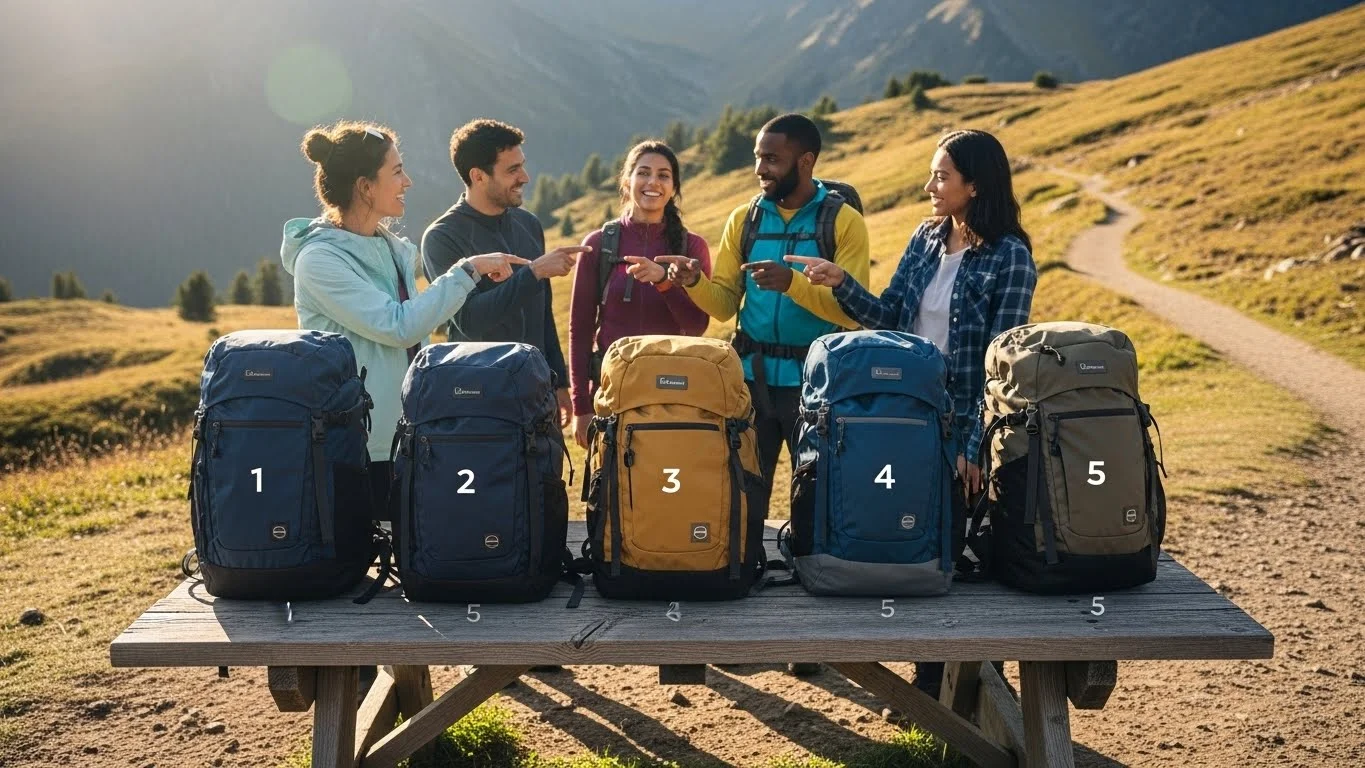
Top 5 Budget Backpacks for Backpacking Adventures
1. Osprey Daylite Plus
Overview and Key Features
The Osprey Daylite Plus has become one of my go-to backpacks for day hikes and weekend getaways. With a capacity of 20 liters, it’s compact yet surprisingly spacious, allowing me to pack all my essentials. It features a hydration reservoir sleeve, multiple pockets, and a comfortable fit that I appreciate on long treks.
Pros and Cons
Pros:
- Lightweight and versatile
- Good organization
- Comfortable fit
Cons:
- Limited capacity for longer trips
- Basic design without extra features
Ideal User Profile
This backpack is perfect for casual hikers or anyone looking for a reliable day pack. If you’re like me and enjoy short trips or need a secondary pack for travel, the Osprey Daylite Plus is a solid choice.
2. REI Co-op Flash 22
Overview and Key Features
The REI Co-op Flash 22 is another favorite of mine, especially for its minimalist design. With a 22-liter capacity, it’s lightweight and easily packable. It features a large main compartment and a front stash pocket, making it super easy to access my gear on the go.
Pros and Cons
Pros:
- Ultra-lightweight
- Great for minimalists
- Affordable price point
Cons:
- May lack padding for heavier loads
- Limited additional features
Ideal User Profile
This pack suits lightweight backpackers or those who prefer to travel light. If you’re planning short hikes or daily adventures, the REI Co-op Flash 22 is a fantastic option.
3. Deuter Speed Lite 20
Overview and Key Features
The Deuter Speed Lite 20 is one I often recommend. It’s designed for speed, which I appreciate on those long, challenging hikes. It comes with a 20-liter capacity and has a streamlined design that reduces weight while maintaining durability.
Pros and Cons
Pros:
- Durable and lightweight
- Comfortable fit with adjustable straps
- Multiple pockets for organization
Cons:
- Less padding than some competitors
- Not suitable for overnight trips
Ideal User Profile
If you’re an active hiker who enjoys speed and efficiency, the Deuter Speed Lite 20 will meet your needs perfectly.
4. Patagonia Black Hole Pack 25L
Overview and Key Features
Patagonia is known for its quality, and the Black Hole Pack 25L is no exception. It’s made with durable materials that can withstand the elements. I love the 25-liter capacity as it strikes a nice balance between being compact and spacious.
Pros and Cons
Pros:
- Highly durable materials
- Water-resistant
- Stylish design
Cons:
- Heavier than other budget options
- Higher price point
Ideal User Profile
This backpack is ideal for those who prioritize durability and want a stylish backpack that can handle various conditions. If you’re like me and often find yourself in unpredictable weather, this pack is a solid investment.
5. Kelty Redwing 50
Overview and Key Features
The Kelty Redwing 50 is a fantastic option for those who need a bit more space. With a 50-liter capacity, it’s perfect for weekend trips. I appreciate the top-loading design, which allows for easy packing and access to my gear.
Pros and Cons
Pros:
- Spacious and versatile
- Comfortable suspension system
- Great for overnight trips
Cons:
- Heavier compared to day packs
- May be too large for short hikes
Ideal User Profile
If you’re an avid backpacker planning longer trips, the Kelty Redwing 50 will provide the space and comfort you need without breaking the bank.
Comparative Analysis of the Top Budget Backpacks
Price Comparison
When I first started looking for a budget backpack, I quickly realized that price can vary significantly among different brands and models. For me, it was essential to find a good balance between price and features. The Osprey Daylite Plus, for instance, typically retails around $70, making it a solid entry point without feeling like I was skimping on quality. In contrast, the Kelty Redwing 50, which is perfect for longer trips, might set you back around $140. I found that while I wanted to save as much as possible, it was worth investing a bit more in a backpack that could serve my needs for years to come.
Weight and Capacity
Weight and capacity are two critical factors I always consider when choosing a backpack. The REI Co-op Flash 22 is incredibly lightweight at just over a pound, which is fantastic for day hikes. However, its capacity is limited to 22 liters, which might not work for everyone. On the other hand, the Kelty Redwing 50 offers a generous 50-liter capacity but weighs more, especially when packed. From my experience, I’ve learned that the best backpack for me is one that balances weight and capacity, allowing me to carry everything I need without feeling weighed down.
Durability and Materials
Durability is another aspect I pay close attention to. I’ve had my share of backpacks that fell apart after a few trips, and that’s something I wanted to avoid. The Patagonia Black Hole Pack 25L impresses me with its high-quality, durable materials that can withstand rugged conditions. In contrast, the Deuter Speed Lite 20, while lightweight, may not withstand as much wear and tear. I often think about the environments I’ll be in when choosing a backpack. For instance, if I’m headed somewhere with unpredictable weather, I’ll lean towards packs made from water-resistant materials.
Comfort and Fit
Comfort is paramount for me, especially on long hikes. I remember my first backpacking trip where I underestimated the importance of a good fit. I ended up with sore shoulders and a painful back. Now, I always prioritize testing a backpack’s comfort before purchasing. The Osprey Daylite Plus, for example, has a fantastic fit with its padded shoulder straps and adjustable harness, which I found crucial for long days on the trail. In contrast, my experience with the Kelty Redwing 50 showed me that while spacious, it can get uncomfortable if the load isn’t distributed properly. I recommend trying on a few backpacks to see which ones feel best for you.
How to Choose the Right Backpack for Your Adventure
Assessing Your Backpacking Needs
Before diving into purchasing a backpack, I’ve learned the importance of assessing my specific needs. Are you going on a day hike, or do you plan to spend a weekend in the wilderness? For day hikes, a smaller pack like the REI Co-op Flash 22 works perfectly for me. However, for longer trips, I need something like the Kelty Redwing 50 to accommodate more gear. I find it helpful to write down the types of trips I plan to take, as it gives me a clearer idea of what capacity and features I’ll need in a backpack.
Testing for Comfort and Fit
Once I’ve narrowed down my options, I always try them on. I remember the first time I walked into an outdoor store with the intention of finding my perfect backpack. I spent a good hour trying on different packs, adjusting the straps, and even walking around the store to see how they felt. I recommend bringing some weight to the store—like a water bottle or a few books—to simulate how the pack will feel on a hike. A comfortable fit can make all the difference, especially if you’re planning on being out for several hours.
Understanding Volume and Size Requirements
Understanding volume and size requirements is crucial for ensuring that you have enough space for your gear without overpacking. For shorter trips, I usually stick with a 20-30 liter pack, while for multi-day adventures, I opt for something larger, typically around 50 liters. I’ve found that sizing can also depend on the type of gear I’m bringing, like a sleeping bag or tent. It’s a good idea to think about the items you’ll carry most frequently and choose a backpack that accommodates them comfortably.
Backpacking Tips for Budget Travelers
Planning Your Trip on a Budget
Planning a backpacking trip on a budget is definitely a challenge, but I’ve picked up a few tips along the way. First, I always scout for free or low-cost camping sites. Websites like Freecampsites.net have been invaluable for me in finding great spots that don’t cost a dime. Additionally, I keep an eye out for local hiking groups that often organize free or low-cost trips. It’s a fantastic way to explore new areas while saving money. Read Interesting article: Avoid Travel Scams: Essential Tips for Budget Backpackers
Essential Gear for Budget Backpacking
Aside from a reliable backpack, I’ve learned that having the right gear is key to a successful trip. I tend to prioritize essentials like a good sleeping bag, a lightweight tent, and a portable stove. I also recommend checking out second-hand stores or online marketplaces for gently used gear. You’d be surprised at the quality of items you can find at a fraction of the original price. In my experience, having quality gear doesn’t have to mean spending a fortune.
Finding Affordable Accommodations
When it comes to accommodations, I’ve found that being resourceful can save a lot of money. I often use apps like Couchsurfing or Airbnb for budget-friendly options. If I’m in a popular area, I look for hostels which can be a fun way to meet fellow travelers and share tips. Additionally, I’ve discovered that some national parks offer affordable lodging for those who plan ahead. It’s always worth checking for any deals or discounts, especially during the off-peak season.
FAQs About Budget Backpacks
What is the difference between budget and high-end backpacks?
When I first started exploring the world of backpacks, I found myself wondering what really sets budget backpacks apart from those high-end options. From my experience, the primary difference lies in the materials and features. High-end backpacks often use more advanced materials that enhance durability, water resistance, and weight management. They might include additional features like enhanced suspension systems, more pockets, or unique ergonomic designs that can significantly affect comfort on long hikes. Budget backpacks, on the other hand, are built to provide essential functionality at an accessible price. They may not have all the bells and whistles, but they still do an admirable job for casual or beginner backpackers like myself.
Are budget backpacks durable enough for long trips?
I completely understand the concern about durability when considering a budget backpack for longer trips. In my own adventures, I’ve found that many budget backpacks can indeed handle long journeys, provided you choose wisely. For example, I’ve used the Kelty Redwing 50 on several weekend trips, and it held up surprisingly well despite its lower price point. It’s important to look for backpacks made from robust materials like nylon or polyester, as they tend to have better resistance against wear and tear. However, I would recommend being mindful of how you pack and treat your backpack. If you take care of it—by not overloading it and keeping it away from sharp objects—you can extend its lifespan significantly.
How do I maintain my budget backpack?
Maintaining my budget backpack has always been a priority, especially since I want to ensure it lasts through multiple adventures. Here are some tips I’ve picked up along the way:
- Regular Cleaning: I usually clean my backpack after every few trips. A simple wipe with a damp cloth can remove dirt and grime. For deeper cleans, I hand wash it with mild soap and water, avoiding harsh detergents that can break down the materials.
- Drying: After cleaning, I let it air dry completely before storing it. I learned the hard way that leaving it damp can lead to mold and unpleasant odors.
- Storage: When I’m not using my backpack, I make sure to store it in a cool, dry place away from direct sunlight. Avoiding heavy pressure on the pack while it’s stored also helps maintain its shape and integrity.
- Inspect Regularly: Before each trip, I check for any signs of wear, like fraying straps or loose seams. I’ve found that catching small issues early can prevent bigger problems down the road.
By following these maintenance tips, I’ve been able to extend the lifespan of my budget backpack and keep it ready for my next adventure.
Final Thoughts
As I reflect on my journey through the world of backpacking, I realize how important it is to choose the right gear without breaking the bank. Budget backpacks have not only enabled me to explore breathtaking landscapes but have also taught me valuable lessons about prioritizing needs and making informed choices. I believe that with the right approach, anyone can enjoy the thrill of backpacking, regardless of their budget.
Finding a budget backpack that fits your needs can feel daunting, but it’s all about understanding what you value most in your adventures. Whether you’re a weekend warrior or a casual day hiker, I’ve seen firsthand how the right pack can enhance your experience. It’s not merely about the price tag; it’s about the memories you create and the paths you tread. I’ve had incredible moments on the trail with my budget-friendly packs, and I wouldn’t trade those experiences for anything.
In my opinion, the heart of backpacking lies not in expensive gear, but in the spirit of adventure. I encourage you to embrace the journey, explore local trails, and take the time to connect with nature. The world is full of stunning sights, and with a reliable budget backpack, you can access all of them without financial strain. So, pack your essentials, lace up your boots, and let your curiosity guide you. The trail awaits, and who knows what unforgettable experiences lie just around the bend! Read Interesting article: Essential Solo Travel Safety Tips for Budget Backpackers