
Exploring the world through a spiritual lens can be both enriching and affordable. If you’re a budget backpacker seeking meaningful journeys, these Christian pilgrimages offer the perfect blend of faith, adventure, and cost-effectiveness.
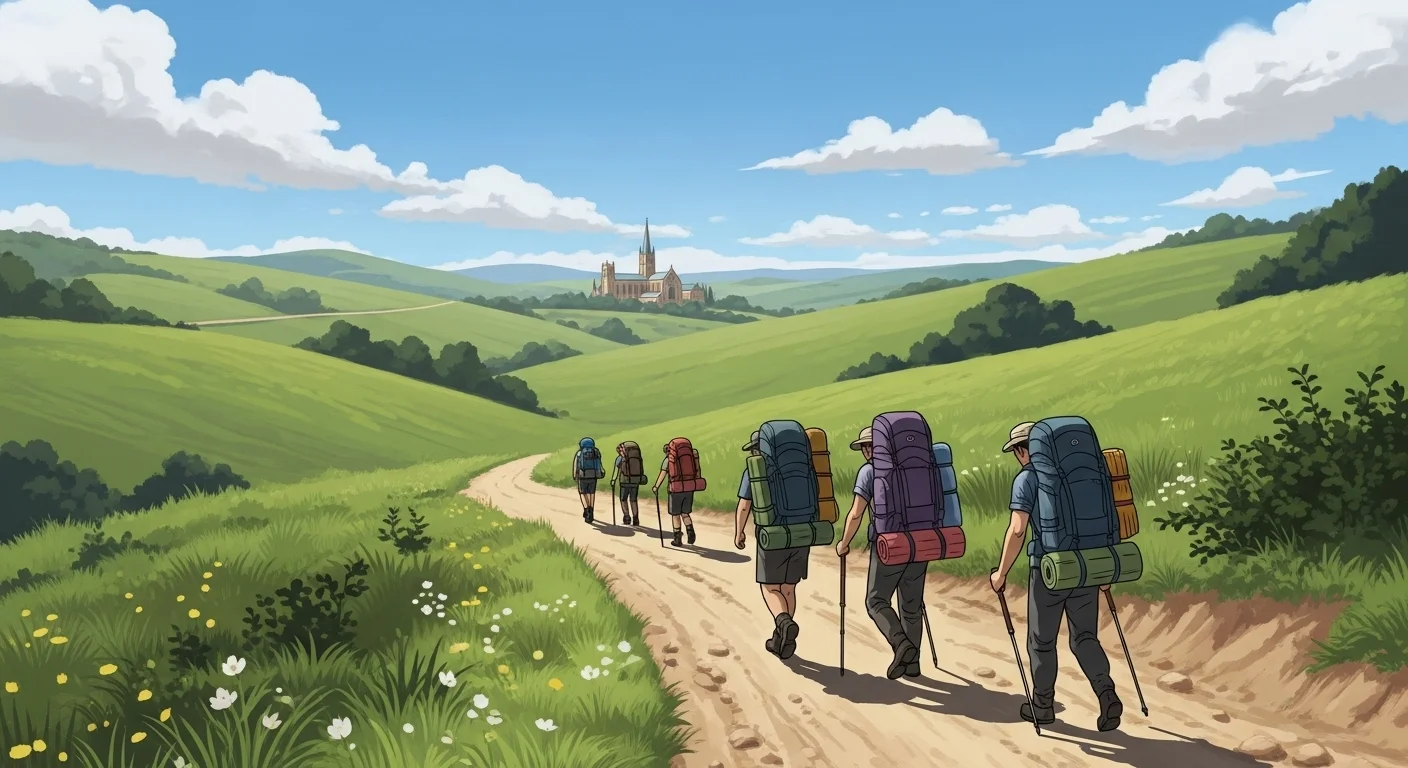
Overview of Christian Pilgrimages
Definition and Purpose of Pilgrimages
When I first heard about pilgrimages, I was intrigued. I learned that these journeys aren’t just about visiting sacred places; they hold deep personal and spiritual significance. A pilgrimage is defined as a journey to a holy site, often undertaken as an act of devotion. For many, including myself, these travels serve as a way to reconnect with faith, seek inner peace, or even search for life’s answers. Pilgrimages can be transformative experiences, offering not just a physical journey but also a profound spiritual adventure.
The Spiritual Journey of Pilgrims
Every pilgrim walks their own path, both literally and metaphorically. I’ve found that the journey is often as important as the destination. Along the way, you encounter breathtaking landscapes, meet diverse people, and reflect on personal beliefs. There’s something special about setting out on foot, feeling the earth beneath your feet, and embracing the rhythm of your surroundings. Each step brings new insights, and I often discover that the challenges faced along the way lead to the greatest growth. Whether it’s through prayer, meditation, or simple reflection, the spiritual journey becomes a vital part of the pilgrimage experience.
Top 5 Budget-Friendly Christian Pilgrimages
1. Camino de Santiago, Spain
Overview and Historical Significance
The Camino de Santiago, or the Way of St. James, is one of the most famous pilgrimages in the world. For centuries, people have walked this route, believing it leads to the burial site of St. James the Apostle. I was captivated by its rich history and the stories of those who have walked before me. The trail winds through beautiful landscapes, quaint villages, and bustling towns, making every step a new adventure. It’s not just a walk; it’s a journey through culture, history, and spirituality.
Best Routes for Budget Backpackers
As a budget traveler, I recommend the Camino Frances, which starts in St. Jean Pied de Port, France. This route is well-marked and offers numerous amenities. If you’re short on time, the last 100 kilometers from Sarria to Santiago are also popular and manageable for all fitness levels. Each route provides a unique experience, and I found myself enjoying the company of fellow pilgrims, sharing stories and laughter along the way.
Accommodation Options
One of the best parts of the Camino is the wide array of accommodation options. Albergues, or hostels, are prevalent and often cost around 10-15 euros per night. I loved the communal atmosphere they provided, where I could connect with other travelers. Booking a bed in advance can be a smart move, especially during peak season. Additionally, I discovered many private guesthouses and budget hotels that offer a comfortable stay for a bit more.
Food and Local Cuisine
Food on the Camino is not only affordable but also delicious. I remember stopping in local cafes for a “Pilgrim’s Menu,” which typically includes a hearty meal for about 10 euros. Trying regional specialties like pulpo a la gallega (octopus) and local wines added another layer to my experience. I often packed snacks like bread and cheese from local markets to save money while on the trail.
Tips for Budget Travelers
To save even more, I recommend walking with a group. Not only can you share accommodation costs, but you can also split meals. Always have a refillable water bottle and snacks to avoid frequent stops. Most importantly, take your time to enjoy the journey; rushing can lead to exhaustion and missed experiences.
2. The Pilgrimage to Lourdes, France
Overview and Religious Importance
Lourdes is a place of healing and spiritual renewal, famous for the apparitions of the Virgin Mary to Saint Bernadette in 1858. I found the atmosphere here to be incredibly uplifting, filled with hope and faith. Many pilgrims visit Lourdes seeking miracles or solace, and the experience is deeply moving.
Best Time to Visit
The best time to visit Lourdes is during the spring and fall when the weather is pleasant and the crowds are smaller. I experienced a quieter pilgrimage in May, allowing for more personal reflection and connection with fellow pilgrims.
Affordable Accommodation and Food
Accommodation in Lourdes ranges from budget hotels to hostels. I found several options priced around 20-30 euros per night. Dining is also affordable; cafes offer a range of options, and many places have meal deals for pilgrims. Eating local dishes like confit de canard (duck confit) was a delightful treat without breaking the bank.
Free Activities and Attractions
The Sanctuary of Our Lady of Lourdes is free to explore, and I spent hours wandering its beautiful grounds. The grotto where Bernadette saw the Virgin Mary is breathtaking. I also enjoyed participating in the nightly candlelight processions, which were free and incredibly moving. These experiences added depth to my pilgrimage without costing a thing.
Travel Tips for Backpackers
Pack light and wear comfortable shoes; you’ll be doing a lot of walking. I also recommend bringing a small backpack for day trips to nearby sites. Engaging with local volunteers and fellow pilgrims can enhance the experience, so don’t hesitate to strike up a conversation.
3. The Holy Land: Israel and Palestine
Key Destinations to Visit
The Holy Land is a dream destination for many pilgrims, and I can see why. Places like Jerusalem, Bethlehem, and Nazareth hold profound significance for Christians. Walking the streets of Jerusalem, I felt a deep connection to the history and faith that shaped the world. The Western Wall, the Church of the Holy Sepulchre, and the Mount of Olives were some highlights that resonated with me. In Bethlehem, visiting the Church of the Nativity was particularly moving—it was surreal to stand where it all began. I also loved exploring the serene beauty of the Sea of Galilee, where I could almost hear the stories of Jesus walking on water. Each site tells a story, and I felt truly blessed to be part of this sacred journey.
Cost-Effective Travel Options
Traveling through Israel and Palestine can be budget-friendly if you plan wisely. I found that using public transportation, like buses and shared taxis called ‘sheruts,’ was both economical and efficient. The bus system is well-connected, and I often made friends with locals and fellow travelers during my rides. For instance, taking a bus from Jerusalem to Bethlehem was not only affordable but also an opportunity to see the landscapes outside the city. Additionally, I discovered that many tour companies offer group rates for visits to key sites, which can help lower costs further.
Budget Accommodation Options
Finding a place to stay that fits your budget is definitely possible in the Holy Land. I remember staying in hostels and guesthouses that charged around $20-$40 per night. Some of these accommodations even offered communal kitchens, which helped me save on meals. In Jerusalem, I found a lovely hostel in the Old City that gave me the chance to meet other pilgrims and share experiences, which added so much to my journey. Booking in advance, especially during high seasons, can secure you better rates.
Local Food Experiences
Food is an essential part of any travel experience, and the Holy Land did not disappoint. I loved trying local dishes like falafel, shawarma, and hummus, which were not only delicious but also quite affordable. Street food vendors offered a variety of options, and I enjoyed dining in local markets where I could savor freshly made meals. One of my favorite memories was sharing a meal with fellow pilgrims at a small eatery in Jerusalem, exchanging stories over a plate of warm pita bread and flavorful dips.
Safety and Travel Tips
Safety is always a priority for me when traveling, especially in regions with complex histories like the Holy Land. I found that staying aware of my surroundings and following local advice made a significant difference. It’s essential to respect local customs and regulations. I also learned that dressing modestly, particularly when visiting religious sites, is a sign of respect. Keeping my travel documents secure and having a local SIM card for navigation helped me feel more at ease. Connecting with other travelers for tips and advice can also provide valuable insights into navigating the area safely.
4. Assisi, Italy
Historical and Spiritual Background
Assisi is a gem in Italy, known for its deep ties to Saint Francis. I felt the spirituality in the air as I wandered through the cobbled streets. The Basilica of San Francesco, with its stunning frescoes, left me in awe. Exploring the town brought me closer to the life and teachings of Saint Francis, who is known for his love of nature and commitment to humility. Walking through the quiet hills surrounding Assisi, I found moments of peace and reflection, truly embodying the essence of a pilgrimage.
Best Budget Accommodation
In Assisi, I discovered several budget-friendly accommodations that fit perfectly within my travel plan. Many hostels and guesthouses offered rates between 25-50 euros per night. I stayed at a charming family-run guesthouse that provided a cozy atmosphere and a lovely breakfast. Booking ahead of time can help secure good deals, especially in peak tourist months, and I often found that smaller places offered a more personal touch to my experience.
Local Transportation Tips
Assisi is a small town, making it easy to explore on foot. I enjoyed walking from site to site, soaking in the beautiful scenery. However, if you want to venture outside the town, local buses are available and quite affordable. I found it handy to keep track of bus schedules, which helped me plan day trips to nearby towns like Gubbio and Spello. Embracing the slower pace of travel allowed me to appreciate the journey just as much as the destinations.
Affordable Dining Options
Dining in Assisi can be both delightful and budget-friendly. I loved trying local specialties like truffle pasta and porchetta in small trattorias. Many restaurants offer a “menu del giorno” (daily menu) for a reasonable price, which was a perfect way to sample traditional dishes without overspending. I also discovered that grabbing a slice of pizza or a panini from local bakeries made for a quick and inexpensive meal while exploring.
Must-See Churches and Sites
No visit to Assisi would be complete without exploring its stunning churches and spiritual sites. Besides the Basilica of San Francesco, I recommend visiting the Basilica of Santa Chiara and the Eremo delle Carceri, where Saint Francis retreated for prayer. Each location offers a unique atmosphere for reflection and worship. I found that taking my time to enjoy these sacred spaces made my pilgrimage even more meaningful.
5. Mount Sinai, Egypt
Religious Significance of Mount Sinai
Mount Sinai holds a special place in religious history as the site where Moses received the Ten Commandments. I remember the excitement I felt as I approached the mountain, knowing I was walking the same path that countless pilgrims had taken for centuries. The mix of spiritual significance and natural beauty created an atmosphere that was both humbling and inspiring. Standing at the summit, I felt a profound sense of connection to my faith and the history of humankind.
Best Times to Visit for Budget Travelers
The best times to visit Mount Sinai are during the spring and fall, when the weather is milder. I took my trip in October, and the cool evening air made for a pleasant hike. It’s also wise to start your ascent in the early hours of the morning to witness the breathtaking sunrise from the summit—it was truly a once-in-a-lifetime experience. I found that visiting during these off-peak seasons not only made the journey more enjoyable but also helped me avoid large crowds.
Camping and Accommodation Options
When it comes to accommodations near Mount Sinai, I found affordable options ranging from simple hostels to camping sites. I opted for a nearby guesthouse that offered basic amenities for around $15 per night. Camping is another exciting option, especially for those who want to immerse themselves in nature. Just be sure to bring proper gear and prepare for cooler nights. The starry sky above Mount Sinai is something I’ll never forget.
Local Food and Dining Tips
Dining options can be limited near Mount Sinai, but I discovered local eateries offering hearty meals that won’t break the bank. I enjoyed traditional Egyptian dishes like koshari and falafel, which were not only delicious but also filling after long hikes. Many places provide a “meal deal” for pilgrims, allowing you to refuel without overspending. I recommend packing snacks for the hike to keep your energy levels up!
Safety Considerations and Travel Tips
While visiting Mount Sinai, safety should always be a priority. I found that hiking in groups or with a guide is the best way to ensure a safe experience. Staying hydrated and wearing good hiking shoes is essential, especially on the rocky terrain. I also made sure to inform someone of my plans before heading out, which provided an extra layer of security. Embracing the adventure with caution allowed me to fully enjoy my pilgrimage.
Budgeting for Your Pilgrimage
Estimating Costs for Each Pilgrimage
One of the first things I learned when planning my pilgrimages was the importance of budgeting. Each journey has its unique costs, and estimating these can help you plan better. For instance, on the Camino de Santiago, I found that daily expenses, including accommodation, food, and travel, averaged around 30-50 euros. In contrast, a trip to Lourdes might set you back a bit less, especially if you’re savvy about where to stay and eat, with daily costs typically around 50 euros. The Holy Land can be a bit pricier due to accommodation and transportation; I spent around $75 a day, but I felt every penny was worth it for the spiritual experience. I learned that having a rough estimate allows you to adjust your itinerary without stressing over finances.
Budgeting Tips for Backpackers
From my experience, budgeting effectively means being mindful of your expenses but also flexible. Here are a few tips I found helpful: Start by setting a total budget for your pilgrimage. Break it down into categories like accommodation, food, transportation, and activities. I often used travel apps to track my spending, and I found it helpful to have a daily limit. It’s also a good idea to keep some cash on hand, especially in places where card payments are not accepted. Another tip is to allow for a little wiggle room in your budget for unexpected experiences or souvenirs that might catch your eye along the way. Some of my favorite memories came from spontaneous moments that were worth every cent.
Finding Discounts and Deals
Who doesn’t love a good deal? I certainly do! During my travels, I discovered some fantastic ways to save money. Many pilgrim routes, like the Camino, offer discounts for those walking certain distances or for students and seniors. Research ahead of time to find pilgrim passports or cards that can give you access to discounts on accommodation and meals. I also found that booking accommodations in advance often led to better rates, especially during peak times. Lastly, don’t overlook local markets for meals; they often have fresh produce and homemade goods at a fraction of the price of restaurants, and eating there can feel like an authentic part of your pilgrimage experience.
Essential Packing List for Pilgrimages
Clothing and Footwear Recommendations
Packing wisely is crucial for any pilgrimage, and I can’t stress enough the importance of comfortable footwear. I remember the blisters I got on my first long trek because I didn’t invest in a good pair of hiking shoes. I recommend lightweight, breathable shoes designed for walking. As for clothing, I opted for moisture-wicking fabrics that kept me dry and comfortable. Layering is key, especially if your pilgrimage spans different climates. I often packed a light rain jacket and a warm layer for the evenings. Packing versatile clothing that can be mixed and matched helped me travel lighter while still being prepared for various situations.
Travel Gear and Essentials
As I packed for my pilgrimages, I discovered a few essential items that made a world of difference. A sturdy backpack is a must; I found one with good support and compartments to be invaluable. I also carried a refillable water bottle to stay hydrated on the go. A travel-sized first aid kit was something I never regretted bringing, as minor scrapes and blisters are common on long walks. I also packed a lightweight sleeping bag liner, which came in handy when staying in albergues. Lastly, don’t forget portable chargers for your devices; having access to navigation and communication was reassuring during my travels.
Health and Safety Supplies
Your health and safety should always be a priority while on a pilgrimage. I made sure to bring a basic first-aid kit that included items like band-aids, antiseptic wipes, and pain relievers. Sunscreen was essential for long days outdoors, and I learned this the hard way after a few too many sunburns. Additionally, I packed insect repellent for areas where bugs could be a nuisance. Keeping a small stash of any personal medications handy was crucial. I also found it helpful to have a copy of my important documents stored in the cloud, just in case something was lost or stolen.
Personal Safety and Cultural Etiquette
Staying Safe While Traveling
Safety is a major concern for many travelers, and I’ve learned a few lessons on how to stay safe while on pilgrimage. I always kept my valuables secure and close to me, especially in crowded areas. I felt more at ease when I traveled in groups or met fellow pilgrims along the way. Also, being aware of my surroundings helped me avoid potential issues. In some places, it’s important to respect local customs, which can help you blend in and avoid drawing unwanted attention.
Cultural Sensitivity and Respect
Respecting the cultures you encounter is an essential part of any pilgrimage. I made an effort to learn a few basic phrases in the local language, which often led to warm interactions with locals. I also researched cultural norms, especially regarding dress code when visiting religious sites. For instance, covering shoulders and knees was necessary in many sacred places I visited. I found that showing respect for local customs not only enhanced my experience but also deepened my connection with the communities along my pilgrimage route.
Frequently Asked Questions
“`htmlWhat is the definition and purpose of a pilgrimage?
A pilgrimage is a journey to a holy site, often undertaken as an act of devotion. It serves as a way for many to reconnect with faith, seek inner peace, or search for life’s answers, becoming a transformative experience that offers both physical and spiritual adventures.
What is the Camino de Santiago, and why is it significant?
The Camino de Santiago, or the Way of St. James, is one of the most famous pilgrimages in the world, believed to lead to the burial site of St. James the Apostle. It has rich historical significance and offers a journey through culture, history, and spirituality.
What are some budget-friendly accommodation options on the Camino de Santiago?
On the Camino, albergues, or hostels, are prevalent and typically cost around 10-15 euros per night. Additionally, there are private guesthouses and budget hotels that offer comfortable stays for a bit more.
What is the best time to visit Lourdes for a pilgrimage?
The best time to visit Lourdes is during the spring and fall when the weather is pleasant and the crowds are smaller, allowing for more personal reflection and connection with fellow pilgrims.
What are some cost-effective travel options for the Holy Land?
Using public transportation, such as buses and shared taxis called ‘sheruts,’ is both economical and efficient for traveling through Israel and Palestine. Group rates offered by many tour companies can also help lower costs for visits to key sites.
What should backpackers consider when budgeting for their pilgrimage?
Backpackers should set a total budget, break it down into categories like accommodation, food, transportation, and activities, and track their spending using travel apps. Keeping some cash handy and allowing wiggle room in the budget for unexpected experiences can also be beneficial.
What essential items should be packed for a pilgrimage?
Essential items for a pilgrimage include a sturdy backpack, comfortable footwear, a refillable water bottle, a travel-sized first aid kit, a lightweight sleeping bag liner, and portable chargers for devices.
How can pilgrims stay safe while traveling?
Pilgrims can stay safe by keeping their valuables secure, traveling in groups, staying aware of their surroundings, and respecting local customs to blend in and avoid drawing unwanted attention.
What cultural etiquette should be observed during a pilgrimage?
Respecting local cultures is essential, which includes learning basic phrases in the local language and adhering to dress codes when visiting religious sites, such as covering shoulders and knees in sacred places.
What are some affordable dining options along the Camino de Santiago?
On the Camino, food is affordable and delicious, with options like local cafes offering a “Pilgrim’s Menu” for about 10 euros. Packing snacks from local markets is also a great way to save money while on the trail.
“`