
Traditional dance is a vibrant expression of culture and heritage that connects us to our roots. If you’re a dance enthusiast, exploring destinations known for their traditional performances can be an unforgettable journey. Read Interesting article: Top 10 Community-Based Tourism Destinations for Budget Travelers
Overview of Traditional Dance
Definition and Importance of Traditional Dance
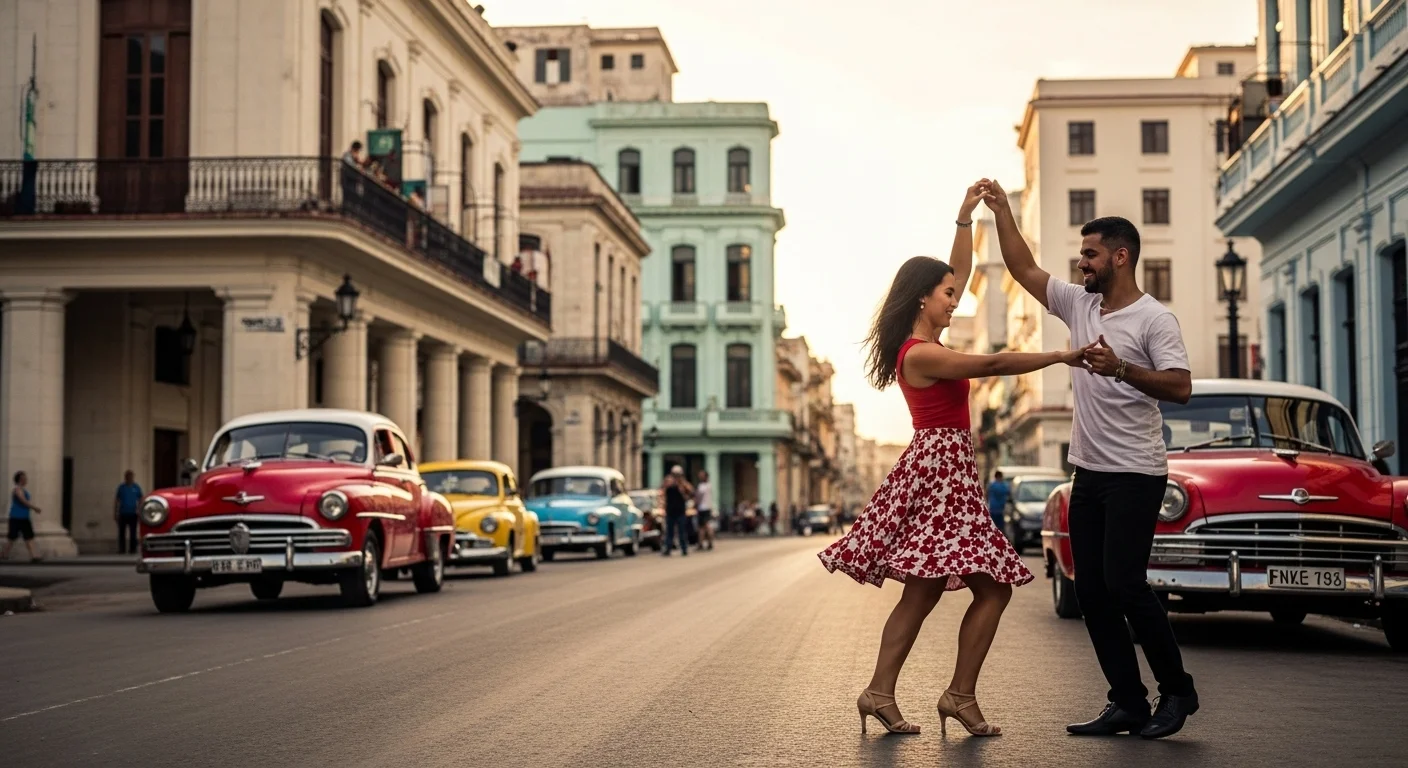
When I think of traditional dance, I think of the stories, emotions, and histories that are woven into each movement. Traditional dance refers to styles that have been passed down through generations, often reflecting the cultural identity of a community or a nation. These dances serve not only as entertainment but also as a way to preserve traditions, celebrate life events, and educate younger generations about their heritage. I’ve seen firsthand how a single dance can evoke a profound sense of belonging and pride among performers and audiences alike.
Cultural Significance in Different Regions
Traveling to witness traditional dance can be a transformative experience. Each region offers distinct styles that showcase their unique cultures. For instance, in Bali, the intricate movements of traditional dances tell ancient myths and legends, while in Rajasthan, vibrant costumes and lively music bring the desert’s rich history to life. I remember attending a performance in Rajasthan, where the dancers’ energetic spins and colorful attire captivated everyone, blending music with storytelling in a way that felt deeply connected to the land.
Similarly, in Spain, flamenco is more than just a dance; it’s an expression of passion and community, deeply rooted in the struggles and triumphs of the Andalusian people. In South Africa, traditional dance forms like gumboot dancing highlight the resilience and creativity of its people, often rooted in historical contexts. I’ve come to realize that traditional dance is a universal language, transcending barriers and inviting us to witness the diverse tapestry of human experience.
Top 5 Destinations for Traditional Dance
1. Bali, Indonesia
Types of Traditional Dance in Bali
Bali is renowned for its captivating traditional dances that often depict stories from Hindu epics and local folklore. Among my favorites are the Barong and Kris Dance, which illustrate the battle between good and evil, and the Legong Dance, known for its intricate finger movements and graceful flow. Each dance is a feast for the senses, combining elaborate costumes, live music, and expressive storytelling. When I first saw the Legong Dance, the precision of the dancers’ movements, coupled with the haunting melodies, left a lasting impression on me.
Best Venues to Experience Balinese Dance
If you’re planning a trip to Bali, Ubud is the heart of traditional dance performances. The Ubud Palace is a popular venue where you can enjoy various dances almost every night. I personally loved the intimate setting, where the audience felt connected to the performers. Other venues, like the Batubulan village, also offer captivating dance shows, often paired with delicious local cuisine. I recommend checking the schedule ahead of time to ensure you catch a performance while you’re there.
When to Visit for Dance Performances
The best time to experience Balinese dance is during festivals, particularly the Bali Arts Festival held from June to July. This month-long celebration showcases various art forms, including dance. I remember being swept away by the vibrant atmosphere, filled with locals and visitors alike, all gathered to appreciate the rich cultural display. If you visit during this time, be prepared for an unforgettable experience that transcends mere performance.
2. Rajasthan, India
Popular Traditional Dances of Rajasthan
Rajasthan is a land of colors, and its traditional dances reflect that vibrancy. The Ghoomar dance, performed by women in traditional attire, is a sight to behold. I was captivated by the twirling skirts and rhythmic claps, all of which create a mesmerizing spectacle. Another popular dance is the Kalbeliya, performed by the snake charmer community, showcasing their connection to the serpents through captivating movements. Each dance tells its own story, often inspired by the region’s history and folklore.
Key Festivals Showcasing Rajasthani Dance
The Pushkar Camel Fair is one of the most famous events where traditional dance takes center stage. During my visit to the fair, I experienced a blend of music, dance, and cultural exhibitions that brought the spirit of Rajasthan to life. The festival attracts thousands of visitors, making it a vibrant hub for experiencing Rajasthani culture. I highly recommend planning your trip around such events for an immersive experience.
Where to Watch Live Performances
In Jaipur, the capital of Rajasthan, places like Chokhi Dhani offer a delightful evening filled with traditional dance performances, folk music, and local cuisine. I enjoyed the vibrant atmosphere and felt as though I was stepping back in time. Make sure to explore local villages as well, where impromptu performances often take place, offering a more authentic experience away from the tourist spots.
3. Flamenco in Seville, Spain
Understanding Flamenco Dance and Music
Flamenco is more than just dance; it’s a passionate expression of the soul. Originating from the Andalusian region, flamenco combines intricate footwork, hand clapping, and emotive music. I had the chance to take a flamenco class in Seville, which was both challenging and exhilarating. The intensity of the dance captured every emotion, and I left feeling a profound connection to its cultural roots.
Best Tablaos (Flamenco Venues) in Seville
For an authentic flamenco experience, visiting a tablao is essential. Places like Tablao El Arenal and Casa de la Memoria are known for their talented performers and intimate settings. I remember being completely entranced by the performers’ passion and energy; it was as if the entire room was alive with the rhythm of the dance. Be sure to book in advance, as these venues can fill up quickly!
When to Attend Flamenco Shows
The best time to experience flamenco is during the Seville Feria, typically held in April, when the city comes alive with vibrant festivities. I was fortunate enough to attend this celebration, where the streets were filled with music, laughter, and, of course, flamenco dancing. It’s an experience that truly encapsulates the spirit of Andalusia.
4. Cape Town, South Africa
Types of Traditional Dance in South Africa
South Africa is a melting pot of cultures, and its traditional dance reflects this rich diversity. From Zulu dances that celebrate warrior history to the energetic gumboot dancing that originated from laborers, each dance is a snapshot of the country’s vibrant heritage. I was particularly moved by the Zulu dances, which tell powerful stories of bravery and community. The intricate movements convey a deep sense of pride and culture.
Where to Experience Dance in Cape Town
If you find yourself in Cape Town, places like the Cape Town International Convention Centre often host performances showcasing traditional dances. Additionally, visiting local townships can provide opportunities to see authentic performances in a communal setting. I remember attending a local gathering where the energy of the dancers was infectious, and the entire audience was encouraged to join in—a true celebration of culture.
Connecting Dance with Local Culture
In South Africa, dance is not just a performance; it’s a way of life. During my visit, I discovered how dance is intertwined with rituals and celebrations, connecting people to their roots. I felt honored to witness this cultural expression and encourage you to engage with the local communities whenever possible for a deeper understanding.
5. Native American Powwows, USA
Overview of Native American Dance Traditions
Native American dance traditions are rich with history and significance, often performed during powwows to celebrate culture and community. Each dance tells a story, from the energetic fancy dance to the graceful jingle dance. I’ve attended a few powwows, and witnessing the pride and passion in every performance left a mark on my heart. The vibrant regalia worn by the dancers adds an extra layer of visual beauty to these events.
Major Powwow Events Across the USA
Throughout the United States, powwow events are held regularly, with some of the largest in places like Albuquerque, New Mexico. The Gathering of Nations, for instance, is a massive celebration that draws thousands. I remember being awed by the sense of unity and celebration among the diverse tribes represented there. It’s an experience that I cherish and recommend to anyone interested in Indigenous culture.
What to Expect at a Powwow
At a powwow, you can expect a vibrant atmosphere filled with music, dance, and community spirit. I was surprised by how welcoming everyone was, encouraging visitors to participate and learn. The food stalls also offer a taste of traditional Native American cuisine, making it a delightful sensory experience. I think attending a powwow is not just about watching; it’s about being part of a living culture.
Planning Your Trip to Experience Traditional Dance
Best Time to Visit Each Destination
Timing can make all the difference when it comes to experiencing traditional dance. I found that visiting during festivals or special events can enhance your experience tenfold. For Bali, try to plan your trip around the Bali Arts Festival in June or July, when the island is alive with cultural displays. In Rajasthan, the Pushkar Camel Fair usually takes place in November, offering a fantastic opportunity to see traditional dance amid the vibrant festivities.
In Seville, if you’re looking to immerse yourself in flamenco, aim for April during the Seville Feria. The atmosphere is electric, and you’ll find flamenco performances around every corner. Cape Town has a lively dance scene year-round, but summer (from December to February) presents more outdoor events and festivals, making it perfect for cultural exploration. For powwows in the USA, check local listings, as events vary; I’ve learned that attending a powwow in the summer often offers a more vibrant experience with larger crowds and more activities.
Accommodations: Where to Stay
Choosing the right place to stay can enhance your travel experience. In Bali, I highly recommend looking for accommodations in Ubud, where you can find charming guesthouses or luxury resorts that often host dance performances on-site. Staying close to the cultural heart of the island means you won’t miss out on any shows! In Rajasthan, Jaipur has plenty of options, from heritage hotels to boutique stays that reflect the region’s grandeur.
For Seville, consider booking a hotel in the Santa Cruz quarter, where you’ll be close to many tablaos and flamenco venues. The atmosphere is beautiful, with narrow streets and vibrant plazas. In Cape Town, the V&A Waterfront area offers stunning views and a lively atmosphere, with easy access to cultural events. If you’re attending a powwow in the USA, look for hotels or lodges near the event locations, as they often provide a unique opportunity to connect with the local community.
Budgeting for Your Dance Experience
Traveling to experience traditional dance can vary widely in cost, depending on the destination and your style of travel. I’ve learned that budgeting for cultural experiences requires consideration of performances, accommodations, food, and transportation. In Bali, for instance, while dance performances are often affordable, dining at local warungs can be a budget-friendly way to enjoy authentic cuisine.
In Rajasthan, attending festivals may come with ticket fees, but the experience is well worth it. I remember enjoying a magical evening at the Pushkar Fair without breaking the bank. Flamenco shows in Seville can be pricier, especially at renowned tablaos, but you can find more casual venues with cover charges that include a drink. In Cape Town, many dance performances in townships are donation-based, which allows for a more flexible budget. When it comes to powwows, many events are free, but be prepared to spend on food and crafts from local vendors. Read Interesting article: Best Cycling Destinations for Thrifty Travelers in 2023
Combining Dance with Local Cuisine
One of my favorite parts of traveling is indulging in local cuisine alongside cultural experiences. In Bali, I recommend enjoying a traditional dance performance followed by a meal of Nasi Goreng or Babi Guling at a nearby restaurant. The flavors of the dishes are as rich as the stories told through dance. In Rajasthan, after watching a Ghoomar performance, savor the tastes of dal baati churma, a delightful Rajasthani staple that complements the vibrant atmosphere perfectly.
In Seville, flamenco and tapas go hand in hand. After attending a show, treat yourself to some delicious jamón ibérico and patatas bravas at a nearby bar. Cape Town’s food scene is incredibly diverse, and I found that many local eateries serve traditional dishes like bobotie or braai, which enhanced my understanding of the culture. During powwows in the USA, the food stalls often offer traditional Native American dishes, allowing you to experience the full spectrum of culture through taste and rhythm. Read Interesting article: Top 10 Budget-Friendly Cycling Destinations for Adventurers
Safety Tips for Attending Dance Performances
While traveling and immersing ourselves in traditional dance, safety should always be a priority. I’ve picked up some valuable tips over the years. First, always research the venues and events in advance to ensure they are reputable. In areas where crowds gather, like festivals, keep your belongings close and be mindful of your surroundings.
When attending performances in urban settings, especially at night, I recommend sticking to well-lit areas and traveling in groups if possible. In more remote areas, such as villages in Rajasthan or townships in Cape Town, it’s best to go with a local guide or as part of a tour group to ensure a safe and enriching experience. Most importantly, trust your instincts. If something doesn’t feel right, don’t hesitate to remove yourself from the situation. Dance is meant to be a joyful experience, and ensuring our safety allows us to fully embrace it!
Planning Your Trip to Experience Traditional Dance
Best Time to Visit Each Destination
When planning a trip to experience traditional dance, timing is everything. I’ve learned that each destination has its own unique rhythm, and aligning your visit with local festivals or events can significantly enhance your experience. For Bali, the Bali Arts Festival, held from June to July, is an absolute must. The entire island comes alive with dance, music, and art, making it a perfect time to immerse yourself in the cultural tapestry of Bali.
In Rajasthan, the Pushkar Camel Fair in November is not just about camels; it’s a vibrant celebration of culture, with plenty of traditional dance performances sprinkled throughout the festivities. I remember how the air felt electric with excitement during my visit. In Seville, if you can, plan your trip around the Seville Feria in April. The city is bustling with flamenco dancers, and the atmosphere is magical. Cape Town has a lively dance scene year-round, but summer—from December to February—offers more outdoor events, making it a fantastic time for cultural exploration.
When it comes to Native American powwows, I’ve discovered that summer often brings larger gatherings with more activities. So, checking the local listings for powwow events before your visit is a good idea. Aligning your travel dates with these cultural highlights can create memories that last a lifetime.
Accommodations: Where to Stay
Finding the right place to stay can transform your travel experience. I always seek accommodations that not only offer comfort but also a connection to the local culture. In Bali, Ubud is a perfect choice. You’ll find a range of guesthouses and luxury resorts that often feature dance performances right on-site. Being close to the cultural heart of the island means you won’t miss out on any shows, plus the lush surroundings are a treat for the senses.
In Rajasthan, Jaipur stands out with its heritage hotels, allowing you to immerse yourself in the regal atmosphere of the region. I stayed in a beautiful haveli that had been converted into a hotel, and it felt like stepping back in time. In Seville, consider booking a hotel in the Santa Cruz quarter, where you’ll be surrounded by flamenco venues and vibrant streets teeming with life. The ambiance here is unforgettable, and every corner seems to resonate with music and dance.
In Cape Town, the V&A Waterfront is a great area to find accommodations with stunning views and easy access to cultural events. The lively atmosphere adds to the experience, and you’ll be just a stone’s throw away from the dance performances. If you’re attending a powwow in the USA, look for hotels or lodges near the event sites. Many offer unique experiences that connect you to the local community, enhancing your understanding of the culture.
Budgeting for Your Dance Experience
Traveling to experience traditional dance can vary widely in cost, depending on where you go and how you choose to spend your money. From my experience, it’s essential to budget wisely to enjoy all the cultural offerings without breaking the bank. In Bali, for instance, while many dance performances are affordable, dining at local warungs can provide a delicious and budget-friendly way to enjoy authentic cuisine. I often found meals for a fraction of what I would pay in a restaurant, and the flavors were just as vibrant!
In Rajasthan, attending festivals may involve ticket fees, but the experience you gain is priceless. I remember attending the Pushkar Fair and being able to enjoy an entire evening of dance, music, and culture for a reasonable price. Flamenco shows in Seville can range from budget-friendly to more expensive, especially at popular tablaos. If you’re keen on flamenco but want to save a bit, look for casual venues with cover charges that include a drink; I found those to be just as enjoyable.
In Cape Town, many performances in local townships are donation-based, which allows for a flexible budget. I appreciated how this model encourages participation and supports the local community. For powwows, many events are free to attend, but you might want to budget for food and crafts from local vendors to truly enjoy the experience. Overall, I believe that with careful planning, you can experience the richness of traditional dance without overspending.
Combining Dance with Local Cuisine
One of my favorite aspects of traveling is the chance to explore local cuisines while immersing myself in cultural experiences. In Bali, I suggest pairing a traditional dance performance with a meal of Nasi Goreng or Babi Guling at a nearby restaurant. The rich flavors of these dishes mirror the vibrant storytelling of the dances, creating a feast for both the palate and the eyes.
After watching a Ghoomar performance in Rajasthan, indulging in dal baati churma is a must. It’s a delightful Rajasthani staple that complements the energetic atmosphere perfectly. In Seville, flamenco and tapas are a match made in heaven. After enjoying a show, treat yourself to some jamón ibérico and patatas bravas at a nearby bar. Each bite of food enhances the flamenco experience, reminding you of the region’s rich flavors.
In Cape Town, the food scene is incredibly diverse, which adds another layer to the cultural experience. I discovered that many local eateries serve traditional dishes like bobotie or braai, allowing me to connect with the culture on a deeper level. And during powwows in the USA, sampling traditional Native American dishes from food stalls is a fantastic way to experience the full spectrum of culture through taste and rhythm. For me, combining dance with local cuisine has always deepened my appreciation for the places I visit, making my travels even more memorable.
Safety Tips for Attending Dance Performances
While traveling and diving into the world of traditional dance, prioritizing safety should always be top of mind. Over the years, I’ve picked up some valuable tips that can help ensure a smooth experience. First and foremost, research venues and events before you go to ensure they are reputable. This has saved me from potential pitfalls and allowed me to enjoy performances without worry.
In crowded areas, such as festivals, it’s essential to keep your belongings close and stay aware of your surroundings. I’ve found that when I’m mindful, I can focus on enjoying the cultural experience without distractions. When attending performances in urban settings, especially at night, I recommend sticking to well-lit areas and traveling in groups when possible. There’s safety in numbers, and it often adds to the fun!
In more remote areas, like villages in Rajasthan or townships in Cape Town, I suggest going with a local guide or joining a tour group. This not only enhances safety but also enriches your understanding of the culture. Most importantly, trust your instincts. If something doesn’t feel right or comfortable, don’t hesitate to remove yourself from the situation. Dance should be a joyful experience, and ensuring our safety allows us to embrace it fully!
Frequently Asked Questions
What is traditional dance and why is it important?
Traditional dance refers to styles that have been passed down through generations, reflecting the cultural identity of a community or nation. It serves as entertainment, preserves traditions, celebrates life events, and educates younger generations about their heritage.
What are some cultural significances of traditional dance in different regions?
Each region showcases distinct styles of traditional dance that reflect their unique cultures. For example, Bali’s dances tell ancient myths, Rajasthan’s dances celebrate rich history, Spain’s flamenco expresses passion and community struggles, and South Africa’s dances highlight resilience and creativity.
What are the top destinations to experience traditional dance?
The top destinations for traditional dance include Bali, Indonesia; Rajasthan, India; Seville, Spain; Cape Town, South Africa; and various Native American powwows in the USA.
When is the best time to visit Bali for traditional dance performances?
The best time to experience Balinese dance is during festivals, particularly the Bali Arts Festival held from June to July, when various art forms, including dance, are showcased.
What traditional dances are popular in Rajasthan?
Popular traditional dances in Rajasthan include the Ghoomar dance performed by women and the Kalbeliya dance performed by the snake charmer community, both telling stories inspired by the region’s history and folklore.
What is flamenco and where can I experience it in Seville?
Flamenco is a passionate dance that combines intricate footwork, hand clapping, and emotive music. In Seville, authentic flamenco can be experienced at venues known as tablaos, such as Tablao El Arenal and Casa de la Memoria.
What types of traditional dance can be found in South Africa?
South Africa features a variety of traditional dances, including Zulu dances that celebrate warrior history and gumboot dancing that originated from laborers, showcasing the country’s rich cultural diversity.
What should I expect at a Native American powwow?
At a powwow, you can expect a vibrant atmosphere filled with music, dance, and community spirit. Participants often encourage visitors to join in, making it a welcoming experience with opportunities to taste traditional Native American cuisine.
How can I budget for experiencing traditional dance while traveling?
Budgeting for traditional dance experiences varies by destination but typically includes costs for performances, accommodations, food, and transportation. Many performances in places like Cape Town are donation-based, allowing for flexible budgeting.
What safety tips should I consider when attending dance performances?
When attending dance performances, it’s important to research venues, keep belongings close in crowded areas, travel in groups at night, and consider going with a local guide in remote areas. Always trust your instincts to ensure a safe and enjoyable experience.