
Traveling and capturing portraits can create memories that last a lifetime. To do this effectively, having the right gear is essential for any traveler passionate about photography. Read Interesting article: Travel Portrait Lighting: Essential Techniques for Backpackers
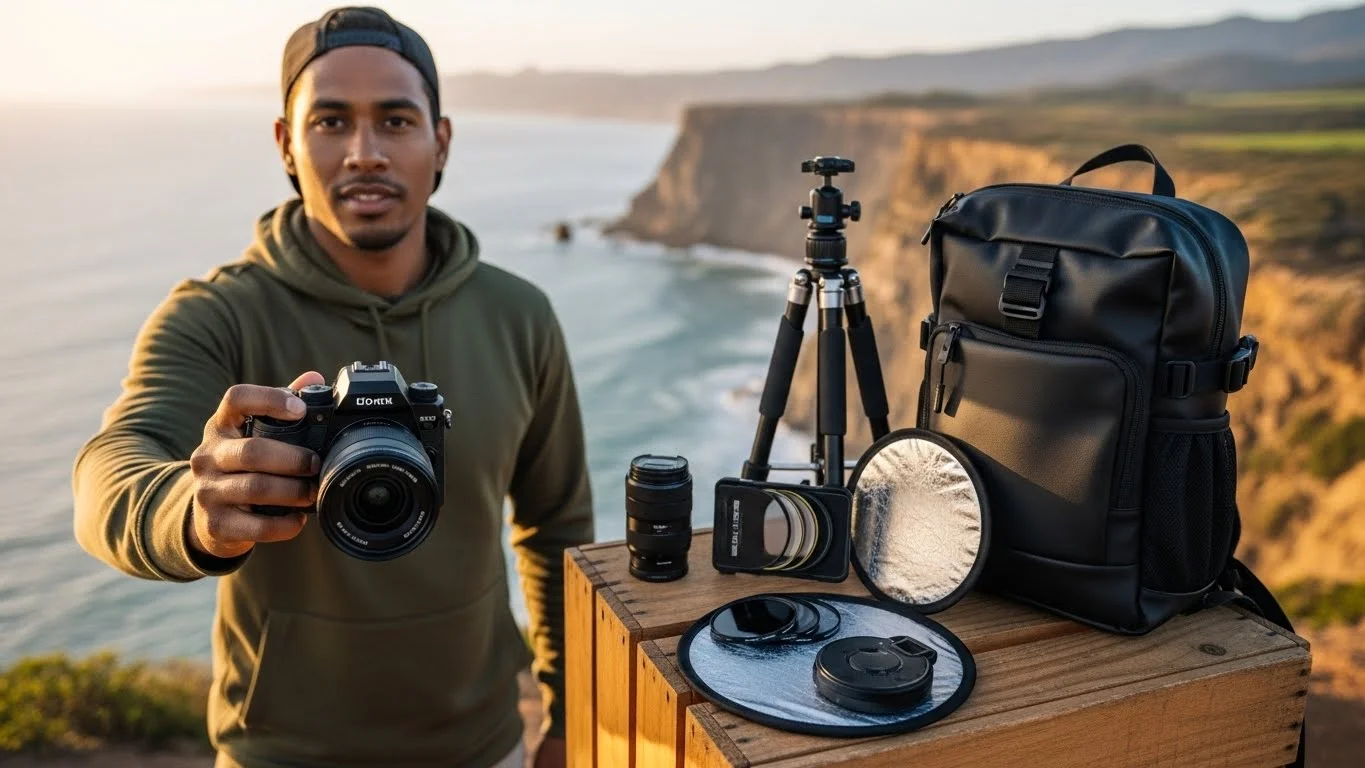
Understanding Portrait Photography Gear
What is Portrait Photography?
Portrait photography is all about capturing the essence of a person or group. It’s more than just a snapshot; it conveys emotions, personalities, and stories through the lens. When I first delved into portrait photography, I realized that each image tells a different story. The subject’s expression, the background, and even the lighting can completely change the context of the photograph. Whether it’s a candid shot of a traveler enjoying their adventure or a posed picture of a local in their environment, every portrait has its unique charm.
Importance of Gear in Portrait Photography
Having the right gear can make a significant difference in the quality of your portraits. I remember my early days of photography, where I used a basic camera and struggled with lighting and focus. As I invested in better equipment, I noticed a remarkable improvement in the clarity and emotion of my images. Good gear helps you capture details and nuances that might be missed otherwise, especially when you’re on the go. It’s not just about having the most expensive camera; it’s about having the right tools that match your style and needs as a photographer. Explore Cultures: How to Create Memorable Travel Portraits can provide additional insights.
Essential Gear for Travelers
1. Camera Body
The camera body is the heart of your photography gear. When I was choosing my first camera, I had to decide between a full-frame and a crop sensor camera. Both have their pros and cons, depending on what you want to achieve with your portraits.
Full-Frame vs. Crop Sensor
Full-frame cameras have larger sensors, which typically result in better image quality, especially in low light. When I upgraded to a full-frame camera, the difference was noticeable. I was able to capture more detail and depth in my portraits. However, crop sensors are smaller and often more affordable, making them a great option for beginners. They can also give you a bit more zoom due to the crop factor, which is handy when you want to capture subjects from a distance.
Compact Cameras for Travel
If you’re a traveler who values portability, compact cameras are a smart choice. I’ve used many compact cameras over the years, and I found that they allow for spontaneous photography without lugging around a heavy setup. These cameras may not always match the quality of a DSLR or mirrorless camera, but many modern models come equipped with impressive features that can capture stunning portraits on the go.
2. Lenses
Once you have your camera body sorted, the next essential piece of gear is the lens. I can’t stress enough how the right lens can elevate your portrait photography. Different lenses offer unique perspectives and capabilities, making them essential for various shooting scenarios.
Prime Lenses for Sharpness
Prime lenses are favorites among many portrait photographers for their ability to produce incredibly sharp images. I started using a 50mm prime lens, and it quickly became my go-to for portraits. The wide aperture allows for beautiful background blur, making your subjects pop against a softer background. This effect is often referred to as “bokeh,” and it adds a professional touch to your photos.
Zoom Lenses for Versatility
On the other hand, zoom lenses are fantastic for travel because of their versatility. With a zoom lens, you can quickly adjust your framing without needing to move around too much, which is especially useful in crowded places. I’ve traveled with a 24-70mm zoom lens that covered a great range for portraits, from wide shots to close-ups, allowing me to adapt to different environments quickly.
3. Tripod
A sturdy tripod is often overlooked, but I’ve found it to be invaluable, especially during low-light conditions. Whether you’re taking portraits at sunrise or sunset, having a tripod ensures that your images are sharp and well-composed.
Lightweight and Portable Options
As a traveler, I learned the hard way that not all tripods are created equal. I invested in a lightweight and portable tripod that I could easily carry in my bag. This has been a game changer for my travel photography. It’s easy to set up and helps me capture long-exposure shots without fear of camera shake.
Stability for Low Light Situations
Using a tripod also allows me to shoot at slower shutter speeds, which is essential in low-light situations. I remember a magical evening in Paris when I set up my tripod to capture portraits of locals against the backdrop of the Eiffel Tower sparkling at night. The stability of the tripod helped me achieve beautiful, sharp images that I cherish to this day.
4. External Flash or Speedlight
Lighting can make or break a portrait. I’ve faced many situations where natural light wasn’t enough, and that’s where having an external flash comes in handy. It’s a must-have for capturing well-lit portraits, especially in dimly lit environments.
Importance of Lighting in Portraits
Lighting can dramatically change the mood of a photograph. I learned that using an external flash allows me to control the light and create a more flattering look for my subjects. Whether it’s bouncing the flash off a wall or using it to fill in shadows, it helps me achieve a professional finish.
Portable Flash Options for Travel
Choosing a portable flash means I can easily take it anywhere. I recommend getting a compact speedlight that can fit in your camera bag without adding too much weight. It’s a small investment that can significantly improve the quality of your portraits.
5. Camera Bag
Your camera bag is essential for organizing and protecting your gear while traveling. I remember when I first started, I used a flimsy bag that didn’t provide enough protection. After a couple of close calls, I realized the importance of a well-designed camera bag.
Choosing a Travel-Friendly Design
Look for a bag that’s lightweight yet sturdy, with enough space for all your gear. I found a backpack style bag that allows for easy carrying during long walks while keeping my equipment secure. It’s also important to consider how easy it is to access your camera while on the move. A bag with quick-access pockets can be a lifesaver when you see that perfect shot.
Protection and Organization Features
Additionally, having padded compartments helps protect your gear from bumps and drops. I love that my bag has customizable dividers, so I can adjust the layout based on the gear I’m carrying for a specific trip. Being organized means I can focus more on capturing moments rather than fumbling through my bag.
Accessories to Enhance Portrait Photography
Reflectors and Diffusers
When I first started taking portraits, I quickly realized how important lighting is to the quality of my images. That’s when I discovered the magic of reflectors and diffusers. These accessories can drastically change how light interacts with your subject, especially in outdoor settings where the sun can be harsh.
Reflectors are fantastic for bouncing light back onto your subject. I remember one sunny afternoon in a park, where I used a simple white reflector to fill in shadows on a friend’s face. It made such a difference! The light became softer and more flattering, which is essential for capturing beautiful portraits. There are various types of reflectors, from collapsible ones that fit in your bag to larger panels for bigger setups.
Diffusers, on the other hand, soften the harsh sunlight, creating a more even light across the subject. I often carry a portable diffuser in my backpack. It’s lightweight and easy to set up, allowing me to create a soft glow around my subjects, especially during midday shoots when the sun can be unforgiving. I once helped a local artist capture portraits in the middle of a bustling market, and using a diffuser transformed the lighting into something magical.
Memory Cards and Storage Solutions
As someone who loves to take countless photos, I can’t stress enough how important it is to have reliable memory cards. I’ve had moments where I was on a fantastic trip, and my card filled up just as I was about to capture a stunning sunset. Since then, I’ve learned to carry multiple cards with ample storage. I usually opt for cards with fast write speeds, which help me shoot continuously without missing a beat.
Another essential aspect is having a proper storage solution. I’ve invested in a portable hard drive to back up my images while I’m on the road. This way, I can free up space on my cards and feel secure knowing my photos are safe. Additionally, I’ve found that using cloud storage can be helpful when I have access to Wi-Fi. It’s a bit of a hassle to manage, but having my memories stored in multiple places gives me peace of mind.
Cleaning Kits for Gear Maintenance
As travelers, we often find ourselves in dusty environments or dealing with unexpected weather changes. I learned the hard way that keeping my gear clean is essential for maintaining image quality. A simple cleaning kit has become a staple in my camera bag. It usually includes a lens brush, microfiber cloth, and sensor cleaning tools.
I can vividly remember a shoot where I was capturing portraits on a windy beach. Sand particles ended up on my lens, and I didn’t realize until I got home and reviewed the photos. The spots were a frustrating reminder of how crucial it is to keep my gear in top shape. Now, I make it a habit to clean my lenses regularly, especially after shooting in challenging conditions. It’s a small step that can significantly improve the clarity of my images, ensuring I capture the best possible portraits.
Tips for Traveling with Photography Gear
Choosing the Right Gear for Your Trip
Before heading out, I always take a moment to evaluate what gear I’ll need for my trip. It’s tempting to bring everything, but I’ve learned through experience that this can lead to weighty bags and missed opportunities. Instead, I prioritize versatility and pack only what I know I’ll use.
For instance, during a recent trip to a bustling city, I opted for my lightweight mirrorless camera and a couple of versatile lenses. This setup allowed me to be nimble while exploring, capturing street portraits and landscapes without feeling bogged down. I also make sure to consider the type of photography I plan to focus on, which helps me narrow down my choices. It’s all about striking a balance between having options and keeping my load manageable.
Travel Insurance for Photography Equipment
One of the best decisions I made as a traveling photographer was to get insurance for my gear. I’ve heard horror stories from fellow photographers about lost or damaged equipment, and I didn’t want to take any chances. I found a policy that covers theft, loss, and accidental damage, which gives me peace of mind while I’m on the road.
When I was in a busy market in Marrakech, my heart raced when I accidentally bumped into someone, and my camera slipped from my grip. Thankfully, I had insurance, which made the entire experience less stressful. Knowing I had a safety net allowed me to focus on capturing the vibrant culture around me without the constant worry of what could go wrong.
Best Practices for Carrying Gear
Over the years, I’ve developed some best practices for carrying my gear while traveling. First and foremost, I always use a comfortable camera bag. A well-padded backpack can make a world of difference on long walks, helping distribute the weight evenly across my back.
I also make a point to keep my most essential items easily accessible. For example, I have a side pocket for my camera and quick-access pockets for my lenses and cleaning kit. This layout saves me time when I spot a perfect portrait opportunity and need to act quickly. Another tip I found helpful is to use neck straps or wrist straps for my camera. They provide an extra layer of security, minimizing the risk of accidental drops.
Common Challenges in Travel Portrait Photography
Dealing with Different Lighting Conditions
One of the biggest challenges I face while traveling and shooting portraits is dealing with unpredictable lighting conditions. I’ve been in situations where the sun is blazing bright one moment, and then clouds roll in, casting shadows that can ruin a photo. I learned early on that adapting to these changes is crucial. For instance, I remember a day spent exploring a vibrant market where the sunlight shifted from harsh to soft in the blink of an eye. I had to quickly adjust my settings to maintain the quality of my images.
To tackle this, I recommend getting familiar with your camera’s settings. Understanding how to adjust your aperture, ISO, and shutter speed can help you react quickly. I also found that using reflectors and diffusers can be a game changer, especially in harsh sunlight. They help to soften the light and reduce stark shadows on your subjects.
Capturing Candid Moments vs. Posed Shots
Another challenge in portrait photography during travel is striking the right balance between candid and posed shots. I’ve experienced this first-hand while photographing locals in different countries. Some people are natural in front of the camera, while others may feel shy or uncomfortable. I remember approaching a group of children playing in the street. They were delightful to capture in their natural state, but as soon as they noticed me pointing my camera, they froze and started posing, which changed the dynamic of the photograph.
To capture those genuine moments, I’ve learned to be discreet and patient. I try to blend into the environment, giving subjects the space to act naturally. Often, I’ll engage in a little conversation to help break the ice before snapping a photo. This way, I get to document life as it happens, which is often more rewarding than a perfectly posed portrait.
Respecting Local Cultures and Privacy
While traveling, I’ve come to understand that respecting local cultures and privacy is paramount in portrait photography. Different cultures have various norms regarding photography, and I always strive to be sensitive to these differences. I recall a moment in a small village where I wanted to take a portrait of an elderly woman weaving by her door. Instead of assuming she’d be okay with it, I approached her politely, asked for her permission, and explained my interest in capturing her craft. To my delight, she agreed and even posed for me with a warm smile.
This experience taught me the importance of communication and respect. Always be prepared to politely decline if someone isn’t comfortable being photographed. I also carry a small notebook where I jot down the names of people I photograph and a bit about them. This adds a personal touch, and often, it leads to deeper conversations and connections, which can enhance the overall experience for both me and my subjects. The Art of Cultural Portraits: Travel Photography Essentials can provide further guidance.
Conclusion: Elevating Your Portrait Photography While Traveling
Frequently Asked Questions
What is portrait photography?
Portrait photography is about capturing the essence of a person or group, conveying emotions, personalities, and stories through the lens. Each image tells a different story based on the subject’s expression, background, and lighting.
Why is having the right gear important for portrait photography?
Having the right gear significantly impacts the quality of your portraits. Better equipment improves clarity and emotion in images, helping to capture details and nuances that may be missed with basic setups.
What is the difference between full-frame and crop sensor cameras?
Full-frame cameras have larger sensors that typically result in better image quality, especially in low light. Crop sensors are smaller and often more affordable, making them a great option for beginners, while also providing more zoom due to the crop factor.
What are the advantages of using prime lenses for portrait photography?
Prime lenses are favored for their ability to produce incredibly sharp images and allow for beautiful background blur, known as “bokeh,” which adds a professional touch to portraits.
How can a tripod enhance portrait photography?
A sturdy tripod ensures sharp and well-composed images, especially in low-light conditions. It allows for slower shutter speeds, which can be crucial for capturing portraits during sunrise or sunset.
What role does lighting play in portrait photography?
Lighting can dramatically change the mood of a photograph. Using an external flash or speedlight allows for better control over lighting, creating a more flattering look for subjects in various environments.
What should I look for in a camera bag for travel?
Choose a lightweight yet sturdy camera bag with enough space for all your gear. Quick-access pockets for your camera and a backpack style for easy carrying during long walks are essential features.
How can reflectors and diffusers improve portrait photography?
Reflectors help bounce light onto subjects, while diffusers soften harsh sunlight, creating a more even light across the subject. Both tools enhance the quality of portraits, especially in outdoor settings.
What are some best practices for carrying photography gear while traveling?
Use a comfortable camera bag to distribute weight evenly, keep essential items easily accessible, and consider using neck or wrist straps for added security to minimize the risk of accidental drops.
Why is it important to respect local cultures and privacy while photographing?
Respecting local cultures and privacy is vital in portrait photography. Different cultures have varying norms regarding photography, and it’s crucial to seek permission and communicate respectfully with subjects to enhance the overall experience.