
Traveling solo with your pet can be one of the most rewarding experiences. With the right gear, you can make your adventures enjoyable, comfortable, and safe for both you and your furry friend. If you’re considering budget options, check out our Ultimate Guide to Solo Travel with Your Cat on a Budget.
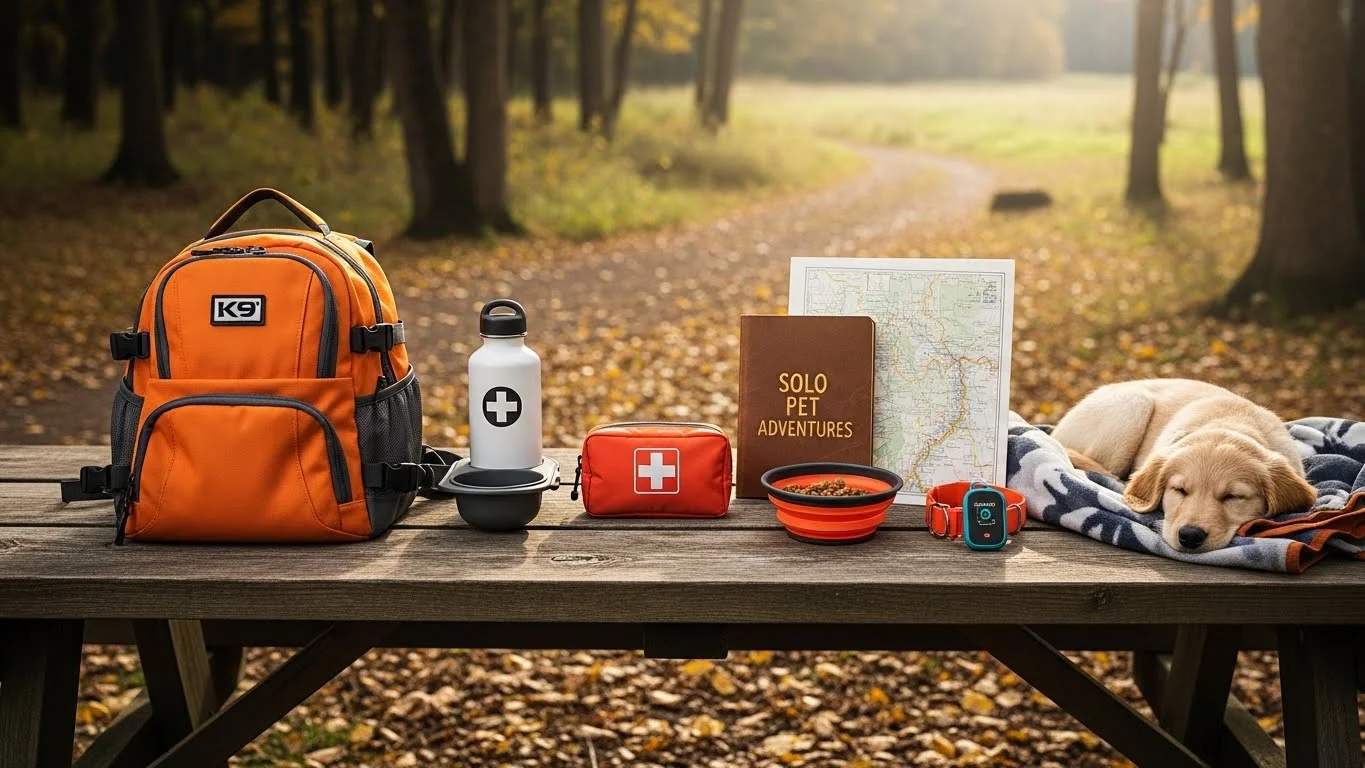
Understanding Solo Pet Adventures
The Benefits of Traveling with Your Pet
When I first decided to travel solo with my dog, I was unsure what to expect. I felt a mix of excitement and nervousness. Over time, I realized that traveling with my pet brought a unique joy that I never anticipated. For one, having my furry companion by my side turned ordinary outings into memorable adventures. I enjoyed the freedom of exploring new places without the need to leave my pet behind. Plus, we shared countless moments that strengthened our bond. I often noticed how my dog’s playful nature lightened the mood, especially in unfamiliar surroundings. Traveling together opens up opportunities for new experiences, whether it’s hiking a new trail or discovering pet-friendly cafes. Additionally, Solo Travel with Dogs: Budget Tips for Adventurous Souls offers great insights for those looking to save while traveling.
Another benefit I found was the chance to meet fellow travelers who are also pet owners. This creates a sense of community, making it easier to connect with like-minded individuals. I’ve made several friendships along the way, all thanks to our pets. Additionally, exploring new environments can be mentally stimulating for our furry friends. I noticed my dog became more curious and energetic as we ventured to different parks and beaches. It’s heartwarming to see them thrive in new settings, and I believe it enriches their lives just as much as it does ours.
Preparing Your Pet for Travel
Preparing for a trip with my pet was an adventure in itself. I learned that it’s essential to start with a few basic preparations. First, a visit to the vet is crucial. Ensuring my dog is healthy enough for travel and up-to-date on vaccinations gave me peace of mind. I also discovered that some destinations have specific regulations regarding pet travel, so checking these details beforehand saved me from unexpected surprises.
Next, I focused on getting my dog accustomed to the idea of being in a carrier or car for extended periods. I would take her on short drives around the neighborhood, gradually increasing the duration. This way, she learned to associate travel with positive experiences. I remember the first time I took her on a longer trip; she was a bit restless at first, but I had brought along her favorite toys and treats, which helped her relax.
Additionally, I made sure to pack her essentials, such as food, bowls, and a blanket that smells like home. Familiar items can help ease anxiety during travel, and I noticed that having her blanket with her made a significant difference. Finally, I practiced patience and made the journey as enjoyable as possible, taking breaks to stretch and explore along the way.
Essential Travel Gear for Solo Pet Adventures
1. Comfortable Pet Carrier
A comfortable pet carrier is a must-have for solo adventures. I can’t stress enough how important it is for my dog to feel secure during travel. A good carrier not only provides a safe space but also makes transportation easier. I learned that there are various types of carriers available, and choosing the right one can make a world of difference.
Types of Pet Carriers
There are soft-sided, hard-sided, and backpack carriers. I prefer soft-sided carriers for my dog because they tend to be more comfortable and easier to squeeze under airplane seats. I also found some that have mesh windows for ventilation, which my dog appreciates. For longer hikes, I’ve discovered backpack carriers, allowing me to carry my dog on my back while keeping my hands free. This became especially handy during our mountain trips!
Features to Look For
When choosing a carrier, I recommend looking for features such as sturdy construction, easy-to-clean materials, and plenty of ventilation. A good carrier should also have secure closures to prevent any escape attempts. I found one that came with a removable, washable liner, which I think is a game changer. This way, I can keep it fresh and clean after every adventure.
2. Portable Water and Food Bowls
Staying hydrated and fed is just as crucial for pets as it is for us. That’s why portable water and food bowls have become essential gear for my trips. I’ve tried a few different kinds, and I’ve learned that convenience is key.
Materials and Design
Silicone bowls are my favorite because they are lightweight and collapsible, making them easy to pack. They also tend to hold up well against wear and tear, which is important when you’re on the road. I look for bowls with a non-slip base, as it prevents any spills during use.
Travel-Friendly Options
Some bowls come with built-in water bottles, which I find incredibly handy. It allows me to fill up my dog’s bowl without needing to carry a separate water container. I usually take advantage of these multi-functional designs when we’re hiking or at the beach, ensuring my dog stays hydrated while we enjoy our time outdoors.
3. Pet First Aid Kit
Having a pet first aid kit made me feel more prepared for any mishaps along the way. I realized that accidents can happen, whether it’s a minor cut or an upset stomach. I felt it was better to be safe than sorry, so I compiled a kit filled with essentials.
Essential Items to Include
In my first aid kit, I included items like antiseptic wipes, gauze, adhesive tape, and tweezers for ticks. I also added some pet-safe pain relievers and any medications my dog might need. I believe it’s good practice to familiarize myself with how to use these items, so I took some time to read up on basic first aid for pets.
How to Use a First Aid Kit
Understanding how to use the first aid supplies can be a lifesaver. I once had to use gauze and tape on my dog after she scraped her paw during a hike. Knowing how to clean the wound properly and bandage it made a stressful situation manageable. I highly recommend doing some research or taking a pet first aid class to feel more confident in handling emergencies.
4. Leash and Harness Combo
A reliable leash and harness combo is another essential for my solo pet adventures. I’ve noticed how important it is to have a sturdy and comfortable setup. A harness is often a better choice than a collar, especially for larger or more energetic dogs.
Choosing the Right Leash
I prefer a leash that is both durable and adjustable, allowing me to customize the length depending on the situation. While walking in busy areas, a shorter leash keeps my dog close and safe. On more open trails, I feel comfortable using a longer leash to give her more freedom to explore.
Benefits of a Harness
Using a harness instead of a collar reduces the risk of choking if my dog gets excited and pulls. I found a harness that has a padded chest piece, which adds comfort for her. I appreciate how it distributes the pressure evenly, making walks more enjoyable for both of us.
5. Pet Travel Bed or Blanket
Comfort is key for my dog during travel. Having a travel bed or blanket has made a noticeable difference in how she settles in new environments. I’ve found that providing her with a familiar space helps her feel secure, especially after a long day of exploring.
Importance of Comfort for Your Pet
Our pets crave comfort just like we do. I remember my dog feeling anxious the first time we stayed overnight in a hotel. Having her blanket with her helped ease her nerves and made her feel at home. I think it’s essential to create a cozy spot for them, even when we’re away from home.
Travel Bed vs. Blanket: Which to Choose?
I often debate between bringing a travel bed or a blanket. I usually opt for a blanket because it’s lightweight and can be used for multiple purposes, like covering a hotel bed or laying down at a picnic. However, if we’re going on a longer trip, a portable travel bed could provide her with a designated space to relax and sleep.
Additional Gear to Consider
Tracking Devices for Pets
One of the most important lessons I learned during my solo travels with my dog was the value of keeping her safe and secure. I quickly realized that a tracking device can provide a sense of security that is hard to replicate. With new environments come new distractions, and I wanted to ensure I could always find my furry friend if she wandered off.
There are several types of tracking devices available on the market today. Some attach directly to your pet’s collar, while others come in the form of smart collars. I personally decided on a GPS-enabled device that allows me to monitor my dog’s location in real-time. It’s such a relief to know that I can pull up an app on my phone and see where she is, especially when we’re exploring unfamiliar areas.
In my experience, these devices can also help track your pet’s activity levels, which is particularly useful if you’re on a long trip. I’ve noticed how much more energy my dog has when she’s in new places, and keeping an eye on her activity helps me ensure she’s getting enough rest amid all the excitement.
Waste Management Supplies
Let’s be honest: traveling with pets also comes with the responsibility of waste management. During my travels, I quickly learned that being prepared with waste bags is a must. I like to carry a supply of biodegradable waste bags, which are not only eco-friendly but also come in handy during our adventures.
I recommend keeping a pack in your pet’s carrier, in your backpack, or even in your car. This way, you’ll always be ready to clean up after your pet without a second thought. I’ve found that some brands even offer bags with built-in handles, making it easier to tie them up and carry them until I can find a proper disposal site.
Additionally, I’ve often brought along a portable waste disposal container that keeps the used bags tucked away until we reach a trash can. It’s a small detail, but it helps keep our environment clean and ensures I’m being a responsible pet owner.
Pet Travel Insurance
As much as I love exploring with my dog, I’ve learned that accidents can happen. That’s why I decided to invest in pet travel insurance. It gives me peace of mind knowing that if something unexpected occurs—whether it’s an injury or an illness—I’m covered. I remember the time my dog had a bout of stomach upset while we were camping. Thankfully, I had insurance that helped with the vet bills, and I was able to get her the care she needed without a huge financial burden.
When choosing a pet travel insurance plan, I recommend looking for coverage that includes emergency medical expenses, trip cancellations due to pet illness, and lost pet recovery. I often compare different plans and read reviews to find one that fits my needs. It’s a small investment for the peace of mind it provides, and I think it’s worth it for any pet owner who loves to travel. For more tips, check out Traveling Solo with Your Dog: Tips for Budget Adventures.
Tips for a Successful Solo Pet Adventure
Planning Pet-Friendly Itineraries
Planning my travel itineraries with my dog in mind has become second nature. I’ve discovered that taking the time to research pet-friendly destinations can make all the difference in our experience. I usually start by looking up parks, trails, and attractions that welcome pets. Dog-friendly beaches have become some of my favorite spots, and I’ve found plenty of online resources that list pet-friendly accommodations and activities.
Another tip I’ve learned is to check local regulations regarding pets, especially in national parks or public spaces. Some areas have specific leash laws or designated pet zones. I appreciate knowing these details in advance, as it helps avoid any surprises during our outings.
Accommodations That Welcome Pets
Finding the right place to stay is essential for a successful trip. I often choose accommodations that specifically advertise themselves as pet-friendly. Many hotels and rentals now cater to pet owners, offering amenities like dog beds, treats, and even pet-sitting services. I once stayed at a charming cabin that had an enclosed yard, allowing my dog to roam freely while I relaxed.
When booking, I also check reviews from other pet owners to get a sense of how welcoming places are. I’ve found that properties that truly embrace pets often provide useful information about nearby parks or pet-friendly restaurants, which helps me plan our days. If you’re not sure about a place’s pet policy, I recommend calling ahead to clarify any details. It’s always better to double-check than to arrive and be surprised by restrictions.
Safety Precautions While Traveling
Safety is always a top priority when I travel with my dog. I’ve learned several precautions that keep both of us safe on our adventures. First, I make sure my dog is wearing a collar with an updated ID tag that includes my phone number. This small detail can be a lifesaver if she ever manages to slip away.
I also bring along a familiar toy or blanket that has her scent. It helps provide comfort in new environments and can help ease anxiety. On hikes, I make sure I’m aware of any local wildlife we might encounter, and I keep my dog on a leash to prevent any unexpected encounters. Additionally, I always have water on hand, especially during hot weather, to keep her hydrated and avoid overheating.
By preparing for the unexpected and prioritizing safety, I ensure that our solo pet adventures are joyful and memorable. Each trip has taught me something new, and I feel more confident every time we set out together.
Frequently Asked Questions
What are the best destinations for solo pet travel?
In my experience, some of the best destinations for solo pet travel are places that emphasize outdoor activities and a welcoming atmosphere for pets. I’ve found that national parks often provide incredible trails and scenic views that both my dog and I can enjoy. Parks like Acadia National Park in Maine and Shenandoah National Park in Virginia have plenty of pet-friendly trails, and the fresh air is invigorating for us both.
Beach towns are also a fantastic choice. I remember visiting a small coastal town where many beaches allowed dogs, and it was so much fun watching my pup run freely in the sand. I also recommend checking out local pet-friendly events or festivals, as they can be great opportunities to socialize with other pet owners while enjoying the local culture. Websites like BringFido and AllTrails often list pet-friendly destinations, which has helped me find some hidden gems during my travels.
How to keep your pet calm during travel?
Keeping my dog calm during travel has been a learning experience. One thing I’ve learned is that familiarity is key. Bringing along her favorite toys and blanket can provide comfort in strange environments. I also discovered the power of routine. Before hitting the road, I try to stick to our usual schedule of feeding and walks, which helps her feel more at ease.
Additionally, I’ve found that taking regular breaks during long drives is essential. Stopping every couple of hours allows her to stretch her legs, relieve herself, and explore a bit. I remember one trip where I planned rest stops at pet-friendly parks, and it made a world of difference. Not only did she have time to burn off some energy, but I also enjoyed the fresh air and took the opportunity to relax.
Using calming products has also been beneficial. I once tried a pheromone spray designed to soothe pets, which I applied to her carrier before a long trip. It seemed to help calm her nerves, and I believe it contributed to a smoother journey. I think it’s all about finding what works best for your pet and being attentive to their needs during the trip.
Are there any travel restrictions for pets?
Yes, there can be travel restrictions for pets, and I’ve learned the hard way how crucial it is to research these beforehand. Different states, countries, and even airlines have varying rules regarding pet travel. For example, some places require specific vaccinations or health certificates, while others may have quarantine requirements.
When I traveled to another country with my dog, I was surprised by how many regulations I had to navigate. I spent time researching what was needed to ensure a smooth entry. It’s a good idea to check regulations on official government websites or contact local authorities if you’re unsure about the requirements.
Airlines also have their own policies regarding pet travel, including size restrictions for carriers, fees, and even breed restrictions. I remember feeling overwhelmed at first, but I found that creating a checklist of what I needed to do for each trip made things much easier. Always double-check the details before you go, as they can vary widely depending on your destination.
Frequently Asked Questions
What are the benefits of traveling with my pet?
Traveling with your pet can bring unique joy, turning ordinary outings into memorable adventures. It allows you to explore new places together, strengthens your bond, and creates opportunities for new experiences. Additionally, it can help you meet fellow pet owners, fostering a sense of community.
What should I do to prepare my pet for travel?
Preparing your pet for travel involves a visit to the vet to ensure they are healthy and up-to-date on vaccinations. Acclimating your pet to being in a carrier or car for extended periods through short drives is crucial. Also, packing their essentials, such as food, bowls, and a familiar blanket, can ease anxiety during the journey.
What type of pet carrier is recommended for travel?
A comfortable pet carrier is essential for solo adventures. Soft-sided carriers are often preferred for their comfort and ease of transportation. Look for features like sturdy construction, easy-to-clean materials, and ventilation to ensure your pet feels secure and comfortable during travel.
What are the essential travel gear items for pets?
Essential travel gear for pets includes a comfortable pet carrier, portable water and food bowls, a pet first aid kit, a reliable leash and harness combo, and a travel bed or blanket. Each item contributes to the comfort and safety of your pet during your adventures.
How can I keep my pet calm during travel?
To keep your pet calm during travel, bring familiar items like toys and blankets. Maintain a routine for feeding and walks, and take regular breaks during long drives to allow your pet to stretch and relieve themselves. Using calming products, such as pheromone sprays, can also help ease their nerves.
Are there any travel restrictions for pets?
Yes, there can be travel restrictions for pets, which vary by state, country, and airline. Some destinations may require specific vaccinations or health certificates, while others might have quarantine requirements. Always research these regulations ahead of time to ensure a smooth travel experience.
What should I include in a pet first aid kit?
A pet first aid kit should include essentials like antiseptic wipes, gauze, adhesive tape, tweezers for ticks, pet-safe pain relievers, and any necessary medications. Familiarizing yourself with how to use these items can be crucial in managing minor injuries or health issues while traveling.
How do I find pet-friendly accommodations?
Finding pet-friendly accommodations involves looking for places that specifically advertise themselves as welcoming to pets. Check reviews from other pet owners to gauge how accommodating the properties are. It’s also wise to call ahead to clarify any pet policies to avoid surprises.
What should I do for waste management when traveling with my pet?
Carry a supply of biodegradable waste bags to manage your pet’s waste responsibly during travels. Keep some in your pet’s carrier, backpack, or car for easy access. Using a portable waste disposal container can also help keep used bags tucked away until you find a proper disposal site.
Why is pet travel insurance a good idea?
Pet travel insurance provides peace of mind by covering unexpected events, such as injuries or illnesses. It can help with vet bills and other expenses, allowing you to focus on enjoying your trip. Consider plans that cover emergency medical expenses, trip cancellations, and lost pet recovery for comprehensive coverage.