
Exploring historic battlefields can be a moving experience, allowing us to connect with the past while staying within budget. Here are some affordable options that don’t skimp on history or adventure. Read Interesting article: Explore Historic Battlefields: A Budget Backpacker’s Guide
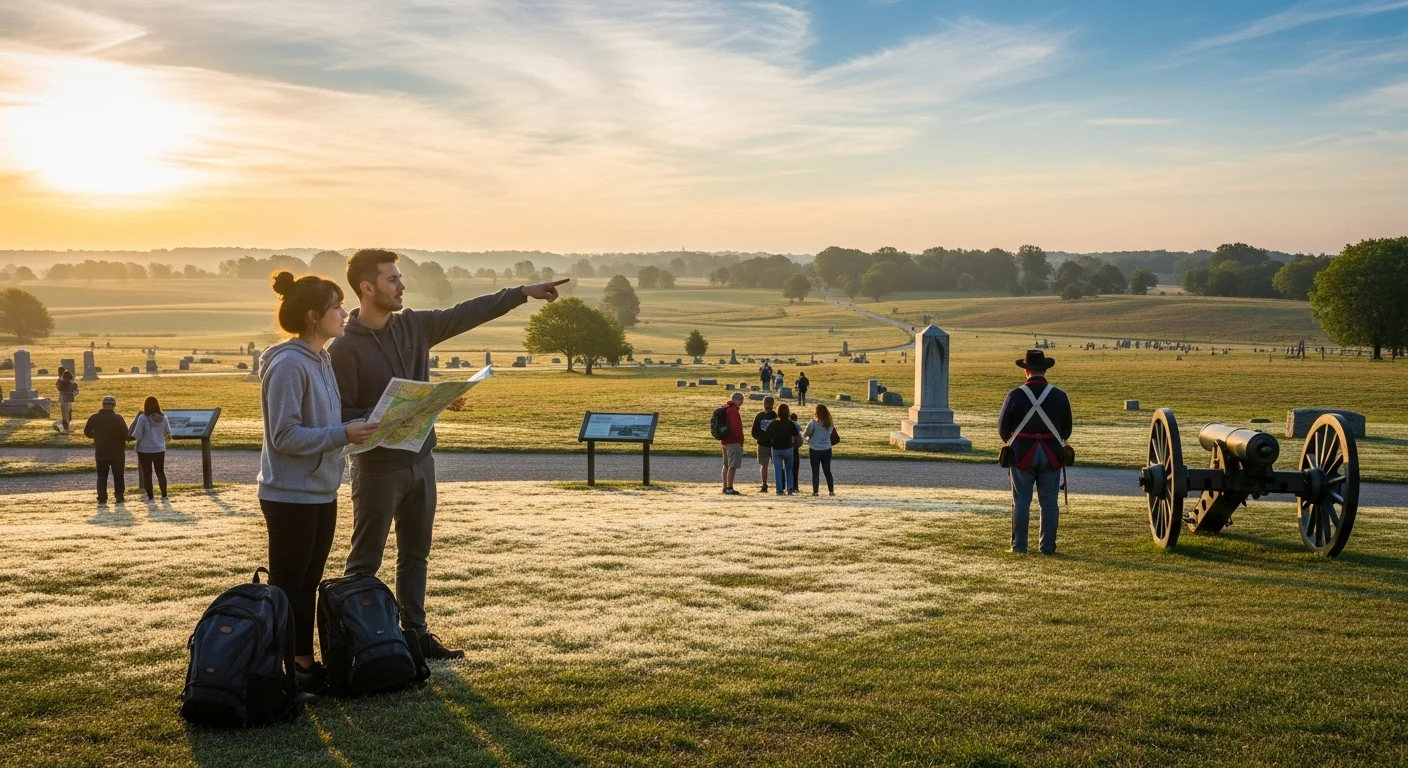
Overview of Historic Battlefields
Importance of Historic Battlefields
When I think of historic battlefields, I’m reminded of the powerful stories they hold. These sites aren’t just patches of land; they’re places where pivotal moments in history unfolded. Walking on these grounds, I often feel a sense of reverence for the sacrifices made and the lives changed forever. Each battlefield has its own unique tale, offering insights into the struggles and triumphs of those who came before us. Whether it’s the sound of cannon fire echoing in my mind or the memories of soldiers bravely facing adversity, visiting these sites has always enriched my understanding of history.
Why Visit Battlefields on a Budget?
Traveling doesn’t have to be a budget-buster, especially when it comes to visiting historic battlefields. I’ve found that many of these sites offer free entry or low-cost options, making them accessible to everyone. Plus, there’s something so rewarding about discovering rich history without breaking the bank. It allows us to focus on the experience itself rather than worrying about the cost. By visiting these battlefields on a budget, we can also spend more time exploring local culture, sampling regional cuisine, and immersing ourselves in the stories that shaped our nation. For me, this is what travel is all about. Read Interesting article: Top 10 Budget Food Festivals Around the World
Top 5 Affordable Historic Battlefields to Visit
1. Gettysburg National Military Park, Pennsylvania
Historical Significance
Gettysburg holds a special place in American history as the site of one of the Civil War’s most significant battles. I remember standing on Cemetery Hill, where the Union army took a critical stand against Confederate forces. The sheer scale of the battlefield is awe-inspiring, and I’ve often found myself lost in thought, imagining the bravery of the soldiers who fought there. It’s not just about the battles; it’s also about the larger implications for our nation’s future. The Gettysburg Address, delivered by President Lincoln, took place here, reminding us of the enduring fight for equality and unity.
Budget-Friendly Activities
Visiting Gettysburg can be quite affordable, especially with the numerous free activities available. The park itself is free to enter, and I found that driving through the battlefield and stopping at key monuments was a fantastic way to explore without spending a dime. I recommend taking advantage of the self-guided audio tours that are available for a small fee—they really enhance the experience by providing context and stories behind the sites. Additionally, the Visitor Center often has free exhibits that showcase artifacts and stories from the battle.
Best Time to Visit
The best time for me to visit Gettysburg is during the spring and fall when the weather is pleasant and the crowds are smaller. I recall wandering through the fields surrounded by colorful autumn leaves, creating a picturesque backdrop that was both serene and haunting. The annual reenactments in July celebrate the battle’s anniversary, which can be a thrilling experience, although it may be more crowded and costly. I suggest planning your trip during the shoulder seasons for the best balance of weather and budget.
2. Antietam National Battlefield, Maryland
Historical Significance
Antietam is known as the bloodiest single-day battle in American history, and visiting the site left a lasting impression on me. Walking through the peaceful fields, it was hard to imagine the chaos that once filled this landscape. The battle had crucial implications for the Civil War, leading President Lincoln to issue the Emancipation Proclamation. The stories I encountered here reminded me of the sacrifices made for freedom and how history continues to shape our society.
Budget-Friendly Activities
The park has no entrance fee, which made my visit even more enjoyable. I took a self-guided tour, which included a scenic drive through the battlefield with stops at key locations like the cornfield and the Dunker Church. I also recommend checking out the interpretive programs offered by the park rangers—they often host free talks and guided walks that are both informative and engaging. I learned so much from these experiences that I wouldn’t have discovered on my own.
Best Time to Visit
For me, the best time to visit Antietam is during the spring when the wildflowers bloom and the landscape looks stunning. Plus, the weather is generally mild, which makes exploring the area enjoyable. Fall is another great option for those who appreciate cooler temperatures and beautiful foliage. I noticed that summer can be quite hot, so if you plan to visit then, bring plenty of water and wear comfortable shoes.
3. Chickamauga and Chattanooga National Military Park, Georgia
Historical Significance
Chickamauga and Chattanooga National Military Park is a hidden gem I stumbled upon during a road trip. This park commemorates two significant battles during the Civil War, and I was amazed by the vastness of the land and the preservation of the history. Standing at the site of fierce battles, I felt the weight of the past, as it was here that strategic maneuvers shaped the outcome of the war.
Budget-Friendly Activities
Access to the park is free, which is a huge plus. I enjoyed exploring the scenic trails that wind through the battlefield, offering both a workout and a chance to reflect on history. There are also several visitor centers where I found informative exhibits that didn’t cost a penny. If you’re interested in history, I suggest participating in the ranger-led programs, which are often free and provide deeper insights into the battles and their significance.
Best Time to Visit
I believe the best time to visit Chickamauga and Chattanooga is in the spring and fall for similar reasons as the other sites—mild weather and fewer crowds. I’ve found that the fall colors create a breathtaking backdrop for the rolling hills of the battlefield, making it an ideal time for photography and reflection.
4. Vicksburg National Military Park, Mississippi
Historical Significance
Vicksburg is often referred to as the “Gibraltar of the Confederacy,” and my visit there opened my eyes to the strategic importance of this city during the Civil War. The siege that took place here was a turning point, and walking the grounds, I felt the gravity of the events. The park is rich with history, from the trenches to the monuments dedicated to the soldiers who fought bravely.
Budget-Friendly Activities
The park has a low entrance fee that I found well worth it, given the wealth of history packed into it. I enjoyed the driving tour that allowed me to explore at my own pace. There are also walking trails and picnic areas where I could take a break and appreciate the surroundings. I recommend taking part in any available ranger-led programs to enhance your understanding of the site without spending much.
Best Time to Visit
Vicksburg is most pleasant in the spring and fall, with comfortable temperatures perfect for outdoor exploration. I found that visiting during these times allowed me to fully immerse myself in the experience without the discomfort of extreme heat or humidity.
5. Shiloh National Military Park, Tennessee
Historical Significance
Shiloh is another vital Civil War battlefield that left a mark on me. The fierce fighting that occurred here had far-reaching consequences for the war. Standing amidst the memorials and markers, I felt the echoes of the past and the bravery of the soldiers who fought. Shiloh’s history is rich and layered, making it a must-visit for history buffs like myself.
Budget-Friendly Activities
The entrance fee is quite reasonable, especially considering the extensive history I encountered. I appreciated the self-guided driving tour, which made it easy to explore the battlefield at my own pace. There are also numerous walking trails where I could soak in the scenery while reflecting on the history surrounding me. I found the visitor center to be a fantastic resource with free brochures and maps that helped me navigate the site.
Best Time to Visit
For me, visiting Shiloh in the spring is ideal, when the wildflowers are in bloom and the weather is mild. Fall is also beautiful, with the changing leaves adding to the park’s beauty. I advise against visiting during the summer months, as the heat can be quite oppressive.
Planning Your Visit
Transportation Options
When I visit historic battlefields, one of the first things I think about is how to get there. Depending on where you’re coming from, there are several transportation options that can fit your budget. If you’re planning to drive, I recommend mapping out your route ahead of time. Not only can this save you money on gas, but it also allows for spontaneous stops along the way—something I always enjoy. I remember one road trip where we stumbled upon a charming little diner and a roadside historical marker that turned into a delightful detour.
If you’re flying in, look for budget airlines that might offer deals to nearby airports. Renting a car can be a good option, especially if you’re planning to visit multiple sites. I always check for deals online or try to book in advance, which has saved me quite a bit of money. Alternatively, consider using public transportation if available. While it might take a bit longer, it’s often more affordable and can give you a chance to see local scenery and culture along the way.
Where to Stay on a Budget
Finding budget-friendly accommodations can be a game changer for any trip. I’ve learned that staying in motels or budget hotels near battlefields can save a few bucks without sacrificing comfort. Websites like Airbnb can also be fantastic for finding unique places to stay, sometimes for less than traditional hotels. I remember discovering a cozy cabin not too far from Antietam that had the most peaceful surroundings, allowing me to unwind after a day of exploration.
Camping is another option that I’ve considered. There’s something truly special about falling asleep under the stars after a day filled with history. Many national parks, including some battlefields, offer campgrounds at a fraction of the cost of hotels. Just make sure to check ahead for availability and any seasonal considerations.
Local Dining on a Budget
Food is such an essential part of travel for me, and I always look for local dining options that won’t break the bank. I’ve discovered that many small towns near historic battlefields have charming family-owned restaurants that serve delicious, hearty meals. They often feature local ingredients, and I love trying regional specialties. For instance, while visiting Vicksburg, I chowed down on some Southern-style comfort food that I still dream about!
Another tip I’ve found helpful is to explore farmers’ markets or local grocery stores. Picking up some fresh produce or snacks can keep costs low and is great for a picnic at the battlefield. I remember packing a lunch with local bread and cheese while visiting Shiloh, which allowed us to enjoy a meal right in the heart of history. Read Interesting article: Experience Authentic Indigenous Cultures While Backpacking
Free Resources and Guides
Before heading to any battlefield, I always check online for free resources that can enhance my visit. Many national parks have websites filled with information about the history, visitor guides, and even downloadable maps. I’ve found that these resources can help me plan my day and ensure I don’t miss any must-see spots. Additionally, the National Park Service often offers free brochures at visitor centers, which provide great insights and can serve as keepsakes from the trip.
Don’t forget about local libraries or historical societies. While planning my visit to Chickamauga, I found a wealth of books and articles that gave me deeper context about the battles and the people involved. It made my experience so much richer. Plus, it’s a wonderful way to connect with the local community who often have a treasure trove of stories and knowledge to share.
Tips for Visiting Historic Battlefields
Safety Considerations
While exploring historic battlefields can be exhilarating, it’s important to stay safe. I always wear comfortable shoes, as many sites require a fair amount of walking, and you want to be prepared for uneven terrain. Sunscreen and a hat are must-haves, especially during the summer months. I remember one hot July day at Gettysburg, where I underestimated the sun and ended up feeling quite drained by midday. Staying hydrated is crucial, so I always carry a refillable water bottle with me.
Also, be mindful of wildlife and follow all posted guidelines. I’ve seen everything from deer to snakes, and it’s enchanting but important to respect their space. If you’re visiting during the winter months, check the weather forecast and be prepared for cold conditions; layers are key!
Best Practices for Budget Travelers
One of my favorite practices as a budget traveler is to prioritize what I really want to see and do. I’ve learned that it’s easy to get overwhelmed by all the activities available at these sites, but focusing on a few key experiences can make for a more meaningful visit. For instance, rather than trying to rush through all the monuments at Antietam, I took the time to fully appreciate just a couple of them, soaking in their history and significance.
Another tip is to travel with friends or family. Not only can it be more fun to share these experiences, but splitting costs for gas, meals, and accommodations can make a big difference in your overall budget. I’ve shared so many laughs and memories with my family on these trips, making them not just about the history but about the time spent together.
Engaging with Battlefield Tours
Participating in guided tours can be a fantastic way to deepen your understanding of the battlefield’s history. While some tours may come with a cost, I’ve often found ranger-led programs to be free or included in the entrance fee. These programs often provide stories and insights that I wouldn’t discover on my own. I remember joining a guided tour at Chickamauga where the ranger shared personal anecdotes and lesser-known facts that truly brought the battlefield to life.
Even if you opt for a self-guided tour, I recommend bringing along a guidebook or audio tour to enhance your experience. I’ve downloaded apps that provide narratives for each stop, allowing me to explore at my own pace while still learning about the significance of what I’m seeing. This blend of autonomy and education has made my visits feel much more enriching.
Exploring the Stories Behind the Battlefields
The Personal Stories of Soldiers
As I’ve visited various battlefields, I’ve often found myself thinking about the personal stories of the soldiers who fought there. These weren’t just names etched in stone; they were real people with dreams, families, and lives that were forever altered by war. I remember reading letters from soldiers at Vicksburg, where they expressed their fears and hopes. It struck me just how relatable their experiences were, even though they lived in a vastly different time. Learning about the personal sacrifices of these individuals has added a profound layer to my visits. It makes the history come alive in a way that statistics never could.
Understanding the Impact on Local Communities
It’s not just the soldiers’ stories that resonate; the impact of these battles on local communities is equally significant. I discovered how towns near these battlefields were transformed by the events that unfolded. For instance, after the Battle of Gettysburg, the town faced not only the immediate aftermath of war but also the long-term effects of being a historic site. I’ve spoken to locals who shared how their families have been intertwined with the battlefield’s history for generations, and how they’ve worked to preserve the memory of those who fought. This connection to the land and the stories it holds makes visiting these places feel even more meaningful.
Participating in Commemorative Events
One of the most memorable experiences for me was participating in commemorative events at battlefields. Many sites host annual events that honor the sacrifices made during the conflicts. At Gettysburg, I attended a candlelight memorial service that moved me deeply. The atmosphere was somber yet hopeful, as people gathered to remember the past while reflecting on its lessons for the future. These events are often free to attend and provide a unique opportunity to connect with others who share a passion for history. I’ve found that being part of these gatherings enriches my understanding of the battles and fosters a sense of community among visitors.
Exploring the Natural Beauty of the Battlefields
Connecting Nature with History
While the historical significance of battlefields is undeniably powerful, I’ve also come to appreciate the natural beauty that surrounds these sites. Many battlefields, like Chickamauga, are not only places of remembrance but also stunning landscapes that invite exploration. I often take a moment to step back from the history and simply enjoy the scenery. Whether it’s the rolling hills, majestic trees, or serene waters, nature has a way of providing a peaceful backdrop to the weighty stories of the past.
Photography Opportunities
As someone who enjoys photography, I’ve found that battlefields offer some of the most stunning backdrops for capturing moments in time. The juxtaposition of historical monuments against beautiful landscapes creates a unique visual narrative. I’ve spent hours wandering the grounds of Antietam, trying to capture the essence of the place through my lens. Early morning or late afternoon light can create dramatic shadows and highlight the contours of the land. I highly recommend bringing a camera along, as you’ll likely find plenty of opportunities to snap breathtaking photos that capture both the history and beauty of the location.
Wildlife Spotting
Another aspect I’ve enjoyed at battlefields is the chance to observe wildlife. While walking the trails at Shiloh, I’ve spotted various birds, deer, and even some playful squirrels. Each time I pause to watch these creatures, I’m reminded of the resilience of nature, even in places marked by conflict. Taking a moment to appreciate the wildlife has added a refreshing touch to my battlefield explorations and has helped me connect with the land on a deeper level.
Engaging with Local Historians and Experts
Visiting Local Museums
One of the best ways I’ve enriched my knowledge of battlefields is by visiting local museums. Many communities have small but well-curated museums dedicated to the history of their area. For example, the museum near Vicksburg offered insights into the lives of citizens during the siege, which I hadn’t considered before. Engaging with the exhibits and talking to knowledgeable staff can provide context that enhances your battlefield experience. I often leave these museums with a deeper understanding and newfound respect for the sacrifices made both on and off the battlefield.
Attending Lectures and Workshops
Some battlefields host lectures or workshops led by historians and experts. I was fortunate enough to attend a workshop at Antietam where a historian discussed the strategic significance of the battle. It was fascinating to hear firsthand accounts and analyses. These opportunities are often affordable or even free, and they can significantly deepen your understanding of the historical context. I encourage anyone visiting battlefields to look for such programs—they can transform your visit from a simple tour into a rich educational experience.
Connecting with Other History Enthusiasts
Lastly, I’ve discovered that meeting fellow history enthusiasts can be one of the most rewarding aspects of visiting battlefields. Whether it’s chatting with someone during a ranger-led tour or exchanging stories with fellow visitors, sharing experiences can lead to new friendships and insights. I remember an impromptu discussion with a family at Chickamauga who had traveled from across the country to learn more about their ancestors who fought there. These conversations remind me that history is not just about the past; it connects us all in the present.
Frequently Asked Questions
What is the significance of visiting historic battlefields?
Visiting historic battlefields allows us to connect with the past and understand the sacrifices made during pivotal moments in history. Each site offers unique stories that enrich our understanding of the struggles and triumphs of those who came before us.
Are there budget-friendly options for visiting historic battlefields?
Yes, many historic battlefields offer free entry or low-cost options, making them accessible to everyone. Budget travelers can explore these sites without worrying about high costs, allowing for a richer experience focused on history and local culture.
What are some affordable historic battlefields to visit?
Some of the top affordable historic battlefields to visit include Gettysburg National Military Park in Pennsylvania, Antietam National Battlefield in Maryland, Chickamauga and Chattanooga National Military Park in Georgia, Vicksburg National Military Park in Mississippi, and Shiloh National Military Park in Tennessee.
When is the best time to visit Gettysburg National Military Park?
The best time to visit Gettysburg is during the spring and fall when the weather is pleasant and crowds are smaller. Visiting during these shoulder seasons provides a balance of good weather and budget considerations.
What activities are available at Antietam National Battlefield?
At Antietam, visitors can enjoy a self-guided tour, scenic drives, and stops at key locations, all for free. The park also offers interpretive programs and ranger-led talks that provide informative insights into the site’s history.
What budget accommodations are recommended near battlefields?
Budget accommodations can include motels, budget hotels, or unique stays found on platforms like Airbnb. Camping options are also available at many national parks, providing an affordable way to enjoy the outdoors after a day of exploration.
How can I enhance my visit to historic battlefields?
Enhancing your visit can involve participating in ranger-led programs, utilizing guidebooks or audio tours, and engaging with local historians or attending workshops that deepen your understanding of the historical context.
What wildlife can be observed at battlefields?
Visitors may observe various wildlife such as birds, deer, and squirrels while exploring battlefield trails. This aspect of the experience adds a refreshing touch and helps connect visitors with the land’s natural beauty.
How can I save money on food while visiting historic battlefields?
Travelers can save on food costs by exploring local family-owned restaurants, farmers’ markets, or grocery stores. Packing a picnic with local ingredients is also a great way to enjoy a meal at the battlefield without overspending.
What resources are available for planning a visit to battlefields?
Before heading to battlefields, visitors can check online for free resources such as visitor guides, downloadable maps, and brochures available at visitor centers. Local libraries and historical societies can also provide valuable information and insights.