
Ready to tackle the rapids without breaking the bank? Whitewater rafting can be an exhilarating adventure, and I’m here to guide you through some of the best budget-friendly trips out there!
Overview of Whitewater Rafting
What is Whitewater Rafting?
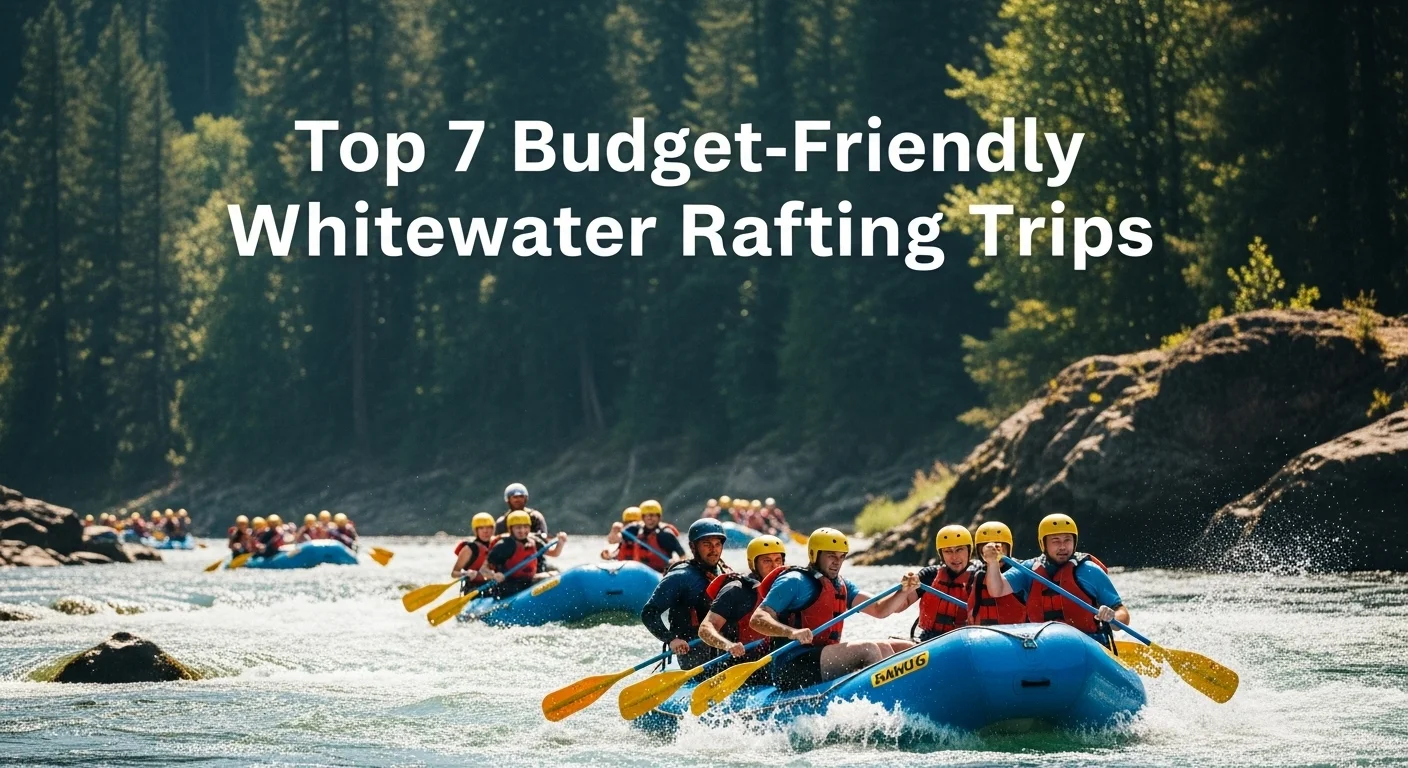
Whitewater rafting is one of those activities that really makes your heart race. It involves navigating through turbulent waters in an inflatable raft, often accompanied by a group and a guide. Depending on the river’s classification, you could be facing everything from gentle waves to intense rapids. I remember my first experience; the adrenaline rush was unlike anything else! The thrill of splashing through waves, the teamwork involved, and the breathtaking scenery made it unforgettable.
Benefits of Whitewater Rafting
There’s so much to love about whitewater rafting. For starters, it’s a fantastic way to bond with friends or family. As we paddled together, I found that communication and teamwork were essential, not just for navigating the river but also for creating lasting memories. Additionally, being out in nature is a huge perk. The rivers often flow through stunning landscapes, giving you a chance to disconnect from daily life. I’ve always felt a sense of peace and exhilaration combined when surrounded by nature’s beauty.
Whitewater rafting also offers great physical benefits. It’s a workout that engages your core and arms, and trust me, you’ll definitely feel it the next day! Plus, it can be a boost for mental well-being. The thrill of the rapids can help alleviate stress, and I’ve found that experiencing nature tends to ground me and make me feel more connected to the world around me. If you’re interested in other outdoor activities, check out Essential Gear for Budget-Friendly Winter Hiking Trips.
Types of Whitewater Rafting Classes
Understanding the different classes of whitewater is crucial before heading out. Rivers are typically classified from Class I to Class VI, based on their difficulty level. Class I rivers are mild and great for beginners, while Class VI rivers represent extreme and risky conditions, suitable only for expert rafters. I’ve personally enjoyed Class II and III trips, where the excitement is palpable but manageable. It’s all about finding the right level for your comfort and skill set.
- Class I: Easy. Fast-moving water with small waves.
- Class II: Novice. Straightforward rapids, some maneuvering required.
- Class III: Intermediate. Rapids with moderate, irregular waves; skill is needed.
- Class IV: Advanced. Intense, powerful rapids requiring precise maneuvers.
- Class V: Expert. Extremely difficult, with high risk.
- Class VI: Unrunnable. Extremely hazardous and only for the most skilled.
Top 7 Budget-Friendly Whitewater Rafting Trips
1. Colorado River, Arizona
The Colorado River offers an unforgettable experience, especially through the Grand Canyon. While it can get pricey, there are budget options available, especially if you choose to camp along the river. I remember the stunning views of the canyon walls towering above us, contrasting with the vibrant blue water. It’s an adventure that combines awe-inspiring scenery with thrilling rapids, making it a top pick!
2. Salmon River, Idaho
Known as the “River of No Return,” the Salmon River is a fantastic choice for a budget-friendly adventure. The river offers a mix of gentle stretches and exciting rapids, catering to various skill levels. I found the surrounding wilderness breathtaking, and the chance to see wildlife added an extra thrill. Plus, with many outfitters offering competitive rates, you can enjoy the adventure without spending a fortune.
3. Gauley River, West Virginia
The Gauley River is famed for its challenging rapids and stunning scenery. While it’s well-known among experienced rafters, I discovered that there are sections suitable for beginners, especially in the fall. Many companies offer budget packages during the shoulder seasons, which is a great tip for saving some cash while still experiencing top-notch whitewater.
4. New River, West Virginia
Another gem in West Virginia, the New River is perfect for families and beginners. The rapids are exciting but not too overwhelming, making it a great choice for a first-time adventure. I remember how the guides were friendly and knowledgeable, ensuring everyone felt safe while having fun. There are plenty of budget-friendly options available if you choose to go mid-week!
5. Rogue River, Oregon
For those on the West Coast, the Rogue River provides a stunning backdrop for an exciting rafting trip. With several outfitters offering budget packages, it’s possible to experience the beauty of Oregon without emptying your wallet. I loved the chance to enjoy both calm stretches and thrilling rapids, all while surrounded by lush forests and wildlife.
6. American River, California
The American River is a classic rafting destination, and for good reason. The scenic beauty is remarkable, and the rapids are thrilling yet accessible for beginners. I found several companies that offer discounted rates for group bookings, making it easy to plan a fun trip with friends without breaking the bank.
7. Shenandoah River, Virginia
If you’re looking for a more laid-back experience, the Shenandoah River is perfect. It’s ideal for families or those wanting a more relaxing day on the water. There are numerous budget options available, which makes it a great choice for a day trip without the stress of heavy costs. I’ve had countless enjoyable days floating down this beautiful river with friends and family, soaking in the peaceful scenery.
As I look back on my whitewater adventures, I find that each river has its unique charm and challenges. Whether you’re looking for adrenaline-pumping rapids or a serene float with family, there’s a budget-friendly trip out there waiting for you. Let’s explore when to go and what to bring to make the most of your rafting experience!
When to Go Whitewater Rafting
Best Seasons for Rafting
Timing your whitewater rafting trip can significantly enhance your experience. In my journey, I’ve learned that the best seasons for rafting vary based on the river and its location. Typically, late spring and early summer are considered prime times for many rivers, as the snowmelt swells the water levels, creating exciting rapids. I remember visiting the Salmon River in late June when the flow was just perfect—enough thrill without being overwhelmingly dangerous.
For rivers that receive less snowmelt, like the American River, the fall season can also provide excellent conditions. September and October offer milder weather and fewer crowds, which I personally prefer. The scenery takes on beautiful autumn colors, making the experience even more picturesque. I often recommend checking with local outfitters for specific seasonal conditions, as they can provide insights into the best times to hit the water.
Weather Considerations
Weather is another key factor that can influence your rafting adventure. I’ve encountered some surprising weather changes while on the river! It’s essential to keep an eye on the forecast leading up to your trip. For instance, a sudden rainstorm can increase the river flow and change conditions quickly, which can be exhilarating but also dangerous if you aren’t prepared.
On the flip side, sunny weather is fantastic for a day on the river, making it more enjoyable for swimming and picnics. I’ve had some fantastic days where the sun was shining, and the weather was just right for lounging on the shore after a thrilling ride. Just remember to pack sunscreen—nothing ruins a trip faster than a sunburn!
What to Bring on a Rafting Trip
Essential Gear and Equipment
Preparing for a rafting trip means knowing what gear you’ll need to make the experience enjoyable and safe. Most outfitters provide the essentials like the raft, paddles, life jackets, and helmets. However, I always like to bring a few personal items for comfort. One of my must-haves is a dry bag. Keeping my belongings dry is a priority, especially for snacks and my camera to capture the moments. I usually pack a small cooler for post-rafting refreshments. For more ideas on gear, check out Eco-Friendly Mountain Climbing: A Guide for Budget Backpackers.
Another item I never forget is a good pair of water shoes. Trust me, you don’t want to be slipping around on wet surfaces! I’ve seen too many people struggle with flip-flops or bare feet. A reliable pair of water shoes not only provides grip but also protects your feet from sharp rocks or debris. If you plan on spending time in the water, a splash jacket is a great addition. It keeps you warm while you paddle and shields you from cooler water temperatures.
Clothing Recommendations
Choosing the right clothing can make a big difference in your comfort level on the river. I recommend wearing synthetic materials or quick-dry fabrics. Cotton might feel comfortable at first, but once it gets wet, it can become heavy and cold. I usually opt for a moisture-wicking shirt and shorts that dry quickly. Layering is also a good idea, especially if the temperature fluctuates throughout the day. A light long-sleeve shirt can protect you from the sun without overheating.
And let’s not forget about swimwear! Whether you’re planning to take a dip or just want to stay cool while you paddle, wearing a swimsuit under your clothes is a wise choice. It’s also worthwhile to bring a hat and polarized sunglasses to shield your eyes from the sun and glare off the water. I remember wishing I had a hat during one particularly sunny trip—it can make all the difference!
Safety Equipment
Safety is paramount in any outdoor activity, and rafting is no exception. While outfitters typically provide life jackets and helmets, it’s a good idea to inspect the gear before you head out. I’ve learned the importance of ensuring everything fits properly. A life jacket that’s too loose or too tight can be uncomfortable and dangerous. Additionally, it’s wise to discuss safety protocols with your guide before setting off. I always find it comforting to have a clear understanding of what to do in case of a capsize or emergency.
Another piece of safety equipment I recommend is a whistle. It’s a small item that can be easily attached to your life jacket but is invaluable in case someone gets separated from the group. I also carry a first aid kit, just in case of minor scrapes or bumps along the way. It’s better to be safe than sorry, especially when navigating through rough waters.
How to Choose a Rafting Company
Researching Companies
With so many rafting companies out there, finding the right one can feel overwhelming. I’ve spent hours researching before settling on an outfitter, and I’ve learned a few tricks along the way. First, start by looking for companies that specialize in the type of rafting you’re interested in. Some focus on family-friendly trips, while others cater to thrill-seekers. I usually check their websites to see if they provide detailed information on the rivers they cover and the classes of rapids they navigate.
Another critical aspect is the experience and training of the guides. I highly value a company that emphasizes safety and has well-trained staff. It’s comforting to have an experienced guide leading the trip, as they can manage unexpected situations and ensure everyone has a fun yet safe experience. I often look for companies that have positive reputations and a good number of years in business—experience matters!
Understanding Pricing and Packages
Pricing can vary widely among rafting companies, so it’s essential to understand what’s included in the package. Some companies offer all-inclusive deals that cover meals, gear, and accommodations, while others may charge extra for these services. I’ve found that comparing packages side by side helps clarify the true cost of a trip. Pay attention to what’s included and whether there are hidden fees, such as parking or transportation costs.
Additionally, keep an eye out for discounts or special promotions. I’ve taken advantage of early booking discounts, group rates, and even off-season pricing. If you’re flexible with your dates, you can often find significant savings that make your adventure even sweeter!
Checking Reviews and Safety Records
Before booking, I always make it a point to read reviews from past customers. Websites like TripAdvisor or Yelp can provide valuable insights into the experiences of others. Look for reviews that mention guide professionalism, safety, and overall satisfaction. It’s also a good idea to check if the company has a good safety record and is licensed. I’ve learned to steer clear of companies with negative reviews, especially concerning safety concerns.
Safety Tips for Whitewater Rafting
Understanding River Classifications
Safety is a priority when it comes to whitewater rafting, and understanding river classifications is a crucial part of staying safe. Each river has its own unique characteristics, and knowing the class can help you gauge the potential risks involved. I remember when I first started rafting, I was a bit confused by the classifications, but once I got the hang of it, I felt much more prepared.
As I mentioned earlier, rivers are classified from Class I to Class VI. This system helps you understand what to expect on the water. For example, Class I and II are generally safe for beginners, while Class III rivers provide a bit more challenge but are still manageable. I’ve rafted on Class III rivers and found them exciting without being too scary. Knowing the classifications helps you choose the right river for your skills and experience level, which is vital for a fun and safe experience.
Guidelines for Beginners
If you’re new to whitewater rafting, there are some essential guidelines to follow. Firstly, listen to your guide—they’re there to keep you safe and provide valuable advice. I’ve always found that paying attention to the safety briefing before hitting the water makes a big difference. They’ll go over paddling techniques, how to respond in different situations, and what to do if you fall out of the raft. It’s all about being prepared and knowing what to expect!
Another tip is to keep your body positioned correctly. When you’re in the raft, make sure to sit with your feet firmly on the floor and your knees bent. This helps maintain your balance, especially during turbulent waters. I’ve had moments where I leaned too far and almost toppled over, so I learned quickly to keep my center of gravity low. Also, don’t forget to wear your life jacket at all times. It may feel uncomfortable at first, but it’s a crucial piece of safety gear that can save your life.
Finally, don’t hesitate to communicate with your fellow rafters. Yelling out instructions or warnings can make all the difference in navigating tricky sections of the river. I’ve found that teamwork is vital, and we always felt more secure when everyone was on the same page.
Emergency Procedures
Even with the best preparations, emergencies can happen on the river. Knowing what to do in an unexpected situation is key to ensuring everyone’s safety. Before heading out, I always ask my guide about emergency procedures. It’s reassuring to have a plan in place. For instance, if someone falls overboard, the guide usually instructs everyone to paddle to the nearest bank and regroup.
In addition, it’s helpful to know how to perform a “T-rescue,” which is a technique for rescuing someone who has fallen out of the raft. I’ve practiced this during training sessions, and it’s amazing how much calmer I felt knowing I had the skills to help a fellow rafter. I always recommend that beginners familiarize themselves with the procedures so they can act confidently if the need arises.
Lastly, having a first aid kit on board is a must. I never go rafting without one, as it provides peace of mind in case of minor injuries. It’s better to have it and not need it than to need it and not have it! Just remember, safety is not just about having the right gear; it’s also about being mentally prepared and aware of your surroundings.
Cost Breakdown of a Rafting Trip
Typical Costs for Budget Trips
As we dive into the costs of whitewater rafting, I want to share what I’ve learned from my adventures. Typically, the price of a rafting trip can range from $50 to $200 per person, depending on the location, duration, and type of trip. I’ve found that half-day trips are usually more affordable, making them a great option for those on a budget.
In my experience, multi-day trips can be pricier, sometimes exceeding $500 per person, but they often include meals and camping, which can be a fun way to extend the adventure. I remember one time we went on a two-day rafting trip on the Salmon River, and the cost included not just the rafting but also delicious meals prepared by our guides. The experience was worth every penny!
Hidden Fees to Watch Out For
One important lesson I’ve learned is to be mindful of hidden fees when booking a rafting trip. These can sneak up on you if you’re not careful! For example, some companies charge extra for gear rentals, transportation, or even park entrance fees. It’s always a good idea to ask about what’s included in the price upfront.
Another fee that caught me off guard was the cost of photos. Many outfitters offer professional photos of your trip, which can be a fun keepsake, but they often come at an additional cost. I usually weigh the options—if the price is reasonable, I’ll splurge for those memories, but if it’s too high, I stick to taking my own photos. Just be sure to clarify all costs when booking, so you’re not surprised when it’s time to pay!
Tips for Saving Money
If you’re looking to save money on your rafting adventure, I’ve got a few tips that have worked well for me. Firstly, consider going during the off-peak season. Many outfitters offer discounts during the shoulder seasons when they’re trying to attract more customers. I’ve gone rafting in early May and found rates were significantly lower than in the peak summer months.
Group bookings can also lead to great savings. If you can gather a crew of friends or family, many companies offer group rates that can make the trip much more affordable. I’ve coordinated group trips in the past and was amazed at how quickly the costs came down when we all pitched in together.
Finally, always keep an eye out for promotions. I’ve stumbled upon deals through social media, newsletters, or local tourism websites. Signing up for newsletters from rafting companies has often led to exclusive discounts. It’s worth taking a few moments to do your research and find the best deals to make your rafting adventure fit your budget!
Frequently Asked Questions
What is whitewater rafting?
Whitewater rafting is an adventurous activity that involves navigating turbulent waters in an inflatable raft, often with a group and a guide. It provides varying levels of excitement depending on the river’s classification, from gentle waves to intense rapids.
What are the physical and mental benefits of whitewater rafting?
Whitewater rafting offers physical benefits by engaging core and arm muscles, providing a workout. Mentally, it can alleviate stress and enhance well-being, while also allowing individuals to connect with nature and create lasting memories with friends or family.
How are rivers classified in whitewater rafting?
Rivers are classified from Class I to Class VI based on difficulty. Class I rivers are easy and suitable for beginners, while Class VI rivers are unrunnable and only for experts. Other classes include novice (Class II), intermediate (Class III), advanced (Class IV), and expert (Class V).
What are some budget-friendly whitewater rafting trips?
Some budget-friendly options include the Colorado River in Arizona, Salmon River in Idaho, Gauley River in West Virginia, New River in West Virginia, Rogue River in Oregon, American River in California, and Shenandoah River in Virginia.
When is the best time to go whitewater rafting?
The best seasons for whitewater rafting are typically late spring and early summer when snowmelt increases water levels. For rivers with less snowmelt, fall can also offer excellent conditions with milder weather and fewer crowds.
What essential gear should I bring on a rafting trip?
Essential gear includes a dry bag for personal belongings, water shoes for grip and protection, a splash jacket for warmth, and appropriate clothing made from synthetic materials. Additionally, safety gear like a whistle and a first aid kit is recommended.
How can I choose a good rafting company?
Research rafting companies by looking for those specializing in your desired type of trip. Check the experience and training of the guides, understand the pricing and packages offered, and read reviews to ensure safety and customer satisfaction.
What should I be aware of regarding rafting trip costs?
Costs for rafting trips typically range from $50 to $200 per person, depending on location and duration. Multi-day trips can exceed $500, but they often include meals and camping. Be cautious of hidden fees for gear rentals, transportation, and photos.
What are some tips for saving money on rafting trips?
To save money, consider going during the off-peak season when rates are lower, arrange group bookings for discounts, and keep an eye out for promotions through social media or newsletters from rafting companies.
What safety precautions should beginners take when rafting?
Beginners should listen to their guide for instructions, maintain proper body positioning in the raft, communicate with fellow rafters, and always wear a life jacket. Understanding emergency procedures and practicing safety skills is also essential for a safe experience.