
South America is a vibrant tapestry of cultures, and its food festivals are a delicious way to experience that. From traditional dishes to local wines, these festivals celebrate the rich culinary heritage that each country has to offer. Read Interesting article: Cultural Food Festivals You Can’t Miss on a Budget
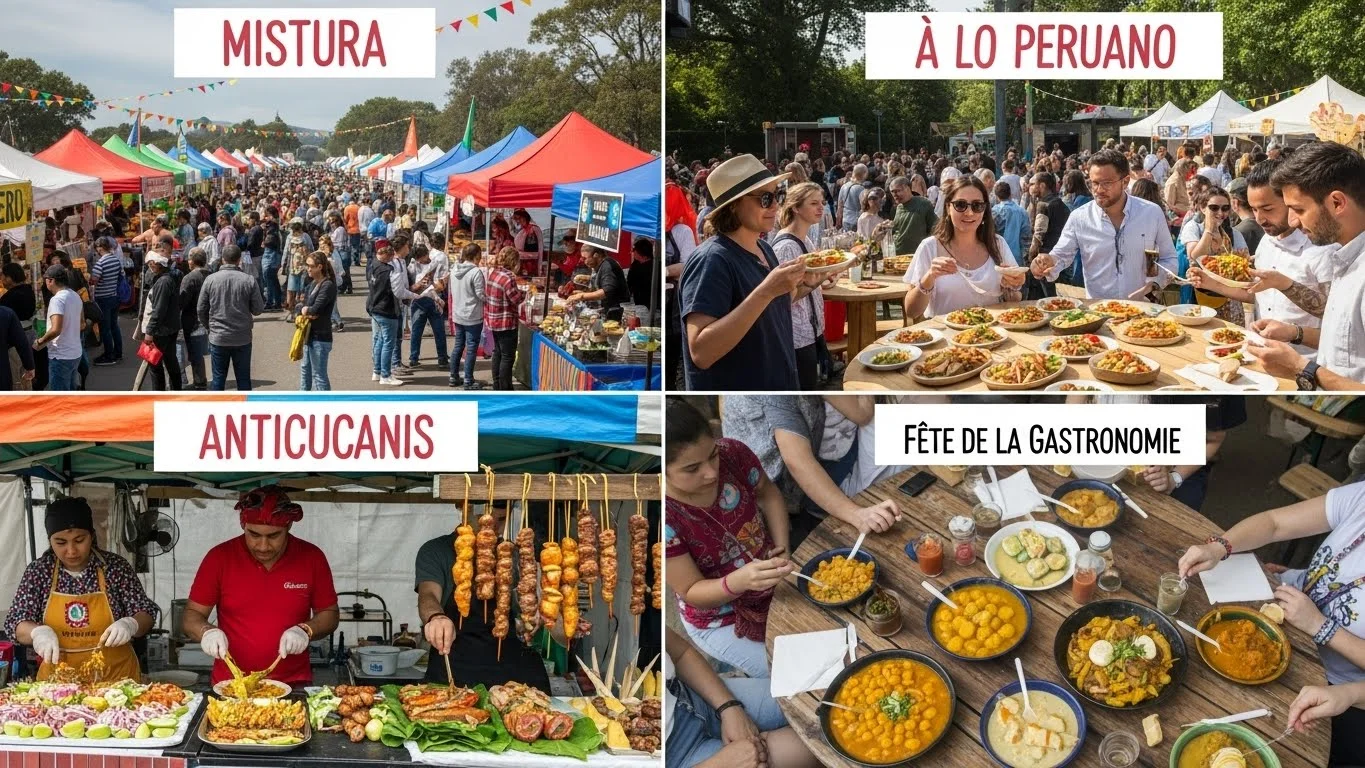
Overview of Cultural Food Festivals in South America
Importance of Food Festivals in South American Culture
Food festivals in South America are more than just events; they are a celebration of identity, community, and history. When I first attended a food festival, I realized how deeply they are rooted in the culture of each country. These festivals often coincide with significant agricultural seasons or cultural milestones, highlighting the importance of food as a way to bring people together. It’s incredible how food can create connections, bridging gaps between generations and diverse communities.
How Festivals Reflect Local Traditions and Culinary Heritage
One thing I’ve noticed about these festivals is how they showcase the culinary heritage unique to each region. Each dish tells a story, often passed down through generations. For instance, at a festival in Peru, I tasted ceviche that was prepared using techniques that have remained unchanged for centuries. This culinary storytelling fosters a sense of pride in local traditions, allowing locals to share their unique flavors and histories with the world.
Top 7 Cultural Food Festivals in South America
1. Fiestas de la Vendimia (Grape Harvest Festival) – Mendoza, Argentina
When to Visit
The Fiestas de la Vendimia takes place every March, celebrating the grape harvest in the heart of Argentina’s wine country. I remember the excitement in the air as people from all over the world gathered to toast this annual event. It’s a time when the region comes alive with music, dance, and, of course, wine.
Key Events and Activities
The festival features a grand parade with elaborate floats, showcasing the beauty of the region and its vineyards. There are also live performances that highlight local talent, and food stalls offering delicious regional cuisine. I found myself dancing along with locals, feeling like part of the festivities. Be prepared for wine tastings and to learn about the winemaking process, which is a fascinating experience in itself. Read Interesting article: Experience the Best Wine and Cheese Festivals This Year
Local Wines to Try
Mendoza is known for its Malbec, so it’s a must-try when you visit. I particularly enjoyed tasting a few different varieties at the festival. Each wine had its own character, reflecting the unique terroir of the region. Don’t miss the chance to sip some Torrontés, a white wine that’s aromatic and refreshing, perfect for pairing with local dishes.
2. Festival Gastronomico de Lima – Lima, Peru
When to Visit
This festival typically takes place in late August. I can’t emphasize enough how incredible it is to be in Lima during this time! The city buzzes with energy as it showcases its culinary scene, which is now recognized as one of the best in the world.
Highlighting Peruvian Cuisine
At the Festival Gastronomico, I discovered an array of dishes that blend various influences—Indigenous, Spanish, and Asian. The street food scene is vibrant, with stalls serving everything from anticuchos (grilled skewers) to causa (potato dish). Each bite was a journey through Peru’s rich culinary history, which I found utterly captivating.
Famous Chefs and Restaurants Participating
What blew me away were the celebrity chefs who took part in the festival. Many of them have made a name for themselves internationally but remain deeply connected to their roots in Peru. I even attended a cooking demonstration by one of my favorite chefs, and it was incredible to see the passion they bring to their craft. It felt like a masterclass in flavors and techniques that I could take home with me.
3. Feria Internacional del Libro – Buenos Aires, Argentina
When to Visit
Held every April, this festival is a book lover’s paradise, but what makes it special for foodies like me is the gastronomic component. Walking through the fair, you’ll find various booths dedicated to food, offering a delightful mix of literature and cuisine.
Food Pairings with Literary Events
During my visit, I found that certain food pairings were created to complement book discussions. It was fascinating to see how food and literature intertwine. I enjoyed a discussion on Argentine literature while sipping on a glass of Malbec and indulging in empanadas—a perfect way to savor both the culture and flavors of Argentina.
Workshops and Tastings
In addition to the literary events, there are cooking workshops that highlight classic Argentine recipes. I participated in one where we learned to make dulce de leche. The sweet, creamy dessert is a staple in Argentine homes, and making it was a fun way to connect with the local culture. I left the workshop not only with a jar of my creation but also with a deeper appreciation for Argentine culinary traditions.
Top 7 Cultural Food Festivals in South America
4. Festival de la Cultura Guaraní – Paraguay
When to Visit
The Festival de la Cultura Guaraní usually takes place in September, coinciding with the spring season in Paraguay. I had the opportunity to visit during this vibrant time, and the atmosphere was nothing short of magical. The festival is held in various towns across the country, but I found the celebration in the capital, Asunción, particularly special. The streets were adorned with colorful decorations, and the sounds of traditional music filled the air.
Traditional Guaraní Dishes
What struck me most about this festival was the emphasis on traditional Guaraní food. I remember trying dishes like chipa, a cheese bread that’s a staple in Paraguayan households, and sopa paraguaya, a cornbread that has a unique texture. Each bite was a taste of the rich cultural heritage of the Guaraní people. I also loved the opportunity to sample tereré, a refreshing drink made from yerba mate, which is enjoyed cold. Sharing tereré with locals was a great way to connect and learn about their customs.
Performances and Cultural Activities
The festival goes beyond just food; it features traditional music and dance performances that showcase Guaraní culture. I found myself captivated by the rhythmic beats of the drums and the vibrant costumes worn by the dancers. We even joined in a traditional dance, which was a fun way to immerse ourselves in the experience. Workshops were available where I learned about the Guaraní language and crafts, further enriching my understanding of this beautiful culture.
5. Festival de Comida de Calle – Santiago, Chile
When to Visit
This festival usually takes place in November, right at the end of the spring season. I had the chance to experience the Festival de Comida de Calle in the bustling streets of Santiago, and it was a foodie’s dream come true. The aroma of grilled meats, fresh seafood, and vibrant salsas filled the air, enticing everyone to explore the diverse offerings.
Must-Try Street Foods
During my visit, I indulged in a variety of street foods that truly represented the heart of Chilean cuisine. The completos, which are Chilean-style hot dogs, topped with avocado and mayonnaise, were absolutely delicious. I also enjoyed empanadas filled with seafood, which reflected the coastal influence of the country. For dessert, trying the alfajores—sweet cookies filled with caramel—was a delightful experience that I still think about! Read Interesting article: Must-Visit Street Food Festivals in Asia This Year
Local Vendors and Their Stories
What made this festival even more special was meeting the local vendors. Each of them had a story to tell about their dishes and how they came to be part of this culinary landscape. I remember chatting with a family who had been selling their famous empanadas for generations. Their passion for cooking was evident, and it felt rewarding to support small businesses while enjoying their mouth-watering creations.
6. Carnaval – Rio de Janeiro, Brazil
When to Visit
Carnaval in Rio de Janeiro is an iconic event that draws millions of visitors every year, taking place in February or early March. I decided to experience it firsthand, and the energy was electrifying! While the parades and samba music are the main attractions, the food is equally impressive and deserves its own spotlight.
Food Traditions During Carnaval
During my time at Carnaval, I discovered an array of traditional Brazilian foods. Street vendors offered everything from feijoada, a hearty black bean stew with pork, to pastéis, which are savory pastries filled with cheese or meat. The sheer variety of flavors was overwhelming, and I found myself sampling as much as I could. Each dish told a story of Brazilian culture, and it felt like a celebration of the country’s diversity.
Popular Dishes to Experience
One dish that I absolutely fell in love with was pão de queijo, a cheese bread that’s crispy on the outside and chewy on the inside. It paired perfectly with a cold caipirinha, Brazil’s national cocktail made with cachaça, lime, and sugar. I spent hours wandering the streets, enjoying the food and the festive atmosphere while soaking up the vibrant culture around me.
7. Festival Internacional de Gastronomía – Quito, Ecuador
When to Visit
This festival typically occurs in late September, and I was fortunate enough to be in Quito during this time. The festival attracts food lovers from all over the world, eager to explore Ecuador’s diverse culinary landscape. Quito’s historic center served as a stunning backdrop for the event, with its colonial architecture enhancing the experience.
Featured Dishes and Ingredients
At the Festival Internacional de Gastronomía, I was introduced to unique ingredients like quinoa and aji peppers, which are staples in Ecuadorian cuisine. Each booth showcased traditional dishes such as ceviche de chochos, which is made with Andean lupin beans, and llapingachos, delicious potato pancakes served with avocado and sausage. The flavors were bold and distinctive, and I felt like I was taking a culinary tour of the country.
Workshops and Cooking Demonstrations
One of the highlights of the festival was participating in a cooking demonstration by a renowned local chef. I learned how to prepare traditional Ecuadorian dishes, and it was a hands-on experience that I truly cherished. The chef’s passion for using fresh, local ingredients inspired me, and I left with new recipes and a greater appreciation for Ecuadorian cuisine.
Planning Your Visit to Food Festivals
Best Time to Visit South America for Food Festivals
When planning a trip to South America for food festivals, timing is crucial. Each country has its own calendar of events, and attending during the peak festival season can enhance your experience immensely. I’ve learned that March is an excellent month for wine enthusiasts in Argentina, while late August is a culinary treasure trove in Peru. If you want to delve into the rich harvest traditions, September in Paraguay is perfect. I’d recommend checking the specific dates for each festival, as they can vary slightly each year. By doing a bit of research, you can maximize your festival-hopping adventures and immerse yourself in the vibrant culinary culture of South America.
Accommodations Near Major Festivals
Finding the right place to stay during these festivals can significantly impact your experience. I remember booking a cozy guesthouse near the Fiestas de la Vendimia in Mendoza, and it made my trip so much more enjoyable. Being close to the festival allowed me to easily join in the festivities without the hassle of long commutes. Many cities offer a range of accommodations, from charming hostels to luxurious hotels. I suggest looking for places that offer festival packages or deals, as they often include transportation or special access to festival events. It’s also a good idea to book early, especially for popular festivals, as spots fill up quickly!
Transportation Options for Festival-Goers
Getting around during festival time is another aspect worth considering. Public transportation can be a convenient option, but I’ve found that renting a car can provide more flexibility, especially in rural areas where some festivals take place. For instance, navigating the vineyards during Mendoza’s grape harvest was much easier with my own wheels. Many cities also offer rideshare services, which can be handy if you want to indulge in local wines without worrying about driving. I recommend checking out local transportation apps, as they often have festival-specific routes and discounts. No matter how you choose to travel, make sure to plan ahead so you can focus on enjoying the food and festivities!
What to Expect at South American Food Festivals
Types of Food Available
One of the most exciting aspects of attending a food festival in South America is the sheer variety of food on offer. I’ve found that these festivals often feature a mix of traditional and contemporary dishes, showcasing the culinary evolution of each region. For instance, at the Festival Gastronomico de Lima, I was amazed by how classic Peruvian flavors were interpreted in innovative ways by local chefs. You can expect to find everything from street food staples like arepas and empanadas to gourmet creations that highlight local ingredients. Sampling a wide range of dishes offers a delicious glimpse into the culture and history of the area.
Entertainment and Activities
Food festivals are not just about eating; they’re lively celebrations full of entertainment and activities. From my experience, you’ll find live music, dance performances, and cooking demonstrations that bring people together. At the Carnaval in Rio de Janeiro, the vibrant samba music created an electrifying atmosphere that complemented the food perfectly. In addition to performances, many festivals host workshops where you can learn to make traditional dishes. Participating in these activities has given me a deeper appreciation of the culinary arts and the skills involved in creating beloved local dishes. It’s a fantastic way to engage with the culture beyond just tasting the food.
Safety Tips for Attendees
While food festivals are a blast, it’s essential to keep safety in mind. I’ve learned a few tips that have helped me have a worry-free experience. Firstly, stay hydrated, especially if you’re indulging in rich foods and local beverages. I also recommend keeping an eye on your belongings, as festivals can get crowded. It’s a good idea to carry a small bag with just the essentials. If you’re trying street food, choose vendors that have a good crowd; this usually indicates freshness and quality. Lastly, trust your instincts—if something doesn’t seem right or feels off, don’t hesitate to walk away. With a little preparation, you can focus on enjoying all the flavors and fun these festivals have to offer!
Final Thoughts
Experiencing food festivals in South America has been one of the most rewarding adventures of my life. It’s not just about the food; it’s about the stories, the people, and the culture that surrounds every dish. Each festival feels like a celebration of shared history and community. I think back to the vibrant streets of Mendoza, where the air was thick with the aromas of freshly harvested grapes, and the sound of laughter and music echoed in every corner. These moments have stayed with me, reminding me of how food can create a sense of belonging.
As I attended each festival, I was struck by the passion and dedication of the local vendors and chefs. They shared their culinary secrets and traditions with such pride. I felt honored to be part of their celebrations, learning about the history behind each ingredient and dish. The warmth of the people and their hospitality left a lasting impression on me. I believe that food festivals truly showcase the heart and soul of each region, allowing visitors to connect deeply with the culture.
For anyone considering visiting South America for its food festivals, I wholeheartedly encourage you to dive in. Whether you’re a seasoned traveler or a first-time visitor, there’s so much to learn and experience. From sampling street food to attending cooking classes, each activity offers an opportunity to explore the unique flavors that define this diverse continent. I’ve come away from each festival not only with a satisfied palate but also with new friends and cherished memories.
So pack your bags and get ready for an unforgettable culinary journey. South America is waiting to share its rich tapestry of flavors with you. Embrace the chance to taste, learn, and connect with the local culture. I know that once you experience these festivals, you’ll carry a piece of South America with you long after the last bite. Happy travels, and may your culinary adventures be as delicious as mine!
Frequently Asked Questions
What is the significance of food festivals in South America?
Food festivals in South America are a celebration of identity, community, and history. They highlight the importance of food in bringing people together and often coincide with significant agricultural seasons or cultural milestones.
How do food festivals reflect local traditions and culinary heritage?
These festivals showcase the unique culinary heritage of each region, with dishes that tell stories passed down through generations. They foster pride in local traditions and allow locals to share their unique flavors and histories with the world.
When does the Fiestas de la Vendimia take place, and what can visitors expect?
The Fiestas de la Vendimia takes place every March in Mendoza, Argentina. Visitors can expect a grand parade, live performances, wine tastings, and delicious regional cuisine, especially Malbec and Torrontés wines.
What are some highlights of the Festival Gastronomico de Lima?
This festival, typically held in late August, showcases Lima’s culinary scene, featuring a variety of dishes influenced by Indigenous, Spanish, and Asian cuisines. Celebrity chefs participate, offering cooking demonstrations and vibrant street food options.
What can attendees experience at the Feria Internacional del Libro in Buenos Aires?
Held every April, this festival combines literature and gastronomy, featuring food booths that complement book discussions. Attendees can enjoy cooking workshops focused on classic Argentine recipes, such as dulce de leche.
What is unique about the Festival de la Cultura Guaraní in Paraguay?
This festival occurs in September and emphasizes traditional Guaraní food, such as chipa and sopa paraguaya. It includes vibrant cultural performances and workshops that immerse visitors in the Guaraní language and crafts.
What street foods should visitors try at the Festival de Comida de Calle in Santiago, Chile?
Visitors should try completos (Chilean-style hot dogs), seafood empanadas, and alfajores (sweet cookies filled with caramel) during this November festival, which showcases the heart of Chilean cuisine.
What food traditions are celebrated during Carnaval in Rio de Janeiro?
Carnaval, taking place in February or early March, features traditional Brazilian foods like feijoada and pastéis. It is a lively event where visitors can sample a variety of flavorful dishes while enjoying the festive atmosphere.
What unique ingredients can be found at the Festival Internacional de Gastronomía in Quito, Ecuador?
This festival, held in late September, features unique ingredients such as quinoa and aji peppers. Attendees can enjoy traditional dishes like ceviche de chochos and llapingachos, showcasing Ecuador’s diverse culinary landscape.
What are some tips for planning a visit to South American food festivals?
Timing is crucial, as each festival has its own calendar. It’s advisable to book accommodations early, consider transportation options, and research specific festival dates to maximize the experience.