
If you’re a budget backpacker like me, finding unique wildlife experiences is not just a dream but an attainable adventure. From the breathtaking Galápagos Islands to the lush Amazon Rainforest, there are countless opportunities to connect with nature without breaking the bank. For those seeking even more adventures, check out our list of Top 10 Wildlife Safari Destinations for Budget Travelers.
Understanding Unique Wildlife Experiences
What Defines Unique Wildlife Experiences?
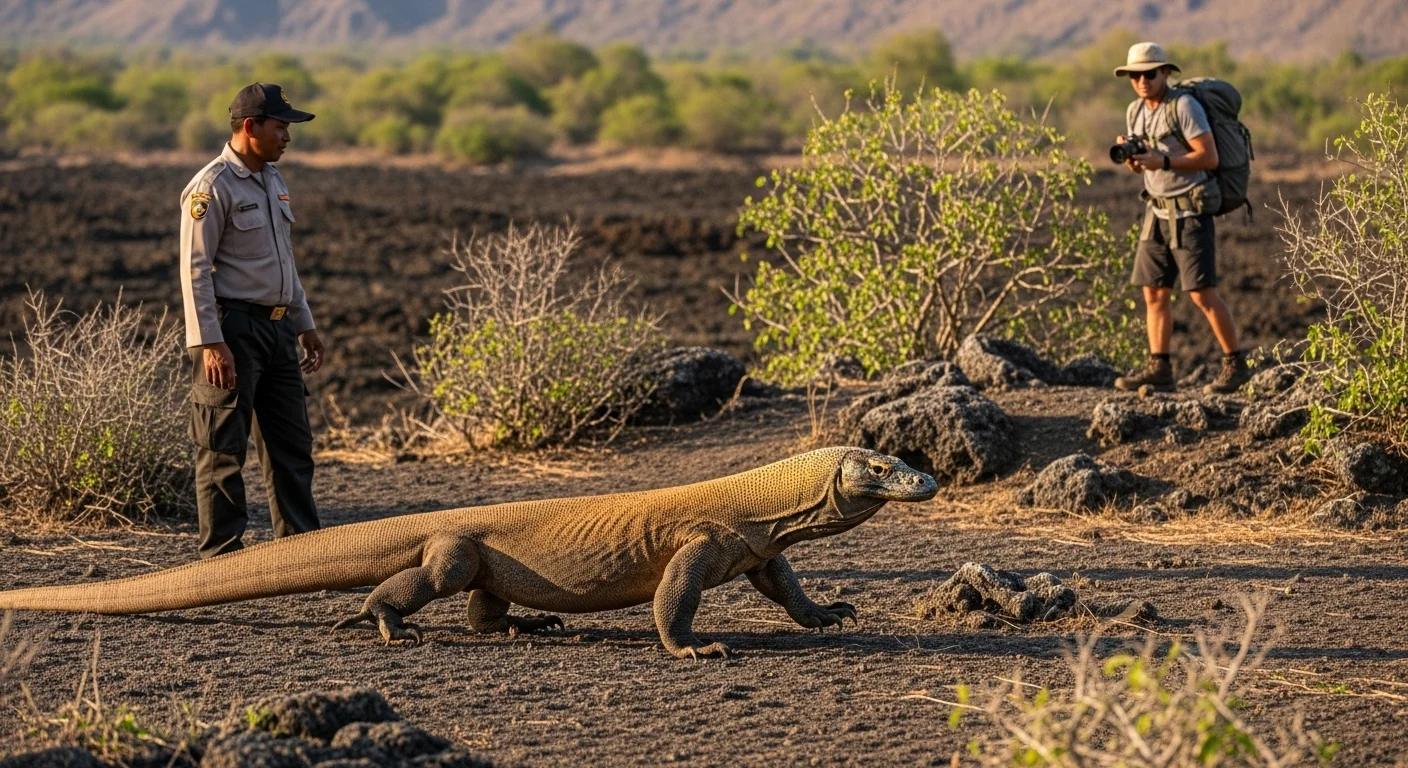
Unique wildlife experiences go beyond the typical zoo visit or nature documentary. They involve immersing yourself in the natural habitats of animals, witnessing their behaviors firsthand, and learning about the ecosystems they inhabit. I remember my first encounter with wildlife in the wild—it was an eye-opening moment that made me appreciate the beauty and complexity of nature. Unique experiences often include activities like hiking, volunteering, or partaking in guided tours that allow for authentic interactions with wildlife.
The Importance of Wildlife Conservation
As I delved deeper into my travels, I realized that wildlife experiences are intertwined with conservation efforts. Many areas depend on eco-tourism to fund their conservation projects. By participating in wildlife encounters, we contribute to preserving these habitats and the species that inhabit them. I’ve seen firsthand how responsible travel can make a difference. It’s not just about seeing animals; it’s about understanding their role in our world and advocating for their protection.
Top 7 Unique Wildlife Experiences for Budget Backpackers
1. Exploring the Galápagos Islands, Ecuador
Overview of the Islands
The Galápagos Islands are a dream come true for wildlife lovers. Known for their unique species and stunning landscapes, each island offers something special. I was captivated by the idea of walking alongside giant tortoises and observing marine iguanas basking in the sun. The islands are a UNESCO World Heritage site, which adds to their allure. The best part? You don’t need a fortune to explore them.
Budget-Friendly Accommodation Options
When I visited, I found plenty of affordable hostels and guesthouses. Many budget options provide basic amenities while allowing you to stay close to the action. I recommend looking for places in Puerto Ayora, which is a hub for exploring the islands. You can also consider camping on some islands, which is both economical and a unique experience. Just remember to book ahead, especially during peak season, to secure the best deals.
Wildlife Highlights: Giant Tortoises, Marine Iguanas
The wildlife highlights of the Galápagos are truly astonishing. I had the chance to see the iconic giant tortoises in their natural habitat, and it was a moment I’ll never forget. Watching marine iguanas dive into the ocean was equally mesmerizing. Along with the diverse bird species, including the famous blue-footed boobies, there’s no shortage of incredible wildlife encounters. Guided tours can be reasonable, especially if you join a group, allowing you to share costs while exploring together.
2. Safari in Kruger National Park, South Africa
Park Overview and Accessibility
South Africa’s Kruger National Park is one of the largest game reserves in Africa and a must-visit for any wildlife enthusiast. Its vast landscapes host an impressive array of wildlife. I was amazed at how accessible the park is, with numerous entrances and a variety of routes to explore. Whether you’re self-driving or joining a guided tour, Kruger is an adventure waiting to happen. If you’re planning a safari, be sure to read our guide on How to Prepare for an Unforgettable Wildlife Safari Trip.
Affordable Safari Options: Self-Drive vs. Guided Tours
One of my favorite aspects of Kruger is the option to self-drive. It’s budget-friendly and offers a sense of freedom as you navigate through the park. Just pack some snacks, and you’re ready to go! Alternatively, guided tours can be affordable, particularly if you book in advance or share costs with fellow travelers. I found both options rewarding, each offering a unique perspective on the wildlife.
Wildlife Spotting: The Big Five and More
Kruger is famous for the Big Five: lions, leopards, elephants, buffaloes, and rhinoceros. I was fortunate enough to spot all five during my visit, which felt like a personal triumph! But the park is also home to countless other animals, from giraffes to hippos. The thrill of seeing these majestic creatures in the wild is something every traveler should experience at least once.
3. Whale Watching in Tofino, Canada
Best Time for Whale Watching
Tofino, located on Vancouver Island, is a hidden gem for whale watching. I discovered that the best time to visit is between March and October, when gray whales migrate along the coast. The excitement of spotting a whale is contagious, and the stunning coastal scenery only enhances the experience. Each tour I took offered a unique perspective on these gentle giants.
Budget Tours and Packages
There are numerous budget-friendly whale watching tours available in Tofino. I found that booking early often led to discounts, especially for mid-week tours. Some companies even offer group rates, allowing you to share costs with fellow adventurers. The thrill of seeing a whale breach the surface is worth every penny spent on the tour.
Other Marine Wildlife: Sea Lions, Otters
During my whale watching excursions, I was pleasantly surprised by the abundance of other marine wildlife. Sea lions basking on rocks and playful otters swimming alongside the boat added to the excitement. I recommend keeping your camera ready because these moments are perfect for capturing memories. Tofino is not just about whales; it’s a vibrant ecosystem teeming with life.
4. Bird Watching in Costa Rica
Top Birding Locations: Monteverde and Manuel Antonio
When I think about bird watching, Costa Rica immediately comes to mind. This small Central American country is a bird lover’s paradise, boasting over 900 species. I had the pleasure of visiting Monteverde and Manuel Antonio, two spots famous for their biodiversity. In Monteverde, the cloud forests provide a misty backdrop for spotting hummingbirds, quetzals, and more. I remember standing still, barely breathing, as a resplendent quetzal flitted past me—its brilliant colors were unforgettable. Then, in Manuel Antonio, the coastal scenery combined with lush rainforest offered a different variety of birds, including scarlet macaws and hawks. Each place had its unique charm, and the thrill of spotting a rare bird kept me on my toes.
Budget Accommodations and Transportation
Traveling on a budget in Costa Rica is entirely feasible. I found numerous hostels and guesthouses that cater to backpackers, particularly around Monteverde and Manuel Antonio. Many places offer shared kitchens, which I loved because it allowed me to save money by cooking my own meals. As for transportation, local buses are a fantastic and inexpensive way to get around. I often hopped on a bus from one town to the next, taking in the stunning landscapes along the way. It’s a great way to meet other travelers and share tips about where to find the best birding spots.
Key Species to Spot
If you’re as passionate about birds as I am, there are a few species you absolutely must look for. The resplendent quetzal, with its vibrant green and red plumage, is perhaps the most famous. I spent hours in the cloud forest hoping to catch a glimpse, and when I finally did, it was worth every moment of waiting. Other notables include the toucan, with its iconic bill, and the numerous hummingbird species flitting around the flowers. I also learned that bird-watching tours can be a fantastic way to enhance your experience, especially when led by knowledgeable local guides who know where to find elusive species.
5. Hiking in Torres del Paine National Park, Chile
Park Overview and Best Trails
Torres del Paine National Park is one of the crown jewels of Chilean Patagonia, and hiking here was one of my most exhilarating experiences. The park is famous for its stunning granite peaks, turquoise lakes, and rich wildlife. I hiked the W Trek, which took me through some of the most breathtaking landscapes I’ve ever witnessed. Each day brought new challenges and rewards, from navigating rocky paths to standing at the base of the iconic Torres del Paine. The park truly offers something for everyone, whether you’re an experienced hiker or just starting.
Camping vs. Lodging: Budget Options
For budget-conscious travelers, camping in Torres del Paine is an excellent option. I chose to camp for a few nights, which allowed me to connect more deeply with nature. Waking up to the sound of rustling leaves and distant animal calls was magical. There are established campsites within the park that provide basic amenities, making it relatively easy for first-time campers. If camping isn’t your thing, there are also budget lodges and refugios scattered throughout the park. I found that staying in refugios allowed me to meet fellow trekkers while still having a roof over my head.
Wildlife Encounters: Guanacos, Andean Condors
One of the highlights of my time in Torres del Paine was the incredible wildlife. I often spotted guanacos grazing peacefully on the hillsides, and seeing an Andean condor soar overhead was awe-inspiring. The park is home to a rich variety of wildlife, including foxes and even the elusive puma. I recommend keeping your camera handy since every hike offers the chance for a surprise encounter. The thrill of seeing these animals in their natural habitat added an extra layer of excitement to my adventure.
6. Volunteer with Rescue Animals in Thailand
Best Organizations for Budget Travelers
If you’re looking to combine travel with meaningful work, volunteering with rescue animals in Thailand can be incredibly rewarding. I found several organizations, like the Elephant Nature Park and Gibbon Rehabilitation Project, that welcome volunteers. These programs not only allow you to help animals in need, but they also immerse you in the local culture. The costs are often minimal, as they typically cover accommodations and meals during your stay. I remember my first day at the elephant sanctuary—feeding the elephants and learning about their stories touched my heart.
Types of Wildlife Involved: Elephants, Gibbons
Thailand is famous for its elephants, and volunteering at an elephant sanctuary was a highlight for me. I learned about the challenges these gentle giants face and how important it is to support ethical tourism. Additionally, I had the chance to help with gibbon conservation efforts, which involved interacting with these playful primates and learning about their rehabilitation. Each day was different, and the joy of working with animals made every moment worth it.
Benefits of Volunteering for Travelers
Volunteering not only benefits the animals but also offers personal growth for travelers. I made lifelong friends, learned new skills, and gained a deeper understanding of wildlife conservation. It’s an experience that goes beyond typical travel, allowing you to leave a positive impact while exploring a new country. I truly believe that volunteering can transform your travel experience into something special.
7. Exploring the Amazon Rainforest, Peru
Access Points and Budget Tours
Visiting the Amazon Rainforest has been one of my most thrilling adventures. When I think of the Amazon, I picture a vast, lush jungle filled with vibrant life. I began my journey in Puerto Maldonado, which serves as a gateway to the rainforest. The access points are varied, and I discovered that many budget tours are available, offering everything from day trips to multi-day excursions. I decided to join a guided tour that included accommodations in eco-lodges, which allowed me to immerse myself in the environment without stretching my budget too thin. Booking in advance often led to discounts, especially during off-peak seasons, which I found particularly helpful.
Wildlife Diversity: Monkeys, Sloths, Birds
The wildlife diversity in the Amazon is simply mind-blowing. During my explorations, I encountered playful monkeys swinging through the trees, and I couldn’t help but smile at their antics. Seeing a sloth hanging lazily from a branch was another highlight; their slow movements always seem to embody the essence of the jungle. The Amazon is also home to countless bird species, and I remember waking up to the sound of exotic calls echoing through the trees. Our guide was fantastic at pointing out species I might have otherwise missed, including toucans and macaws. I recommend packing a good pair of binoculars for bird watching; you’ll be glad you did!
Staying Safe in the Jungle
While the Amazon is a beautiful and magical place, I learned that safety should always be a priority. Follow your guide’s advice about staying on marked paths and avoiding contact with wildlife. I also found it helpful to bring along mosquito repellent and wear lightweight long sleeves to protect myself from bites. On one of my jungle hikes, we encountered a caiman sunbathing near the riverbank, and while it was thrilling to see such a creature up close, I was grateful for the guide’s instructions to keep a safe distance. The rainforest is a complex ecosystem, and respecting its inhabitants is key to having a safe and enjoyable experience.
Planning Your Wildlife Adventure
When to Go: Seasonal Considerations
Timing your wildlife adventure can make all the difference in your experience. I’ve learned that different seasons offer unique opportunities to witness various species in their natural habitats. For instance, when I visited Costa Rica, I opted for the dry season, which meant easier hiking and better birding conditions. Conversely, exploring the Amazon during the rainy season provided a different perspective, with lush greenery and vibrant flowers. I recommend researching the best times to visit each destination based on the wildlife you’re most interested in seeing, as well as the local climate.
Budgeting for Wildlife Experiences
When it comes to budgeting for wildlife experiences, I’ve found that planning is essential. I like to set aside a specific amount for excursions related to wildlife, ensuring I can cover everything from entrance fees to guided tours. I often research different options and read reviews to find budget-friendly alternatives that still offer great experiences. For example, I was pleasantly surprised by how many affordable group tours were available in places like Kruger National Park and the Galápagos Islands. Sharing costs with fellow travelers made these adventures not only more affordable but also more memorable. Additionally, it’s wise to consider your Wildlife Safari Gear: What You Really Need to Bring to ensure you’re well-prepared.
Essential Gear for Backpackers
Packing the right gear is crucial for a successful wildlife adventure. I’ve learned that less is often more when it comes to packing. A good pair of hiking boots is essential, as well as lightweight, breathable clothing suitable for various weather conditions. I also can’t stress enough the importance of a reliable backpack to carry all your essentials. For wildlife photography, I recommend bringing a decent camera with a zoom lens; capturing those incredible moments is worth it. Additionally, a refillable water bottle is a must, as staying hydrated is key to enjoying your adventures. I remember feeling much more prepared after investing in a few quality items rather than overpacking with unnecessary gear.
Wildlife Etiquette and Conservation Tips
Respecting Wildlife and Their Habitats
During my travels, I’ve come to realize how important it is to respect wildlife and their habitats. Observing animals from a distance without encroaching on their space is crucial. I remember a time in the Amazon when our group was fortunate enough to spot a family of capybaras. We watched in silence, careful not to disturb them. This moment reminded me that our presence should not disrupt their natural behaviors. Always follow guidelines provided by tour operators to ensure that wildlife can thrive in their habitats.
Supporting Local Conservation Efforts
One of the most rewarding aspects of my wildlife adventures has been supporting local conservation efforts. Many eco-tourism companies contribute a portion of their profits to conservation projects, and I always opt for these adventures. I’ve learned that by choosing responsible operators, I can enjoy my travels while contributing to the protection of these vital ecosystems. For instance, during my time in Costa Rica, I participated in a beach cleanup organized by a local conservation group, which allowed me to give back while enjoying the beautiful coastal scenery.
Responsible Photography Practices
As someone who loves capturing wildlife through photography, I’ve learned the importance of responsible practices. Always prioritize the well-being of animals over getting the perfect shot. I avoid using flash photography, as it can startle animals and disrupt their natural behavior. Instead, I focus on patience—waiting for the right moment from a respectful distance. Sharing photos on social media is a great way to inspire others, but I make sure to emphasize conservation messages along with my images. It’s vital to remember that our role as wildlife observers comes with the responsibility to advocate for their protection.
Frequently Asked Questions
What are unique wildlife experiences?
Unique wildlife experiences involve immersing yourself in the natural habitats of animals, witnessing their behaviors firsthand, and learning about the ecosystems they inhabit. These experiences often include activities like hiking, volunteering, or guided tours.
How do wildlife experiences contribute to conservation?
Wildlife experiences are intertwined with conservation efforts as many areas rely on eco-tourism to fund their conservation projects. By participating in wildlife encounters, travelers contribute to preserving habitats and advocating for species protection.
What is the best budget accommodation option in the Galápagos Islands?
Budget accommodations in the Galápagos Islands include affordable hostels and guesthouses, particularly in Puerto Ayora, which is a hub for exploring the islands. Camping on some islands is also a budget-friendly option.
What can I expect to see during a safari in Kruger National Park?
Kruger National Park is famous for the Big Five: lions, leopards, elephants, buffaloes, and rhinoceros. Additionally, visitors can spot a variety of other wildlife, including giraffes and hippos.
When is the best time for whale watching in Tofino?
The best time for whale watching in Tofino is between March and October, when gray whales migrate along the coast.
What are the top birding locations in Costa Rica?
Monteverde and Manuel Antonio are renowned birding locations in Costa Rica, offering a diverse range of species, including hummingbirds in Monteverde and scarlet macaws in Manuel Antonio.
What wildlife can be seen while hiking in Torres del Paine National Park?
In Torres del Paine National Park, hikers can encounter wildlife such as guanacos, Andean condors, foxes, and even the elusive puma.
What types of animals can I volunteer with in Thailand?
In Thailand, volunteers can work with rescue animals such as elephants and gibbons, helping with conservation efforts and learning about the challenges these species face.
How should I prepare for a visit to the Amazon Rainforest?
When visiting the Amazon Rainforest, it’s important to follow your guide’s advice, stay on marked paths, and bring essentials like mosquito repellent and lightweight long sleeves for protection.
What are some responsible wildlife photography practices?
Responsible wildlife photography practices include prioritizing the well-being of animals over getting the perfect shot, avoiding flash photography, and capturing images from a respectful distance while advocating for conservation.