
If you’re seeking spiritual growth without breaking the bank, exploring budget-friendly Buddhist pilgrimages is a fantastic way to connect with culture and history. Let’s dive into some remarkable destinations that offer meaningful experiences at a fraction of the cost. Read Interesting article: Budget-Friendly Christian Pilgrimages You Must Experience
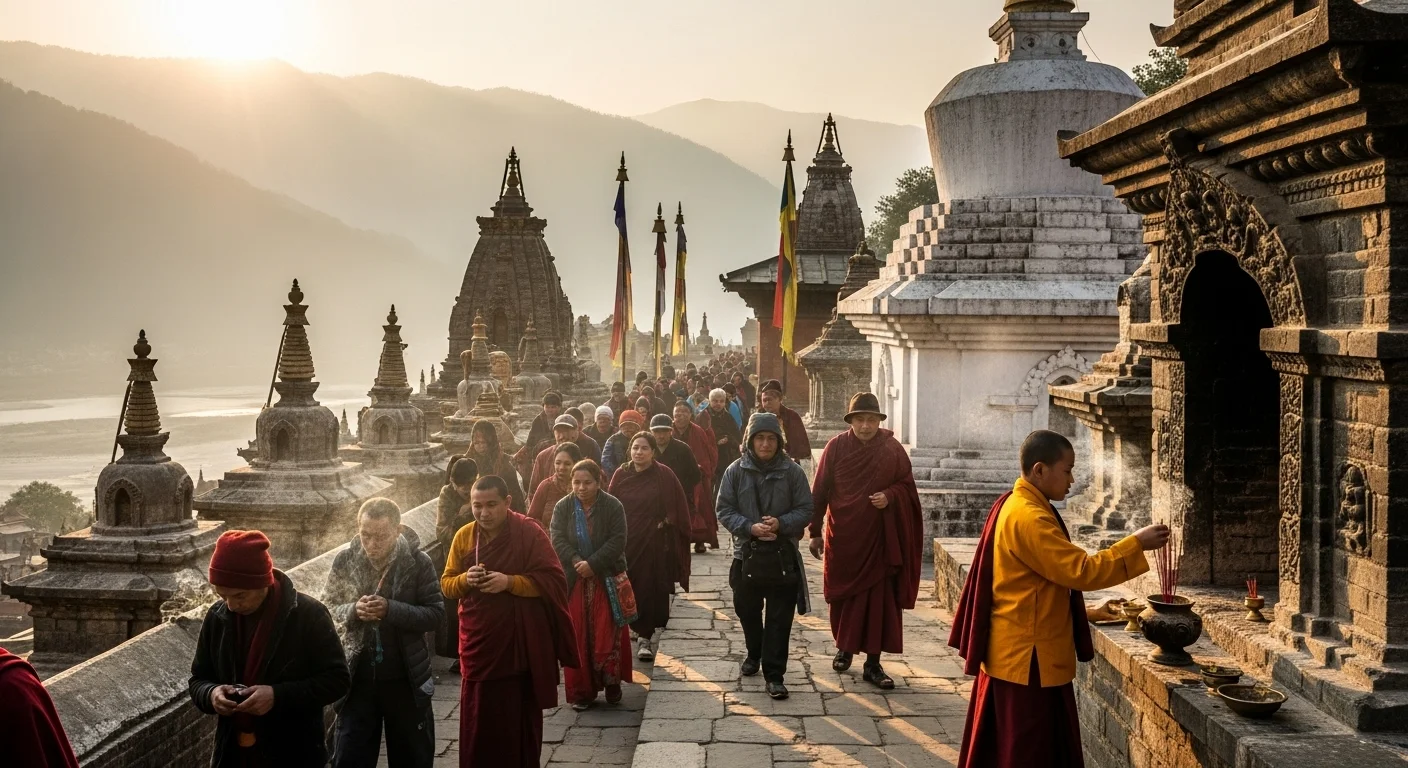
Overview of Budget-Friendly Buddhist Pilgrimages
What is a Buddhist Pilgrimage?
When I first heard the term “Buddhist pilgrimage,” I imagined serene landscapes, ancient temples, and the peaceful hum of prayer flags fluttering in the wind. A Buddhist pilgrimage involves traveling to sacred sites that are significant in the life of the Buddha or important to Buddhist teachings. These journeys are not just about reaching a destination; they are about spiritual growth and introspection. For many, walking in the footsteps of the Buddha offers a profound opportunity to reflect and meditate, providing a unique connection to their faith.
Importance of Pilgrimages in Buddhism
From my experience, the importance of pilgrimages in Buddhism cannot be overstated. They represent a journey of faith, where every step taken is imbued with spiritual significance. Many pilgrims embark on these journeys to honor the Buddha and his teachings, reconnect with their faith, or simply to find inner peace. I’ve found that these experiences can be transformative, often leading to insights that linger long after the trip ends. Additionally, the sense of community among fellow pilgrims adds a layer of warmth and shared purpose to the experience, making it even more enriching. Read Interesting article: Top 7 Budget-Friendly Hindu Pilgrimages to Explore
Top Budget-Friendly Destinations
Lumbini, Nepal
Lumbini, the birthplace of Siddhartha Gautama (who became the Buddha), is a must-visit for anyone interested in Buddhist history. When I walked through the sacred garden, I felt a deep sense of tranquility enveloping me. The site is home to the Maya Devi Temple, which marks the exact spot of the Buddha’s birth. This historical significance makes it a pilgrimage that resonates with many.
Key Attractions
Besides the Maya Devi Temple, Lumbini offers several other attractions such as the Ashoka Pillar, which dates back to the 3rd century BCE, and various monasteries built by different countries. Each monastery reflects its culture while paying homage to Buddhism, which I found fascinating. Walking among these buildings, I felt like I was experiencing a global embrace of spirituality.
Where to Stay
Accommodation in Lumbini caters to a wide range of budgets. I stayed at a charming guesthouse that offered clean rooms for a very reasonable price. There are also more upscale hotels if you prefer a bit of luxury. Many places are located close to the main attractions, making it easy to explore the area on foot.
Local Cuisine
The local cuisine is another highlight. I remember savoring delicious dal bhat (lentil soup with rice) at a local eatery. The food is not only affordable but also a great way to immerse yourself in the culture. Be sure to try the momos (Nepalese dumplings) while you’re there; they were a personal favorite of mine!
Bodh Gaya, India
Bodh Gaya is one of the most revered Buddhist pilgrimage sites, known as the place where the Buddha attained enlightenment under the Bodhi tree. I found it incredibly moving to stand in front of that ancient tree, feeling the weight of history and spirituality in the air. The site is bustling with pilgrims and tourists from around the world, creating a vibrant atmosphere.
Key Attractions
Aside from the Bodhi tree, you can’t miss the Mahabodhi Temple, a UNESCO World Heritage Site. The temple’s stunning architecture and sacred surroundings make it a perfect spot for meditation and reflection. I spent hours just sitting there, soaking in the energy of the place.
Where to Stay
Bodh Gaya offers numerous budget accommodations, from guesthouses to hostels. I had a comfortable stay at a modest guesthouse, where the owners were friendly and welcoming. The best part was that it was just a short walk from the main temple complex.
Local Cuisine
The local food scene is diverse and budget-friendly. I loved dining on thali, a platter with a variety of dishes, which was not only filling but also gave me a taste of different flavors. Street food is also abundant, and I couldn’t resist trying the chaat (savory snacks) from local vendors.
Kushinagar, India
Kushinagar is where the Buddha passed away and attained Parinirvana. Visiting this less touristy location was like uncovering a treasure. The peaceful ambiance offered a deep sense of contemplation, and I remember feeling a profound connection to the teachings of the Buddha while walking through the serene gardens.
Key Attractions
The main attractions include the Nirvana Temple, which houses a colossal reclining Buddha statue, and the Parinirvana Stupa. Each site carries a story, and I found myself captivated by the history surrounding every corner.
Where to Stay
Accommodations in Kushinagar are reasonably priced. I found a simple hotel that provided all the basics I needed. The friendly staff made my stay even more pleasant, and I appreciated their tips on local sights.
Local Cuisine
When it comes to food, Kushinagar offers delightful vegetarian options. I relished a simple meal of rice and vegetable curry, which was both delicious and light on the wallet. Exploring local eateries allowed me to mingle with residents and share stories, enhancing my experience.
Sarnath, India
Sarnath is another significant pilgrimage site, known as the place where the Buddha delivered his first sermon after enlightenment. I found it awe-inspiring to walk the same paths where he once walked, imparting his teachings. The city has a calming energy that’s hard to describe.
Key Attractions
The Dhamek Stupa and the Sarnath Archaeological Museum are must-see sites. The stupa stands as a magnificent reminder of the Buddha’s teachings. I spent hours exploring the museum, marveling at ancient artifacts that highlighted the rich history of Buddhism.
Where to Stay
In Sarnath, I discovered several budget-friendly guesthouses. I chose a quaint place that felt homey, with a warm atmosphere that made it easy to relax after a day of sightseeing.
Local Cuisine
In terms of food, Sarnath has various eateries where I enjoyed simple vegetarian meals. I particularly loved the local sweets; they were a delightful treat after my meals! Getting to know local flavors added an extra layer of joy to my pilgrimage.
Chiang Mai, Thailand
Chiang Mai may be better known for its vibrant culture and night markets, but it also offers an incredible Buddhist pilgrimage experience. The city’s temples are breathtaking, and I was drawn to the peaceful atmosphere they exude. Doi Suthep Temple was a highlight for me, perched on a mountain with stunning views.
Key Attractions
The temples of Chiang Mai, especially Wat Phra Singh and Wat Chedi Luang, are rich in history and architectural beauty. I spent hours wandering through the ornate decorations and soaking in the serene vibes.
Where to Stay
Chiang Mai has a range of accommodation options to fit any budget. I opted for a cozy guesthouse in the Old City, where I met other travelers and shared experiences. The prices are reasonable, making it easy to enjoy a lovely stay without overspending.
Local Cuisine
The food in Chiang Mai is a culinary adventure! From khao soi (curry noodle soup) to mango sticky rice, every meal was an experience. I often found myself at local markets, indulging in delicious street food at amazing prices.
When to Visit
Best Seasons for Pilgrimages
Choosing the right time to embark on a Buddhist pilgrimage can deeply impact your experience. From my own travels, I learned that the best seasons often vary by location. For instance, visiting Lumbini and Bodh Gaya during the cooler months of November to February is ideal. The weather is pleasant, making it easier to explore the sacred sites without the sweltering heat. I remember walking through the serene gardens of Lumbini during December, and the crisp air added to the tranquility of the experience.
In Chiang Mai, the best time to visit is between November and February as well, thanks to the pleasant climate and the beautiful flowers blooming during this season. I’ve seen how the temples come alive with vibrant colors, creating a magical atmosphere that enhances the spiritual journey. However, if you’re planning to witness the famous Yi Peng Lantern Festival, aim for November, when thousands of lanterns are released into the sky—an unforgettable sight. On the other hand, places like Sarnath and Kushinagar can be visited throughout the year, but I found that the monsoon season (June to September) can bring heavy rains, which may make traveling a bit challenging.
Festivals and Events
Attending local festivals can add a unique dimension to your pilgrimage. I’ve had the pleasure of being in Bodh Gaya during Buddha Jayanti, which celebrates the Buddha’s birth, enlightenment, and death. The atmosphere was electric, with special prayers, rituals, and cultural performances taking place throughout the town. I felt a strong sense of community with the locals and other pilgrims, and the joy in the air was palpable.
Similarly, visiting Sarnath during the Dhammachakra Pravartan Day is a special experience. This day commemorates the Buddha’s first sermon, and I found myself immersed in ceremonies and teachings that resonated deeply with my own spiritual journey. Participating in these events not only enriched my understanding of Buddhism but also created lasting memories that I cherish to this day. Read Interesting article: Transformative Christian Pilgrimages for the Thrifty Traveler
In Chiang Mai, the Songkran Festival, celebrated in April, is a lively time with water fights and celebrations marking the Thai New Year. While it’s not strictly a Buddhist event, it embodies the spirit of renewal and cleansing, which aligns beautifully with the teachings of Buddhism. I remember laughing and splashing water with locals, feeling a sense of joy and connection that was truly unforgettable.
Budgeting for Your Pilgrimage
Transportation Costs
When it comes to budgeting for your pilgrimage, transportation is a significant aspect to consider. I’ve found that local transportation options are usually very affordable. In India, for example, traveling by train or bus between pilgrimage sites is not only cost-effective but also a chance to experience the local culture firsthand. I remember taking a train from Bodh Gaya to Kushinagar and meeting fellow travelers who shared their stories. The ticket was inexpensive, and the journey itself was an adventure.
If you’re in places like Chiang Mai, renting a scooter can be a fun and economical way to get around. I loved exploring the city and surrounding areas at my own pace, stopping whenever something caught my eye. Just be sure to factor in gas prices and any rental fees. If you’re not comfortable riding a scooter, using local tuk-tuks or songthaews is a great alternative—just remember to negotiate the fare beforehand to keep things budget-friendly.
Accommodation Options
Accommodation is another area where you can save money while enjoying your pilgrimage. I usually prefer guesthouses or homestays, which not only fit my budget but also provide a deeper connection with the local culture. For instance, in Lumbini, I stayed at a simple guesthouse run by a family who shared stories and insights about the area. It felt like home, and I appreciated the personal touch. Many of these places also offer communal dining, which is a great way to meet fellow travelers.
In Bodh Gaya, I’ve seen an array of options, from budget hostels to more upscale hotels. If you’re traveling during the peak season, it might be wise to book in advance to secure the best deals. I’ve learned that checking online platforms can help find good offers, especially if you’re traveling with a group.
Food and Daily Expenses
Food is one of the highlights of any pilgrimage for me. The local cuisine is not only delicious but often budget-friendly. In India, for example, I found that street food was both affordable and a wonderful way to immerse myself in the culture. I remember trying chai from a roadside vendor in Sarnath, and it was one of the best cups I’ve ever had! Eating where the locals eat not only saves money but also provides an authentic experience.
In Chiang Mai, the street markets are a treasure trove of affordable snacks and meals. I often indulged in khao soi for a few dollars, and it was always satisfying. I found that budgeting around $10 to $15 per day for meals was more than enough for me, allowing for a mix of street food and occasional nicer meals at local restaurants.
Overall, being mindful of daily expenses while enjoying the rich culinary offerings can enhance your pilgrimage experience without breaking the bank. I’ve learned that it’s not just about the destination but the journey, including the flavors and experiences along the way.
Safety and Travel Tips
Health and Safety Precautions
When planning a pilgrimage, health and safety should always be top priorities. I remember my first trip to India; I was so excited about the spiritual experiences that I almost overlooked some important precautions. Staying hydrated is crucial, especially if you’re visiting during the warmer months. I found that carrying a reusable water bottle made it easy to refill at clean sources and helped reduce plastic waste.
In terms of health, I recommend checking with your doctor well before your trip to see if any vaccinations are needed. For me, getting vaccinated against common illnesses was a small step that brought peace of mind. Additionally, I always pack a small first aid kit with essentials like band-aids, antiseptic wipes, and any personal medications. This way, I feel prepared for minor injuries or ailments.
It’s also wise to be aware of food and water safety. I’ve learned that it’s best to drink bottled water and avoid ice in drinks unless I’m sure it’s made from purified water. Street food can be tempting, and in many cases, it’s delicious, but I make sure to choose busy stalls with a lot of local patrons. The higher turnover usually means fresher food, which is a good sign!
Cultural Etiquette
One of the joys of traveling on a pilgrimage is immersing yourself in different cultures. However, understanding and respecting local customs is essential. I remember visiting temples where I had to remove my shoes before entering. This practice isn’t just a local custom; it’s a sign of respect for the sacred space. I always make sure to dress modestly when visiting religious sites; covering shoulders and knees is a good rule of thumb.
Another important aspect of cultural etiquette is being mindful of how you interact with locals. I’ve found that a simple smile and a respectful greeting can go a long way. Learn a few basic phrases in the local language, like “thank you” or “hello.” During my travels in Thailand, for instance, I learned the phrase “sawasdee,” and I can’t tell you how much it warmed the hearts of the people I interacted with.
Being respectful of personal space is also important. In many cultures, it’s customary to greet with a bow or slight nod instead of a handshake, especially in Buddhist countries. I made it a point to observe how locals greeted one another, and adapting to their customs made my interactions feel more genuine.
Travel Insurance Recommendations
Travel insurance is something I’ve come to see as a must-have for any trip, especially a pilgrimage. The unexpected can happen, and having insurance gives me peace of mind. I remember a time when my flight was canceled, and I was grateful to have insurance that covered my accommodation costs for an extra night. I recommend looking for a policy that covers not just medical emergencies but also trip cancellations and lost luggage.
When comparing policies, I found it helpful to read reviews and check what previous travelers have experienced. Some insurance companies even offer coverage specifically designed for adventurous activities, which might be beneficial if your pilgrimage includes hiking or other physical activities.
Before booking, I encourage you to read the fine print and make sure you understand what is included and what isn’t. I learned this the hard way when I assumed my basic policy would cover everything, only to find out that certain activities were excluded. Knowing what’s covered can save you a lot of stress and potential expenses down the line.
Planning Your Trip
Creating an Itinerary
Creating an itinerary might sound daunting, but I find it to be one of the most enjoyable parts of trip planning. I usually begin by listing the places I want to visit based on my interests and the recommendations I’ve gathered. I remember sitting down with a notebook and mapping out my journey, which helped me visualize the flow of my trip.
I recommend prioritizing your must-visit sites, but also leaving space for spontaneity. Some of my best experiences have come from wandering into an unexpected local festival or discovering a hidden gem off the beaten path. For example, while planning my trip to Bodh Gaya, I made sure to allocate time for meditation at the Mahabodhi Temple but also allowed for free time to explore the local markets.
In terms of logistics, I often use travel apps to help keep my itinerary organized. Apps like Google Maps and TripIt allow me to store all my travel details in one place, making it easier to navigate new cities. I also keep a physical copy of my itinerary just in case my phone runs out of battery or there’s no internet access.
Useful Apps and Resources
Technology can be a wonderful aid in enhancing your pilgrimage experience. Over the years, I’ve discovered several apps that have made my travels smoother. For navigation, Google Maps is essential, but I also love using Maps.me for offline access. It’s helped me find my way even in areas with limited connectivity.
For cultural insights and language assistance, I recommend apps like Duolingo, which can help you learn basic phrases in the local language before you arrive. This can enhance your interactions and make you feel more connected to the places you visit.
Additionally, I’ve found travel forums like Lonely Planet’s Thorn Tree and Reddit’s travel threads to be invaluable resources. I often post questions about specific destinations and get advice from fellow travelers who have been there. It’s reassuring to hear personal recommendations and tips before heading out.
Traveling Solo vs. Group Pilgrimages
Deciding whether to travel solo or join a group pilgrimage can significantly impact your experience. I’ve done both, and each has its benefits. Solo travel offers the freedom to set your own pace and follow your intuition. I remember a magical evening in Chiang Mai where I wandered through a night market, connecting with locals and travelers alike. It felt liberating to explore on my own terms.
On the other hand, group pilgrimages can provide a sense of community and shared purpose. I joined a group for a week-long retreat in Sarnath, and the camaraderie we built was heartwarming. Sharing stories and insights with fellow pilgrims deepened my understanding and made the journey even more enriching.
Ultimately, I believe it depends on what you’re seeking. If you crave solitude and personal reflection, solo travel may be best. If you’re looking for connection and shared experiences, consider joining a group. Either way, embrace the journey, and you’re sure to find something meaningful along the way.
Frequently Asked Questions
What is a Buddhist pilgrimage?
A Buddhist pilgrimage involves traveling to sacred sites that are significant in the life of the Buddha or important to Buddhist teachings. These journeys focus on spiritual growth and introspection, allowing pilgrims to reflect and meditate while connecting with their faith.
Why are pilgrimages important in Buddhism?
Pilgrimages in Buddhism represent a journey of faith, where each step taken holds spiritual significance. They allow individuals to honor the Buddha and his teachings, reconnect with their faith, or find inner peace, often leading to transformative insights and a sense of community among fellow pilgrims.
What are some budget-friendly Buddhist pilgrimage destinations?
Notable budget-friendly Buddhist pilgrimage destinations include Lumbini, Nepal; Bodh Gaya, India; Kushinagar, India; Sarnath, India; and Chiang Mai, Thailand. Each location offers significant historical and spiritual experiences at a fraction of the cost.
What attractions can I visit in Lumbini, Nepal?
In Lumbini, key attractions include the Maya Devi Temple, the Ashoka Pillar, and various monasteries built by different countries. The sacred garden also provides a tranquil environment for reflection.
What local cuisine can I expect in Bodh Gaya, India?
Bodh Gaya has a diverse food scene with budget-friendly options. Local dishes include thali, which offers a variety of flavors, and street food like chaat from local vendors, making it an enjoyable culinary experience.
What is the best time to visit Buddhist pilgrimage sites?
The best time to visit sites like Lumbini and Bodh Gaya is during the cooler months from November to February. In Chiang Mai, this time also brings beautiful flowers and pleasant weather. However, Sarnath and Kushinagar can be visited throughout the year, although monsoon season may present challenges.
What transportation options are available for budget travelers on pilgrimage?
Budget travelers can use local transportation options like trains and buses, which are affordable and culturally enriching. In Chiang Mai, renting a scooter is another economical way to explore, while tuk-tuks and songthaews are good alternatives for those not comfortable riding scooters.
What health and safety precautions should I take during a pilgrimage?
It’s important to stay hydrated, check for necessary vaccinations, and carry a first aid kit. Additionally, be mindful of food and water safety by drinking bottled water and choosing busy street food stalls for fresher options.
How can I create an itinerary for my pilgrimage?
Creating an itinerary involves listing desired places based on interests and recommendations. Prioritize must-visit sites while allowing time for spontaneity. Utilizing travel apps for organization and keeping a physical copy of the itinerary are also helpful strategies.
What are the benefits of traveling solo versus in a group for a pilgrimage?
Traveling solo offers the freedom to explore at your own pace, while group pilgrimages provide a sense of community and shared purpose. The choice depends on personal preferences—whether seeking solitude or connection with others during the journey.