
If you’re like me, the thought of capturing breathtaking mountain landscapes can be exhilarating. Luckily, there are plenty of budget-friendly destinations that offer stunning views without breaking the bank. For more insights, check out Capture Stunning Mountain Landscapes on a Budget.
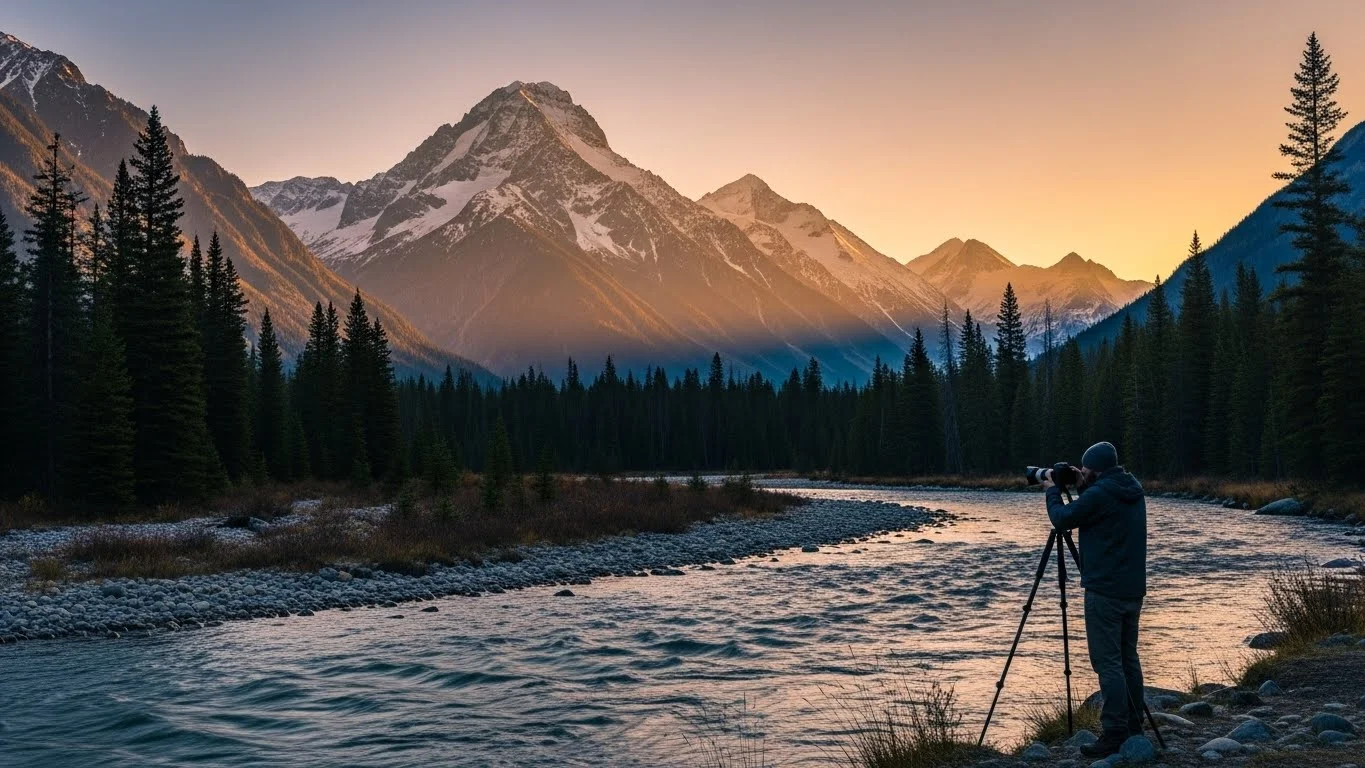
Overview of Budget-Friendly Mountain Photography Destinations
Importance of Budget Travel for Photographers
When I first started my photography journey, I quickly realized that I wanted to explore beautiful locations without spending a fortune. Budget travel is essential for photographers because it allows us to allocate more resources toward gear and experiences rather than just travel expenses. I learned that with a little research, it’s entirely possible to find stunning spots that won’t drain my wallet. Being a budget traveler also means you can visit more locations, giving you a varied portfolio that showcases different landscapes and cultures. For more tips, refer to Essential Tips for Budget Mountain Photography Adventures.
Types of Mountain Photography: Landscape, Wildlife, Adventure
Mountain photography is diverse, and I’ve experienced various styles that each bring their own excitement. Landscape photography captures the majestic beauty of mountain ranges, valleys, and lakes, often during golden hour for that magical light. Wildlife photography, on the other hand, is about patiently waiting for the perfect moment to snap a picture of an eagle soaring above or a deer grazing in the early morning mist. Then there’s adventure photography, which documents activities like hiking, climbing, or skiing amidst stunning backdrops. Experiencing all three types of photography has not only enriched my skills but also my appreciation for nature. If you’re interested in wildlife photography, don’t miss out on Budget-Friendly Wildlife Photography Tours You Can’t Miss.
Top Budget-Friendly Mountain Destinations
1. Rocky Mountain National Park, Colorado
Best Times to Visit
I found that the best time to visit Rocky Mountain National Park is in late spring through early fall. The weather is generally mild, and the wildflowers burst into color, creating spectacular scenes to photograph. I remember visiting in June, and the snow-capped peaks contrasted beautifully with the vibrant meadows below. Fall is also an amazing time, as the foliage transforms into brilliant shades of red and gold.
Photography Hotspots
There are several must-see spots in the park. Bear Lake is a personal favorite of mine, especially at sunrise when the still water reflects the mountains perfectly. Another spot I highly recommend is Trail Ridge Road, which offers breathtaking views and numerous pull-offs for photography. From the alpine tundra to the stunning vistas, every stop is a photo opportunity.
Accommodation Options
For accommodation, I’ve found that there are plenty of budget options around Estes Park. Campgrounds are available for those who enjoy a more rustic experience, and they’re often less expensive than hotels. I stayed at a cozy little inn that offered great deals during the off-peak season, making it easy to enjoy my photography trip without overspending.
2. Banff National Park, Canada
Seasonal Considerations
Banff National Park is another gem I’ve had the pleasure of visiting. The best time for photography is typically from late spring to early fall. However, winter offers a unique charm and fewer crowds, making it easier to capture the serene beauty of the snow-covered landscapes.
Iconic Photography Locations
Lake Louise is iconic for a reason. I remember standing by the turquoise waters, with the stunning Fairmont Hotel in the background and the mountains towering over me. Moraine Lake, with its vibrant blue waters, is another breathtaking spot that I simply couldn’t get enough of. Both places have their own magic, especially during sunrise or sunset.
Budget-Friendly Lodging
While Banff can be pricey, I’ve found that staying in nearby towns like Canmore can save you quite a bit. Hostels and motels in these areas often offer more affordable rates while still being close enough to the park to make day trips easy.
3. Great Smoky Mountains, Tennessee/North Carolina
Optimal Seasons for Photography
The Great Smoky Mountains have a charm that’s hard to resist. I believe the best times to visit are in spring and fall. Spring brings blooming wildflowers, while fall showcases the vibrant foliage. The mist that often blankets the mountains adds a mystical quality to your photos, especially in the early morning.
Must-See Sites for Photographers
One of my favorite spots is Clingmans Dome, the highest point in the park. The panoramic views from the observation tower are stunning, especially during sunrise. Cades Cove is another must-visit, where you can capture historical buildings amidst stunning mountain backdrops. I suggest going early in the morning to avoid crowds and capture the best light.
Cost-Effective Staying Options
For lodging, I recommend checking out the park’s campgrounds or staying in Gatlinburg or Pigeon Forge, which often have budget-friendly hotels and cabins. I’ve also enjoyed the local charm of some bed-and-breakfasts that offer great deals during certain seasons.
4. Mount Rainier National Park, Washington
Best Times for Capturing the Landscape
Mount Rainier National Park is a photographer’s paradise. I found that summer is the ideal time to visit, as the wildflowers bloom and the weather is generally pleasant. However, early fall can also provide stunning views as the foliage begins to change.
Photogenic Locations
Paradise is aptly named, offering some of the most photogenic vistas I’ve ever seen. The view of the mountain with wildflower meadows in the foreground is something I always think about. Another spot that should not be missed is Sunrise, where you can witness breathtaking sunrises that light up the mountain.
Affordable Accommodation Choices
While there are lodges within the park, camping is the most budget-friendly option. I really enjoyed my time camping at one of the campgrounds, where I could wake up surrounded by towering trees and stunning views. For those who prefer a roof over their heads, there are also budget hotels in nearby towns.
5. Catskill Mountains, New York
Ideal Times for Photography
The Catskills are often overlooked, but they have so much to offer. I recommend visiting during the fall for incredible foliage or during spring when the waterfalls are at their best. Each season reveals a different side of the mountains, making it a worthwhile trip year-round.
Photography Highlights
One of my favorite spots is Kaaterskill Falls, where I captured some stunning images of the cascading water. The views from the tops of the mountains are also breathtaking, providing multiple angles for unique photos.
Inexpensive Places to Stay
There are many budget-friendly options in the area, from camping sites to local motels. I particularly enjoyed staying at a small inn that offered a cozy atmosphere and was friendly on the wallet.
Essential Tips for Mountain Photography on a Budget
Choosing the Right Gear
When I first started my mountain photography journey, I felt overwhelmed by the sheer amount of gear available. I remember spending hours researching the best cameras, lenses, and accessories, which can be quite costly. Over time, I learned that I didn’t need to have the latest and greatest equipment to capture stunning images. I recommend focusing on a versatile camera that suits your style, whether it’s a DSLR or a mirrorless option. A good lens can make all the difference, so I suggest investing in a wide-angle lens for landscapes and a telephoto lens for wildlife shots.
Also, think about the accessories that can enhance your photography experience without breaking the bank. A sturdy tripod is essential for long exposures and stability, especially in windy conditions. I’ve found that a good quality tripod can make a world of difference in my landscape shots. And don’t forget about extra batteries and memory cards! The last thing you want is to miss capturing a breathtaking moment because your gear failed you.
Finding Affordable Travel Options
Traveling on a budget means getting creative with your transportation. I often rely on a mix of public transportation and car rentals when exploring mountain destinations. Many parks have shuttle services that can take you to popular hiking trails, which is not only budget-friendly but also allows you to relax and enjoy the scenery without worrying about parking.
For those looking to save even more, I’ve discovered that booking flights and accommodations during the off-peak season can lead to significant savings. If you’re flexible with your travel dates, use fare comparison websites to find the best deals. I remember booking a trip to the Rockies in early September, and the prices were much lower than during the summer months. Plus, the scenery was still stunning!
Utilizing Local Resources and Guides
One of the best ways to enhance your photography experience without spending a lot of money is to connect with local resources. I’ve found that many national parks offer free ranger-led programs that provide valuable insights into the area’s natural beauty and photography tips. These programs often highlight lesser-known spots that are perfect for capturing unique images.
Another great option is to join local photography groups or forums. I’ve met some incredible photographers who shared their favorite hidden gems and even invited me to local meet-ups. Engaging with the photography community not only helps you discover new locations but also allows you to exchange tips and techniques, enriching your own photography journey.
Timing Your Shots: Golden Hour and Seasonal Changes
Timing is everything in photography, especially when it comes to capturing the perfect shot in the mountains. I’ve learned that the golden hour—just after sunrise and before sunset—offers the most magical light for photography. The soft, warm glow transforms landscapes and brings out colors in a way that harsh midday sun simply can’t match.
Seasonal changes also play a crucial role in the type of shots you can capture. I remember visiting the Great Smoky Mountains in the fall, and the vibrant foliage created stunning backdrops for my photos. Each season brings a different personality to the landscapes, so I recommend revisiting your favorite spots throughout the year to see how they change.
Don’t forget to keep an eye on the weather forecast too! Sometimes unexpected weather can lead to dramatic and beautiful photographs. I once hiked up to a viewpoint just as a storm rolled in, and the moody skies added a whole new level of drama to my shots. Being adaptable and ready to capture the moment is key!
Local Food and Culture to Enhance Your Experience
Must-Try Local Cuisine in Each Destination
Food is not only essential for energy while hiking, but it also adds to the cultural experience of your photography trip. I’ve always made it a point to try local dishes wherever I go. For instance, in the Rocky Mountains, I couldn’t resist indulging in bison burgers and local craft beers after a long day of shooting. I found these meals not only satisfying but also a great way to connect with the local culture.
In Banff, I discovered the joy of poutine—a delicious dish of fries topped with cheese curds and gravy. It’s the perfect comfort food after a chilly day in the mountains! Each region has its own unique flavors, so I encourage you to explore local eateries and markets. You might even find some hidden gems that offer affordable meals packed with flavor.
Engaging with Local Communities and Photographers
Connecting with local communities can greatly enhance your photography experience. I love attending local art shows or photography exhibitions when I visit new areas. It’s a fantastic way to meet fellow photographers and gain insights into their perspectives and techniques. I even made some lasting friendships this way, which has led to amazing photography adventures in the mountains.
Many towns near national parks often host events or workshops, where you can learn from seasoned photographers and gain insider tips on the best locations for shooting. I once attended a photography workshop in a quaint mountain town, and the knowledge I gained from the local experts was invaluable. They shared secret spots that weren’t in any guidebook, and I ended up with some of my favorite shots from that trip.
Safety Tips for Mountain Photography
Essential Safety Gear
When I first started venturing into the mountains for photography, I quickly realized that safety should always be a top priority. The stunning vistas can often come with unpredictable conditions, so I recommend investing in some essential safety gear. A good pair of hiking boots is non-negotiable. I’ve learned the hard way that comfortable, sturdy footwear can make a world of difference, especially on rugged trails. I remember one particularly muddy hike where my trusty boots kept me steady and safe.
Another crucial item is a reliable backpack to carry all your gear. I’ve used a backpack that’s both lightweight and equipped with enough compartments to keep my camera, lenses, and snacks organized. It’s also important to have a first aid kit handy—simple supplies like band-aids, antiseptic wipes, and pain relievers can be lifesavers in case of minor injuries.
Don’t forget about a reliable water bottle or hydration system. Staying hydrated is essential, especially when you’re hiking in higher altitudes. I’ve found that carrying water with me keeps my energy up and helps me focus on capturing the beauty around me without feeling fatigued.
Weather Considerations
The weather can change rapidly in mountainous regions, so being prepared is key. I often check the forecast before heading out, but I also learned to be ready for surprises. Layered clothing is my go-to approach; wearing a moisture-wicking base layer topped with an insulating layer and a waterproof shell has served me well. I’ve been caught in unexpected rainstorms, and having good rain gear kept me dry and able to keep shooting.
In addition, I always bring a weather app on my phone to track conditions while I’m on the trail. Knowing what’s coming can help me make decisions about whether to continue on a hike or seek shelter. I remember one time in Banff, where the forecast was clear, only to be met with a sudden snowstorm. I was grateful to have an extra layer and a plan to retreat to a nearby lodge until the storm passed.
Wildlife Encounters: What to Avoid
One of the incredible aspects of mountain photography is the chance to encounter wildlife. I’ve had some unforgettable experiences photographing deer, bears, and various birds, but it’s essential to approach these encounters with caution and respect. I always keep a safe distance and use a telephoto lens to capture shots without disturbing the animals. I remember coming across a mother bear and her cubs in the Great Smoky Mountains; I was amazed but stayed at a respectful distance, using my long lens to get the shot instead of risking an up-close encounter.
It’s also vital to educate myself about the wildlife in the area I’m visiting. Knowing what to do in case of an encounter can be the difference between a memorable experience and a dangerous situation. Most national parks provide guidelines on how to behave around wildlife, and I always make it a point to follow them. I’ve read countless stories about hikers who inadvertently got too close to animals, leading to frightening situations. Always remember, we are visitors in their home, and our responsibility is to respect their space.
Additionally, I recommend keeping food and scented items secured in bear-proof containers or in my vehicle when camping or hiking. It’s a simple step that can prevent unwanted wildlife encounters and keep both us and the animals safe.
Budgeting for Your Mountain Photography Trip
Cost Breakdown: Transportation, Lodging, and Food
Budgeting for a mountain photography trip can feel a bit daunting, but I’ve found that breaking down costs by category makes it more manageable. First, I usually start with transportation. If I’m driving, I calculate gas and any potential tolls. I’ve discovered that carpooling with fellow photographers can also help cut down on fuel costs, not to mention it makes for great company on the road.
Next up is lodging. I always try to find budget-friendly options, like campgrounds or hostels, as mentioned before. In my experience, it’s often a good idea to book in advance to secure the best rates, especially during peak seasons.
Food is another essential category to consider. I prefer to bring some of my own supplies, like granola bars and trail mix, to save money while exploring. Eating out can add up quickly, especially in touristy areas, so I also look for local grocery stores where I can pick up affordable meals to prepare at my lodging.
By planning and keeping a close eye on these expenses, I’ve managed to enjoy my trips without overspending. It’s all about finding that balance so I can focus on capturing those breathtaking mountain vistas.
Finding Discounts and Deals
One of my favorite ways to save money while traveling is to hunt for discounts and deals. I’ve discovered that many national parks offer annual passes that can be a great investment if you plan to visit multiple parks. I remember purchasing a national park pass that allowed me entry to several parks over a year—it paid for itself after a couple of visits!
I also keep an eye out for local deals on lodging websites. Sometimes, I’ve found amazing last-minute deals on hotels or lodges, especially if I’m flexible with my travel dates. Additionally, I subscribe to travel deal newsletters, which often share discounts on accommodations and activities that can help stretch my budget even further.
Don’t underestimate the power of social media either! I’ve seen various travel and photography accounts sharing special promotions or giveaways that can help save money on trips. Following these accounts has led me to some fantastic opportunities and budget-saving tips I might otherwise have missed.
Managing Expenses While Traveling
Once I’m on the road, I try to keep track of my expenses to avoid any surprises later. I often use a budgeting app on my phone to log my spending in real-time, which helps me stay within my planned budget. It’s easy to lose track when I’m caught up in the excitement of exploring new places, so having this system in place keeps me grounded.
Another strategy I’ve found effective is setting a daily budget for my expenses. This includes transportation, food, entrance fees, and any souvenirs I might want to buy. By allocating a specific amount each day, I feel more in control of my spending and can enjoy the experience without stressing about finances.
Finally, I always remind myself to prioritize experiences over material items. The memories I create while photographing stunning landscapes and connecting with nature are worth far more than any souvenir I could bring home. By focusing on the journey, I find that my adventures become more enriching and fulfilling without the burden of overspending.
Frequently Asked Questions
What are some budget-friendly mountain photography destinations?
Some budget-friendly mountain photography destinations include Rocky Mountain National Park in Colorado, Banff National Park in Canada, Great Smoky Mountains in Tennessee/North Carolina, Mount Rainier National Park in Washington, and the Catskill Mountains in New York.
What is the best time to visit Rocky Mountain National Park for photography?
The best time to visit Rocky Mountain National Park for photography is from late spring through early fall, particularly in June when wildflowers are in bloom and during the fall when foliage changes to vibrant colors.
What are key photography hotspots in Banff National Park?
Key photography hotspots in Banff National Park include Lake Louise and Moraine Lake, both of which are especially stunning during sunrise or sunset.
What are some essential tips for mountain photography on a budget?
Essential tips for mountain photography on a budget include choosing versatile gear, finding affordable travel options, utilizing local resources and guides, and timing your shots around golden hour and seasonal changes.
How can I save money on lodging while visiting the Great Smoky Mountains?
You can save money on lodging by staying in the park’s campgrounds or in nearby towns like Gatlinburg or Pigeon Forge, which often have budget-friendly hotels and cabins.
What should I consider when budgeting for a mountain photography trip?
When budgeting for a mountain photography trip, consider breaking down costs into categories such as transportation, lodging, and food. Look for budget-friendly options and plan your expenses in advance.
How can engaging with local communities enhance my photography experience?
Engaging with local communities can enhance your photography experience by allowing you to meet fellow photographers, attend local art shows or photography exhibitions, and gain insights into the best shooting locations and techniques.
What safety gear is recommended for mountain photography?
Recommended safety gear for mountain photography includes sturdy hiking boots, a reliable backpack for gear, a first aid kit, and a water bottle or hydration system to stay hydrated while hiking.
What are some must-try local cuisines in mountain destinations?
Must-try local cuisines include bison burgers and local craft beers in the Rocky Mountains, and poutine in Banff, which is a comforting dish of fries topped with cheese curds and gravy.
How can I find discounts and deals for my mountain photography trips?
You can find discounts and deals for mountain photography trips by looking for annual national park passes, keeping an eye on lodging websites for last-minute deals, subscribing to travel deal newsletters, and following travel and photography accounts on social media for promotions.