
Backpacking as a solo female traveler is an exciting adventure, but managing your budget can be a challenge. With the right strategies, you can explore the world without breaking the bank! For more insights, check out our Budgeting Tips for Solo Female Travelers on a Shoestring.
Understanding the Basics of Budgeting for Backpacking
What is Backpacking?
Backpacking is more than just traveling; it’s about experiencing new cultures, meeting people, and finding adventure in unexpected places. For me, backpacking has always represented freedom. Whether it’s hiking through lush forests, wandering ancient streets, or lounging on a beach, each trip has its own unique story. I’ve learned that proper planning, especially budgeting, can enhance this experience. Backpacking typically involves carrying all your essentials on your back and traveling with a flexible itinerary, which allows for spontaneous adventures and discoveries.
The Importance of Budgeting for Solo Female Travelers
As a solo female traveler, I know firsthand how crucial budgeting can be. It’s not just about saving money; it’s about being secure and confident in your choices. When I first started traveling alone, I felt overwhelmed by expenses—hostels, food, transportation. But once I established a budget, my experiences became more enjoyable. I could focus on my journey rather than stressing over money. Budgeting helps set priorities for your adventures, allowing you to allocate funds to what truly matters to you—be it a scenic hike, a local cooking class, or a unique souvenir. Plus, it’s empowering to know that I can stretch my dollars further, making my travels sustainable and more fulfilling.
Essential Budgeting Hacks for Solo Female Backpackers
Choosing Affordable Destinations
One of the most significant factors in budgeting for a backpacking trip is the destination itself. I’ve discovered that some countries are far friendlier to a traveler’s wallet than others. Southeast Asia, for instance, offers beautiful landscapes, rich cultures, and delicious food at incredibly low prices. When planning my trips, I often consider places where my currency goes further. Researching the cost of living in potential destinations can give you a clearer picture. I also enjoy looking for off-the-beaten-path locations. These hidden gems often offer lower costs and fewer crowds, allowing for a more personal experience.
Creating a Daily Budget
Once I’ve selected a destination, I like to create a daily budget. This helps me manage my finances effectively throughout my trip. I usually break it down into categories: accommodation, food, activities, transportation, and a little extra for emergencies or splurging. For example, if I plan to spend $50 a day, I might allocate $20 for accommodation, $15 for food, $10 for activities, and $5 for transportation. This way, I can adjust as needed. If I find a great street food market, I can shift funds from my accommodation budget to treat myself. It’s all about flexibility and awareness!
Utilizing Budget Travel Apps
In this digital age, there are countless apps designed to help travelers budget efficiently. I’ve found several that I can’t live without. Apps like Trail Wallet and Travel Mapper allow me to track my expenses on the go. I can categorize my spending in real-time, which helps me adjust my budget and avoid overspending. Additionally, there are apps like Skyscanner for finding cheap flights or Hostelworld for budget accommodations. Embracing these tools has made my travel experience smoother and more organized. I recommend spending some time before your trip to explore which apps work best for your style and needs. For more tips, check out Affordable Transportation Hacks for Budget Solo Travel.
Accommodation Savings Strategies
Hostels vs. Hotels: Which is Cheaper?
When it comes to accommodation, I’ve always found hostels to be the best bang for my buck. They often provide not just a place to sleep but also a chance to meet other travelers. My first hostel experience was a bit nerve-wracking, but once I arrived, I loved the vibe! Most hostels have shared kitchens, which means I can cook my meals and save even more. I always compare prices between hostels and hotels using booking sites, but I’ve often found that hostels offer a more budget-friendly option while still being safe and comfortable.
Using Couchsurfing and Homestays
Couchsurfing has opened my eyes to the beauty of local hospitality. I’ve met incredible people by staying in their homes, and not only do I save money, but I also gain insights into the local culture. It’s a fantastic way to form connections and make friends around the globe. I also enjoy homestays where families host travelers. They are often more affordable than hotels, and you get a real taste of daily life in that culture. I remember one homestay in Vietnam where my host taught me how to cook traditional dishes; it was an experience I’ll never forget!
Booking Last-Minute Deals
I’ve learned that sometimes waiting until the last minute can lead to fantastic deals. Many hotels and hostels offer discounts to fill their remaining beds. There have been times when I’ve found a beautiful room for half the price just a day before check-in. I recommend keeping an eye on last-minute booking apps, and if you’re flexible with your plans, you can turn what could be a stressful moment into a fun adventure, exploring new options as they arise.
Transportation Budgeting Tips
Finding Cheap Flights
Finding affordable flights can feel like a daunting task, especially when I’m looking to travel across continents. One of the best tips I’ve learned is to be flexible with my travel dates. I often use fare comparison websites like Skyscanner or Google Flights to see how prices fluctuate throughout the month. Sometimes, shifting my departure by just a day or two can save me a significant amount of money. Additionally, I’ve noticed that booking flights well in advance tends to yield lower prices—especially for international travel. I always keep an eye out for flash sales or mistake fares, which can offer unbelievable deals. Sign up for alerts so you can be the first to know when your desired route goes on sale!
Using Public Transportation vs. Taxis
When I travel, I try to immerse myself in the local culture, and using public transportation is a great way to do just that. I remember my trip to Barcelona, where I used the metro system extensively. It was not only budget-friendly but also gave me a chance to see the city like a local. Buses and trains are usually much cheaper than taxis, and they can take you to places you might not otherwise explore. I also learned to download transportation apps specific to the cities I visit; they often provide real-time updates and routes, which makes navigating much easier. While taxis can be convenient, I tend to reserve them for late-night travel when public transport isn’t available or during emergencies.
Travel Passes and Discounts
Many cities offer travel passes that cover multiple modes of transportation at a reduced price. I discovered this while exploring London. The Oyster card allows unlimited travel for a set number of days, and I saved a considerable amount compared to buying individual tickets. I always research if my destination has similar options, as they can be a game changer in terms of cost efficiency. Some passes even include discounts on local attractions, which is a bonus for my budget!
Food Budgeting Hacks
Cooking Your Own Meals
One of the best ways to save money while traveling is by cooking my own meals. Staying in hostels with kitchen facilities has allowed me to whip up my favorite dishes and experiment with local ingredients. I often shop at local markets where I can find fresh produce at a fraction of the cost compared to restaurants. Plus, cooking can be a fun way to bond with fellow travelers. I remember one evening in Thailand, where a group of us collaborated to prepare a feast with ingredients we bought at a bustling night market. Not only was it a delightful experience, but we saved a lot of money while enjoying good company!
Eating Like a Local: Street Food and Markets
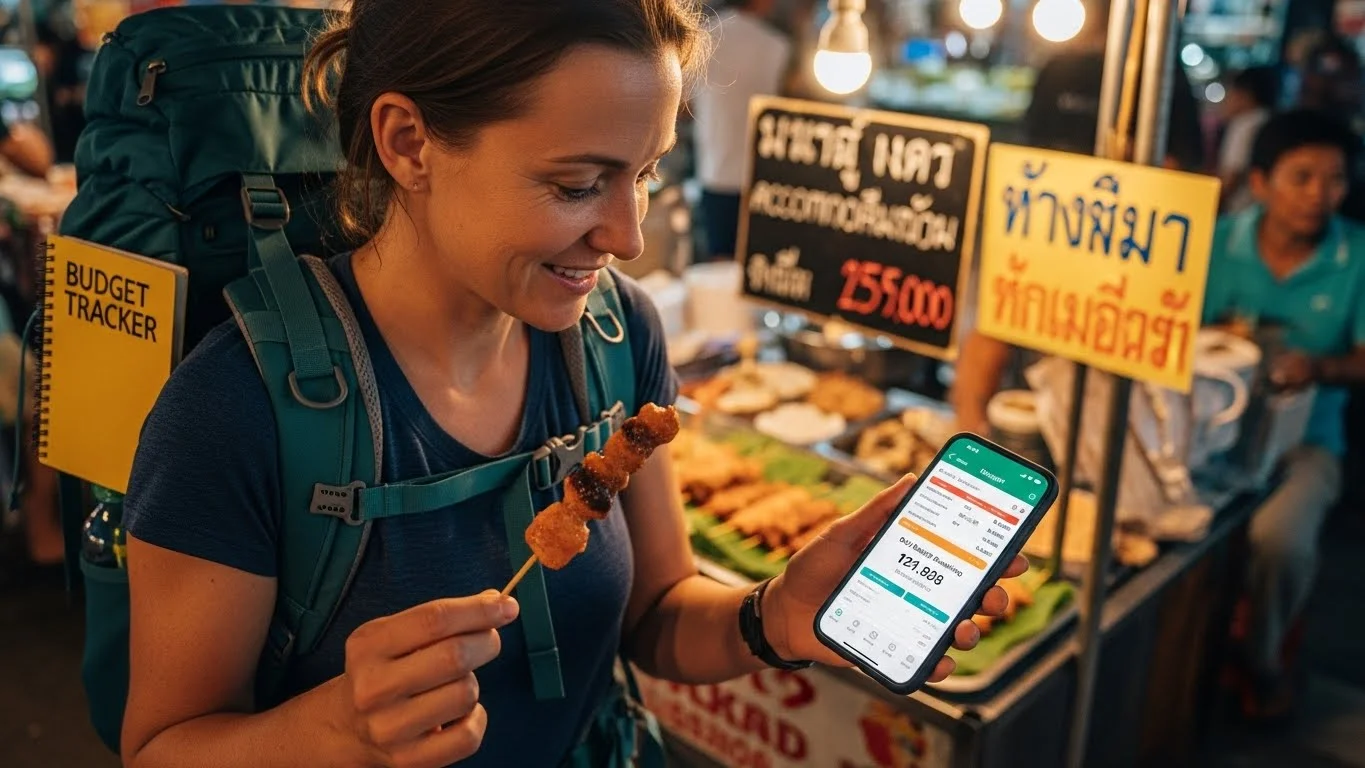
I’ve always been a fan of street food. It’s not just an economical choice; it’s also an opportunity to taste authentic local flavors. During my travels, I’ve discovered some of my favorite meals from street vendors. Whether it’s tacos in Mexico or banh mi in Vietnam, street food often packs more flavor than pricier restaurants. I make it a point to research popular street food spots or visit local markets where I can grab a quick bite without overspending. Remember to choose busy stalls; they tend to have fresher food and a higher turnover!
Finding Budget-Friendly Restaurants
When I do decide to eat out, I look for restaurants that locals frequent. I often ask hostel staff for recommendations or check online food blogs. It’s surprising how much more affordable meals can be when they’re not located in tourist hotspots. I’ve learned to pay attention to daily specials, which can offer great meals at lower prices. Plus, many places have lunch menus that are cheaper than dinner options, so I sometimes plan to eat my main meal during the day and have a lighter dinner. Dining during off-peak hours can also help save some cash!
Activities and Entertainment on a Budget
Free and Low-Cost Attractions
One of my favorite things about traveling is discovering free or low-cost attractions. Many cities have beautiful parks, museums with free admission days, or local festivals that don’t charge entry fees. I remember spending an entire day exploring the art galleries in Lisbon that offered free entry on Sundays. Researching these options beforehand allows me to enjoy the culture without stressing my budget. I also like to take advantage of walking tours, which are often donation-based. They provide a fantastic way to see the city and learn from knowledgeable guides.
Finding Discounts on Tours and Activities
When I’m interested in a specific tour or activity, I always look for discounts. Websites like Groupon or local tourism boards often have deals on various experiences. Additionally, I’ve found that booking tours directly through local operators can sometimes be cheaper than going through larger companies. I’ve had great luck with this approach in places like Bali, where I booked a snorkeling tour directly with a local guide and saved a good amount of money while supporting the community.
Utilizing Local Events and Festivals
Attending local events and festivals can be an incredible way to soak in the culture without spending a fortune. I remember stumbling upon a music festival in a small town in Italy that had free entry. It was an amazing experience to dance with locals and enjoy live music under the stars. Checking local event calendars or community boards can lead to unexpected adventures. Plus, many of these events offer free food samples, which is another way to enjoy local cuisine without spending much!
Safety and Security Tips for Solo Female Travelers
Staying Safe While Saving Money
As I’ve traveled solo, I’ve learned that staying safe is as important as sticking to my budget. While I want to save money, I also want to ensure that I am secure in every situation. One of my go-to strategies is to avoid overly cheap accommodations that seem too good to be true. I’ve had experiences where a low price meant a less-than-safe environment. I always look for hostels or hotels with good reviews, especially regarding safety. I tend to check platforms like Hostelworld or Booking.com, where fellow travelers share their insights. It’s also essential to trust my instincts; if a place feels off, I’ll keep looking. I also prioritize keeping my valuables secure. I use a money belt for my passport, cash, and cards, which I wear underneath my clothes. I’ve noticed that often, thieves target those who are distracted or overly flashy. So, I dress modestly and blend in with the locals whenever possible. I also avoid carrying all my cash in one spot; instead, I keep some in my bag and a little in my money belt. This way, if something does happen, I have a backup plan. Additionally, I always research the neighborhoods I’ll be staying in. Some areas may be known for nightlife but could also have sections that are less safe at night. I’ve learned to stick to well-lit streets and to avoid wandering alone in unfamiliar areas after dark. I often ask locals or hostel staff for their recommendations on safe routes and places to avoid. Being cautious doesn’t mean I have to miss out on fun experiences; it just means I need to be a little more mindful of my surroundings.
Emergency Funds and Backup Plans
I’ve found that having an emergency fund is a crucial part of my travel budgeting. While I don’t want to dwell on the negative aspects of travel, it’s wise to have a financial safety net. I set aside a small amount of my budget for unexpected situations—whether it’s a sudden medical expense or the need to change my travel plans. During my travels, I’ve had moments where plans went awry, and having that little cushion allowed me to stay calm and make better decisions. I also recommend having backup payment options. While I mostly use a travel debit card, I always carry a small amount of cash, as well as a secondary card, just in case my primary option is lost or stolen. It’s a hassle to deal with a lost card while abroad, so having that second option means I can keep enjoying my trip rather than stressing over finances. In addition to finances, I also prepare for emergencies by keeping a list of important contacts—like my bank, local emergency services, and the nearest embassy. I note down any important numbers on my phone and keep a written copy tucked away in my bag. This way, I have immediate access to help if something goes wrong. Knowing that I’m prepared for the unexpected gives me a sense of security, allowing me to fully enjoy my travels.
Connecting with Other Travelers
Joining Female Travel Groups
One of the most empowering experiences I’ve had as a solo female traveler is connecting with other women on the road. I’ve learned about various female travel groups on social media platforms like Facebook and Instagram. Joining these groups has opened up a world of shared experiences, advice, and even travel partners. It’s comforting to be part of a community that understands the unique challenges we face while traveling solo. I remember joining a Facebook group specifically for female backpackers. Through this group, I found a fellow traveler interested in exploring the same region I was headed to. We decided to meet up and share a few days together, which was not only safer but also made the experience more fun. We exchanged stories, tips, and even shared accommodation costs. I’ve since kept in touch with several women I’ve met through these groups, and it’s wonderful to have a network of friends around the globe. In addition to social media, I’ve also found local meetups and events specifically for female travelers in some cities. These gatherings provide an excellent opportunity to meet like-minded women, share experiences, and build friendships. I encourage every solo female traveler to seek out these communities; it can make a world of difference in feeling supported and connected.
Tips for Networking While Traveling
I’ve discovered that networking while traveling can lead to incredible opportunities and friendships. I’ve learned to strike up conversations with fellow travelers during my hostel stays or while waiting in line at attractions. I usually start with a simple question about their travels or recommendations for things to see. Most travelers are happy to share their experiences, and it often leads to enjoyable discussions. I also recommend attending local events, workshops, or classes—anything that sparks my interest. During a trip to Bali, I took a cooking class, and not only did I learn how to make delicious dishes, but I also met several other travelers who were equally excited about food. After the class, we explored the local market together, and it turned into a fun day filled with laughter and new friendships. Another great way to network is through platforms like Meetup or Couchsurfing, where you can find local events or gatherings. I once attended a language exchange event, where I met locals and other travelers, sharing stories and tips. These interactions made my travels richer and more meaningful, reminding me that the connections we make can enhance our experiences immeasurably.
Tracking Your Expenses
Using Budgeting Tools and Spreadsheets
Tracking expenses while traveling is essential for staying within my budget. I’ve found that using budgeting apps or simple spreadsheets can make this task much easier. I usually start by creating a basic spreadsheet before my trip, outlining my budget categories and expected costs. This helps me visualize where my money will go. During my travels, I like to update this spreadsheet daily. I categorize my expenses into groups—like food, accommodation, transportation, and activities. I’ve noticed that this practice helps me identify areas where I can cut back if needed. For instance, if I notice I’m spending more on transportation than I planned, I can adjust my plans or look for cheaper options. Some apps I find useful for tracking expenses include Tripcoin and TravelMapper. They allow me to input expenses quickly as I go, providing real-time updates on my budget. I recommend trying a few different options to see which one fits your style best. Keeping track of expenses not only helps me stay within my budget, but it also gives me a sense of accomplishment as I see how I manage my finances throughout my journey.
Evaluating Your Spending at the End of Each Trip
Once I return home from a trip, I take some time to evaluate my spending. I find this reflection process incredibly valuable; it helps me understand where I succeeded and where I can improve for future trips. I look back at my spreadsheet or app to see if I stayed within my budget and analyze what categories I spent the most on. I often ask myself questions like: Did I spend too much on accommodation? Did I splurge on activities that weren’t worth it? This evaluation helps me learn what I truly value during my travels. For instance, I’ve realized that while I love trying local food, I don’t need to eat at expensive restaurants to have a fulfilling experience. Instead, I can focus on street food and local markets that provide both authentic experiences and savings. Taking notes during this evaluation process helps me plan better for my next adventure. I jot down changes I want to make, new budgeting strategies, or even destinations I want to explore based on my previous experiences. This practice not only enhances my travel skills but also makes budgeting for future trips more enjoyable and efficient.
Frequently Asked Questions
What is backpacking?
Backpacking is about experiencing new cultures, meeting people, and finding adventure in unexpected places. It typically involves carrying essentials on your back and traveling with a flexible itinerary, allowing for spontaneous adventures and discoveries.
Why is budgeting important for solo female travelers?
Budgeting is crucial as it helps solo female travelers feel secure and confident in their choices. It allows them to focus on their journey rather than stressing over expenses, and it helps set priorities for what truly matters during their adventures.
What are some affordable destinations for backpacking?
Southeast Asia is highlighted as a budget-friendly region, offering beautiful landscapes, rich cultures, and delicious food at low prices. Researching the cost of living in potential destinations can help travelers find suitable options where their currency goes further.
How can I create a daily budget for my backpacking trip?
Creating a daily budget involves breaking down expenses into categories such as accommodation, food, activities, transportation, and a little extra for emergencies or splurging. This allows for adjustments as needed and promotes flexibility in spending.
What budget travel apps are recommended for tracking expenses?
Apps like Trail Wallet and Travel Mapper are recommended for tracking expenses on the go. Other useful apps include Skyscanner for finding cheap flights and Hostelworld for budget accommodations.
How can I save money on accommodation while traveling?
Staying in hostels is often more budget-friendly than hotels, as they provide opportunities to meet other travelers and often have shared kitchens. Couchsurfing and homestays are also affordable options that offer local insights and connections.
What are some tips for finding cheap flights?
Being flexible with travel dates and using fare comparison websites like Skyscanner or Google Flights can help find affordable flights. Booking well in advance and keeping an eye out for flash sales or mistake fares can also yield lower prices.
What are some food budgeting hacks while traveling?
Cooking meals in hostels, eating street food, and finding budget-friendly restaurants frequented by locals are effective ways to save money on food. It’s also helpful to pay attention to daily specials and lunch menus for cheaper meals.
How can I find free or low-cost attractions while traveling?
Many cities offer free parks, museums with free admission days, or local festivals that don’t charge entry fees. Researching these options beforehand and taking advantage of walking tours can help enjoy local culture without overspending.
What safety tips should solo female travelers keep in mind while budgeting?
Solo female travelers should avoid overly cheap accommodations that seem suspicious, keep valuables secure with a money belt, and research neighborhoods for safety. Trusting instincts and sticking to well-lit streets can enhance security while traveling.