
Traveling solo can be one of the most rewarding experiences, but it also requires a deep understanding of the cultures we encounter. Embracing cultural awareness can make our journeys safer and more enriching. For those seeking more guidance, check out Navigating Cultural Norms: Solo Travel Etiquette Essentials.
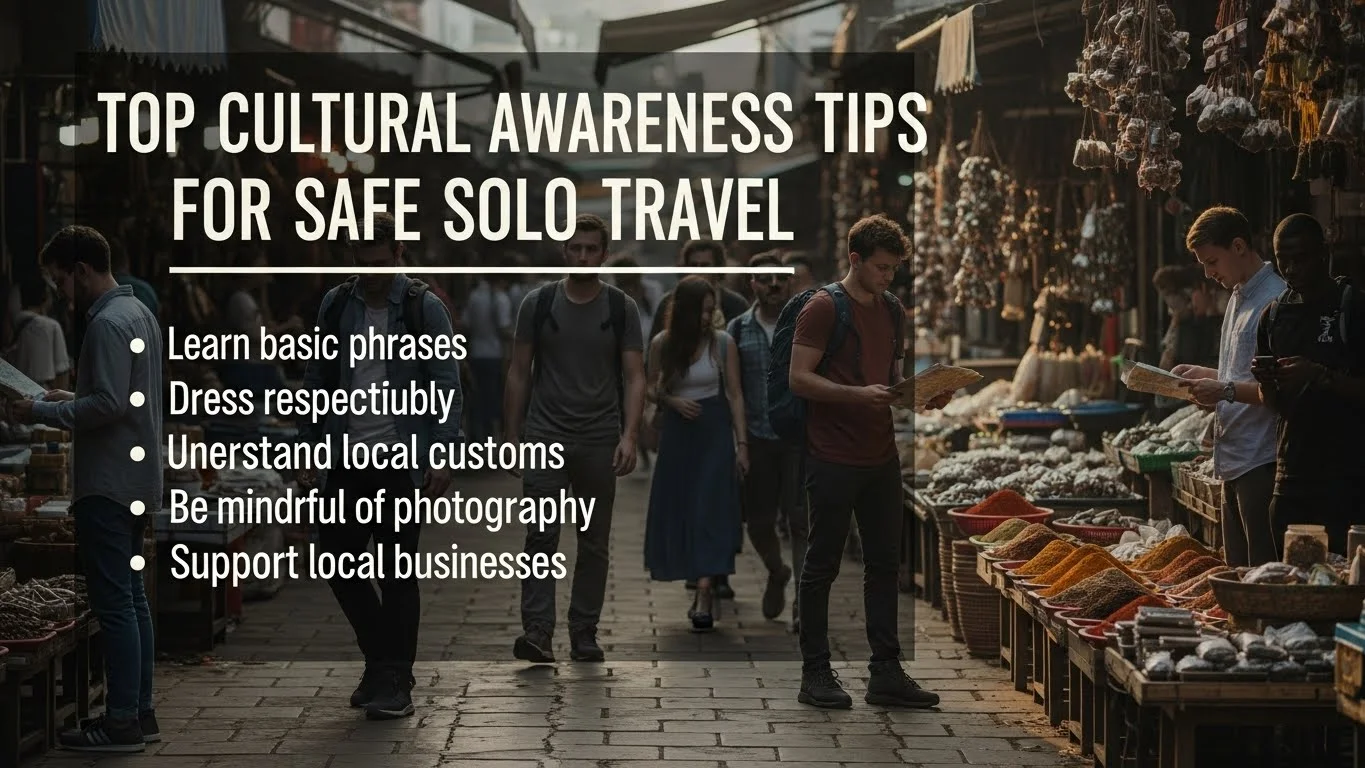
Understanding Cultural Awareness in Travel
The Importance of Cultural Sensitivity
When I first started my solo travel adventures, I quickly realized that each destination had its own unique culture, customs, and social norms. Understanding these differences is crucial for several reasons. First and foremost, cultural sensitivity fosters respect, which can open doors and create positive interactions with locals. I’ve often found that a simple smile or greeting in the local language can lead to unexpected friendships and incredible experiences. It’s not just about being polite; it shows that you value their culture and are willing to learn.
Moreover, being culturally sensitive helps avoid misunderstandings that could lead to uncomfortable or even dangerous situations. I recall one time in a small village in Thailand where my casual attire was considered disrespectful. If I hadn’t taken the time to learn about local customs beforehand, I would have likely embarrassed myself and offended my hosts. Instead, my awareness allowed me to connect with the community in a respectful way, enhancing my overall experience.
How Cultural Awareness Enhances Solo Travel Experiences
As I ventured into various countries, I discovered that cultural awareness not only keeps us safe but also enriches our travel experiences. Each culture has its own stories, traditions, and ways of life that can teach us so much. For instance, I remember visiting a market in Morocco where I learned about the significance of spices in their cuisine. Engaging with local vendors and understanding the history and uses of what they sold brought depth to my travels that I never anticipated.
Additionally, cultural awareness allows us to navigate social situations with confidence. When I attended a traditional festival in India, being aware of the appropriate behaviors—like not interrupting ceremonies and understanding the significance of certain rituals—made me feel more integrated into the celebrations. I was welcomed warmly, and it felt amazing to witness such vibrant traditions up close. The more we learn about the cultures we visit, the more meaningful our connections become.
Researching Your Destination
Understanding Local Customs and Traditions
Before heading to a new country, I always invest time in researching its customs and traditions. This preparation has saved me from potential faux pas more times than I can count. For instance, in Japan, it’s customary to bow when greeting someone. Knowing this simple gesture made a big difference in how I was received by locals. I felt a deeper connection, and they appreciated my effort to engage respectfully.
Another interesting custom I learned about was in Brazil, where personal space is different compared to what I was used to. Understanding that Brazilians are more physically expressive helped me navigate social interactions smoothly. By familiarizing myself with local customs, I’ve been able to participate actively in local life rather than standing on the sidelines as an outsider.
Learning Key Phrases in the Local Language
One of my favorite travel hacks is learning a few key phrases in the local language. Even a simple “hello,” “thank you,” or “please” can go a long way. In my experience, locals often appreciate the effort, and it can lead to warmer interactions. For example, while traveling through Spain, I learned to say “por favor” and “gracias.” This small effort helped me connect with shopkeepers and locals, who often smiled and responded enthusiastically.
Using language apps or phrasebooks is a great way to prepare. I remember using a language app to learn basic greetings before my trip to Italy. When I arrived, I was pleasantly surprised by how much more open and friendly the locals were once I greeted them in Italian. This not only enhanced my experience but also led to some fascinating conversations and cultural exchanges.
Identifying Cultural Norms and Taboos
Every culture has its own norms and taboos, and understanding these can be essential for a respectful and enjoyable visit. For instance, I learned that in certain Middle Eastern cultures, it’s considered disrespectful to show the soles of your feet. Being aware of such nuances allows us to avoid accidental offenses. I remember feeling nervous when visiting a mosque for the first time, but knowing the importance of modest dress and respectful behavior made the visit meaningful and memorable.
Researching taboos also helped me navigate social interactions. In some cultures, discussing personal topics too soon can be seen as intrusive. I once overheard a tourist asking very personal questions that made locals uncomfortable. Learning about these social boundaries can help us avoid such situations and foster more genuine connections.
In my travels, I’ve found that taking the time to understand these cultural norms not only keeps us safe but also enriches our experiences. It shows a level of respect that locals appreciate, and it opens up a world of possibilities for connection and learning. As we dive deeper into our journeys, let’s keep these cultural awareness tips in mind, ensuring our solo adventures are not just safe, but also meaningful and transformative. For more tips, check out Top 10 Packing Tips for Solo Backpacking Adventures.
Preparing for Solo Travel
Choosing a Safe Destination
Choosing a safe destination is one of the most critical steps I take when planning my solo trips. I remember my first solo adventure to Southeast Asia; I was both excited and nervous. To ease my mind, I spent several evenings researching which countries and cities were deemed safe for solo travelers. Websites, travel blogs, and online forums provided valuable insights from fellow travelers. I found it helpful to filter out places with high crime rates or political instability. Ultimately, I chose Thailand, a destination known for its friendly locals and vibrant culture.
One of my favorite resources during this process was the travel advisory from my government. It provided up-to-date information on safety and health precautions. Additionally, I reached out to friends who had traveled solo to these areas, asking about their experiences. Their personal stories reassured me and helped me better understand the local environment. I believe that feeling safe boosts our confidence to explore and engage with the world around us.
Planning Your Itinerary with Cultural Considerations
When I plan my itinerary, I always keep cultural considerations in mind. I’ve learned that some destinations have specific days when certain activities or attractions are closed. For example, when I was in Jerusalem, I discovered that many sites close early on Fridays for the Sabbath. By planning accordingly, I maximized my experience without missing out on must-see places.
I also find it helpful to mix well-known tourist spots with local experiences. I remember visiting a beautiful temple in Bali that wasn’t on the usual tourist maps. This hidden gem was recommended by a local, and it turned out to be one of the highlights of my trip. Engaging with locals for recommendations not only enriches my travels but also keeps me connected to the culture in a meaningful way.
Additionally, I’ve learned to build in some flexibility in my itinerary. Some of my best experiences came from spontaneous decisions. For instance, while in Vietnam, I met a group of travelers who invited me to join them for a cooking class. This detour turned into a fantastic afternoon filled with laughter, learning, and delicious food! Planning thoughtfully while allowing for spontaneity has made my trips even more rewarding.
Travel Insurance: Why It’s Essential
Travel insurance is something I never overlook. On my first solo trip, I thought it would be an unnecessary expense, but that changed after I met a fellow traveler who had lost all their belongings due to theft. Hearing their story made me realize that accidents and unexpected situations can happen anywhere. Now, I always make it a priority to have adequate travel insurance before heading out.
I’ve used travel insurance for various situations, from minor issues like delayed flights to more serious matters like medical emergencies. I remember needing to see a doctor while in Thailand due to a stomach bug. Thankfully, my insurance covered the costs, which relieved a lot of stress during a tough time. I also appreciate how some insurance plans offer 24/7 support, which provides peace of mind when traveling alone.
Before purchasing a policy, I research different options to find the one that suits my travel plans best. I usually look for coverage that includes trip cancellations, medical emergencies, and lost belongings. It’s a small investment for the protection and reassurance it provides while I’m exploring the world. For more on staying safe, check out Essential Safety Tips for Luxury Solo Travelers.
Engaging with Local Communities
Respectful Interaction with Locals
Engaging with locals is one of the most enriching parts of my travels. I’ve found that respectful interactions create opportunities for genuine connections. When I’m in a new place, I always try to approach conversations with openness and humility. I remember when I visited a small village in Peru; I was invited into a local family’s home. Instead of just observing, I took the time to ask questions about their way of life and share stories of my own. These exchanges not only deepened my understanding of their culture but also forged friendships that lasted beyond my trip.
I’ve learned that small gestures, like asking about local customs or expressing gratitude for their hospitality, can go a long way. I try to remember that even though I’m a guest in their culture, I can still contribute positively to the interaction. This mindset has helped me build connections that are often more meaningful than any guided tour could provide.
Participating in Cultural Events and Activities
No matter where I travel, I always seek out local cultural events and activities. These experiences provide a window into the heart of the community. For instance, I was fortunate enough to attend a traditional dance performance in Bali. The vibrant colors, intricate movements, and the passion of the performers captivated me. Being part of such events allowed me to appreciate the rich heritage of the region.
I also try to engage in activities that locals participate in. When I was in Mexico, I joined a cooking class where we prepared traditional dishes using local ingredients. Not only did I learn new skills, but I also got to know other travelers and locals who shared their culinary secrets and stories with me. These interactions helped me feel more integrated into the culture and made my experience all the more fulfilling.
Understanding the Role of Gender in Different Cultures
As a solo traveler, understanding the role of gender in different cultures has been incredibly important. I’ve noticed that gender dynamics can vary widely from one place to another. For example, in some countries, women are expected to dress modestly, while in others, gender roles are more relaxed. I remember feeling a bit out of my element in a conservative region of the Middle East, but by dressing appropriately and respecting local customs, I was able to navigate my surroundings more comfortably.
I also pay attention to how gender influences interactions. In some cultures, men and women may not engage in conversation freely. During my travels in Jordan, I found it helpful to be aware of these dynamics. I approached interactions with sensitivity, respecting the boundaries set by the local culture. This awareness not only helped me avoid awkward situations but also allowed me to build respectful and meaningful connections.
Safety Tips for Solo Travelers
Staying Aware of Your Surroundings
One of the most crucial aspects of solo travel is staying aware of my surroundings. I’ve learned that being alert can make a significant difference in ensuring my safety. I remember walking through the bustling streets of Bangkok, where the energy was palpable, but I kept my senses sharp. I noticed the little things: the sounds, the movement of people, and the overall vibe of the area. This awareness helped me identify when something felt off, allowing me to adjust my route or find a safer space if needed.
Another tip I often share is to trust my instincts. If I feel uneasy about a situation or a person, I don’t hesitate to change my plans. There was a time in a crowded market where I felt someone was following me. Instead of panicking, I stepped into a nearby shop to regain my composure and reassess the situation. Sometimes, just taking a moment to breathe and think can clarify what to do next. I’ve found that being aware and trusting my gut feelings helps me navigate unfamiliar environments confidently.
Using Technology for Safety: Apps and Resources
In our tech-savvy world, leveraging technology can significantly enhance my safety as a solo traveler. I rely on several apps that help me stay informed and safe while exploring new places. For instance, I use Google Maps not only to navigate but also to familiarize myself with the neighborhoods I’ll be in. It allows me to plan my routes before I head out, which is particularly useful in cities with complex layouts.
I’ve also found safety apps like “bSafe” and “Life360” to be incredibly helpful. These apps allow me to share my location with friends or family, and some even have features that let me send alerts if I feel threatened. Knowing that someone is aware of my whereabouts adds a layer of security, especially in unfamiliar areas. Additionally, I always download offline maps of the places I visit. This way, I can find my way back even without internet access.
Emergency Contacts and Local Laws to Know
Preparing for emergencies is something I take seriously when I travel alone. Before each trip, I make a list of essential emergency contacts, including local emergency services, my country’s embassy, and a few trusted friends or family members back home. I keep this information easily accessible on my phone and in a small notebook that I carry with me. Having these contacts readily available gives me peace of mind, knowing that I can reach out for help if needed.
Understanding local laws and regulations is equally important. Each country has its own set of laws, and some may be quite different from what I’m used to. For instance, I learned the hard way about the strict rules surrounding public behavior in Singapore, where chewing gum is banned. Being aware of such regulations can help me avoid unintentional violations that could lead to fines or worse. I usually do a bit of research on local laws, especially regarding safety and personal conduct, before I arrive at a new destination.
Adapting to Local Etiquette
Dining Etiquette Around the World
Dining is one of my favorite ways to immerse myself in a culture, but I’ve learned that understanding local dining etiquette is essential for a respectful experience. For example, I recall my first meal in Italy, where I was eager to try all the delicious foods. However, I quickly learned that it’s customary to wait for everyone to be served before starting my meal. Observing this etiquette made the dining experience feel more communal and respectful.
In Japan, I discovered that slurping my noodles is considered a compliment to the chef. This was a fun revelation, as it allowed me to enjoy my meal fully while embracing the local customs. Each country has unique dining practices, from how to hold utensils to the appropriate way to toast. I make it a point to research these nuances ahead of time, which not only enhances my experience but also shows my appreciation for the culture.
Dress Codes: What to Wear and When
Dressing appropriately is another vital aspect of adapting to local etiquette. I’ve encountered various dress codes during my travels that reflect cultural values and norms. For instance, when visiting sacred sites in Bali, I learned that wearing a sarong and a sash is a sign of respect. I remember feeling a bit apprehensive when I first wore traditional attire, but it made me feel more integrated into the local customs.
In contrast, when I traveled to Scandinavia, I noticed that casual clothing was the norm, even in nicer restaurants. Understanding these expectations helped me pack more thoughtfully and feel at ease in different environments. I also think it’s important to dress modestly in conservative regions, which not only shows respect but also helps me blend in better.
Gift Giving: Cultural Significance and Guidelines
Gift-giving customs vary widely around the world, and I’ve learned that understanding these practices can enhance my interactions with locals. When visiting someone’s home, I often bring a small gift as a gesture of appreciation. In some cultures, flowers are a popular choice, while in others, sweets or local specialties are more appropriate. I remember being invited to a dinner in Brazil, where I brought a box of chocolates. The host was delighted, and it sparked a lovely conversation about local treats.
However, I’ve also learned that certain gifts carry specific meanings, and what might be acceptable in one culture could be frowned upon in another. For example, in some Asian cultures, giving a clock as a gift is associated with funerals. Doing a bit of research on gift-giving etiquette before my travels has helped me avoid any accidental faux pas and deepened my connections with the people I meet. It’s amazing how such small gestures can convey respect and appreciation across cultures.
Frequently Asked Questions
What is cultural awareness in travel?
Cultural awareness in travel refers to understanding and respecting the unique cultures, customs, and social norms of the destinations we visit. It enhances our travel experiences and fosters positive interactions with locals.
Why is cultural sensitivity important for solo travelers?
Cultural sensitivity is important because it fosters respect and helps avoid misunderstandings that could lead to uncomfortable or dangerous situations. It allows travelers to connect meaningfully with the local community.
How can learning local customs enhance my travel experience?
Learning local customs can enhance your travel experience by helping you navigate social interactions smoothly, participate actively in local life, and create deeper connections with the people you meet.
What are some effective ways to prepare for cultural interactions while traveling?
Effective ways to prepare include researching local customs and traditions, learning key phrases in the local language, and understanding cultural norms and taboos to avoid unintentional offenses.
Why is travel insurance essential for solo travelers?
Travel insurance is essential because it provides protection against unexpected situations such as theft, medical emergencies, or trip cancellations, giving travelers peace of mind while exploring new places.
How can technology improve safety for solo travelers?
Technology can improve safety by providing navigation apps, safety apps for sharing locations, and offline maps, which help travelers stay informed and connected while exploring unfamiliar environments.
What should I consider regarding gender norms while traveling?
While traveling, it’s important to be aware of gender norms, as they can vary greatly between cultures. This awareness helps travelers navigate interactions respectfully and avoid misunderstandings.
What dining etiquette should I be aware of when traveling?
Dining etiquette varies by culture. It’s important to research practices such as when to start eating, how to hold utensils, and specific customs like slurping noodles in Japan, which is considered a compliment.
How should I approach dressing for different cultures?
Dressing appropriately involves understanding local dress codes, such as wearing modest clothing in conservative areas or specific attire like sarongs in sacred sites, to show respect for cultural values.
What is the significance of gift-giving in different cultures?
Gift-giving customs vary widely, and understanding these practices can enhance interactions. Bringing a small gift when visiting someone’s home is often appreciated, but it’s essential to be aware of what is culturally appropriate.