
For eco-tourism enthusiasts, cultural exchange programs offer a unique opportunity to delve into local environments while contributing to sustainable practices. Exploring these programs can enrich our travel experiences and deepen our connection with the planet. To find budget-friendly options, check out Budget-Friendly Cultural Exchange Programs You Can’t Miss.
Understanding Cultural Exchange Programs
Definition and Purpose
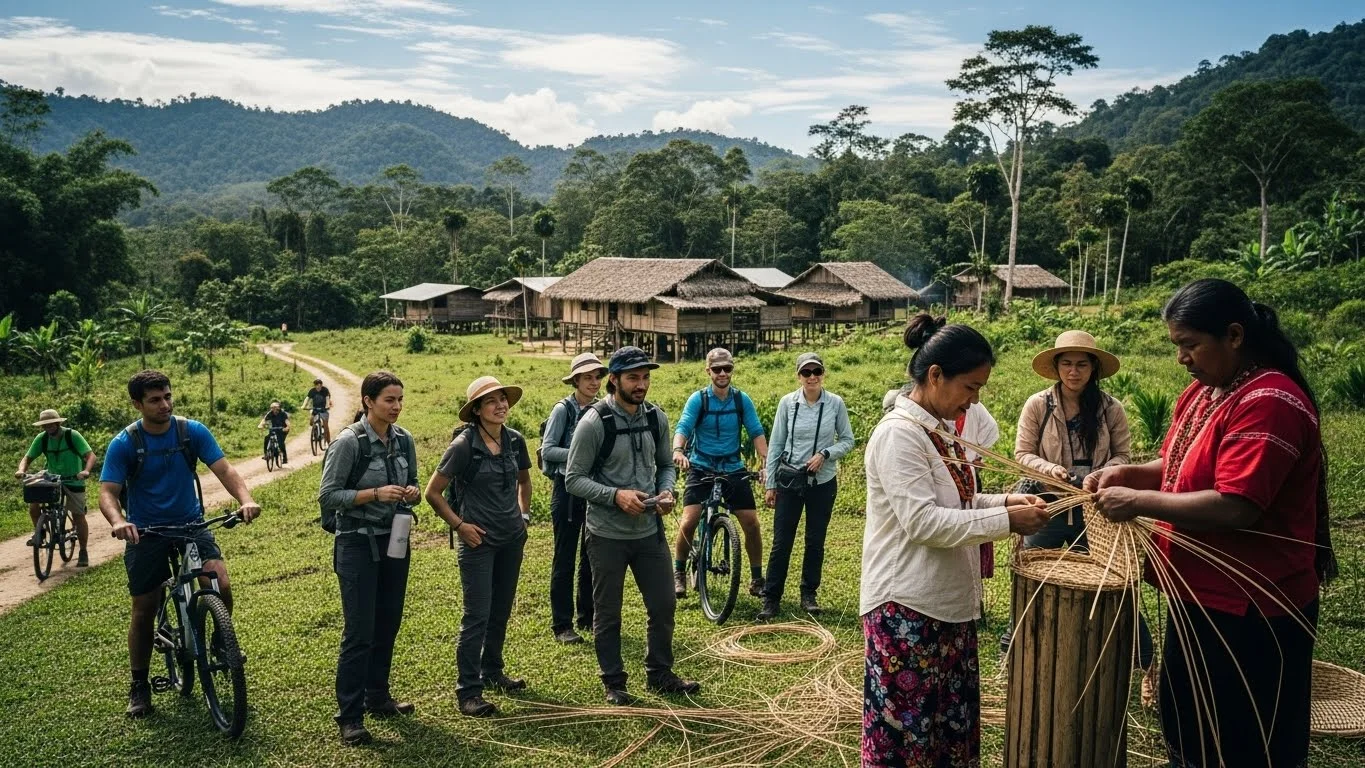
Cultural exchange programs are designed to foster intercultural understanding through shared experiences. These programs allow individuals to engage with communities, participate in local projects, and learn about different cultures firsthand. For those of us passionate about eco-tourism, these exchanges open doors to sustainable practices that benefit both the environment and the communities we visit. I remember my first experience participating in a cultural exchange; it felt like stepping into a vibrant tapestry of life where I could learn and contribute simultaneously.
Benefits for Eco-Tourism Enthusiasts
As eco-tourism enthusiasts, we seek travel experiences that are not only enjoyable but also responsible and beneficial to the environment. Participating in cultural exchange programs offers several key benefits:
- Hands-On Experience: We gain practical knowledge about sustainable practices, such as organic farming, conservation efforts, and community-led initiatives. For example, while volunteering on a farm in Costa Rica, I learned about permaculture and how local farmers are working to preserve the rainforest.
- Deeper Connections: These programs allow us to build meaningful relationships with locals. I’ve found that immersing myself in a community leads to a richer understanding of their traditions and challenges. It’s more than just sightseeing; it’s about becoming part of a story.
- Support for Local Economies: By engaging in cultural exchanges, we help provide resources to communities that rely on eco-tourism. Our participation often means funding conservation projects or supporting local businesses, which is something I prioritize when I travel.
- Personal Growth: Stepping outside of our comfort zones challenges us to adapt and grow. I’ve experienced personal transformations during my travels, from overcoming language barriers to learning new skills that have enriched my life back home.
In my opinion, the combination of these benefits makes cultural exchange programs an invaluable choice for eco-tourism enthusiasts. They allow us to travel consciously while making a positive impact. For more options, you can explore Explore the World: Top Cultural Exchange Programs Abroad.
Top Cultural Exchange Programs Worldwide
WWOOF (World Wide Opportunities on Organic Farms)
WWOOF is perhaps one of the most recognized cultural exchange programs in the eco-tourism space. It connects volunteers with organic farms around the world, allowing us to work in exchange for food and accommodation. I stumbled upon WWOOF while searching for ways to experience local agriculture, and it changed my perspective on food systems. Through WWOOF, I’ve spent time tending to crops in France and learning about sustainable farming techniques in Australia. The connections I made with farmers and fellow volunteers were invaluable.
HelpX (Help Exchange)
HelpX offers a similar opportunity to WWOOF but expands beyond farms to include hostels, homestays, and other locations. I found it appealing because of its versatility. When I traveled to Ireland, I used HelpX to stay with a family in exchange for helping with household tasks and garden maintenance. The experience felt like living with friends rather than just a temporary stay. I gained insights into the Irish way of life while contributing to their daily routines.
Workaway
Workaway is another fantastic program that connects travelers with hosts who need help. Whether it’s working on a farm, teaching English, or assisting in community projects, there’s a wide range of opportunities. I used Workaway during a trip to Portugal and helped renovate a community center. The experience allowed me to learn about local culture and history while making a tangible difference. The friendships I formed with the locals and other volunteers remain some of my fondest travel memories.
Global Citizen Year
This program is geared towards young adults seeking to immerse themselves in a new culture while working on social projects. It offers a gap year experience that focuses on leadership and global citizenship. I’ve seen many young travelers benefit from Global Citizen Year, gaining invaluable life skills and perspectives that shape their futures. The emphasis on social issues and sustainability aligns perfectly with eco-tourism values, making it a noteworthy option.
Earthwatch Institute
For those interested in scientific research and conservation, the Earthwatch Institute provides opportunities to work alongside scientists on crucial environmental projects. I was fortunate enough to participate in a marine conservation project in Belize. It was thrilling to contribute to real research while learning about marine ecosystems. These experiences not only support critical conservation efforts but also deepen our understanding of the delicate balance of nature.
Eco-Tourism Focused Programs
Conservation Volunteer Programs
Conservation volunteer programs are perfect for those of us who want to directly contribute to environmental protection while gaining hands-on experience. I remember volunteering with a project in the Amazon rainforest, where I helped with reforestation efforts. It was incredible to see how even a small group of dedicated volunteers could make a difference in preserving such a vital ecosystem. Many of these programs also include educational components, teaching us about the local flora and fauna, which really enhanced my appreciation for the natural world. We often worked alongside local conservationists, who shared their insights and passion for the environment, making the experience even more meaningful.
Community-Based Tourism Initiatives
Community-based tourism initiatives allow us to experience local cultures while supporting their sustainable development. I participated in one such initiative in a small village in Thailand. We stayed with local families and engaged in daily activities like cooking traditional meals and participating in local festivals. It was eye-opening to see how tourism can empower communities instead of exploiting them. From my experience, these programs foster genuine relationships and help preserve cultural heritage, which is something I deeply value when I travel. The locals were incredibly welcoming, and I left not only with wonderful memories but also a sense of connection to their way of life.
Wildlife Rehabilitation Opportunities
If you’re passionate about animals, wildlife rehabilitation opportunities are a fantastic way to get involved. I spent a couple of weeks at a wildlife rescue center in South Africa, where I worked with injured animals and learned about their rehabilitation processes. It was both challenging and rewarding. We cared for various species, from birds to big cats, and I found myself truly invested in their well-being. These programs often emphasize education and awareness about conservation issues, and I felt empowered to share what I learned with others. It’s a powerful reminder of the impact we can have when we contribute to the protection of wildlife.
How to Choose the Right Program
Assessing Your Interests and Skills
When considering cultural exchange programs, it’s essential to start by assessing your interests and skills. For me, it was important to align my passion for the environment with the type of work I wanted to do. Reflecting on what I enjoyed most about my past experiences helped guide my choices. Think about the skills you have or would like to develop. Are you interested in agriculture, wildlife, or cultural heritage? Understanding your strengths and what excites you will help you find a program that feels like a perfect fit.
Evaluating Program Credibility
It’s also crucial to evaluate the credibility of the program. I’ve learned the hard way that not all programs are created equal. I recommend looking for reviews from previous participants, checking for transparency regarding costs, and understanding how funds are allocated. Engaging with past volunteers can provide insights into their experiences. I remember feeling relieved when I stumbled upon a program with excellent reviews and a clear mission statement. Knowing that I was joining a reputable organization made all the difference in my overall experience.
Understanding Time Commitment and Costs
Finally, consider the time commitment and costs involved. Some programs require a longer commitment than others, so it’s important to ensure that it fits into your travel plans. In my case, I had to balance my time between volunteering and exploring, which can be tricky. Also, be clear about what the costs include—some programs cover accommodation and meals, while others may require additional expenses for supplies or travel. I always find it helpful to create a budget and a timeline to make sure I’m financially and logistically prepared for the adventure ahead.
Preparing for Your Cultural Exchange Experience
Packing Essentials for Eco-Tourism
Packing for an eco-tourism adventure is a bit different from your typical vacation. I’ve learned to pack light and smart. I always include essentials like reusable water bottles, eco-friendly toiletries, and a sturdy pair of shoes, as many activities involve outdoor work. Depending on the destination, I also carry sunscreen, insect repellent, and a first aid kit. Another tip I picked up is to bring along a journal. Documenting my thoughts and experiences has become a cherished ritual that adds to the journey.
Understanding Local Culture and Customs
Familiarizing myself with local culture and customs is essential before embarking on any cultural exchange program. I remember a time in a small village where a seemingly innocent gesture of mine was misinterpreted because I didn’t know the local customs. I felt embarrassed and quickly learned how important it is to respect and understand cultural norms. Researching cultural practices, learning a few key phrases in the local language, and being open to new experiences can make a world of difference. It shows respect and enhances our interactions with the locals.
Health and Safety Considerations
Health and safety should always be a priority when traveling. I’ve made it a habit to check vaccination requirements and local health advisories before I go. It’s also wise to have travel insurance that covers medical emergencies. Understanding the local healthcare system can be useful, too. I remember feeling relieved knowing where the nearest hospital was during one of my trips. Simple precautions can ensure that our adventures are as safe and enjoyable as possible.
Maximizing Your Experience
Engaging with Local Communities
Engaging with local communities is perhaps one of the most rewarding aspects of participating in a cultural exchange program. I remember during my stay in a village in Peru, I made it a point to participate in community events, from traditional festivals to daily markets. This involvement created a bridge between us, the travelers, and the locals. I learned so much about their values and traditions just by being present and actively participating. I think it’s important to approach these interactions with an open heart and mind, ready to listen and learn. The locals are often eager to share their stories, and you might find that these connections turn into lasting friendships.
Another significant part of engaging with local communities is respecting and acknowledging their way of life. I recall a time when I inadvertently interrupted a sacred ritual, simply because I didn’t know the customs. The look of surprise on the faces of the locals taught me an important lesson about being mindful. It’s always beneficial to observe and ask questions when appropriate. This not only shows respect but also enriches your experience, allowing you to gain insights that go beyond what any guidebook can offer.
Documenting Your Journey
Documenting my journey has become an essential part of my travel experience. I carry a journal where I jot down my thoughts, feelings, and observations. It’s fascinating to look back on those pages and see how each experience shaped me, both personally and spiritually. I often include sketches of the landscapes and the people I meet, which adds a creative touch to my memories.
Beyond journaling, I also enjoy taking photographs. But I’ve learned that it’s important to strike a balance. Capturing moments is wonderful, but I try to be present and not let my camera be a barrier between me and the experience. I remember a day spent with a family in Thailand, where I put my camera down and simply enjoyed cooking with them. The laughter, the smells, and the stories shared were far more memorable than any photo could capture. I recommend finding a way to document your journey that resonates with you, whether through writing, photography, or even art.
Sharing Your Experience Online
In this digital age, sharing our experiences online can be a powerful way to inspire others. After each trip, I find myself eager to share not only the beautiful sights but also the valuable lessons I learned. I often write blog posts or share stories on social media, highlighting the importance of cultural exchanges and sustainable tourism. I’ve seen firsthand how sharing these experiences can encourage friends and followers to consider similar adventures. For those looking for more options, check out Unlock Adventures: Best Cultural Exchange Programs on a Budget.
When sharing online, I believe it’s essential to be authentic. I try to convey both the highs and lows, as travel is not always perfect. For instance, I once faced a challenging situation in a remote area, where communication was tough due to language barriers. Rather than glossing over it, I shared how I navigated through that difficulty. I think people appreciate honesty and might find it comforting to know they’re not alone in facing challenges while traveling.
Additionally, I encourage others to share how they can contribute positively to the places they visit. Whether it’s promoting responsible tourism practices or supporting local businesses, our voices can create a ripple effect that promotes eco-tourism and cultural respect.
Challenges and Considerations
Cultural Sensitivity and Adaptation
Cultural sensitivity is crucial when engaging in a cultural exchange program. I remember arriving in a new country and feeling overwhelmed by the differences in customs and norms. It’s easy to unintentionally offend someone simply because we don’t know the local etiquette. In my experience, taking the time to learn about cultural norms—such as greetings, dining practices, and social behaviors—can make a world of difference. I often spend time researching online or asking locals for tips before I arrive, which helps me adapt more smoothly.
It’s also important to remain flexible and open to adapting your behavior as needed. I recall a situation where I had to adjust my expectations when it came to time. In some cultures, time is viewed more fluidly than in my home country. Understanding this helped me approach situations with patience, which ultimately led to richer interactions.
Environmental Impact Awareness
As eco-tourism enthusiasts, we must be conscious of our environmental impact during our travels. I always try to leave places better than I found them. Whether it’s participating in a beach clean-up or reducing plastic use, small actions can contribute to larger environmental efforts. I often remind myself that traveling responsibly doesn’t just benefit the destinations we visit but also enhances our own experiences. When we care for the environment, we foster a deeper connection to the places we explore.
Potential Language Barriers
Language barriers can be another challenge, but they also present opportunities for creativity and connection. I’ve found that learning a few key phrases before traveling can greatly enhance my interactions. Simple greetings, expressions of gratitude, and phrases related to the work I’m doing can break down walls and show locals that I respect their culture. Even if my accent isn’t perfect, I’ve noticed that locals often appreciate the effort and are more willing to engage.
In situations where language barriers exist, I’ve learned that gestures, smiles, and body language can often convey more than words. I remember a particularly memorable experience when I helped in a community garden where the primary language was different from mine. We communicated through laughter, shared tasks, and an unspoken bond that transcended words. Embracing the challenges of language can lead to unexpected and beautiful moments that enrich our journey.
Frequently Asked Questions
What are cultural exchange programs?
Cultural exchange programs are designed to foster intercultural understanding through shared experiences, allowing individuals to engage with communities, participate in local projects, and learn about different cultures firsthand.
How do cultural exchange programs benefit eco-tourism enthusiasts?
These programs provide hands-on experience in sustainable practices, enable deeper connections with locals, support local economies, and promote personal growth through challenges and new skills.
What is WWOOF?
WWOOF (World Wide Opportunities on Organic Farms) connects volunteers with organic farms globally, allowing them to work in exchange for food and accommodation, thereby gaining insights into sustainable farming techniques.
What is HelpX?
HelpX (Help Exchange) offers a versatile opportunity for travelers to stay at various locations, including farms and hostels, in exchange for help with tasks, fostering a sense of community and cultural immersion.
What opportunities does Workaway provide?
Workaway connects travelers with hosts needing help in diverse areas, such as farming, teaching, or community projects, allowing participants to make a tangible difference while learning about local culture.
What is the Global Citizen Year program?
The Global Citizen Year program is aimed at young adults seeking a gap year experience focused on leadership and global citizenship while working on social projects, aligning well with eco-tourism values.
What should I consider when choosing a cultural exchange program?
When choosing a program, assess your interests and skills, evaluate the program’s credibility through reviews and transparency, and understand the time commitment and costs involved.
What essentials should I pack for an eco-tourism adventure?
Pack light but smart, including essentials like reusable water bottles, eco-friendly toiletries, sturdy shoes, sunscreen, insect repellent, a first aid kit, and a journal for documenting experiences.
How can I engage with local communities during my cultural exchange?
Engage with local communities by participating in events, respecting their customs, and being open to learning from their values and traditions, which fosters meaningful connections.
What challenges might I face during a cultural exchange program?
Challenges can include cultural sensitivity and adaptation issues, environmental impact awareness, and potential language barriers, all of which can also offer opportunities for personal growth and connection.