
If you’re a budget traveler seeking adventure, cultural trekking is your ticket to exploring the world in a unique way. Let’s dive into some amazing destinations that offer rich experiences without breaking the bank. Explore Cultural Treks: Budget Adventures Await You
Understanding Cultural Trekking
Definition of Cultural Trekking
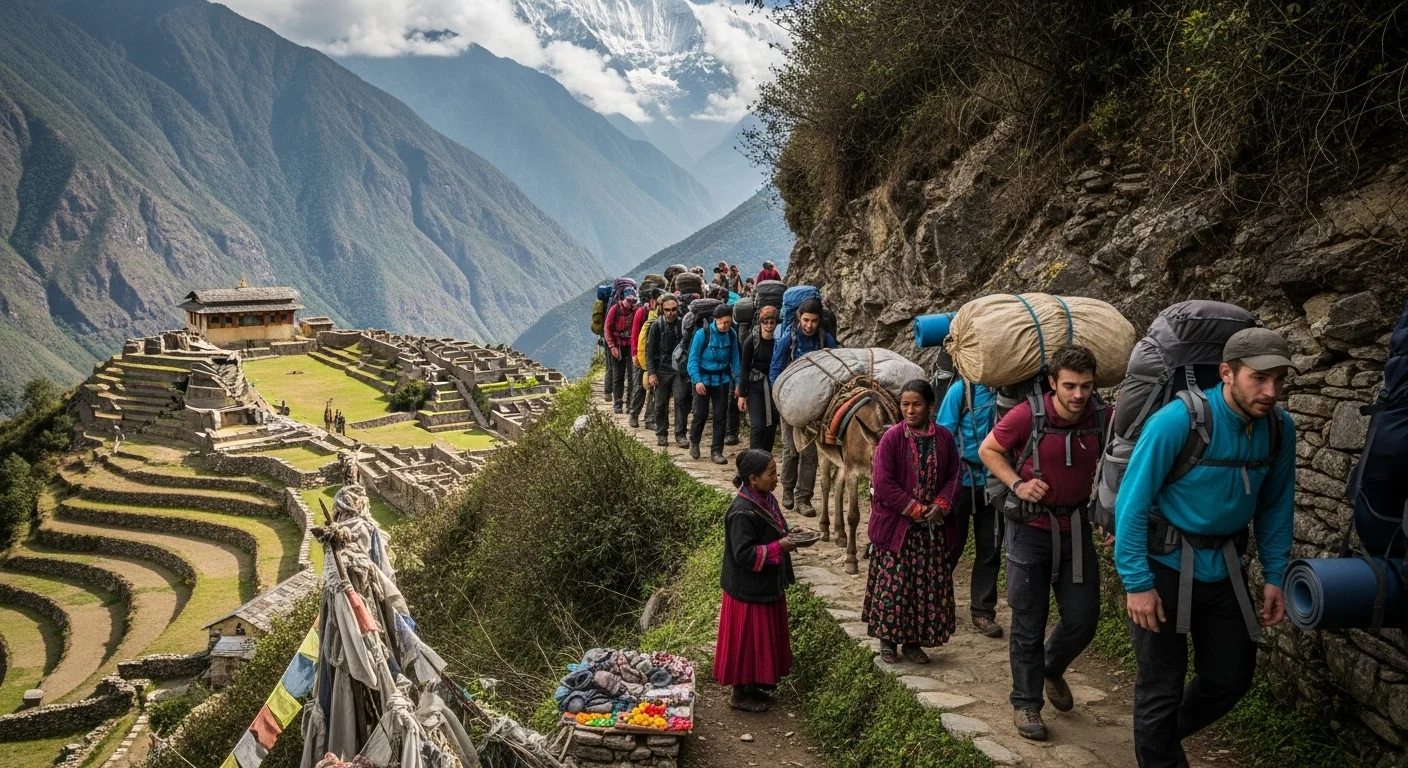
Cultural trekking is an incredible way to immerse yourself in the local lifestyle while enjoying the beauty of nature. It combines hiking with cultural experiences, allowing you to explore remote villages, interact with locals, and appreciate their traditions. For me, it’s not just about the physical challenge; it’s about the stories I gather along the way. Each trek has a unique flavor that reflects the culture of the region, making it a journey for both the body and the soul.
Benefits of Cultural Trekking for Budget Travelers
Cultural trekking offers numerous benefits, especially for budget travelers like us. First, it’s an affordable way to see the world. Many trekking routes pass through less touristy areas, allowing us to save on accommodation and food costs. I’ve found that staying in local homestays or guesthouses often costs much less than hotels while providing a more authentic experience.
Additionally, trekking allows us to engage with local communities. When I trek through a village, I often have the chance to learn about their customs, try their food, and even participate in their daily activities. This not only enriches the travel experience but also fosters a sense of connection and respect for the cultures we encounter. Plus, the stunning landscapes we traverse are usually free to explore, making it a win-win for our wallets and our hearts. Read Interesting article: 5 Must-Visit Jungle Destinations for Budget Travelers
Top Budget-Friendly Cultural Trekking Destinations
1. Peru: The Sacred Valley and Machu Picchu
Overview of the Sacred Valley
Peru is often at the top of my list when I think of cultural trekking. The Sacred Valley is a breathtaking area filled with ancient ruins, vibrant markets, and stunning landscapes. My first day there, I remember standing in awe at the sight of terraced fields leading up to the majestic mountains. The locals are incredibly welcoming, and their rich traditions are evident everywhere you look.
Budget Accommodation Options
When it comes to staying in the Sacred Valley, there are plenty of budget options. I’ve stayed in cozy hostels in towns like Ollantaytambo and Pisac for as little as $10 a night. These places often include breakfast, and they give you a chance to meet other travelers and share tips about the area.
Local Cuisine to Try
Don’t miss out on trying local dishes like ceviche and lomo saltado. I was blown away by the flavors of the community kitchens where I dined. Street food is another great option; I remember enjoying a delicious empanada for just a couple of soles. Eating like a local not only saves money but also enhances the cultural experience.
2. Vietnam: Sapa and the Northern Highlands
Exploring Sapa’s Rice Terraces
Sapa, with its stunning rice terraces and colorful ethnic minority cultures, is another favorite destination of mine. The lush green landscapes are breathtaking, and the trekking routes here vary in difficulty, making it accessible for everyone. As I trekked through the terraces, I felt a deep connection to the land and its people.
Homestays and Affordable Lodging
Homestays in Sapa offer a unique opportunity to live with local families. I remember staying with a kind Hmong family who shared stories of their lives while we enjoyed meals together. These stays often cost around $15 a night, which is a steal for such an immersive experience.
Traditional Vietnamese Dishes
Vietnamese food is a highlight of any visit. In Sapa, I tried traditional dishes like pho and banh xeo. I loved visiting the local markets, where I could sample fresh produce and street food. Eating local is not just about saving money; it’s about tasting the culture itself.
3. Nepal: The Annapurna Circuit
Overview of the Annapurna Circuit
The Annapurna Circuit is renowned for its dramatic views and rich cultural diversity. As I trekked through this stunning region, I was amazed by how quickly the scenery changed—from lush subtropical forests to high mountain deserts. Each village along the way has its unique character and customs, making it an unforgettable experience.
Budget Trekking Tips
I found that trekking in Nepal can be done on a budget by avoiding expensive tours and opting for self-guided treks. Staying in tea houses along the route keeps costs low, often allowing you to meet fellow trekkers and share stories over a meal. I usually spent around $20 a day, including accommodation and meals.
Local Culture and Food
The food along the Annapurna Circuit is hearty and delicious. I loved enjoying dal bhat, a traditional meal of rice and lentils, after a long day of walking. It’s filling, nutritious, and incredibly affordable. Plus, sharing meals with fellow trekkers added to the camaraderie of the trek.
4. Morocco: Trekking in the Atlas Mountains
Highlights of Atlas Mountain Trekking
Morocco’s Atlas Mountains offer a different kind of trekking experience, rich in Berber culture. I remember hiking through valleys dotted with traditional Berber villages where I could see the unique architecture. The mountain scenery is just stunning, and every twist and turn on the trail brought new vistas that took my breath away.
Cost-Effective Accommodation
In the Atlas Mountains, I often camped or stayed in basic lodges, which kept my expenses low. The hospitality of the local Berber people made my stay even more memorable. For around $15 a night, I enjoyed simple yet comfortable accommodations.
Moroccan Cuisine: What to Expect
I can’t talk about Morocco without mentioning its incredible cuisine. I loved indulging in tagines and couscous, often prepared using local ingredients. Street food in cities like Marrakech is also affordable and delicious; I remember savoring a plate of grilled kebabs that cost just a few dirhams.
5. India: The Himalayas and Ladakh
Trekking Routes in Ladakh
Ladakh is a special place for trekkers, known for its breathtaking Himalayan landscapes and rich cultural heritage. I found that the trekking routes here, such as the Markha Valley trek, offer a blend of adventure and cultural immersion. The stark beauty of the mountains is awe-inspiring, and the friendly locals add warmth to your journey.
Affordable Stay Options
Accommodation in Ladakh can be quite affordable, especially if you opt for guesthouses or homestays. I often stayed in budget guesthouses for around $10 a night, which allowed me to interact with locals and learn about their way of life.
Traditional Indian Foods to Experience
The food in Ladakh is a wonderful mix of flavors and textures. I enjoyed trying momos (dumplings) and thukpa (noodle soup), both of which are delicious and budget-friendly. Eating at local eateries not only saves money but also allows you to taste the heart of Ladakhi culture.
Planning Your Cultural Trekking Adventure
When to Go: Seasonal Considerations
Planning your cultural trekking adventure starts with knowing when to go. Each destination has its peak seasons, which can greatly affect your experience and budget. For instance, I’ve learned that trekking in Peru’s Sacred Valley is best from May to September, during the dry season, when the trails are less muddy and the views are clear. However, this is also when prices for accommodation can spike due to increased tourism.
In contrast, I found that trekking in Nepal during the shoulder seasons—March to May and September to November—brought fewer crowds and more affordable options. The weather was still pleasant, and I enjoyed the blooming rhododendrons in the spring or the clear skies in the fall. Understanding the local climate and peak times can help you avoid the rush and find better deals, which is always a win for budget travelers like us.
Essential Gear for Budget Travelers
When it comes to gear for cultural trekking, I believe it’s all about packing smart and light. I remember when I first started trekking, I was overwhelmed by the amount of stuff I thought I needed. Over time, I’ve learned to focus on the essentials. A good pair of hiking boots is a must; they can make a world of difference in comfort and safety. I’ve spent hours on rocky terrains, and having the right footwear has kept my feet happy.
Layering is key, too. I usually pack moisture-wicking shirts, a warm fleece, and a waterproof jacket. This way, I can adapt to the changing weather without carrying too much. I also recommend bringing a reusable water bottle to stay hydrated and cut down on plastic waste. Since we often find clean water sources along the trails, I just fill up my bottle and keep going. A lightweight daypack is handy for carrying snacks, a first-aid kit, and my camera to capture those unforgettable moments.
Safety Tips for Trekking
Safety is paramount when embarking on any trekking adventure. I always take the time to research the trails I plan to hike. Knowing the difficulty level and the terrain helps me prepare mentally and physically. I remember one experience in the Annapurna Circuit where I underestimated a particular section of the trail. It turned out to be more challenging than I anticipated, and I had to adjust my pace significantly.
Additionally, I always share my trekking plans with someone back home or with fellow travelers. It provides an added layer of security. Staying aware of my surroundings is crucial as well. I find that keeping my eyes open for any signs of altitude sickness, like headache or dizziness, is vital in high-altitude trekking. If I ever feel off, I don’t hesitate to take a break or descend to a lower altitude until I feel better.
How to Interact with Local Cultures Respectfully
One of the most rewarding aspects of cultural trekking is engaging with the local people. I’ve learned that being respectful and open-minded goes a long way. Before my first trip to a remote village in Vietnam, I read up on local customs and etiquette. For instance, I discovered that it’s respectful to ask permission before taking photos of people or their homes, which helped build trust and respect. This small gesture made a huge difference in how locals perceived me.
I also try to learn a few basic phrases in the local language. When I attempted to say “hello” or “thank you” in Nepali, the smiles I received in return made my day. Simple interactions can foster friendships and create a more immersive experience. I always carry small gifts, like pens or candies, to share with children or families I meet along the way. It’s a beautiful way to connect and show appreciation for their hospitality.
Budgeting Your Cultural Trekking Trip
Estimating Costs: Transportation, Food, and Accommodation
Budgeting for a cultural trekking trip can feel overwhelming, especially when you’re trying to squeeze the most out of your travel experience without overspending. I’ve learned that breaking down costs into categories like transportation, food, and accommodation helps me stay on track. For instance, when I traveled to Peru, I found that local transportation options, such as buses, were incredibly affordable, often costing just a few dollars for longer journeys. In contrast, hiring private taxis can quickly add up, so I always try to use public transport whenever possible.
Food is another area where I aim to save. I often eat at local markets or street vendors, where I can enjoy hearty meals for just a couple of dollars. During my trek in Nepal, I remember enjoying a filling dal bhat for around $3, which not only satisfied my hunger but also allowed me to interact with local vendors. Accommodation, on the other hand, can vary widely. I’ve found that guesthouses and homestays are often the most cost-effective, providing a glimpse into local life. Generally, I budget around $15 to $30 per night for accommodation, depending on the location.
How to Save Money While Trekking
Saving money while trekking is a skill I’ve honed over the years, and it really comes down to preparation and choices. One of my favorite tips is to pack my own snacks. I usually bring along energy bars, nuts, and dried fruits. Not only do they provide a quick energy boost, but they also save me from purchasing expensive snacks along the trail. I remember one long trek in the Himalayas where I shared trail mix with fellow hikers, which became a bonding moment for us.
Additionally, I’ve learned to avoid peak tourist seasons. Traveling during shoulder seasons can help me find better deals on both accommodations and activities. For example, when I trekked in Vietnam, I went in early March, which allowed me to enjoy beautiful weather and fewer tourists. It felt like I had the trails to myself, and I even got better prices on homestays as a bonus.
Moreover, I often opt for self-guided treks instead of organized tours. While guided tours can be convenient, they often come with a hefty price tag. I remember tackling the Annapurna Circuit on my own, relying on local maps and advice from fellow trekkers. Not only did it save me money, but it also gave me a sense of freedom to explore at my own pace.
Choosing Affordable Local Guides
If you feel more comfortable with a guide, I recommend seeking out local guides who offer more affordable rates than larger tour companies. I had a fantastic experience hiring a local guide in Morocco, who not only led me through the Atlas Mountains but also shared insights about local culture and history. I found that these local guides often charge less because they rely on word-of-mouth referrals rather than expensive marketing, which means I can enjoy a personalized experience without breaking the bank. Read Interesting article: Essential Guide to Affordable Jungle Trekking Adventures
When looking for local guides, I always check reviews on travel platforms or ask for recommendations from fellow travelers. I remember meeting a group of trekkers in a café in Sapa who shared their experiences with a local guide. Their enthusiasm made me want to book him for my trek, and it turned out to be one of the highlights of my trip. Having someone who knows the area well can enhance the cultural experience, making it even more worthwhile.
Ultimately, budgeting for a cultural trekking adventure requires a bit of planning and flexibility. By estimating costs, finding ways to save, and choosing local guides, I’ve managed to explore incredible destinations while keeping my wallet happy. Each trip has taught me valuable lessons about traveling smartly and immersively, making my journeys memorable both culturally and financially.
Resources for Budget Travelers
Online Platforms for Trekking Guides
When it comes to finding reliable information and resources for trekking, I’ve found that online platforms can be a treasure trove of knowledge. Websites like AllTrails and Komoot provide detailed maps and user-generated reviews of various trekking routes. I often use these platforms to plan my hikes, looking for routes that match my skill level and interest. They’re particularly useful for discovering hidden gems that aren’t always on the main tourist radar.
Another great resource is local tourism websites. I remember when I was planning my trek in Ladakh, the official tourism site provided insights into various trekking routes, local regulations, and even safety tips. It helped me to better understand what to expect and how to prepare.
Apps for Budget Travel and Navigation
In this digital age, there are countless apps that can enhance the trekking experience while keeping costs down. One of my favorites is Google Maps, which I rely on for navigation. It’s especially useful in urban areas or when I need directions to a trailhead. Offline maps are a lifesaver in remote regions, so I often download maps ahead of time to avoid any connectivity issues.
For tracking my budget, I use apps like Trail Wallet, which helps me keep tabs on my spending. It’s a simple way to log expenses in real-time, and I can categorize them by food, accommodation, and activities. This has helped me stick to my budget while still enjoying all the amazing experiences each destination has to offer.
Communities and Forums for Trekking Enthusiasts
Connecting with fellow trekkers can open up a world of tips and shared experiences. Online communities, such as the Trekking subreddits and Facebook groups, are fantastic places to ask for advice, share stories, and find travel buddies. I’ve met many inspiring travelers through these platforms who have provided insights into their favorite trails and cultural experiences.
Additionally, forums like Lonely Planet’s Thorn Tree or Couchsurfing can be invaluable. I remember asking for recommendations on where to find the best local homestays in Vietnam, and the responses I received were incredibly helpful. It’s comforting to know there are people out there who share your passion for cultural trekking and are willing to lend a hand.
Frequently Asked Questions
What is cultural trekking?
Cultural trekking is an incredible way to immerse yourself in the local lifestyle while enjoying nature. It combines hiking with cultural experiences, allowing travelers to explore remote villages, interact with locals, and appreciate their traditions.
How does cultural trekking benefit budget travelers?
Cultural trekking is an affordable way to travel, as it often takes you through less touristy areas where accommodation and food costs are lower. Staying in local homestays can be much cheaper than hotels, and engaging with local communities enriches the travel experience.
What are some budget-friendly cultural trekking destinations?
Some budget-friendly cultural trekking destinations include Peru (Sacred Valley and Machu Picchu), Vietnam (Sapa and the Northern Highlands), Nepal (Annapurna Circuit), Morocco (Atlas Mountains), and India (Himalayas and Ladakh).
What types of accommodation are available for budget travelers in these destinations?
Budget travelers can find various accommodation options, including hostels, guesthouses, and homestays. For example, in the Sacred Valley, prices can start as low as $10 per night, while in Sapa, homestays can be around $15 per night.
What traditional dishes should I try while cultural trekking?
Travelers should try local dishes such as ceviche and lomo saltado in Peru, pho and banh xeo in Vietnam, dal bhat in Nepal, tagines and couscous in Morocco, and momos and thukpa in Ladakh, all of which are budget-friendly and enhance the cultural experience.
When is the best time to go cultural trekking?
The best time for cultural trekking varies by destination. For instance, trekking in Peru’s Sacred Valley is best from May to September, while Nepal is ideal during the shoulder seasons of March to May and September to November for fewer crowds and more affordable options.
What essential gear should budget travelers pack for trekking?
Budget travelers should focus on packing smart and light, including a good pair of hiking boots, moisture-wicking shirts, a warm fleece, a waterproof jacket, a reusable water bottle, and a lightweight daypack for carrying snacks and essentials.
How can trekkers ensure their safety while trekking?
Safety can be ensured by researching trails, knowing difficulty levels, sharing trekking plans with someone, staying aware of surroundings, and recognizing signs of altitude sickness to take appropriate action if needed.
How can trekkers interact respectfully with local cultures?
Travelers can interact respectfully by learning about local customs, asking permission before taking photos, learning basic phrases in the local language, and carrying small gifts to share with locals as a gesture of appreciation.
What resources are available for budget travelers planning their trekking adventure?
Budget travelers can utilize online platforms like AllTrails and Komoot for trekking routes, apps like Google Maps for navigation, budget tracking apps like Trail Wallet, and online communities and forums for tips and shared experiences with fellow trekkers.