
Are you ready to embark on a thrilling journey into the world of wildlife photography? With affordable destinations worldwide, capturing stunning shots of animals has never been more accessible!
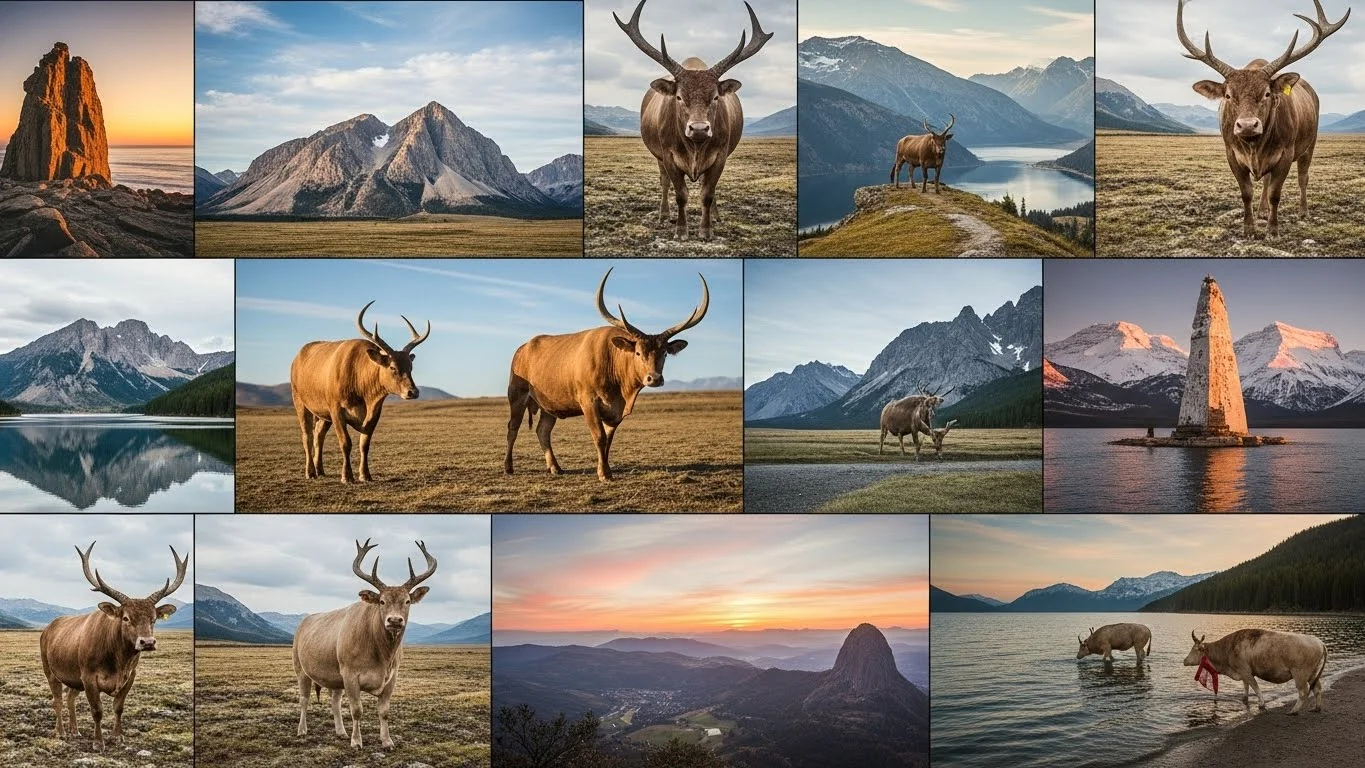
Understanding Wildlife Adventure Photography
What is Wildlife Adventure Photography?
Wildlife adventure photography is more than just taking pictures of animals; it’s about capturing the essence of nature in its most raw and beautiful form. For me, every click of the shutter reveals a story, whether it’s a lion lounging in the sun or a bird taking flight at dawn. This type of photography encourages us to connect with nature, understand its rhythms, and appreciate the diverse species that inhabit our planet. I remember the first time I attempted wildlife photography. The thrill of seeing a majestic elephant in its natural habitat and knowing I could capture that moment forever was exhilarating. It’s an adventure that combines artistry with nature, and each photograph serves as a window into a world we often take for granted.
Importance of Affordable Options
As an aspiring wildlife photographer, I quickly learned that amazing experiences don’t have to come with a hefty price tag. Affordable options allow us to explore new destinations without breaking the bank. When I was just starting, I realized the importance of budget-friendly travel. It opened up a world of possibilities and allowed me to discover stunning wildlife hotspots that were previously off-limits due to cost. I believe that everyone should have the chance to experience the thrill of wildlife photography, and there are many incredible places that offer affordable options. Whether you’re a beginner or a seasoned pro, finding low-cost destinations can enhance your skills and elevate your passion for capturing nature’s beauty. Read Interesting article: Capture the Wild: Budget Tips for Wildlife Adventure Photography
Top Destinations for Wildlife Photography
Africa
Serengeti National Park, Tanzania
Serengeti National Park is a dream destination for any wildlife photographer. The vast plains are teeming with life, from the famous Big Five to countless bird species. I remember my trip there, waking up before dawn to catch the golden light spilling over the savannah. The thrill of witnessing a pride of lions during the Great Migration was unforgettable. The park is accessible and offers various affordable accommodation options, like campsites and budget lodges, making it perfect for those looking to save while experiencing the wild.
Kruger National Park, South Africa
Kruger National Park is another gem in Africa. With self-drive options available, it provides an affordable way to explore the beauty of the African wilderness on your own terms. I loved being able to stop and take photos whenever I spotted something interesting. The park is known for its diverse wildlife, and the chance to photograph elephants, rhinos, and leopards is a massive draw for photographers. Budget lodges and campsites scattered throughout the park mean you can enjoy an immersive experience without overspending.
Namib Desert, Namibia
The Namib Desert might not be the first place that comes to mind for wildlife photography, but it offers unique landscapes and wildlife interactions that are simply breathtaking. The contrast of the orange dunes against the blue sky is mesmerizing. I had the opportunity to photograph desert-adapted elephants, which was a surreal experience. With several affordable guesthouses and camping options available, the Namib Desert is perfect for those seeking something different while still being budget-conscious.
North America
Yellowstone National Park, USA
Yellowstone National Park is a paradise for wildlife enthusiasts. From bison to grizzly bears, every corner of this park offers a chance to snap incredible photographs. I remember standing at the edge of a valley, watching a herd of bison roam freely. The park has numerous affordable lodging options, including campgrounds, making it accessible for all. Visiting in the shoulder season can also help save money while providing a less crowded experience for photography.
Banff National Park, Canada
Banff National Park is a stunning location in the Canadian Rockies, known for its breathtaking scenery and diverse wildlife. I was captivated by the turquoise lakes and snow-capped peaks. The best part? The park is home to an array of animals like elk, bears, and mountain goats. There are many affordable accommodations in the nearby town of Banff, and the opportunities for outdoor adventures and photography are endless. I found myself taking countless photos, each one more beautiful than the last.
Everglades National Park, USA
The Everglades offers a unique ecosystem and a chance to capture wildlife that’s different from what you’d find in traditional national parks. Alligators, manatees, and a myriad of bird species inhabit this wetland paradise. I remember my airboat ride through the mangroves, where I snapped photos of alligators lounging in the sun. The park has budget-friendly camping options, allowing you to immerse yourself in this extraordinary landscape.
South America
Amazon Rainforest, Brazil
The Amazon Rainforest is a must-visit for anyone passionate about wildlife photography. It’s home to countless species, many of which are not found anywhere else on Earth. I was in awe of the vibrant colors and sounds of the jungle. There are affordable eco-lodges and guided tours available, making it easier to explore without spending a fortune. Photographing the unique flora and fauna of the Amazon was a transformative experience that deepened my appreciation for biodiversity.
Galapagos Islands, Ecuador
The Galapagos Islands are famous for their unique wildlife and are a dream for photographers. I still remember watching the blue-footed boobies perform their quirky mating dance. While some tours can be pricey, there are budget-friendly hostels and local experiences that allow you to capture the islands’ beauty without overspending. The chance to photograph so many unique species in such a pristine environment is worth every penny.
Asia
Ranthambore National Park, India
Ranthambore National Park is one of India’s most renowned wildlife reserves, famous for its tiger population. I was lucky enough to catch a glimpse of one in the wild, and it was a moment I’ll never forget. The park offers various affordable safari options, and the chance to photograph these majestic creatures in their natural habitat is unparalleled. Staying in nearby villages can provide a more budget-friendly experience while still allowing access to the park.
Borneo Rainforest, Malaysia
Borneo is famous for its incredible biodiversity and is an essential stop for wildlife photographers. From orangutans to pygmy elephants, the opportunities for stunning shots are endless. I loved exploring the rainforest and taking photos of the unique flora and fauna. There are affordable lodges and guided tours that cater to budget travelers, making it possible to experience the wonders of Borneo without breaking the bank.
Australia and Oceania
Great Barrier Reef, Australia
While often known for its underwater beauty, the Great Barrier Reef also offers unique wildlife photography opportunities above water. I was amazed at the diversity of life, from sea turtles to colorful birds. There are several budget-friendly tours and campsites along the coast, allowing you to experience this incredible ecosystem without overspending. The vibrant underwater world is a photographer’s dream, and I highly recommend bringing a waterproof camera or housing for stunning underwater shots. Read Interesting article: Affordable Underwater Wildlife Photography Tips for Backpackers
Fiordland National Park, New Zealand
Fiordland National Park is a breathtaking destination known for its dramatic landscapes and diverse wildlife. I was captivated by the stunning fjords, waterfalls, and unique bird species. The park has several affordable accommodations, including campsites and budget lodges. Exploring the area and capturing the beauty of the fjords and their inhabitants was an unparalleled experience for me. The natural beauty of this location makes it a must-visit for any wildlife photographer.
Best Times to Visit for Wildlife Photography
Seasonal Migration Patterns
One of the most exciting aspects of wildlife photography is timing your visit to coincide with seasonal migration patterns. I’ve found that witnessing migrations can result in breathtaking photographs. For instance, in Africa, the Great Migration of wildebeest and zebras occurs from June to September in the Serengeti. I remember being there during this time; it felt like being part of a natural spectacle that has played out for centuries. The sheer number of animals moving across the plains is something I’ll never forget. Similarly, in North America, the migration of birds in spring and fall provides incredible opportunities for capturing these avian travelers as they make their way to warmer climates. Knowing these patterns can help us plan our trips for maximum photographic impact.
Weather Considerations
Weather plays a significant role in wildlife photography, and I’ve learned that it can greatly affect both the animals’ behavior and the quality of the images you capture. For example, early morning fog can create a mystical atmosphere, as I experienced during a sunrise shoot in the Everglades. On the flip side, rainy weather can be challenging but also rewarding; the colors pop, and animals often behave differently. I remember getting caught in a downpour while photographing elephants in Namibia, but the resulting photos with raindrops on their skin were some of my favorites. So, when planning your wildlife adventure, keep an eye on the forecast and consider how different weather conditions might enhance or hinder your photography experience.
Peak Wildlife Viewing Times
Every location has its peak wildlife viewing times, and I’ve learned that knowing these can significantly boost your chances of capturing stunning shots. For example, in Yellowstone, dawn and dusk are prime times for spotting animals, as many are more active during these cooler hours. During my visit, I woke up at 5 AM to catch the golden light of morning, and it was worth every minute of lost sleep. In the Amazon, early mornings offer the best chance to see and photograph various birds and monkeys as they start their day. Researching when and where to find specific animals will help you plan your itinerary effectively and maximize your photographic opportunities.
Budgeting for Wildlife Photography Trips
Cost Breakdown: Travel, Accommodation, and Equipment
Planning a budget for a wildlife photography trip can feel overwhelming, but I’ve found that breaking down the costs makes it more manageable. First, consider travel expenses. This could include flights, car rentals, or even local transport options like buses or trains. I often find that booking flights in advance helps me save money. Next, accommodation can vary widely depending on location. I’ve stayed in everything from luxury lodges to budget-friendly hostels, and while I appreciate the comfort of nicer places, I’ve had some of my best experiences staying in local guesthouses where I could immerse myself in the culture. Lastly, don’t forget about equipment costs. While it’s easy to get carried away with the latest gear, I believe it’s essential to invest wisely in key pieces that will enhance your photography. For me, a good lens and a sturdy tripod have proven invaluable.
Affordable Accommodation Options
Finding budget-friendly accommodations can greatly enhance our wildlife photography adventures. I’ve discovered that many national parks and wildlife reserves have campgrounds and affordable lodges nearby. During my travels, I’ve often opted for camping, which not only cuts costs but also places us right in the heart of nature. I fondly recall camping under the stars in Banff, where I could hear the distant calls of wildlife. Additionally, many areas have hostels or guesthouses that offer comfortable stays at lower prices. Websites like Airbnb or local booking platforms can also provide great deals. I always recommend checking for deals or discounts, especially during the shoulder seasons, as prices tend to drop while still offering fantastic wildlife viewing opportunities.
Tips for Saving Money on Travel
Over the years, I’ve picked up a few tricks to save money while traveling for wildlife photography. First, be flexible with your travel dates. Sometimes flying mid-week or at off-peak times can result in significant savings. I also like to use fare comparison websites to find the best deals. When it comes to local transport, I’ve found that public transportation can be a budget-friendly option, and it often provides a unique perspective on local life. I’ve also made a habit of packing my own snacks and meals; not only does this save money, but it allows me to enjoy picnics in nature, which often become cherished moments of my trips. Lastly, I recommend connecting with fellow photographers online; they can share tips about discounts or hidden gems that are off the beaten path.
Essential Gear for Wildlife Adventure Photography
Camera Equipment Recommendations
As I’ve delved deeper into wildlife photography, I’ve realized the importance of having the right camera equipment. A good DSLR or mirrorless camera is essential; I personally use a DSLR with a versatile zoom lens. This setup allows me to capture both distant animals and close-up details without switching lenses all the time. A fast lens with a wide aperture can also make a big difference in low light conditions, which is especially important during early morning or late afternoon shoots. I suggest investing in a sturdy tripod or monopod for stability, particularly when shooting in low-light situations or when using heavy telephoto lenses. Lastly, don’t forget extra batteries and memory cards; I’ve learned the hard way that you never want to run out of power or storage while in the field!
Clothing and Gear for Different Environments
When it comes to wildlife photography, dressing appropriately for the environment is crucial. I’ve experienced varying climates, from the heat of the Namib Desert to the chilly mornings in Yellowstone. I always recommend layering your clothing to adapt to changing temperatures throughout the day. Sturdy boots are a must for rough terrains, and I’ve also found that neutral-colored clothing helps me blend in with nature, reducing the chances of startling wildlife. Additionally, a good hat and sunglasses protect against the sun, and don’t forget a rain jacket if you’re heading to a place with unpredictable weather. When photographing in wet or humid environments, I often carry a waterproof bag to keep my gear safe.
Drone Photography Considerations
Drone photography has opened up a new world of possibilities for wildlife photography. I’ve used my drone to capture breathtaking aerial shots that provide a unique perspective on landscapes and wildlife. However, it’s essential to check regulations before flying, as many national parks have restrictions. I also recommend being respectful of wildlife; keeping a safe distance is vital to avoid disturbing animals. In my experience, the best time to capture stunning drone shots is during golden hour, as the light creates magical landscapes. Drones can be a valuable tool, but they should be used responsibly to ensure the safety and well-being of the wildlife we love to photograph.
Photography Techniques for Wildlife Adventure Photography
Understanding Animal Behavior
To truly capture the essence of wildlife, I’ve learned that understanding animal behavior is key. Observing animals in their natural habitat can give us insight into their routines, and allows us to anticipate moments worth capturing. I often spend time watching before taking any shots; whether it’s noticing when a bird is about to take flight or understanding the social dynamics within a herd of animals, patience truly pays off. Each animal has its own set of behaviors, and I find that learning about them enhances my photography experience significantly. It’s like a dance; the more you understand the rhythm, the more beautiful the shots you can capture.
Best Practices for Capturing Wildlife
When it comes to taking photographs of wildlife, I’ve found that a few best practices can make all the difference. First, using a fast shutter speed is essential to freeze motion, especially with fast-moving animals. When I’m photographing birds in flight, I often set my camera to continuous shooting mode to increase my chances of getting that perfect shot. Additionally, focusing on the eyes of the subject is crucial; clear, sharp eyes can make or break a photo. I also recommend using natural light whenever possible, as it enhances colors and textures. Lastly, don’t hesitate to experiment with angles; getting low to the ground or shooting from a different perspective can create more compelling images.
Editing Tips for Wildlife Photos
Editing is an integral part of wildlife photography, and I’ve found that it can elevate my images to new heights. I often start with basic adjustments in exposure and contrast to enhance the overall look. Cropping can also help focus attention on the subject, which I find especially useful in busy compositions. I love playing with saturation and vibrancy to make colors pop, but I always aim for a natural look. I’ve learned that subtlety is key when it comes to editing; the goal is to enhance the image without making it look overly processed. Lastly, I recommend keeping a consistent style in your edits to create a cohesive portfolio. Each photograph tells a story, and the editing process helps to convey that story more effectively.
Frequently Asked Questions
What is wildlife adventure photography?
Wildlife adventure photography is about capturing the essence of nature and its diverse species in their natural habitats. It combines artistry with nature, allowing photographers to connect with wildlife and tell stories through their images.
Why is it important to find affordable options for wildlife photography?
Finding affordable options allows aspiring wildlife photographers to explore new destinations without overspending. Budget-friendly travel opens up opportunities to discover stunning wildlife hotspots that might otherwise be inaccessible due to cost.
What are some top destinations for wildlife photography in Africa?
Some top destinations for wildlife photography in Africa include Serengeti National Park in Tanzania, Kruger National Park in South Africa, and the Namib Desert in Namibia, each offering unique wildlife experiences and affordable accommodations.
What wildlife can be found in Yellowstone National Park?
Yellowstone National Park is home to a variety of wildlife, including bison and grizzly bears. It offers numerous opportunities for photographers to capture incredible images of these animals in their natural surroundings.
What should photographers consider when planning their trips for wildlife photography?
Photographers should consider seasonal migration patterns, weather conditions, and peak wildlife viewing times. Timing visits to coincide with migrations and being aware of weather can significantly enhance photographic opportunities.
How can photographers save money on travel for wildlife photography?
Photographers can save money by being flexible with travel dates, using fare comparison websites, opting for public transportation, packing their own meals, and connecting with fellow photographers for tips on discounts and hidden gems.
What essential camera equipment is recommended for wildlife photography?
A good DSLR or mirrorless camera with a versatile zoom lens is essential for wildlife photography. Additionally, a sturdy tripod, extra batteries, and memory cards are important to have on hand for capturing images in the field.
What are best practices for capturing wildlife photographs?
Best practices include using a fast shutter speed to freeze motion, focusing on the eyes of the subject for clarity, utilizing natural light, and experimenting with different angles for more compelling images.
How can editing enhance wildlife photographs?
Editing can enhance wildlife photographs by improving exposure and contrast, cropping to focus on the subject, and adjusting saturation and vibrancy for a natural look. A consistent editing style can also help create a cohesive portfolio.
What is the significance of understanding animal behavior in wildlife photography?
Understanding animal behavior is crucial for capturing the essence of wildlife. It allows photographers to anticipate moments worth capturing and enhances the overall photography experience by providing insight into the routines of the animals.