
Extreme sports photography is an adrenaline-fueled adventure that captures breathtaking moments in action. Whether you’re an experienced photographer or just starting, the thrill of documenting these sports in stunning locales is unparalleled. To enhance your skills, you might want to check out Capture the Thrill: Extreme Sports Photography Tips.
Understanding Extreme Sports Photography
What is Extreme Sports Photography?
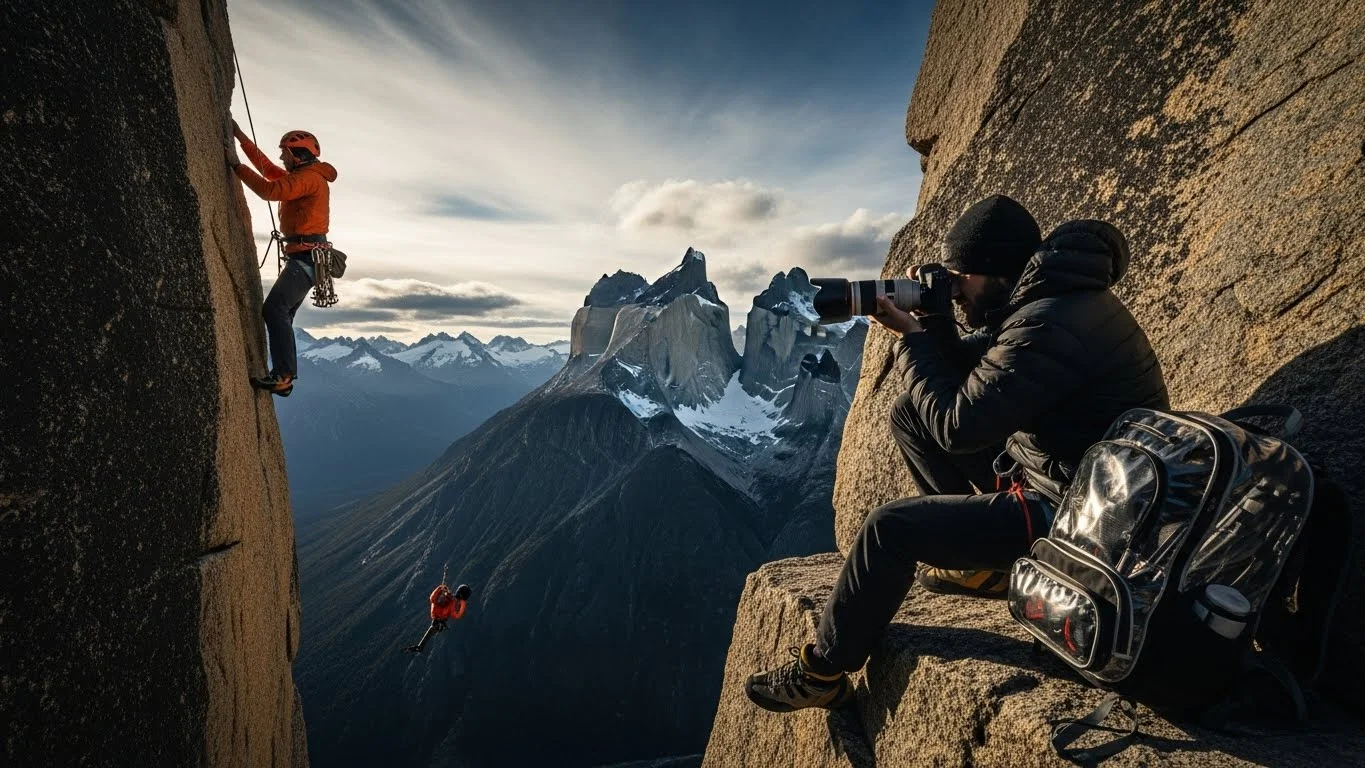
Extreme sports photography is all about capturing high-energy activities that often take place in challenging environments. I remember the first time I held my camera at a mountain biking event. The rush of watching riders navigate steep trails while I tried to freeze that moment in time was exhilarating. This genre not only highlights the skill and bravery of athletes but also the stunning landscapes they navigate. From rock climbing to skateboarding, the goal is to encapsulate the intensity, motion, and style of these adrenaline-pumping activities.
Essential Gear for Extreme Sports Photography
When I think about the gear needed for extreme sports photography, I realize that having the right equipment can make a world of difference. A good camera is a must; I usually recommend a DSLR or mirrorless camera because they offer flexibility and high-quality images. Fast lenses, especially with a wide aperture, help to capture crisp images in low light, which I often encounter in the early morning or late afternoon.
In addition to the camera, a sturdy tripod or monopod is essential. I’ve found that a good tripod stabilizes shots during long exposures, especially when photographing activities like surfing or snowboarding. A variety of lenses is also beneficial. A telephoto lens works wonders for capturing distant action, while a wide-angle lens is fantastic for showcasing the environment and making the athletes stand out against dramatic backdrops.
Don’t forget about accessories! Extra batteries and memory cards are crucial. I’ve been caught in situations where I ran out of power or space just when the action was at its peak. Weather protection gear is essential, too, as extreme sports often take you into unpredictable weather. If you’re looking for budget-friendly options, consider reading Best Budget-Friendly Cameras for Travel Photography.
Techniques for Capturing Action Shots
Capturing action shots in extreme sports is an art. I’ve learned that timing is everything. I often use continuous shooting mode to take multiple frames in quick succession. This way, I can select the perfect moment later. Understanding the sport you’re photographing is crucial, too. Knowing how the athletes move allows me to anticipate when the perfect shot will occur.
Another technique I find invaluable is panning. By moving the camera horizontally with the subject, I can create a sense of motion while keeping the athlete in focus. It adds a dynamic element to the photograph that really conveys the speed of the action. I usually try to keep my shutter speed fast, at least 1/500 sec or faster, especially for high-speed sports like BMX or skiing, to freeze the action and avoid motion blur.
Lastly, consider the composition. I like to use the rule of thirds, placing the athlete off-center, which often makes for a more engaging photo. I’ve found that including elements of the landscape or audience can provide context and tell a story in the image, making it resonate more with viewers.
As I look back on my experiences in extreme sports photography, it’s clear that understanding the sport, having the right gear, and mastering techniques are vital. This sets the stage for amazing adventures that await in some of the best destinations for capturing these thrilling moments. Whether you’re dreaming of snowy peaks or ocean waves, there’s a whole world out there just waiting for your lens!
Top Destinations for Extreme Sports Photography
1. Whistler, Canada
Types of Sports to Photograph
Whistler is a haven for thrill-seekers and photographers alike. The vibrant mountain biking scene is something I look forward to capturing, with riders tackling rocky trails and steep descents. In winter, the area transforms into a snow-covered paradise for skiing and snowboarding. I’ve also seen incredible action in free-skiing and even snowshoeing, which can make for unique shots. The combination of athletes and stunning landscapes provides endless opportunities for jaw-dropping imagery.
Best Times to Visit
The best time for mountain biking is from late spring to early fall, typically between May and September. The trails are open and the weather is usually perfect for outdoor adventures. If you’re into winter sports, then December to April is prime time for skiing and snowboarding. I’ve found that each season offers a different vibe and lighting, so it’s worth visiting more than once if you can!
Local Photography Tips
When photographing in Whistler, I recommend getting up early to catch the sunrise over the mountains. The soft light can add a magical quality to your shots. I also suggest exploring less-popular trails. While the main trails are spectacular, the hidden gems often provide unique perspectives and fewer crowds. Lastly, don’t forget to interact with the athletes; sometimes, a quick chat can lead to amazing insights or even an unexpected action shot!
2. Chamonix, France
Types of Sports to Photograph
Chamonix is often referred to as the capital of extreme sports, and for good reason! From my experience, the breathtaking vistas make it an excellent location for capturing skiing, mountaineering, and paragliding. Watching athletes soar through the air against the backdrop of the Alps is nothing short of surreal. I’ve also enjoyed photographing ice climbing, which offers some unique compositions with climbers scaling frozen waterfalls.
Best Times to Visit
For skiing and snowboarding, December to April is the ideal time. However, if you’re interested in summer sports like paragliding or hiking, I recommend visiting from June to September. The weather is milder, and the stunning mountain views are in full bloom.
Local Photography Tips
Chamonix can be busy, so I’ve found that arriving early in the morning or later in the evening helps avoid crowds. The golden hour is especially beautiful here, casting a warm glow on the peaks. I also suggest using a polarizing filter to enhance the colors of the sky and reduce glare from snow. Connecting with local athletes can also provide access to events or spots that aren’t as well-known, enriching your portfolio!
3. Cape Town, South Africa
Types of Sports to Photograph
Cape Town is a fantastic blend of urban and natural landscapes, making it perfect for capturing a range of extreme sports. I love photographing surfers riding the powerful waves of Muizenberg Beach, as well as rock climbers scaling the iconic Table Mountain. Paragliding from the mountain into the city below is another thrilling spectacle that I always try to capture. The mix of adventure and scenery never ceases to amaze me.
Best Times to Visit
For surfing, the best months are from April to September when the waves are at their peak. For rock climbing and paragliding, I find that October to March offers the best weather. I’ve learned that these summer months provide clear skies and milder winds, which are wonderful for outdoor activities.
Local Photography Tips
Don’t be afraid to experiment with different angles and compositions in Cape Town. I’ve found that shooting from high vantage points can give dramatic perspectives. Early mornings are great for capturing surfers in action with beautiful light, while late afternoons can provide stunning sunsets over the ocean. Engaging with the local surf community can also lead to exciting opportunities for unique shots and stories.
4. Lake Tahoe, USA
Types of Sports to Photograph
Lake Tahoe is a treasure trove for outdoor enthusiasts. I’ve had the pleasure of capturing everything from skiing and snowboarding in the winter to mountain biking and kayaking in the summer. The clear blue waters and stunning alpine backdrops create a fantastic setting for dynamic photography. I also recommend keeping an eye out for paddleboarders gliding over the lake’s tranquil surface.
Best Times to Visit
Winter sports are best from December through March, while summer activities shine from June to September. I’ve found that both seasons offer distinct beauty, so if you have the chance, visit during both to capture the full seasonal range!
Local Photography Tips
Lake Tahoe can get really crowded during peak seasons, so I often look for less-traveled locations. Exploring the shoreline or the less popular ski resorts can yield fantastic results with fewer distractions. I also love capturing the reflection of the mountains in the lake during sunrise or sunset, which can create captivating images.
5. Queenstown, New Zealand
Types of Sports to Photograph
Known as the adventure capital of the world, Queenstown is a must-visit for extreme sports photographers. I’ve captured everything from bungee jumping and skydiving to white-water rafting and mountain biking. The stunning landscapes are a bonus, showcasing mountains, lakes, and a vibrant community of thrill-seekers.
Best Times to Visit
The best time for winter sports is from June to September, while the summer months from December to March are perfect for biking and water sports. I’ve experienced that each season has its own charm, making it worthwhile to plan a trip during different times of the year.
Local Photography Tips
In Queenstown, I often take advantage of the dramatic lighting that occurs during the early morning and late afternoon. I’ve also found that getting to know the local guides can lead to exclusive shooting opportunities, such as behind-the-scenes access during events. This can make all the difference in capturing unique angles and perspectives.
6. Banff National Park, Canada
Types of Sports to Photograph
Banff National Park is nothing short of breathtaking. From skiing and snowboarding in winter to hiking and canoeing in summer, I always find something worth capturing here. I particularly enjoy photographing ice climbers tackling the frozen waterfalls in winter, as well as the vibrant colors of the wildflowers in summer.
Best Times to Visit
Winter sports can be enjoyed from December to March, while the summer months from June to September showcase hiking, cycling, and kayaking at their best. I’ve learned to appreciate how the changing seasons can reveal different aspects of the park’s beauty.
Local Photography Tips
For a unique perspective, I often hike to lesser-known overlooks to capture the stunning vistas without the crowds. The light in Banff can be magical, especially during sunrise and sunset. I recommend keeping an eye on the weather, as conditions can change rapidly, offering unexpected opportunities for dramatic shots.
7. Moab, Utah, USA
Types of Sports to Photograph
Moab is like a playground for extreme sports, and I’ve had the thrill of capturing mountain bikers, rock climbers, and off-roaders in action against the stunning red rock landscapes. The contrast of the vibrant colors against the blue sky makes for striking images. I particularly love photographing the famous Slickrock Trail, where the terrain presents both challenges and beautiful backdrops.
Best Times to Visit
The best time to visit for outdoor sports is from spring (March to May) and fall (September to November). I’ve found that these seasons provide comfortable temperatures and stunning scenery, ideal for capturing action shots.
Local Photography Tips
Moab can get busy, especially during peak seasons, so I recommend exploring early in the morning. The soft light during dawn can create a beautiful atmosphere for capturing the unique rock formations. I’ve also benefited from talking to local athletes; they often know the best spots and times for action, making it easier to find that perfect shot.
Planning Your Extreme Sports Photography Adventure
When to Visit Each Destination
Planning the perfect trip for extreme sports photography requires some thought about timing. Each location has its own peak seasons, influenced by the weather and the sports being practiced. From my experience, doing a little research on the best months to visit each destination can make a significant difference in the quality of the shots you capture.
For instance, I’ve found that Whistler is incredible in both summer and winter, but if you’re aiming for mountain biking, late spring to early fall is ideal. Conversely, Chamonix shines in winter for skiing, while summer brings paragliding and hiking. Cape Town’s surfing is best in the winter months, and if you’re looking to catch action on Table Mountain, the summer provides the most favorable conditions. In Lake Tahoe, the clear summer skies are perfect for kayaking, and winter sports thrive in the crisp air. Queenstown’s seasonal charm means that each trip can feel like a new adventure. And let’s not forget Moab, where spring and fall yield the most comfortable temperatures for outdoor activities.
Budgeting for Your Trip
Budgeting is another key aspect of planning. For me, it often starts with flights and accommodations, but I also like to factor in local transportation and daily expenses. I’ve learned that some destinations can be pricier than others, especially the more popular ones. For example, accommodations in Whistler can be quite expensive during peak skiing season. Conversely, places like Moab often have more affordable lodging options, especially if you’re willing to stay in a campground or a hostel.
When budgeting, I also set aside funds for gear rental if I can’t bring my own. I’ve rented mountain bikes and paddleboards before, and it can add up, but it’s worth it to get those perfect shots without the hassle of transporting everything. Additionally, don’t forget to include expenses for food and any entry fees for parks or events. I always try to have a little extra set aside for unexpected opportunities that might arise!
Where to Stay
Choosing the right place to stay can enhance your photography adventure. I usually prefer accommodations that are close to the action or offer easy access to the sports I want to shoot. In Whistler, for instance, staying in the village puts you right in the heart of the action, while in places like Banff, I’ve found that staying in town allows for quick access to the trails and lakes.
Sometimes, I opt for unique stays like cabins or lodges that provide stunning views right from my window. I remember one trip in Queenstown when I stayed in a cabin overlooking the lake—it was an unforgettable experience. In Moab, camping under the stars is an adventure in itself. Embracing the local vibe can also lead to richer photography experiences. I’ve found that chatting with fellow travelers or locals often leads to great tips on the best spots to photograph!
Transportation Options
Getting around can vary significantly depending on the destination. For places like Cape Town, I often rent a car, which gives me the freedom to explore without relying on public transport. The scenic drives along the coast and through the mountains are an attraction in themselves. In contrast, city destinations like Chamonix have excellent public transport systems, making it easy to get around without needing a car.
For some locations, I’ve even used bicycles to get to trailheads or beaches. This not only keeps me fit but also allows me to scout for potential shooting spots along the way. I’ve found that being flexible with transportation often leads to unexpected discoveries. After all, some of my favorite shots were taken when I stumbled upon a hidden trail while looking for a parking spot!
Safety Considerations
Safety is paramount, especially in extreme sports photography. Before heading out, I always take the time to understand the risks associated with the sports I’ll be photographing and the environments I’ll be in. For example, while shooting in the mountains, I keep an eye on the weather and potential hazards like avalanches. I’ve learned that it’s crucial to pack safety gear, whether it’s a first-aid kit, a helmet when biking, or even a life jacket when shooting water sports.
Additionally, I always let someone know where I’m going and what my plans are for the day. This practice has given me peace of mind, especially when exploring remote areas. I also recommend keeping a charged phone handy in case of emergencies. I remember one time in Banff when I got lost while hiking to find the perfect shot, and having that connection was reassuring.
Ultimately, planning your extreme sports photography adventure is as thrilling as the sports themselves. When you put in the effort to prepare, the experience becomes even more rewarding, filled with opportunities to create stunning images and memories that last a lifetime.
Frequently Asked Questions
What is Extreme Sports Photography?
Extreme sports photography is all about capturing high-energy activities in challenging environments. It highlights the skill and bravery of athletes while showcasing the stunning landscapes they navigate, aiming to encapsulate the intensity, motion, and style of adrenaline-pumping activities.
What essential gear is needed for Extreme Sports Photography?
A good camera, preferably a DSLR or mirrorless, is essential for capturing high-quality images. Fast lenses, sturdy tripods or monopods, a variety of lenses (telephoto and wide-angle), extra batteries, memory cards, and weather protection gear are also crucial for successful photography in extreme sports.
What techniques can be used to capture action shots in extreme sports?
Key techniques include using continuous shooting mode for capturing multiple frames, understanding the sport to anticipate movements, panning the camera with the subject to create a sense of motion, maintaining a fast shutter speed, and utilizing composition techniques like the rule of thirds.
What are some top destinations for Extreme Sports Photography?
Top destinations include Whistler (Canada), Chamonix (France), Cape Town (South Africa), Lake Tahoe (USA), Queenstown (New Zealand), Banff National Park (Canada), and Moab (Utah, USA), each offering unique sports and stunning landscapes to capture.
When is the best time to visit Whistler for photography?
The best time for mountain biking in Whistler is from late spring to early fall (May to September), while winter sports like skiing and snowboarding are best from December to April.
What local photography tips can be applied in Chamonix?
Arriving early to avoid crowds, shooting during golden hour, using a polarizing filter to enhance sky colors and reduce glare, and connecting with local athletes for insights are effective tips for photography in Chamonix.
What sports can be photographed in Cape Town?
In Cape Town, photographers can capture surfers at Muizenberg Beach, rock climbers on Table Mountain, and paragliders soaring into the city, taking advantage of the blend of urban and natural landscapes.
What should one consider when planning an Extreme Sports Photography trip?
Consider peak seasons for each destination, budgeting for flights, accommodations, local transportation, and gear rentals, and choosing accommodations close to the action to enhance the photography experience.
Why is safety important in Extreme Sports Photography?
Safety is paramount due to the risks involved in both the sports and environments. Understanding potential hazards, packing safety gear, informing someone of your plans, and keeping a charged phone handy for emergencies are all crucial practices.
How can transportation options affect an Extreme Sports Photography adventure?
Transportation options vary by destination, with some locations benefiting from car rentals for exploration, while others have excellent public transport. Being flexible with transportation can lead to unexpected discoveries and better shooting opportunities.