
Exploring the beauty of nature through photography doesn’t have to break the bank. Discovering budget-friendly destinations allows us to capture stunning landscapes and wildlife without financial strain. Read Interesting article: Discover Nature: Budget Eco-Friendly Camping Destinations
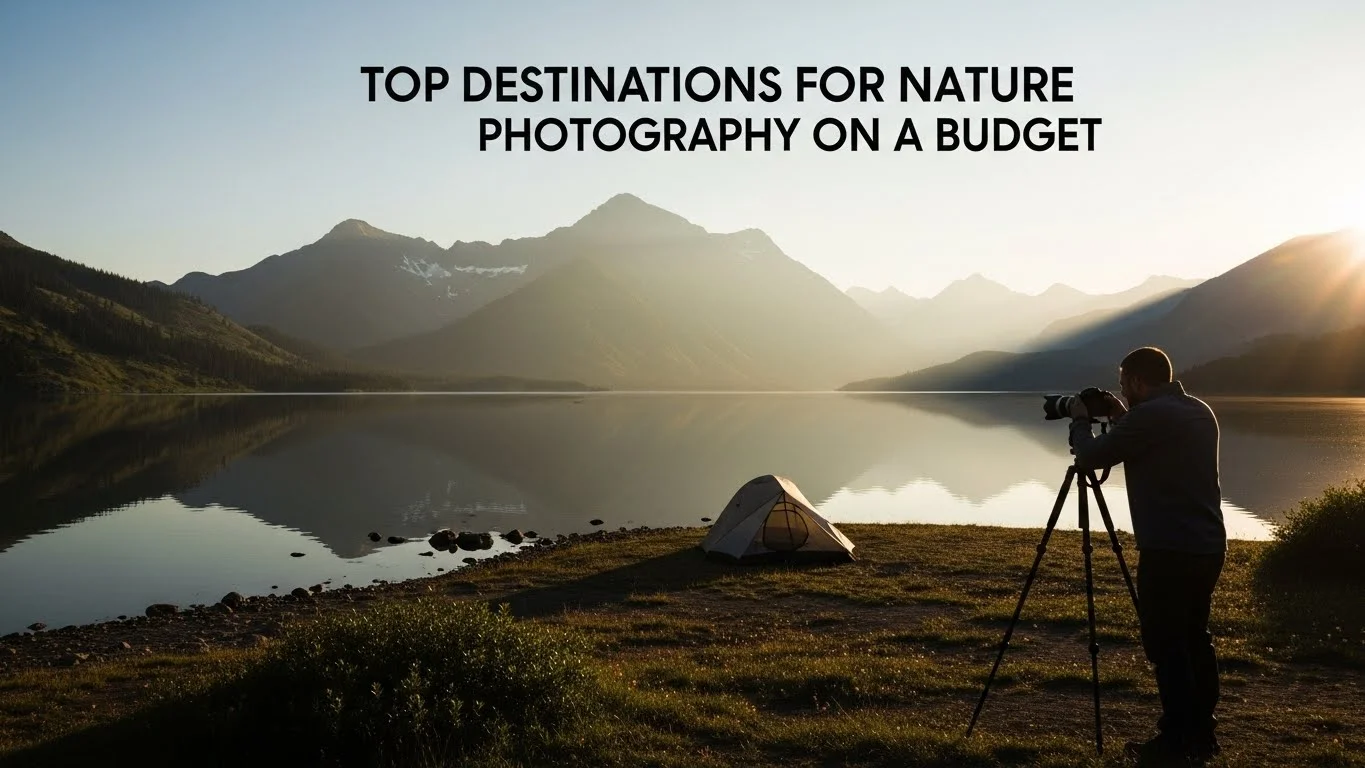
Overview of Budget Nature Photography
Understanding Budget Photography
When I first dipped my toes into nature photography, I was overwhelmed by the costs associated with high-end gear and exotic locations. But over time, I learned that budget photography is not just possible; it can also be incredibly rewarding. I realized that with some creativity and planning, I could capture amazing shots without spending a fortune. Budget photography means making the most of what you have, being resourceful, and finding inspiration in local spots. You’d be surprised at how much beauty lies just outside your door or within a short drive.
Benefits of Nature Photography
Nature photography has a special place in my heart. Not only does it allow me to explore breathtaking landscapes, but it also brings a sense of calm and connection to the natural world. Each click of the shutter feels like a moment captured in time, a memory etched in pixels. For anyone looking to unwind or find meaning in life, immersing oneself in nature offers countless benefits. I’ve experienced the joy of discovering hidden trails, the thrill of spotting a rare bird, and the satisfaction of witnessing a stunning sunrise. Such moments remind me of the beauty around us and encourage mindfulness.
Moreover, photography helps me appreciate the environment. As I focus on capturing the details—the intricate patterns of leaves, the colors of a sunset, or the grace of wildlife—I become more attuned to my surroundings. My perspective shifts from being a mere observer to becoming an active participant in the ecosystem. This sense of stewardship motivates me to advocate for conservation. In my opinion, nature photography is not just about the pictures; it’s about fostering a deeper connection with the planet.
Essential Gear for Nature Photography on a Budget
Camera Options for Beginners
When starting out, I remember feeling pressure to invest in the latest, most expensive camera. However, I found that a decent entry-level DSLR or even a mirrorless camera can do wonders for anyone just beginning their photography journey. Brands like Canon, Nikon, and Sony offer cameras that balance quality and affordability. I personally started with a Canon EOS Rebel, which was budget-friendly yet produced stunning images.
Another great option is to consider second-hand cameras. I stumbled upon an online marketplace where I found an excellent deal on a used camera from a fellow photographer. It’s essential to do some research and ensure you’re buying from a reputable seller, but this method can save you a significant amount of money while still getting great quality gear.
Affordable Lenses and Accessories
When it comes to lenses, I learned that you don’t need a whole arsenal. A versatile zoom lens can cover most of your needs, and I found that a 18-55mm lens was perfect for landscapes and wildlife shots alike. If you want to capture the tiniest details, consider adding a macro lens for close-up photography. They can often be found at reasonable prices, especially if you shop for used options.
Beyond the camera and lenses, some accessories can significantly enhance your photography experience without costing a lot. A sturdy tripod is a must-have for capturing long exposure shots, especially during sunrise or sunset. I invested in a lightweight, affordable tripod that I can easily carry on hikes. Additionally, I recommend a good camera bag that can protect your gear while being comfortable to carry.
Editing Software on a Budget
Editing plays a crucial role in bringing your photos to life. I initially splurged on expensive software, but eventually, I discovered that there are fantastic free and budget-friendly options available. Programs like GIMP and Darktable offer robust editing tools without costing a dime. If you prefer something more user-friendly, Adobe Lightroom offers a subscription model that is more affordable than purchasing the entire suite outright. I’ve found that spending a little time learning the ins and outs of these programs can drastically improve my final images.
Ultimately, the key to budget nature photography lies in being resourceful and creative. With the right mindset, a little research, and the willingness to explore, I believe anyone can embark on a fulfilling photographic journey without breaking the bank. I’ve experienced the joy that comes from capturing nature’s beauty and I’m excited to share more about the destinations that make it all possible. Read Interesting article: Backpacking Hacks: Affordable Hiking Adventures for Nature Lovers
Top Budget-Friendly Destinations for Nature Photography
National Parks
Yosemite National Park
Yosemite National Park in California is one of those places that truly takes my breath away. The park is famed for its stunning granite cliffs, waterfalls, and diverse ecosystems. I’ve often found that visiting during the off-peak seasons, like late spring or early fall, allows me to avoid the crowds while still capturing the majestic beauty of the landscape. I remember standing at Tunnel View during sunrise, soaking in the vibrant colors lighting up El Capitan and Half Dome. The experience was surreal, and the photos I took still remind me of that peaceful morning.
Great Smoky Mountains National Park
Great Smoky Mountains National Park, straddling the border of North Carolina and Tennessee, is another fantastic destination for budget-conscious photographers. The misty mountains and lush forests create a dreamy atmosphere, especially in the early morning. I love hiking the numerous trails, where I’ve stumbled upon hidden waterfalls and breathtaking vistas. The park also offers a variety of wildlife, from deer to black bears, which can make for some exciting wildlife photography moments. Plus, the entrance to the park is free, making it easier to plan a trip without a hefty budget.
State Parks
Devil’s Lake State Park
In my experience, state parks often provide a budget-friendly alternative to national parks. Devil’s Lake State Park in Wisconsin is one of my favorites. The striking quartzite cliffs and shimmering lake make it a picturesque setting for photography. I remember spending an afternoon there, capturing the vibrant fall foliage reflected on the water. The park has affordable camping options, allowing for an immersive experience with nature while keeping costs low.
Red Rock Canyon State Park
Red Rock Canyon State Park in California is another hidden gem. With its stunning red rock formations and unique landscapes, I’ve found countless opportunities for captivating photography. The contrast of the rocks against the clear blue sky creates a striking backdrop. I recommend visiting during the golden hour for the best lighting; I always find that the warm tones enhance the colors beautifully. The park also offers picnic areas and hiking trails, making it easy to spend a full day exploring without breaking the bank.
Coastal Areas
Outer Banks, North Carolina
The Outer Banks of North Carolina is a fantastic coastal destination that I love visiting for its serene beaches and unique wildlife. The barrier islands offer a variety of landscapes, from sandy beaches to lush marshes, providing diverse settings for photography. I’ve spent hours photographing the wild horses of Corolla and capturing the sunset over the Atlantic Ocean. The laid-back atmosphere allows for a relaxed trip, and there are plenty of affordable accommodations if you plan ahead.
Big Sur, California
Big Sur is iconic for its dramatic cliffs and breathtaking coastal views. I’ve often found myself stopping at various viewpoints along the Pacific Coast Highway to capture the stunning scenery. Places like McWay Falls and Pfeiffer Beach are must-visit spots for any nature photographer. While it can be a bit pricier than other locations, I’ve discovered hidden trails and viewpoints that are free to access, allowing me to capture the area’s beauty without overspending.
Mountain Regions
Rocky Mountain National Park
Rocky Mountain National Park in Colorado is one of my happy places. The towering peaks, alpine lakes, and diverse wildlife provide endless opportunities for photography. I remember hiking to Bear Lake at dawn, the stillness of the water reflecting the majestic mountains around me. The park has reasonable entrance fees and offers numerous trails suited for all skill levels, making it accessible and budget-friendly. I’ve found that visiting in the summer provides the best opportunities for vibrant wildflower photography, while autumn offers stunning fall colors.
Appalachian Trail
The Appalachian Trail is another treasure trove for photographers. While I haven’t hiked the entire trail, I’ve explored various sections, capturing the beauty of the changing seasons. The trail offers plenty of opportunities for both landscape and wildlife photography. I’ve found that taking day hikes in the spring, when the flowers bloom and the wildlife is active, yields some of my favorite shots. Plus, there are countless access points along the trail, making it easy to explore without a hefty travel budget.
Urban Nature Spots
Central Park, New York City
Don’t underestimate urban nature spots! Central Park in New York City is an inspiring place for nature photography amid a bustling metropolis. I love wandering through the park, capturing the contrast of nature against the backdrop of skyscrapers. Each visit reveals something new, whether it’s the cherry blossoms in spring or the vibrant colors of the fall foliage. It’s a reminder that nature can thrive even in urban settings, and the best part is that it’s completely free to visit.
Golden Gate Park, San Francisco
Golden Gate Park in San Francisco is another urban oasis worth exploring. The park is vast and filled with gardens, lakes, and walking paths. I remember my visit during the spring when the tulips were in full bloom, providing a vibrant splash of color for my photos. The park also has several museums and attractions, so I’ve found it easy to spend an entire day there capturing its beauty and enjoying the local culture without spending a lot.
When to Visit These Destinations for Optimal Photography
Seasonal Considerations
Choosing the right season to visit a destination can make all the difference in your nature photography. I’ve learned that each season brings its own unique beauty and challenges. For example, spring is often my favorite time to explore for vibrant wildflowers and lively wildlife. I remember wandering through the Great Smoky Mountains during this time and being mesmerized by the blooming rhododendrons and the sounds of nature waking up after winter’s slumber.
Summer is fantastic for long daylight hours, which means more opportunities to shoot. However, I’ve found that this season can bring crowds, especially in popular national parks. If you can visit during the early mornings or late evenings, you’ll often find fewer people and softer lighting, making for better photographs. I’ve spent many evenings watching the sunset over the cliffs at Big Sur, and the experience was nothing short of magical.
Autumn is another incredible time for photography. The changing colors of the leaves create a spectacular canvas, and I’ve captured some of my most stunning images in parks like Rocky Mountain National Park, where the golden aspens contrast beautifully against the deep blue sky. Winter, while often overlooked, offers its own charm. I’ve explored snow-covered landscapes that transform familiar scenes into something entirely new. The soft light and stillness of a snowy day can create serene photographs that capture the essence of winter.
Time of Day for Best Lighting
Lighting is essential in photography, and I’ve come to appreciate the importance of timing. The golden hour, which occurs shortly after sunrise or before sunset, is when the light is soft and warm. I can’t count how many times I’ve set my alarm for an early morning shoot, only to be rewarded with breathtaking sunrises over tranquil lakes or foggy valleys. Those soft hues can make even an ordinary scene look extraordinary.
Midday light can be harsh, casting strong shadows and washing out colors. I’ve learned to adapt by using this time to explore shaded areas or focus on macro photography, capturing the intricate details of flowers or insects. The blue hour, right before sunrise or after sunset, also offers a unique opportunity for stunning photographs. I remember taking long-exposure shots of cityscapes at dusk, where the fading light created a magical atmosphere.
Ultimately, being aware of the seasonal changes and the time of day can help elevate your nature photography. I’ve found that planning my trips around these factors not only enhances my photos but also enriches my overall experience in nature.
Where to Stay on a Budget Near Photography Hotspots
Camping Options
Camping is one of my favorite ways to experience nature while sticking to a budget. Many national and state parks offer campgrounds that are both affordable and conveniently located near some of the best photography spots. I’ve had some unforgettable nights camping under the stars, with the sounds of nature surrounding me. There’s something incredibly peaceful about waking up to the sound of birds chirping and the sight of mist rising over a lake.
For instance, at Yosemite, I camped at the North Pines Campground, which placed me right by the Merced River. I got to capture stunning sunrise shots of the granite cliffs while still in my pajamas! If you’re not into traditional camping, many parks also offer cabins or yurts at reasonable rates, providing a little more comfort while still being close to nature.
Budget Hotels and Hostels
If camping isn’t your thing, I’ve found that budget hotels and hostels can also be great options. I try to look for accommodations that have kitchen facilities, as cooking my meals saves money and allows me to enjoy my surroundings instead of dining out. In places like the Outer Banks, I found a charming hostel that was not only affordable but also allowed me to meet fellow travelers who shared my passion for photography.
Additionally, I often check online travel sites for deals on motels or inns near popular parks. Many times, I’ve stumbled upon great last-minute deals that made it easy to stay close to my favorite spots without overspending.
Airbnb and Vacation Rentals
Airbnb has become a go-to for me when I’m searching for unique accommodations near photography hotspots. Sometimes, I find cozy cabins or charming cottages that are perfect for a weekend getaway. I remember booking a quaint little cabin near the Rocky Mountain National Park, where I could wake up and step right into nature. It was the perfect home base for my photography adventures.
When looking for rentals, I always consider factors such as proximity to the park, the amenities I might need, and, of course, the reviews from previous guests. This way, I can ensure I’m getting a good deal while still having a comfortable place to unwind after a day of shooting. Read Interesting article: Explore Nature: Best Destinations for Wildlife Tours on a Budget
Finding budget-friendly places to stay has truly changed the way I experience my photography trips. It allows me to put more resources into my gear and travel while still enjoying the beauty of nature.
Frequently Asked Questions
What is budget nature photography?
Budget nature photography involves capturing stunning landscapes and wildlife without incurring significant costs. It emphasizes resourcefulness, creativity, and finding inspiration in local spots rather than relying on high-end gear and exotic locations.
What are the benefits of nature photography?
Nature photography allows individuals to explore breathtaking landscapes, fosters a sense of calm, encourages mindfulness, and helps develop a deeper connection with the environment. It can lead to moments of joy, discovery, and a greater appreciation for nature.
What camera options are recommended for beginners in nature photography?
Beginners are encouraged to start with a decent entry-level DSLR or mirrorless camera, such as those offered by Canon, Nikon, or Sony. A second-hand camera can also be a budget-friendly option if purchased from a reputable seller.
What type of lenses are suitable for budget nature photography?
A versatile zoom lens, like an 18-55mm lens, is ideal for most landscape and wildlife photography needs. Additionally, a macro lens can be beneficial for close-up photography and can often be found at reasonable prices.
What editing software is recommended for budget photographers?
Free and budget-friendly editing software options include GIMP and Darktable. For a more user-friendly option, Adobe Lightroom offers a subscription model that is more affordable than purchasing the entire suite outright.
Which national parks are recommended for budget-friendly nature photography?
Recommended national parks include Yosemite National Park, known for its stunning granite cliffs, and Great Smoky Mountains National Park, which offers free entrance and diverse wildlife photography opportunities.
What are some budget-friendly state parks for photography?
Devil’s Lake State Park in Wisconsin and Red Rock Canyon State Park in California are both excellent choices. They offer beautiful landscapes and affordable camping options, allowing for immersive nature experiences.
When is the best time to visit for nature photography?
Each season offers unique beauty; spring is great for wildflowers, summer provides long daylight hours, autumn showcases colorful foliage, and winter presents serene snow-covered landscapes. Timing your visits to align with these seasonal changes can enhance photography outcomes.
What are some affordable accommodation options near photography hotspots?
Camping is a popular budget option, with many parks offering affordable campgrounds. Budget hotels, hostels, and platforms like Airbnb provide unique and cost-effective accommodations close to nature photography locations.
How can one maximize photography opportunities during different times of day?
The golden hour, shortly after sunrise or before sunset, provides the best lighting for photography. Midday light can be harsh, so focusing on shaded areas or macro photography is advisable. The blue hour also offers unique lighting for stunning images.